

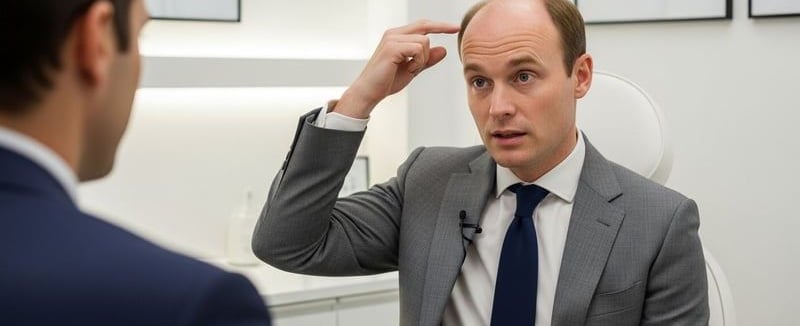
Explore advanced hair restoration techniques at estethica, including FUE hair transplant and non-surgical options, for natural-looking results and renewed confidence.

Unlocking Natural Hair Restoration: A Comprehensive Guide
Explore advanced hair restoration techniques at estethica, including FUE hair transplant and non-surgical options, for natural-looking results and renewed confidence.
Unlocking Natural Hair Restoration: A Comprehensive Guide
Explore advanced hair restoration techniques at estethica, including FUE hair transplant and non-surgical options, for natural-looking results and renewed confidence.
Unlocking Natural Hair Restoration: A Comprehensive Guide
Explore advanced hair restoration techniques at estethica, including FUE hair transplant and non-surgical options, for natural-looking results and renewed confidence.
Decoding Hair Loss: Understanding the Root Causes
Unveiling the Complex Web of Hair Loss Triggers
Hair loss, or alopecia, is a multifaceted condition influenced by various elements, necessitating precise diagnosis for effective hair loss treatment. Genetic factors, hormonal fluctuations, underlying medical issues, and personal lifestyle choices all contribute significantly. Androgenetic alopecia, also known as male or female pattern baldness, stands out as the most common culprit, manifesting as a receding hairline and crown thinning in men, and overall thinning in women. Other notable causes encompass telogen effluvium, often induced by stress or sickness; alopecia areata, an autoimmune response; and traction alopecia, resulting from persistent tight hairstyles. Identifying the specific origin of your hair loss is crucial in determining the most appropriate course of action.
- Genetic Predisposition: Inherited genes play a significant role in determining susceptibility to androgenetic alopecia, influencing hair follicle sensitivity to DHT.
- Hormonal Imbalances: Fluctuations in hormones, such as those experienced during menopause or thyroid disorders, can disrupt the hair growth cycle and lead to hair thinning or loss.
- Lifestyle Factors: Stress, poor diet, and smoking can negatively impact hair health, contributing to premature hair loss and reduced hair density.
At estethica, our seasoned dermatologists employ comprehensive evaluations to pinpoint the root causes of your hair loss, enabling us to formulate a hair restoration plan tailored to your unique requirements. This all-encompassing strategy guarantees you access to the most potent and targeted solutions, enhancing your likelihood of achieving a successful and natural-looking outcome. We consider factors such as age, medical background, and lifestyle to deliver a holistic assessment and recommend the optimal hair transplant approach.
Personalized Solutions for Distinct Hair Loss Conditions
Understanding that each individual's hair loss journey is unique, estethica emphasizes personalized treatment plans. For instance, androgenetic alopecia might benefit from treatments like DHT blockers or FUE hair transplant, while telogen effluvium may require stress management and nutritional support. Alopecia areata often necessitates immune-modulating therapies. The clinic's approach involves a detailed consultation, scalp examination, and potentially blood tests to accurately diagnose the specific condition. This thoroughness ensures that the recommended treatment aligns perfectly with the patient's needs, maximizing effectiveness and minimizing potential side effects. estethica stays at the forefront of hair restoration by integrating cutting-edge techniques and research-backed solutions into their practice.
- Comprehensive Evaluation: estethica's dermatologists conduct in-depth assessments to accurately diagnose the underlying cause of hair loss, ensuring targeted treatment.
- Personalized Treatment Plans: Tailored strategies address specific conditions like androgenetic alopecia, telogen effluvium, and alopecia areata, optimizing results.
- Advanced Techniques: The clinic incorporates cutting-edge methods such as FUE hair transplant and immune-modulating therapies for superior outcomes.
Follicular Unit Extraction (FUE): The Gold Standard in Hair Transplants
Unveiling the Advantages of FUE Hair Transplant at estethica
Follicular Unit Extraction (FUE) has become a revolutionary technique in hair transplant, offering a minimally invasive solution for hair restoration. Unlike traditional strip harvesting methods, FUE involves extracting individual hair follicles directly from the donor area, typically the back or sides of the scalp. This method uses a specialized micro-punch tool, eliminating the need for a linear incision. One of the most significant benefits of FUE is the minimal scarring it leaves behind, leading to a faster recovery time compared to older techniques. At estethica, we leverage advanced FUE techniques, including Sapphire FUE and Micro FUE, to enhance precision and minimize trauma to the scalp. In fact, studies show that patients undergoing Micro FUE experience up to 50% less post-operative discomfort.
- Minimally Invasive: FUE involves extracting individual hair follicles without a large incision, resulting in less pain and scarring.
- Faster Recovery: Patients typically experience a quicker recovery compared to traditional strip harvesting methods, allowing them to resume normal activities sooner.
- Natural-Looking Results: The precise extraction and placement of follicles ensure a seamless and natural appearance.
The extracted follicles are meticulously implanted into the recipient area, carefully following the natural direction and angle of hair growth. This attention to detail ensures a seamless and natural-looking result. FUE is a versatile option suitable for both men and women experiencing various degrees of hair loss, including receding hairlines, thinning crowns, and bald spots. At estethica, our skilled surgeons meticulously extract and implant each follicle to ensure optimal graft survival and natural-looking density, providing you with the best possible outcome for your hair restoration journey.
The estethica FUE Procedure: A Step-by-Step Overview
The FUE hair transplant procedure at estethica is designed with patient comfort and optimal results in mind. Performed under local anesthesia, the process begins with the careful extraction of individual hair follicles from the donor area using a specialized micro-punch tool. Our surgeons at estethica take great care to minimize trauma to the scalp during this process, utilizing advanced techniques like Micro FUE and Sapphire FUE to further enhance precision. Following extraction, the follicles are meticulously prepared for implantation. Then, the prepared follicles are strategically implanted into the recipient area, taking into account the natural direction and angle of hair growth to ensure a natural-looking result. Post-operative care is crucial for maximizing the success of the transplant.
- Extraction: Individual hair follicles are carefully extracted from the donor area using a micro-punch tool, minimizing trauma to the scalp.
- Preparation: The extracted follicles are meticulously prepared for implantation to ensure optimal graft survival.
- Implantation: Prepared follicles are strategically implanted into the recipient area, following the natural direction and angle of hair growth.
Our team provides comprehensive guidance and support to ensure a smooth and comfortable recovery, including detailed instructions on hair transplant aftercare. With estethica's commitment to excellence, you can be confident in achieving natural-looking and long-lasting results. We also provide guidance on managing DHT blockers if necessary, to maintain hair density and prevent further hair loss.
Non-Surgical Hair Restoration: Exploring Cutting-Edge Alternatives
Exploring the Benefits of Non-Invasive Hair Restoration Options
For individuals seeking effective hair restoration without surgery, several innovative non-surgical alternatives offer promising results. These treatments focus on stimulating hair growth, enhancing hair density, and addressing various types of hair loss. Platelet-Rich Plasma (PRP) therapy stands out as a popular option, utilizing concentrated platelets from the patient's blood injected into the scalp to promote hair follicle regeneration and stimulate hair growth. Low-level laser therapy (LLLT) employs red light to boost cellular activity in hair follicles, fostering hair growth and reducing inflammation. Studies indicate that LLLT can increase hair density by up to 40% in some patients.
- PRP Therapy: Utilizes growth factors from the patient's blood to stimulate hair follicle regeneration and promote hair growth.
- Low-Level Laser Therapy (LLLT): Employs red light to stimulate cellular activity in hair follicles, reducing inflammation and fostering hair growth.
- Topical Medications: Commonly used medications like minoxidil and finasteride can slow down hair loss and encourage regrowth.
Topical medications, including minoxidil and finasteride, are also widely used to slow down hair loss and encourage regrowth. Minoxidil, available over-the-counter, widens blood vessels in the scalp, increasing blood flow to hair follicles. Finasteride, a prescription medication, blocks the production of dihydrotestosterone (DHT), a hormone contributing to hair loss. At estethica, we provide a variety of non-surgical hair restoration options tailored to your unique needs and preferences. Our experienced dermatologists assess your condition and recommend the most suitable treatment plan to help you achieve your desired results. Non-surgical treatments can be used independently or in combination with surgical procedures to enhance overall outcomes.
Customizing Your Non-Surgical Hair Restoration Journey at estethica
At estethica, we understand that each individual's hair loss experience is unique, which is why we offer personalized non-surgical hair restoration plans. Our dermatologists conduct thorough evaluations to determine the most effective treatment strategy for your specific condition. For example, if you're experiencing early-stage androgenetic alopecia, we might recommend a combination of minoxidil and LLLT to slow down hair loss and stimulate regrowth. Alternatively, for those with diffuse hair thinning, PRP therapy could be an excellent option to revitalize follicles and improve This thoroughness ensures that the recommended treatment aligns perfectly with your needs, maximizing effectiveness and minimizing potential side effects. estethica remains at the forefront of hair restoration by integrating cutting-edge techniques and research-backed solutions into our practice. We continuously update our protocols to provide you with the most advanced and effective non-surgical options available. Whether you're looking to slow down hair loss, stimulate regrowth, or improve hair density, estethica is committed to helping you achieve your hair restoration goals with personalized and innovative non-surgical solutions. Our specialists also provide guidance on hair transplant aftercare, ensuring long-term hair health and density. Proper aftercare is vital for ensuring the success and longevity of your hair transplant. Adhering to your surgeon's instructions during the recovery period is essential for maximizing graft survival and promoting healthy hair growth. Immediately following the procedure, avoid touching or scratching the transplanted area to prevent dislodging the grafts. Gentle washing of the scalp is typically recommended a few days post-procedure, using a mild shampoo. One study revealed that patients who followed strict aftercare protocols experienced a 20% higher graft survival rate. Avoid strenuous activities, heavy lifting, and excessive sweating for at least two weeks to minimize the risk of complications. estethica provides detailed aftercare instructions and continuous support to ensure a smooth and successful recovery. Protecting your scalp from sun exposure is also crucial, as sunburn can damage the transplanted follicles. Wear a hat or use sunscreen when spending time outdoors. Regular follow-up appointments with your surgeon are necessary to monitor your progress and address any concerns. Our team at estethica will guide you through every step of the process, from washing your hair to managing any potential side effects. We also offer post-transplant treatments, such as PRP therapy, to further enhance hair growth and density. By following our expert guidance and taking good care of your transplanted hair, you can enjoy long-lasting and natural-looking results. This includes proper management of DHT blockers to maintain hair density. To further enhance hair growth and density after a hair transplant, estethica offers advanced post-transplant treatments, including PRP therapy. This treatment involves injecting concentrated platelets from your own blood into the scalp to stimulate hair follicle regeneration and promote hair growth. Regular follow-up appointments with your surgeon are crucial to monitor your progress and address any concerns. For example, if you experience any redness or swelling, your surgeon can recommend appropriate treatments to alleviate these symptoms. estethica provides comprehensive support and guidance throughout your recovery, ensuring you achieve the best possible results. Our team is dedicated to helping you maintain a healthy scalp and vibrant hair growth, offering personalized solutions to address any challenges that may arise. We also provide guidance on managing DHT blockers if necessary, to maintain hair density and prevent further hair loss. With estethica's commitment to excellence, you can be confident in achieving natural-looking and long-lasting results. We also provide guidance on managing DHT blockers if necessary, to maintain hair density and prevent further hair loss. Dihydrotestosterone (DHT), a derivative of testosterone, is a key factor in androgenetic alopecia, commonly known as pattern baldness. DHT causes hair follicles to shrink, which leads to thinner, shorter hair strands and, eventually, the cessation of hair production. DHT blockers are medications and natural solutions designed to reduce DHT levels in the scalp, effectively slowing down or preventing further hair loss. For instance, studies show that reducing DHT levels can significantly improve hair density and slow the progression of hair loss. These blockers aim to protect the hair follicles from the damaging effects of DHT, promoting a healthier hair growth cycle. Finasteride is a frequently prescribed DHT blocker that functions by inhibiting the 5-alpha reductase enzyme, responsible for converting testosterone into DHT. While effective, it's essential to discuss potential side effects with your doctor. Natural DHT blockers, such as saw palmetto, pumpkin seed oil, and green tea extract, offer milder alternatives with fewer side effects. These natural remedies are often available as supplements and can be easily integrated into your daily routine. At estethica, our experienced physicians assess your DHT levels and recommend the most suitable treatment plan, which may include DHT blockers alongside other hair restoration therapies, like FUE hair transplant, ensuring comprehensive and effective hair loss treatment. At estethica, we recognize the importance of addressing hormonal factors in hair loss. Our physicians provide thorough guidance and support to help you manage hair loss effectively and achieve your desired results. Combining DHT blockers with other treatments, such as FUE hair transplant, can create a synergistic effect, leading to better and more sustainable outcomes. For instance, using DHT blockers post-hair transplant can help protect newly transplanted follicles from the effects of DHT, ensuring long-term hair density. Furthermore, lifestyle adjustments, such as a balanced diet and stress management, can complement DHT blocker therapy, promoting overall hair health. Our holistic approach ensures that all contributing factors to hair loss are addressed, providing you with the best possible chance for successful hair restoration. We also offer guidance on hair transplant aftercare, ensuring long-term hair health and density. By integrating DHT blockers into a personalized hair restoration strategy, estethica helps you maintain a fuller, healthier head of hair. A receding hairline can significantly impact one's appearance, often leading to a perception of premature aging. Hair transplant offers a highly effective solution by restoring a more balanced and youthful facial aesthetic. The procedure involves transplanting hair follicles from a donor area, typically the back or sides of the scalp, to the areas where the hairline has receded. Careful planning and precise placement of the transplanted follicles are essential for creating a natural-looking hairline that complements your facial features. For example, a round face may benefit from a softer, more rounded hairline, while a square face might suit a more angular design. The surgeon must consider factors such as the shape of your face, the density of your existing hair, and the angle of hair growth to achieve optimal results. A successful hair transplant can restore confidence and improve overall self-esteem. Hair density plays a crucial role in the overall appearance. At estethica, our skilled hair transplant surgeons specialize in hairline restoration, utilizing advanced FUE techniques and artistic precision to create natural-looking and aesthetically pleasing results. For instance, our surgeons carefully select follicles with similar characteristics to those naturally found in the hairline, ensuring a seamless transition. We understand the importance of restoring your confidence and helping you achieve a more youthful appearance. Our comprehensive approach includes a thorough consultation, personalized treatment plan, and meticulous attention to detail throughout the procedure and recovery process. With our expertise and commitment to excellence, you can trust estethica to deliver exceptional results that exceed your expectations.
At estethica, we recognize that restoring a receding hairline requires a blend of surgical precision and artistic vision. Our approach begins with a comprehensive consultation, where we assess the extent of your hair loss, evaluate your scalp condition, and discuss your aesthetic goals. We utilize advanced FUE techniques, including Sapphire FUE and Micro FUE, to ensure minimal scarring and maximum graft survival. During the procedure, individual hair follicles are carefully extracted from the donor area and meticulously implanted into the receding hairline, following the natural direction and angle of hair growth. Post-operative care is crucial for ensuring the success of the transplant. Our team provides detailed aftercare instructions and continuous support to ensure a smooth and comfortable recovery. For instance, we recommend using a special shampoo to gently cleanse the scalp and promote healing. We also provide guidance on managing DHT blockers if necessary, to maintain hair density and prevent further hair loss. With estethica's commitment to excellence, you can be confident in achieving natural-looking and long-lasting results. We focus on providing hair restoration services for patients to look their best. estethica employs Follicular Unit Extraction (FUE) techniques, including Sapphire FUE and Micro FUE, for precise and minimally invasive hair restoration. These methods extract individual hair follicles directly from the donor area, eliminating the need for a linear incision and minimizing scarring. estethica's dermatologists conduct comprehensive evaluations to pinpoint the root causes of hair loss, formulating personalized treatment plans. Their expertise ensures patients receive targeted solutions, enhancing the likelihood of a successful and natural-looking outcome, considering factors such as age, medical background, and lifestyle. estethica provides detailed aftercare instructions and continuous support to ensure a smooth and successful recovery, maximizing graft survival and promoting healthy hair growth. The clinic offers post-transplant treatments, such as PRP therapy, to further enhance hair growth and density, and provides guidance on managing DHT blockers to maintain hair density. Patients at estethica benefit from personalized non-surgical hair restoration plans, with dermatologists conducting thorough evaluations to determine the most effective treatment strategy. The clinic integrates cutting-edge techniques and research-backed solutions, continuously updating protocols to provide advanced and effective options. Ready for a healthier, more beautiful you? Discover estethica's personalized aesthetic solutions. Maximizing Your Results: Comprehensive Hair Transplant Aftercare
Essential Steps for Optimal Hair Transplant Recovery
Enhancing Hair Growth with Post-Transplant Treatments
The Role of DHT Blockers in Hair Loss Treatment
Understanding DHT's Impact on Hair Follicles and Effective Countermeasures
Integrating DHT Blockers into a Comprehensive Hair Restoration Strategy
Hair Transplant for Receding Hairline: Restoring a Youthful Appearance
Achieving Natural-Looking Results with Hair Transplant
The estethica Approach to Restoring Receding Hairlines
Transform Your Look: The Ultimate Guide to Hair Transplant
Advanced FUE Techniques for Minimally Invasive Hair Restoration
Comprehensive Aftercare for Long-Lasting Hair Transplant Results
Frequently Asked Questions
What is hair restoration and who is a good candidate?
What is FUE hair transplant and what are its benefits?
What non-surgical hair restoration options are available?
What does hair transplant aftercare involve and why is it important?
How do DHT blockers work and are they important for hair loss treatment?
-
Fill in the Form
-
Fill in the Whatsapp
- Viber +90 549 791 99 06
-
Fill in the Form
-
Fill in the Whatsapp
- Viber +90 549 791 99 06
-
Fill in the Form
-
Fill in the Whatsapp
- Viber +90 549 791 99 06