

.jpeg)

26 September 2023
As a pioneer in dental implant treatments, estethica aims to increase the quality of life of every patient with dental implant cost of Turkey, as well as regain everyone a healthy smile.
An implant, commonly known as a screw, is an artificial tooth root made from titanium material. Dental implant procedures offer a solution for aesthetic concerns and health issues caused by missing teeth. They can be thought of as artificial tooth roots made entirely from titanium, which is fully compatible with body tissues. Dental implants enable patients who have lost their teeth to smile comfortably, speak clearly, engage in social activities, maintain proper nutrition, and achieve the most natural-looking teeth.
A dental implant is an artificial tooth root that is placed into the jawbone to support dental prosthetics. When there are missing teeth that disrupt dental and smile aesthetics, dental implant procedures are generally preferred. In cases where natural tooth roots are lost, an artificial tooth root is placed within the jawbone and gum tissue to assume the position of the missing root. Teeth are then positioned over the newly placed roots.
In summary, dental implant procedures involve artificial tooth roots made from titanium, which is compatible with body tissues. These roots are placed into the jawbone through a minor surgical procedure in a sterile environment. Within approximately 2-3 months, the implant fully integrates with the jawbone and is ready to support a dental prosthesis. Once the implant is ready to bear the load of the prosthetic tooth, a dental prosthesis is attached.
The risk factor in dental implant treatment is comparable to the risks observed in both intraoral and extraoral treatments, and there are no distinct risks associated. Pre-existing or post-operative inflammation within the oral cavity can occur during implant treatment. One of the most commonly encountered risks is inflammation resulting from inadequate oral care. This inflammation can be prevented through regular maintenance before it arises, and it can also be managed after its occurrence.
Smoking during the healing process is another factor that increases the risk of inflammation. In such cases, patients can avoid these risks by undergoing regular check-ups and adhering to the details emphasized by the surgeon.
Insufficient care before and after the procedure can lead to the body rejecting the implanted area, resulting in an opening in the palate. While not posing a health risk, this factor causes a delay for the patient. Therefore, adhering to the guidelines provided by the doctor will yield the most effective results for the patient.
In modern times, dental implants can be applied to nearly everyone. Patients with systemic diseases (such as diabetes, heart conditions, hypertension, etc.) can undergo the procedure if their conditions are under control, with the supervision and approval of their relevant doctor. Implants can be placed after appropriate evaluations and with the consent of the doctor for patients who use immunosuppressive medications or who have had cancer (undergoing or completed treatment). However, it is not advisable to proceed with implant placement without proper evaluation and doctor's approval in such cases.
Individuals who have lost one or more teeth or are at risk of losing teeth are potential candidates for implant treatment. Even patients who have no teeth in their mouth can benefit from implant procedures, which can provide a comfortable and high-quality oral treatment option.
In essence, dental implants are a versatile solution that can be considered for a wide range of individuals. However, each case is unique, and a thorough evaluation by a qualified dental professional is necessary to determine the suitability of implant treatment based on an individual's specific health conditions and needs.
Quick implants are implants that rapidly integrate with the jawbone, allowing for implant placement in just one day. They feature a special surface that is highly compatible with the human body, preventing bone resorption in the treated areas and can be used even in individuals with bone loss.
The material, design, and surface structure of the implant, along with factors such as performing the surgical procedure in a sterile environment without harming the jawbone and preparing the implant socket to perfectly accommodate the implant, all play important roles in ensuring compatibility with the jawbone.
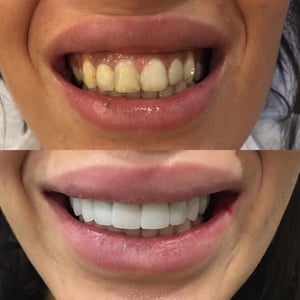
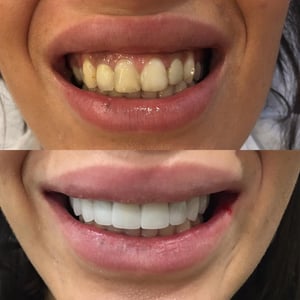
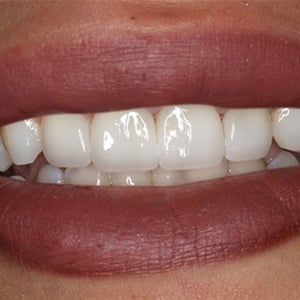
Smart implants offer a significant aesthetic advantage in dental prosthetics, with zirconia ceramics providing light permeability and transparency, or empress and empress e-max ceramics creating an esthetic difference by closely resembling natural teeth. Every stage of dental prosthetic treatment is carried out using CadCam technology. Through CadCam technology, clear images of the oral measurements are obtained using cameras, facilitating precise measurement collection. Based on these images, the design of teeth and gums is visualized and planned in a digital environment. In the subsequent stages, dental prosthetics are manufactured using computer-aided technology, ensuring a hands-free process.
Session
1-3 Sessions
Operation Length
20 Min./ 2 teeth
Anestesia
Local anesthesia/ sedation/ general anestesia
Discomfort Period
3-4 Days
Back To Work
The same day
Full Recovery
3-7 days
Results
Continually
Hospital Stay
No
WARNING: Everyone is unique.That means that the treatment length, planning and results may be differ The information you see here are the resulting average from a large range of samples..
You can contact us for more detailed information +90 549 791 99 06
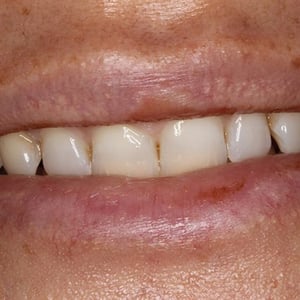
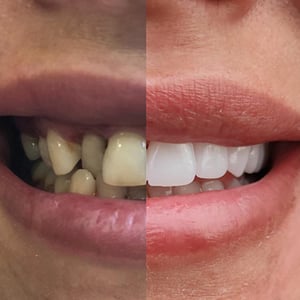
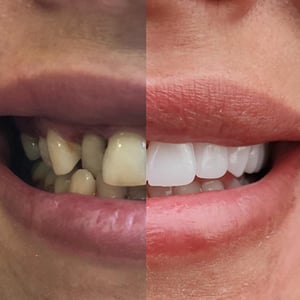

Dental Implant
Dental Implant
Dental Implant
Fill out the form
We have received your request. We will get back to you as soon as possible.
Fill out the form
We have received your request. We will get back to you as soon as possible.