

Expert insights into hair transplant procedures, focusing on hairline restoration, graft details, survival rates, and the science behind follicular unit transplantation. Learn what a hair graft is and understand the investment in your appearance.
Experiencing hair thinning or loss can impact self-confidence, but advancements in hair restoration offer effective solutions. A hair transplant is a revolutionary procedure designed to restore a fuller head of hair and a more defined hairline. This guide delves into the intricacies of hair graft procedure details, explores the best hairline restoration surgery options, and provides insights into how to improve hair graft survival. Whether you're considering follicular unit transplantation or seeking comprehensive hair loss treatment options, understanding the process and what to expect is crucial for achieving optimal results.Understanding Hair Graft Procedure Details
The foundation of any successful hair transplant lies in the meticulous handling and placement of hair grafts. A hair graft is essentially a small segment of skin, typically containing one or more hair follicles, that is carefully extracted from a donor area and transplanted to a recipient site. This donor area is usually located on the back or sides of the scalp, where hair is genetically predisposed to resist thinning and balding. The specific technique employed for graft extraction significantly influences the overall outcome of the hair transplant. Broadly, these methods fall into two categories: Follicular Unit Transplantation (FUT) and Follicular Unit Extraction (FUE). While FUT involves the surgical removal of a linear strip of scalp from which individual follicular units are dissected, FUE extracts these units one by one directly from the donor area using specialized micro-punches. The precision with which a surgeon manages these delicate grafts – ensuring their viability and natural orientation – is paramount to achieving aesthetically pleasing and natural-looking results in the recipient area. This attention to the hair graft procedure details is what separates an ordinary procedure from an exceptional one, especially when aiming for a refined appearance, such as with a hairline transplant.
Graft Extraction and Viability
The success of a hair graft procedure hinges on the surgeon's expertise in both extraction and implantation. During extraction, whether employing FUT or FUE, the utmost care is taken to minimize trauma to the follicular units. This preserves their health and ensures their ability to thrive in their new location. The density and quality of the donor hair directly impact how many grafts can be harvested and how effectively the recipient area can be filled. After extraction, grafts are often stored in a special solution to maintain their hydration and viability until they are ready for implantation. The surgeon's skill in placing each graft at the correct angle, depth, and density is crucial for creating a natural-looking density and a seamless transition with existing hair. For those considering enhancing their appearance through a more defined frontal area, understanding the intricacies of the hair graft procedure details is essential, and exploring options like Hairline Transplant: Achieve Natural Looking Hair Graft Results can provide valuable insights into achieving those desired aesthetic outcomes. A well-executed hair transplant is a testament to surgical precision and artistic vision.
Post-Operative Care and Healing
Following the implantation phase, the journey of the hair graft is far from over. A critical element in maximizing graft survival and achieving the best possible outcome is diligent post-operative care. Patients are typically provided with detailed instructions on how to clean the scalp, avoid strenuous activities, and manage any initial discomfort or swelling. Gentle handling of the recipient area is vital during the initial healing period to prevent dislodging the newly placed grafts. While some initial shedding of the transplanted hairs is normal within the first few weeks – a phase known as 'shock loss' – the follicles themselves remain intact and will begin the process of growing new hair within a few months. The long-term success of the hair transplant depends on both the surgical skill and the patient's commitment to following aftercare guidelines. This comprehensive approach ensures that the investment in a hair transplant yields lasting and satisfying results.
Seeking the Best Hairline Restoration Surgery
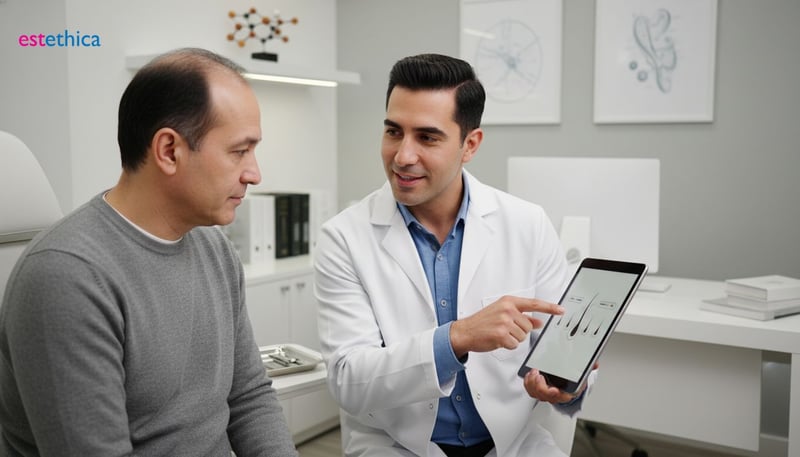
Achieving a natural-looking and aesthetically pleasing result from a hair transplant often hinges on selecting the best hairline restoration surgery. This isn't merely about increasing hair density; it’s a discipline that requires artistry and a profound understanding of facial proportions. A highly skilled surgeon will meticulously design a hairline that harmonizes with your unique facial structure, age, and overall appearance. The ultimate aim is to create a result that is virtually indistinguishable from natural growth, enhancing your features without appearing artificial.
The Art and Science of Natural-Looking Results
The success of a hairline transplant lies in the surgeon's ability to mimic nature's artistry. This involves careful consideration of the hairline's shape, the density of implanted hair, and the precise angle and direction of each individual strand. A forward-thinking approach considers the long-term implications, ensuring the hairline maintains its aesthetic appeal as you age. The selection process for the right clinic and surgeon is paramount. It demands thorough research into their experience, the clinic's established reputation, the advanced technology employed, and the degree to which the treatment plan is personalized to your specific needs. For individuals exploring effective hair loss treatment options, understanding these elements is the critical first step towards a successful and satisfying outcome. Exploring resources that delve into the nuances of creating natural hairlines, such as Hairline Transplant: Achieving Natural-Looking Hair Restoration, can provide valuable insights.
Choosing Your Surgeon and Clinic
When embarking on your journey for a hair transplant, diligent investigation is key. Look for surgeons who demonstrate a portfolio showcasing natural-looking results and who can articulate their design philosophy clearly. Their expertise in both FUE (Follicular Unit Extraction) and FUT (Follicular Unit Transplantation) techniques, alongside their understanding of hair graft procedure details, will ensure a comprehensive approach. The clinic's commitment to patient care, sterile environments, and post-operative support also plays a significant role in the overall experience and recovery. Don't hesitate to ask about the consultation process and how they assess individual suitability for a hairline transplant. A thorough consultation should involve discussing your goals, assessing your donor area, and explaining the expected hair graft procedure details. The right team will make you feel confident and informed throughout the entire process. Remember, the goal of any advanced hair transplant procedure is not just to add hair, but to restore confidence and a youthful appearance.
Improving Hair Graft Survival Rates
The success of a hair transplant procedure extends beyond the transplantation itself. Ensuring the longevity and viability of the transplanted hair follicles is a critical phase that requires meticulous attention to post-operative care and understanding the factors influencing graft survival. Following the expert guidance provided by your surgeon is paramount. This includes adhering strictly to instructions regarding the care of the surgical sites, managing any prescribed medications, and avoiding activities that could compromise healing. Rest is crucial, and strenuous physical exertion should be postponed for the recommended period to prevent undue stress on the newly implanted grafts. Additionally, protecting the scalp from direct sunlight is essential, as UV exposure can damage delicate tissues and hinder the healing process.
Key Factors in Graft Viability
Several elements contribute to the successful integration and growth of transplanted hair follicles. The quality of the harvested grafts is a primary determinant; robust, healthy follicles are more likely to thrive. Equally important is the meticulous handling of these grafts during the transplantation process. Any delay or improper technique can reduce their viability. The condition of the recipient scalp also plays a significant role. A well-vascularized and healthy scalp provides an optimal environment for the grafts to establish blood supply and begin their growth cycle. Some clinics offer specialized post-operative treatments, such as topical serums or nutritional supplements, designed to nourish the scalp and promote healing. These interventions can enhance the chances of robust hair growth from the transplanted follicles, making the outcome of the hair transplant procedure more satisfactory. While immediate results are not visible, patience is a virtue; it typically takes several months to observe the full effects of the hair graft procedure details and appreciate the improved hair density.
Post-Operative Care and Graft Health
After the hair transplant, the focus shifts to nurturing the scalp to maximize the survival of each implanted follicle. This phase is as crucial as the surgical intervention itself. Careful wound care, as advised by your surgeon, prevents infection and promotes efficient healing. Avoiding activities that could cause physical trauma to the scalp, such as vigorous exercise or tight headwear, is vital in the initial recovery period. Protecting the scalp from environmental stressors, particularly harsh sunlight, is also a key consideration. Specialized post-operative care protocols, which may include specific shampoos, lotions, or even low-level laser therapy, can further support graft health and stimulate circulation in the recipient area, potentially improving the overall outcome of the hair graft procedure details. For those interested in a comprehensive overview of the entire hair restoration journey, consulting a detailed Hair Transplant Guide: Restoring Your Look can provide valuable insights. Remember, the ultimate success of your hair transplant hinges on a combination of skilled surgical technique and diligent post-operative care, leading to a fuller and more natural-looking head of hair.
The following table outlines key aspects influencing hair graft survival:
Exploring Follicular Unit Transplantation
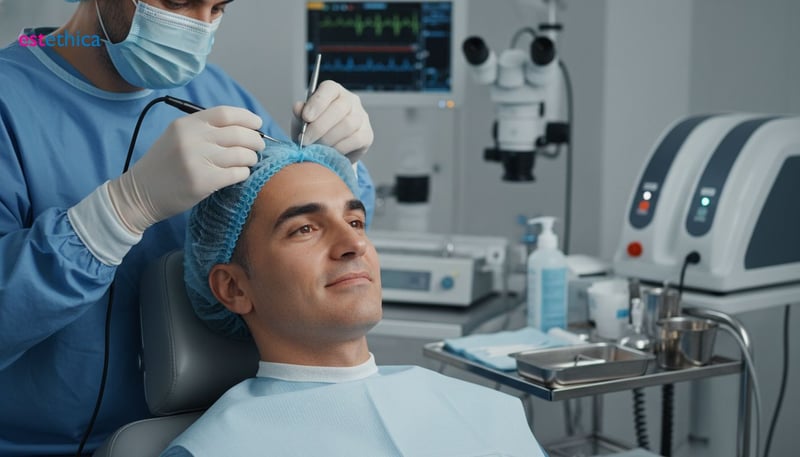
Modern advancements in hair restoration have largely centered around two primary techniques for harvesting follicular units: Follicular Unit Transplantation (FUT) and Follicular Unit Extraction (FUE). Both methods aim to achieve natural-looking results by transplanting individual follicular units, which are naturally occurring groups of 1-4 hairs. Understanding the differences between FUT and FUE is crucial for individuals considering a hair transplant. This section delves into the core aspects of these prominent surgical approaches.
Follicular Unit Transplantation (FUT)
Follicular Unit Transplantation, often referred to as the "strip method," involves the surgical removal of a thin, linear strip of scalp tissue from a donor area, typically the back or sides of the head. This strip is then meticulously dissected under high-powered microscopes by a skilled team. The dissection process isolates individual follicular units, ensuring their integrity for transplantation. The primary advantage of FUT often lies in its ability to yield a large number of grafts in a single session, making it suitable for individuals with extensive hair loss. The donor site is then closed using sutures or staples, which results in a linear scar that can usually be concealed by surrounding hair once it grows back. Recovery from FUT may involve a slightly longer healing period for the donor site compared to FUE.
Follicular Unit Extraction (FUE)
In contrast, Follicular Unit Extraction involves harvesting individual follicular units directly from the donor area using tiny, circular incisions. Specialized micro-punches, typically ranging from 0.7mm to 1.0mm in diameter, are used to extract each unit. This method leaves behind small, dot-like scars that are generally less noticeable and more easily hidden, even with very short hairstyles. FUE is often favored for its minimally invasive nature and potentially faster recovery for the donor area. It can be an excellent option for those who prefer to wear their hair short or have concerns about linear scarring. While FUE can also yield significant numbers of grafts, the process is more labor-intensive per graft compared to FUT.
Both FUT and FUE are effective hair transplant techniques, and the choice between them depends on a variety of factors, including the patient's degree of hair loss, donor hair availability, desired aesthetic outcome, and lifestyle. For those specifically seeking to enhance their facial profile, understanding the nuances of a Hairline Transplant: Natural Results, Renewed Confidence can be particularly beneficial. A thorough consultation with an experienced hair transplant surgeon is essential to determine the most appropriate approach for your individual needs and to ensure optimal results from your hair transplant procedure.

Advanced Follicular Unit Transplantation for Natural Hairline Restoration
Our approach to hair transplantation focuses on meticulous graft handling and precise placement, leveraging advanced techniques like Follicular Unit Transplantation (FUT) and Follicular Unit Extraction (FUE). We delve into the intricate details of hair graft procedures, ensuring each follicle is treated with utmost care from extraction to implantation.
Understanding the nuances of graft viability and survival rates is paramount. We utilize cutting-edge methods to enhance the health and integration of transplanted hair follicles, providing effective solutions for hair thinning and loss.
With a deep understanding of hair restoration science, our specialists are adept at restoring hairlines with natural-looking results. We are committed to offering comprehensive hair loss treatment options that address the unique needs of each individual.
Our expertise extends to optimizing hair graft survival, employing proven post-operative care protocols and innovative techniques to ensure successful and lasting outcomes for our patients.
Enhancing Hair Graft Survival Through Expert Care and Post-Operative Guidance
The journey of a hair graft is critical post-implantation, and we provide comprehensive guidance on post-operative care to maximize graft survival. Our methods are designed to nurture the scalp and promote the healthy integration of each implanted follicle.
We meticulously manage every aspect of the hair graft procedure, from understanding hair graft procedure details to implementing strategies that improve hair graft survival rates. This detailed focus ensures a higher likelihood of successful hair regrowth.
Patients seeking to improve their hair graft survival rates can trust our proven methodologies and expert support. We empower individuals with the knowledge and care needed for their transplanted hair to thrive.
Our focus on meticulous graft handling, advanced transplantation techniques, and dedicated post-operative care builds confidence and ensures that patients achieve their desired hairline restoration and a fuller head of hair.