


Explore advanced hairline transplant techniques for natural looking hair graft results. Understand the comprehensive hair transplant treatment process, best methods like FUE, and effective hair restoration options.
Considering a hair transplant for a revitalized appearance? You're not alone. Many individuals seek to restore their confidence through advanced hair restoration techniques. This guide delves into the nuances of the hair transplant treatment process, exploring the best hair transplant methods available today, and what you can expect regarding natural looking hair graft results. Whether you're curious about the FUE hair transplant procedure or understanding the different types of hair transplants, we'll cover the essential information to help you make an informed decision about hair graft surgery.Understanding the Hair Transplant Treatment Process
Embarking on the journey to achieve fuller, more youthful hair often begins with a crucial first step: a comprehensive consultation. This initial meeting with a specialist is fundamental to understanding the individualized approach to your hair restoration. During this session, an expert will meticulously assess your unique hair loss pattern, evaluate the overall health of your scalp, and engage in a detailed discussion about your aesthetic aspirations. Gaining a clear understanding of the hair transplant treatment process is paramount for setting realistic expectations and ensuring a successful outcome. This meticulous procedure typically involves the careful extraction of healthy hair follicles from a designated donor area, most commonly situated at the back or sides of the head where hair possesses a natural resistance to thinning. These vital follicles are then delicately and precisely implanted into the areas experiencing thinning or baldness. This intricate technique is designed to ensure that the transplanted hair grows in a manner that appears entirely natural.
The Procedural Journey
The actual duration of the hair transplant procedure can vary significantly. It might range from a few hours for less extensive cases to an entire day for those requiring a more substantial number of grafts. This variability is largely dependent on the scope of the transplant and the specific techniques employed. Following the surgical phase, the post-operative care regimen plays an equally vital role in the overall success of the treatment. Adhering strictly to the provided instructions is essential for promoting optimal healing and maximizing the survival rate of the transplanted grafts. This aftercare phase is critical for achieving the desired natural looking hair graft results. For those interested in delving deeper into the advanced methodologies that contribute to these outcomes, exploring our guide on Hair Transplant: Revitalize Your Look with Advanced Techniques can provide valuable insights into the innovative approaches available today, further enhancing the prospect of achieving aesthetically pleasing and natural looking hair graft results.
Preparing for Your Procedure
Before undergoing a hairline transplant, thorough preparation is key. The consultation phase helps in determining the most suitable approach, whether it’s a comprehensive hairline transplant or addressing other areas of concern. Understanding the donor site characteristics and the recipient area's needs allows the surgeon to plan the optimal density and distribution of follicular units. A well-executed hairline transplant can dramatically rejuvenate your appearance, creating a balanced and aesthetically pleasing facial frame. It is this careful planning and execution that underpins the success of any hair transplant procedure.
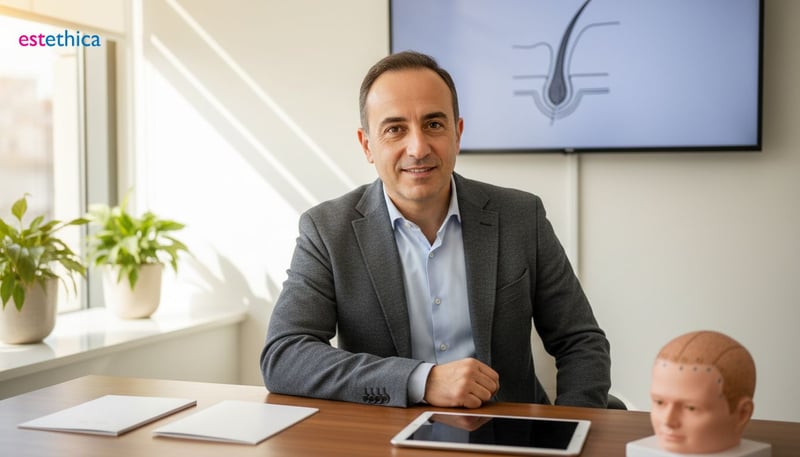
Exploring Best Hair Transplant Methods: FUE Explained
When considering the path to fuller, more youthful hair, understanding the leading techniques is paramount. Among the most advanced and sought-after procedures available today is Follicular Unit Extraction, commonly known as FUE. This method represents a significant leap forward in the field of hair transplant, offering a minimally invasive approach to address hair loss effectively.
Understanding the FUE Technique
The core of the FUE hair transplant method lies in its precision. Unlike older techniques that involved removing a strip of scalp, FUE involves the extraction of individual hair follicles directly from the donor area, typically the back or sides of the head. These follicles are then meticulously transplanted into the thinning or bald areas. The extraction process utilizes tiny, circular punches, usually measuring less than one millimeter in diameter. This highly localized approach ensures that the donor area heals rapidly, leaving behind minimal scarring that is often imperceptible, especially once the surrounding hair grows out. Patients often choose this method for its ability to deliver very natural looking hair graft results with a quick recovery period, allowing them to return to their daily activities sooner.
FUE vs. Other Methods and Key Considerations
While FUE stands out for its minimally invasive nature, it's important to note its comparison to other established procedures like Follicular Unit Transplantation (FUT). FUT involves removing a thin strip of donor hair, which is then microscopically dissected into follicular units for transplantation. The choice between FUE and FUT often hinges on various factors, including the degree of hair loss, the patient's desired outcome, and the surgeon's expert recommendation. For individuals seeking a subtle yet impactful improvement, particularly around the frontal area, understanding options like a Hairline Transplant: Restore Your Look with Expert Care is crucial. This specific application of transplant techniques focuses on achieving a youthful and aesthetically pleasing hairline, a common goal for many undergoing hair restoration. The meticulous nature of FUE makes it an excellent choice for achieving refined and natural looking hair graft results, especially when aiming for a perfectly sculpted hairline. The overall goal of any hair transplant procedure, whether FUE or FUT, is to provide a permanent solution for thinning hair and create a rejuvenated appearance. The success of any hair transplant ultimately depends on the skill of the surgeon and the careful planning of the procedure to match the patient's unique hair characteristics.
Achieving Natural Looking Hair Graft Results
The ultimate aim of any hair transplant procedure is to achieve natural looking hair graft results that are virtually indistinguishable from your original hair. This impressive outcome is not accidental; it’s the product of meticulous planning, artistic skill, and advanced techniques employed by experienced surgeons. A critical element in this process is the careful consideration of the hairline. Surgeons analyze various factors, including your age, facial structure, and the existing pattern of hair growth, to design a hairline that is both aesthetically pleasing and age-appropriate. This ensures the transplanted hair blends seamlessly, creating a youthful and revitalized appearance.
The Art and Science of Graft Placement
Skilled surgeons meticulously place each individual hair graft to replicate the natural density, angle, and direction of your original hair growth. The artistry lies in creating a subtle, undetectable transition between the transplanted areas and the existing hair. This requires a deep understanding of hair anatomy and a keen eye for detail. The goal is to achieve a result that looks completely natural, even upon close inspection. Over time, the transplanted follicles mature and begin to produce healthy, robust hair. This naturally growing hair then blends perfectly with your existing strands, significantly boosting confidence and restoring a youthful appearance. The success of the procedure is further enhanced by adhering to proper aftercare guidelines, which are crucial for the successful integration of these grafts and to ensure optimal, long-lasting outcomes.
Key Factors for Natural Results
Achieving truly natural looking hair graft results depends on several crucial factors. The design of the frontal hairline is paramount; a poorly designed hairline can appear artificial. Therefore, a detailed consultation is essential to establish the ideal hairline based on individual characteristics. The density achieved is another vital aspect. While transplanting too much hair can look unnatural, too little can fail to provide adequate coverage. Surgeons aim for a density that mimics the original hair pattern, ensuring a balanced and realistic look. The angle and direction of implanted grafts are also critical; hair grows at specific angles, and replicating this is key to a natural appearance. For those considering advanced hairline work, exploring resources like Hairline Transplant: Achieving Natural-Looking Hair Restoration can provide valuable insights into specialized techniques.
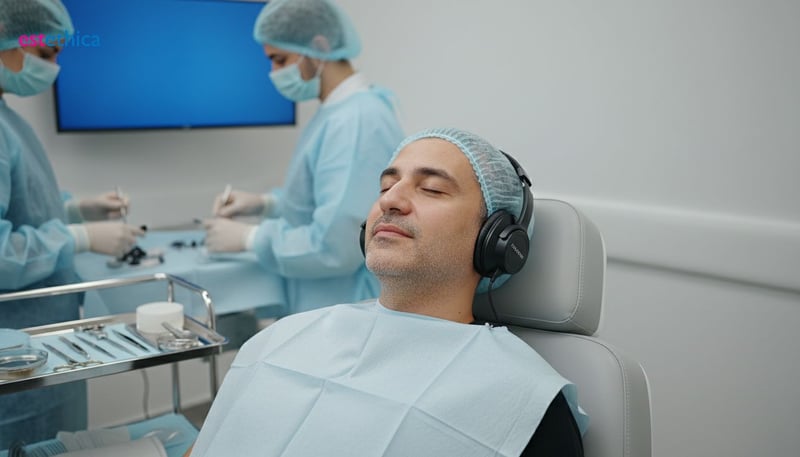
Your Guide to Hair Restoration and Graft Surgery
Embarking on the journey of hair restoration is a significant step towards reclaiming a fuller, more confident appearance. At its core, hair graft surgery is a sophisticated medical procedure designed to address hair loss with precision. Understanding the nuances of these techniques empowers you to make informed decisions and engage in productive discussions with your provider. For a deeper dive into specific applications, consider exploring the comprehensive guide on Hair Transplant: Expert Guide to Hairline Restoration, which sheds light on the intricacies of reshaping hairlines.
Understanding the Procedures
While various approaches exist, two primary methods dominate the field: Follicular Unit Transplantation (FUT) and Follicular Unit Extraction (FUE). FUT involves the removal of a strip of scalp tissue, from which individual follicular units are then harvested. In contrast, FUE extracts individual follicular units directly from the donor area, leaving behind a series of tiny, virtually unnoticeable scars. Both techniques aim to achieve natural looking hair graft results by carefully placing these units into areas of thinning or balding. The choice between these methods often depends on individual hair loss patterns, desired outcomes, and the advice of a qualified specialist. Your consultation will help determine the most suitable option for your unique circumstances.
The Journey to Full Results
A common question revolves around how long does a hair transplant take to complete. While the surgical procedure itself can vary in duration, typically ranging from a few hours to a full day, the real timeline is in the recovery and regrowth. The initial recovery period is generally quite manageable, with most individuals able to return to their normal daily activities within a week or two. However, patience is a crucial virtue in this process. The transplanted hairs enter a resting phase before new growth begins. It takes several months for the full effects of the hair transplant to become apparent, as the transplanted follicles mature and produce thicker, more visible hair. Achieving natural looking hair graft results is a gradual transformation that culminates over time, revealing a significantly improved density and appearance. This meticulous process ensures that your hair transplant delivers aesthetically pleasing outcomes. The overall hair transplant experience is one of careful planning, skilled execution, and patient anticipation of the final, revitalized look. Each hair transplant is a testament to the advancements in cosmetic surgery, offering a viable solution for many experiencing hair loss.

FUE Hair Transplant: Precision for Natural-Looking Hair Graft Results
The FUE (Follicular Unit Extraction) hair transplant method is a cornerstone of modern hair restoration, known for its precision in extracting individual follicular units. This advanced technique ensures minimal invasiveness and is pivotal in achieving natural looking hair graft results. Our approach focuses on detailed assessment and meticulous execution of the FUE procedure to restore density and hairline with exceptional accuracy.
Understanding the FUE technique involves appreciating its ability to harvest grafts from donor areas without leaving linear scars. This makes it a leading choice for individuals seeking a discreet and effective hair transplant treatment process. We specialize in optimizing FUE for superior outcomes and patient comfort.
Our specialists possess in-depth knowledge of hair loss causes and the most effective hair transplant methods. We are dedicated to continuous learning and the application of innovative techniques within hair restoration. This commitment ensures that patients receive guidance rooted in extensive experience and a deep understanding of achieving natural looking hair graft results.
We are adept at explaining the intricacies of hair graft surgery, from the initial consultation to the final stages of recovery. Our expertise extends to tailoring treatment plans, ensuring each patient's unique needs and aesthetic goals are met with the highest standards of care in hair restoration.
Your Comprehensive Guide to Hair Transplant Treatment and Graft Surgery
Embarking on the journey to achieve fuller, more youthful hair often begins with a crucial first step: a comprehensive consultation. This initial meeting with a specialist is fundamental to understanding the individualized approach to your hair restoration. We ensure transparency and a clear understanding of the hair transplant treatment process from the outset.
Before undergoing a hairline transplant, thorough preparation is key. We provide detailed guidance on pre-procedure protocols to optimize results and ensure a smooth experience. This meticulous preparation is part of our commitment to a trustworthy and effective hair transplant treatment process.
The journey to fuller, more youthful hair involves understanding the leading techniques, such as FUE hair transplant. We demystify the hair transplant treatment process, making it accessible and understandable for all patients. Our goal is to empower you with knowledge for confident decision-making regarding hair graft surgery.
The actual duration of the hair transplant procedure can vary significantly, and we manage patient expectations by providing realistic timelines and outlining what to expect during the hair graft surgery. Embarking on the journey of hair restoration is a significant step towards reclaiming a fuller, more confident appearance, and we are here to guide you with integrity and expertise.