

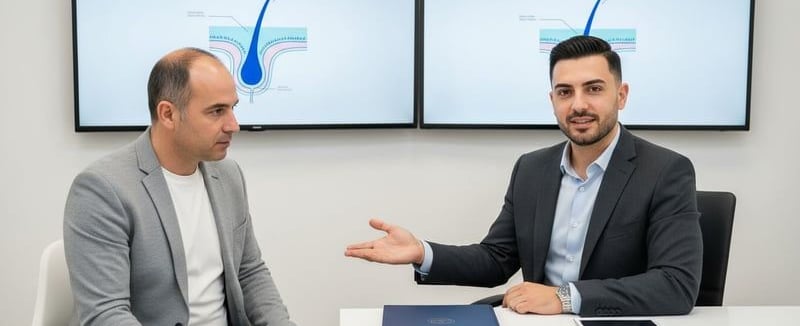
This comprehensive guide explores hairline transplant procedures, emphasizing graft importance, surgical options, and achieving natural-looking results. Understand the process and factors influencing outcomes.
Considering a hair transplant to regain your confidence and a fuller head of hair? This guide delves into the essential aspects of hairline transplant procedures, helping you understand what to expect and how to achieve natural looking hair transplant results. From the crucial role of hair transplant graft importance to exploring the best hairline restoration surgery options, we cover the key factors that contribute to successful hair restoration. Whether you're curious about the hair follicle transplant process or the current pricing, this content aims to provide clarity and empower your decision-making journey.Understanding the Hair Transplant Graft Importance
The journey towards regaining a fuller head of hair through a hair transplant procedure is a significant undertaking. While many factors contribute to its success, the pivotal element rests squarely on the health and viability of the individual grafts. Understanding the hair transplant graft importance is not merely a detail; it's fundamental to achieving satisfactory and enduring results. A graft, in this context, is a minute unit of tissue meticulously extracted, typically containing one or more hair follicles. These tiny biological packages are the building blocks of your new, denser hair. The entire process, from their careful removal to their precise placement, directly dictates the aesthetic outcome and the overall success of the intervention.
The Critical Role of Graft Quality
Clinics that distinguish themselves in the field of hair restoration place an unwavering emphasis on meticulous techniques designed to protect these vital components. By prioritizing optimal conditions throughout the extraction and implantation phases, they significantly enhance the probability of high hair graft survival rate. This, in turn, is the cornerstone for achieving dense, seamless, and natural looking hair transplant results. The skill and experience of the surgeon play an irreplaceable role here; a gentle touch and a deep understanding of follicular anatomy are crucial. Furthermore, the advanced technology employed by a reputable clinic, coupled with diligent post-operative care instructions provided to the patient, all synergistically contribute to ensuring these delicate units not only survive but thrive, ultimately leading to a rejuvenated and aesthetically pleasing appearance.
From Extraction to Natural Growth
The lifespan and effectiveness of each transplanted hair follicle are directly tied to how it's handled. The process begins with the careful harvesting of grafts from a donor area, often the back or sides of the scalp where hair is typically more resistant to balding. Subsequent to extraction, the grafts must be kept in a specialized nutrient solution at precise temperatures to maintain their vitality. The surgeon then implants these grafts into the recipient area, paying close attention to angle, depth, and density to mimic natural hair growth patterns. This intricate dance between preservation and placement is what differentiates a mediocre outcome from truly exceptional, natural looking hair transplant results. For those considering procedures like hairline transplant, understanding this graft-centric approach is key to setting realistic expectations and appreciating the expertise involved. If you are interested in how hairline aesthetics are addressed, consider exploring resources like Hair Transplant: Expert Guide to Hairline Restoration, which delves into the nuances of creating a refined appearance.
The science and art of a successful hair transplant are deeply rooted in the careful management of each individual graft. Whether the goal is a full scalp restoration or a subtle hairline transplant refinement, the commitment to graft quality and survival remains the ultimate determinant of a positive patient experience and a visually stunning transformation. A well-executed hairline transplant relies on these foundational principles.
The Best Hairline Restoration Surgery Options
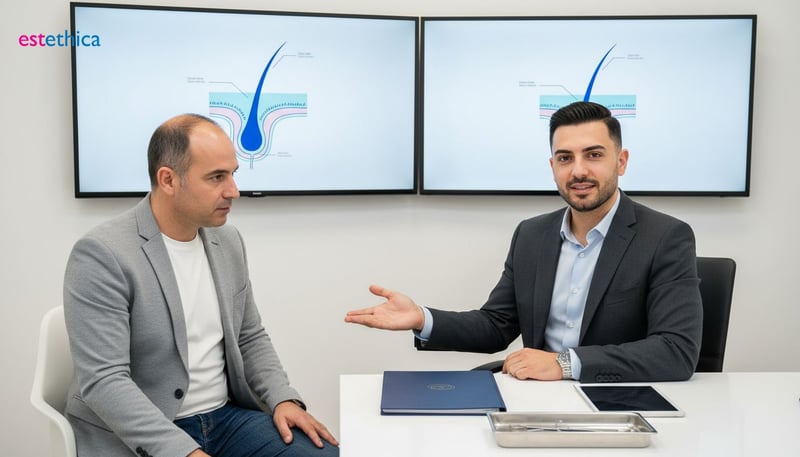
For individuals experiencing a receding hairline, exploring the most effective hairline restoration surgery options is a pivotal step towards regaining a fuller head of hair. Fortunately, advancements in cosmetic surgery have made these procedures more refined and natural-looking than ever before. The two primary surgical techniques widely employed today are Follicular Unit Transplantation (FUT) and Follicular Unit Extraction (FUE). Understanding the nuances of each approach is key to making an informed decision.
Understanding Surgical Techniques
Follicular Unit Extraction (FUE) is a minimally invasive technique where individual follicular units, typically containing one to four hairs, are meticulously extracted directly from donor areas of the scalp. These extracted units are then carefully transplanted to the thinning or balding areas to rebuild the hairline. A significant advantage of FUE is that it leaves behind very small, virtually unnoticeable dot scars, allowing for shorter haircuts without obvious signs of the procedure. This method often appeals to patients concerned about scarring or those who prefer non-surgical appearance.
Conversely, Follicular Unit Transplantation (FUT), sometimes referred to as strip harvesting, involves the removal of a thin strip of scalp tissue from a donor area, usually the back or sides of the head. This strip is then dissected under high magnification by skilled technicians to isolate individual follicular units. These grafts are subsequently placed into tiny incisions made in the recipient area, carefully designed to mimic a natural hairline. While FUT can yield a large number of grafts in a single session, it does result in a linear scar where the strip was removed. The choice between FUE and FUT often hinges on a patient’s specific hair loss pattern, the density of their donor hair, their lifestyle, and their tolerance for scarring. Consulting with a specialist can help determine the most suitable procedure for achieving seamless and natural looking hair transplant results, ensuring a restored appearance with high patient satisfaction. The meticulous placement of each graft is crucial for the final aesthetic outcome of any hairline transplant.
Achieving Natural Results
Regardless of the chosen surgical method, the ultimate goal of a hairline transplant is to achieve a result that is both aesthetically pleasing and indistinguishable from natural hair growth. This involves not only the careful extraction and implantation of grafts but also a deep understanding of hair growth cycles and natural hairline design. A skilled surgeon will consider the angle, direction, and density of the transplanted hair to ensure it blends seamlessly with the existing hair. The importance of the hair graft itself cannot be overstated; the health and viability of each graft directly influence the success of the procedure. For a deeper dive into the specifics of these crucial components, exploring details on Hairline Transplant: Your Guide to Hair Graft Details can provide valuable insights. Achieving aesthetically pleasing and natural looking hair transplant results requires a combination of surgical expertise and artistic vision. A well-executed hairline transplant can significantly boost confidence and dramatically enhance one's appearance.
Achieving Natural Looking Hair Transplant Results
The ultimate aim of any modern hair transplant procedure is to achieve results that are so authentic, they are virtually indistinguishable from your original, natural hair growth. This impressive level of realism hinges on several critical factors that experienced surgeons meticulously consider. The journey towards naturally looking hair transplant results begins with a profound understanding of artistry and science, ensuring every transplanted follicle contributes to a seamless and rejuvenated appearance.
The Art of the Hairline Design
One of the most significant elements in creating a natural appearance is the hairline design. A well-designed hairline is crucial for framing the face and achieving a youthful, balanced look. Surgeons don't just lower a receding line; they carefully assess the patient's facial structure, age, and even gender to craft a bespoke hairline. This involves creating subtle variations in density and a slightly irregular, feathered edge rather than a sharp, artificial straight line. The goal is to mimic the natural progression of hairlines that have remained untouched by balding. For those considering this crucial aspect, exploring Expert Hair Transplant & Hairline Restoration: Natural Results can provide valuable insights into the sophisticated techniques employed.
Graft Placement and Angulation
Beyond the hairline itself, the precise placement, angle, and distribution of each individual hair graft are paramount. Natural hair does not grow in perfectly straight rows or at a uniform angle. Instead, it emerges in clusters and at varying angles relative to the scalp. A skilled surgeon will replicate these natural growth patterns, ensuring that the transplanted hairs emerge at the correct angle and in the appropriate direction. This meticulous attention to detail prevents an artificial or "pluggy" look, allowing the new hair to blend seamlessly with the existing hair. The density achieved also plays a vital role; too little density can make the results appear sparse, while excessive density might look unnatural. Balancing these elements is key to a successful hairline transplant.
The success of a hair transplant is ultimately measured by its ability to restore not just hair, but confidence. Achieving natural looking hair transplant results requires a synergy of surgical expertise, artistic vision, and a deep respect for the intricate beauty of natural hair growth. Every element, from the initial consultation and hairline sketching to the final placement of each individual hair graft, is a step towards creating an outcome that is both undetectable and deeply satisfying for the patient. A well-executed hairline transplant is an investment in lasting aesthetic harmony.
What is a Hair Graft and Why Hair Follicle Transplant Matters
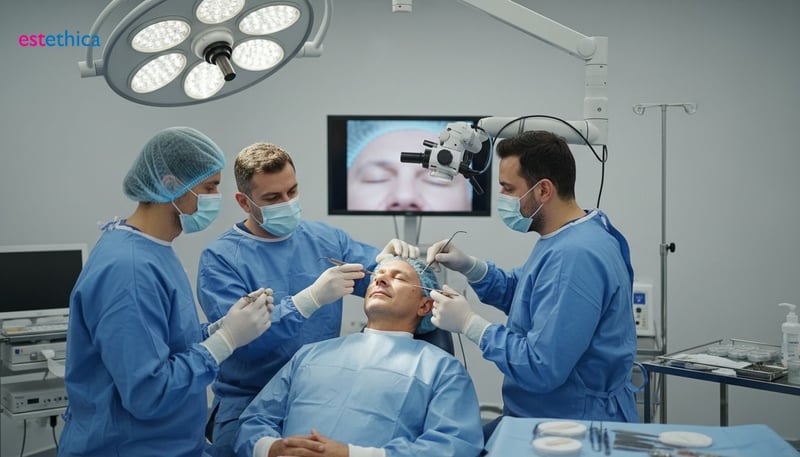
Understanding the fundamental components of hair restoration is key to appreciating the effectiveness of modern hair replacement techniques. At the heart of these procedures lies the concept of a hair graft. A hair graft is essentially a tiny unit of tissue containing one or more hair follicles. These follicles are the structures within the skin responsible for growing hair. In the context of a hair transplant, these grafts are meticulously harvested from areas of the scalp where hair is naturally dense and resistant to balding – typically the donor region at the back and sides of the head.
The Microscopic Unit of Restoration
The success of any hair restoration procedure hinges on the health and viability of these harvested grafts. Each graft can contain anywhere from one to four individual hair follicles. Skilled surgeons carefully extract these units using advanced techniques, preserving their integrity. The subsequent implantation into areas experiencing thinning or baldness is a delicate process. The aim is to strategically place each graft to achieve a dense, full, and most importantly, a natural-looking appearance. This attention to detail at the graft level is what differentiates a successful outcome from a less satisfactory one. It's this precise micro-surgical approach that forms the bedrock of effective hair restoration.
Why Follicle Health is Paramount
A successful hair transplant is measured not just by the number of grafts transplanted, but by the number of those grafts that successfully take root and produce new hair growth. This is often referred to as the graft survival rate. When a surgeon prioritizes the health of each individual hair follicle during extraction and implantation, the likelihood of these follicles thriving in their new location significantly increases. This meticulous process ensures that the transplanted hairs will grow strong and mature, contributing to the overall density and a naturally aesthetic outcome. For those considering a hairline transplant, understanding this crucial aspect is vital. A well-executed hairline transplant relies heavily on the viability of the grafts, ensuring that the newly established hairline appears seamless and permanent. Achieving natural looking hair transplant results is a testament to the surgeon's skill in preserving and implanting healthy hair grafts. Furthermore, when focusing on a precise hairline transplant, the strategic placement and quality of each graft directly influence the final aesthetic, making it a critical element for patient satisfaction.
Advanced Hair Grafting Techniques for Natural Hairline Restoration
Understanding the critical role of individual hair grafts is fundamental to achieving natural-looking hair transplant results. Expertise lies in meticulous extraction, preservation, and placement of each hair follicle to ensure viability and promote successful growth.
Our approach emphasizes advanced techniques designed to protect the integrity of each hair follicle throughout the transplantation process. This dedication to detail from extraction to natural growth ensures the best possible outcome for hairline restoration.
We showcase deep expertise in the science and art of successful hair transplantation, rooted in the careful management of each individual graft. This focus ensures every procedure aims for enduring and aesthetically pleasing results.
Our commitment extends to educating patients on why hair follicle transplant matters, highlighting the microscopic unit of restoration and the paramount importance of follicle health for successful hair restoration.
Exceptional Hair Graft Management for Optimal Hair Follicle Density
Achieving natural-looking hair transplant results hinges on the art of hairline design and precise graft placement. We meticulously consider the angle and distribution of each individual hair graft to create a seamless, natural appearance.
The journey towards regaining a fuller head of hair through a hair transplant procedure is a significant undertaking. Trust is built through transparent guidance and a commitment to maximizing hair follicle density through superior graft management.
The success of a hair transplant is ultimately measured by its ability to restore not just hair, but confidence. We empower patients by providing clarity on the hair transplant cost overview and detailing what influences hair graft success.
Our comprehensive guide to hairline restoration surgery ensures patients understand the process, focusing on achieving a result that is both natural and enduring, enhancing overall well-being.