


Learn about hair transplant procedures, including FUE, graft calculations, and the recovery timeline. Discover effective hair restoration solutions.
Are you considering a hair transplant to regain a fuller head of hair? This comprehensive guide delves into what a hair transplant entails, the best methods available today, understanding hair graft counts, and the crucial aspects of the hair transplant recovery process. Whether you're exploring hairline transplant options or seeking effective hair loss treatment, this content will equip you with the knowledge to make informed decisions about hair restoration.What is a Hair Transplant? Understanding the Basics
A hair transplant is a sophisticated surgical procedure designed to address hair loss and thinning by redistributing hair follicles. The fundamental principle involves taking healthy hair from areas of the scalp that have abundant growth, commonly referred to as the donor region (typically the back and sides of the head), and transplanting them to areas experiencing baldness or significant thinning. This meticulous process aims to create a seamless and natural-looking outcome by carefully placing individual follicular units into tiny incisions made in the recipient sites. For individuals considering effective solutions, understanding this procedure is the crucial first step towards regaining a fuller head of hair. Many turn to a hairline transplant to restore a more youthful and aesthetically pleasing facial frame.
The Core Process Explained
At its heart, a hair transplant involves two main phases: harvesting and implantation. During the harvesting phase, skilled surgeons carefully extract follicular units from the donor area. These units, which naturally contain one to four hairs, are then meticulously prepared under magnification. The implantation phase is equally critical. Small incisions are made in the balding areas of the scalp, and the harvested follicular units are strategically placed within these sites. The angle, direction, and density of placement are paramount to achieving a natural appearance, mimicking the original growth pattern of the hair. This technique is a form of hair restoration, offering a permanent solution for many experiencing progressive baldness.
Achieving Natural Aesthetics
The success of any hair transplant lies not just in the regrowth of hair, but in how naturally it integrates with existing hair. Advanced techniques focus on creating a discreet hairline that complements facial features, making a hairline transplant a popular choice for those seeking rejuvenation. The goal is always to provide results that are virtually indistinguishable from naturally occurring hair. Exploring the Expert Hair Transplant & Hairline Restoration: Natural Results can offer deeper insight into the artistry involved. Selecting from the best hair transplant methods ensures that the procedure is tailored to individual needs, maximizing both the aesthetic outcome and the longevity of the transplanted hair. The precision involved in a hairline transplant is key to restoring confidence and a youthful appearance.
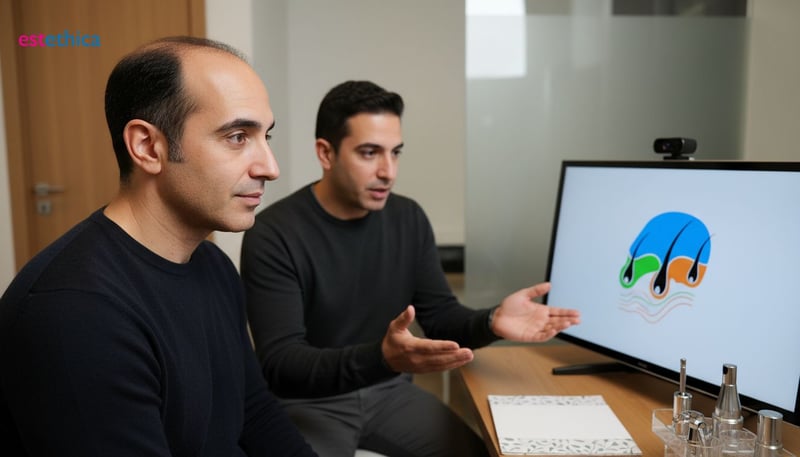
Best Hair Transplant Methods: FUE Explained
When exploring the best hair transplant methods available today, Follicular Unit Extraction, commonly known as FUE, consistently emerges as a leading technique. This sophisticated procedure has significantly advanced the field of hair restoration, offering a minimally invasive solution for individuals experiencing hair thinning or baldness. Unlike older methods that involved removing a strip of donor tissue, FUE works by extracting individual follicular units directly from the scalp using specialized micro-instruments. This precise extraction minimizes trauma to the donor area, a crucial aspect for natural-looking results and efficient healing.
The FUE Procedure: Precision and Natural Outcomes
The beauty of the FUE technique lies in its meticulous approach. Each follicular unit, which can contain one to several hairs, is carefully harvested one by one from areas of the scalp where hair is denser, typically the back and sides. These extracted units are then meticulously implanted into the recipient areas experiencing hair loss. The surgeon's skill in placing these grafts is paramount to achieving a natural density and ensuring the transplanted hair grows in the intended direction, mimicking the natural pattern of hair growth. This method is particularly favored for its ability to produce results that are virtually undetectable as having undergone a procedure. For those interested in enhancing their appearance through specific applications of these techniques, further reading on Hairline Transplant: Natural Hair Graft Restoration can provide valuable insights into specialized procedures.
Advantages of FUE Technology
One of the primary advantages of FUE is its less invasive nature, which often translates to a smoother and faster recovery process compared to traditional methods. Patients typically experience less discomfort and can often return to their normal activities sooner. The scarring associated with FUE is minimal and consists of tiny, punctate marks that are usually imperceptible once the hair grows back. This makes FUE an excellent choice for individuals who prefer shorter hairstyles or want to avoid linear scarring. The precision offered by FUE also allows for a high degree of control over graft placement, contributing to the aesthetically pleasing and natural-looking outcomes that make it one of the best hair transplant methods for many candidates. A successful hair transplant, regardless of the method, hinges on meticulous planning and execution to achieve the desired density and coverage.
Hair Graft Count Explained: How Many Grafts Do You Need?
Determining the correct number of hair grafts is a cornerstone of a successful hair transplantation procedure. Understanding what a 'graft' entails is the first step. Generally, a single hair graft refers to a small segment of scalp tissue that contains anywhere from one to four individual hair follicles. The precise quantity needed for your specific case isn't a one-size-fits-all figure; it's highly individualized. Factors such as the extent of your hair thinning or baldness, the density you wish to achieve in the recipient area, and crucially, the health and density of your donor area all play a significant role in this calculation.
A thorough professional consultation is paramount. During this assessment, a skilled surgeon will evaluate these critical factors to provide an accurate estimate of the number of grafts required. This detailed understanding helps in setting realistic expectations regarding the scope of the procedure and the potential aesthetic outcome of your hair restoration journey. For those interested in exploring the various techniques available, you can learn more by reading our article on Hair Transplant & Plantation: Achieve Natural Results, which delves into different approaches and their benefits.
Estimating Your Graft Needs
The number of grafts can vary dramatically between individuals. For instance, someone looking to subtly enhance their hairline might require a few hundred grafts, whereas a larger area of significant baldness could necessitate several thousand. The goal is to achieve a natural-looking density that balances the available donor hair with the area requiring treatment. It’s about artistry as much as it is about surgical precision, ensuring a harmonious and rejuvenated appearance. The choice of technique, such as follicular unit transplantation (FUT) or follicular unit extraction (FUE), can also influence how grafts are harvested and the overall result, but the fundamental need for an accurate count remains.
Graft Count Comparison: Typical Scenarios
To provide a clearer picture, here’s a general comparison of graft counts for common areas. Remember, these are approximations, and a personal consultation is essential for precise figures.
Choosing the right approach and understanding your graft needs are the first steps toward achieving your desired outcome. Consulting with experienced professionals will guide you through these decisions, ensuring you are well-informed about the best hair transplant methods and what to expect throughout your journey.
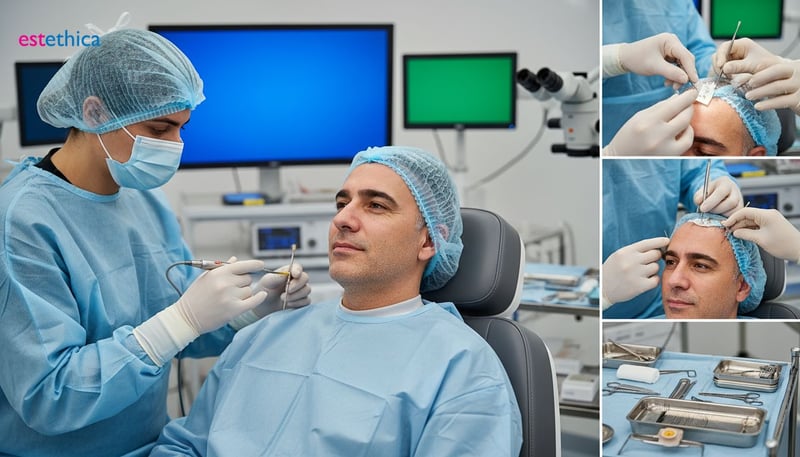
Hair Transplant Recovery Process: What to Expect
The journey to regaining a fuller head of hair extends beyond the surgical procedure itself. Understanding the hair transplant recovery process is crucial for managing expectations and ensuring optimal results. Immediately following your surgery, it's normal to experience some minor swelling and slight discomfort in the treated areas. Your medical team will provide specific post-operative care instructions, but generally, resting and avoiding strenuous physical activities for the first week is highly recommended. This period allows the delicate scalp tissues to begin healing without undue stress.
During this initial phase, you will likely observe small crusts or scabs forming at the sites where the hair follicles were implanted. These are a natural part of the healing process and should not be picked at. They will shed on their own over the following days. It's important to follow any prescribed washing routines carefully to keep the area clean and promote healing.
The Resting Phase and New Growth
Following the initial healing, the transplanted hairs will enter a resting phase. This means that shedding of these transplanted hairs is common and expected within the first few weeks. While this might seem counterintuitive, it's a normal part of the hair growth cycle. The follicles themselves remain intact beneath the skin, preparing for new growth. This dormant period can last for several weeks to a couple of months.
The excitement truly begins when new growth starts to emerge. Typically, you can expect to see the initial signs of new hair growth within three to four months post-procedure. The transplanted hairs will gradually become thicker and denser. For those interested in the nuances of techniques that achieve these results, further reading on Hair Transplant: Expert Guide to Hairline Restoration can offer valuable insights into achieving a natural-looking aesthetic. Patience is a virtue throughout this entire period, as the full, final outcome of your hair restoration journey can take anywhere from 12 to 18 months to fully materialize. This gradual transformation ensures a natural and robust result from your initial hair transplant.

Precision Hair Grafting with Advanced FUE Technique
This guide meticulously explains the Follicular Unit Extraction (FUE) method, a leading technique in hair restoration that prioritizes precision and natural-looking outcomes. The FUE procedure involves the meticulous extraction of individual follicular units, ensuring minimal disruption and optimal graft viability for seamless integration.
Expertise in FUE ensures that each hair graft is carefully transplanted to create a natural aesthetic, aligning with the goal of restoring a fuller head of hair. Understanding the intricacies of FUE is crucial for individuals seeking the best hair transplant methods available today.
Our commitment to excellence in hair restoration services is demonstrated through a deep understanding of advanced hair transplant procedures like FUE. We provide detailed insights into what constitutes a hair transplant and how it addresses thinning hair and baldness through expert application.
The content offers comprehensive guidance on understanding the basics of hair transplantation, the nuances of hair graft counts, and the vital steps in the hair transplant recovery process, showcasing our authoritative approach to hair loss solutions.
Your Trusted Guide to Understanding Hair Transplant Procedures and Recovery
This comprehensive hair transplant guide builds trust by demystifying the entire process, from understanding what is a hair transplant procedure to the specifics of hair graft count and recovery. We provide clear explanations designed to build patient confidence.
The content prioritizes transparency in explaining the hair transplant cost guide and the vital factors influencing it. This commitment to clear communication fosters a trusting relationship with potential patients seeking hair restoration services.
We detail what to expect during the hair transplant recovery process, including the crucial resting phase and subsequent new growth. This detailed overview assures potential patients of our thorough approach and commitment to their successful hair restoration.
Our emphasis on understanding hair grafts and estimating graft needs through professional consultations builds trust by ensuring patients are fully informed about the personalized nature of their hair transplant, making us a reliable choice for top hair transplant options.