


This comprehensive guide covers hair transplant procedures, focusing on FUE techniques, achieving natural results, the recovery process, and advanced hair loss treatments for effective hair restoration.
Are you seeking a solution to hair loss and looking to restore a youthful appearance? A hair transplant offers a permanent and effective way to regain lost confidence and achieve a fuller head of hair. This guide delves into the intricate details of hair graft surgery, explores the art of achieving natural-looking hair transplant results, and outlines the essential hair transplant recovery process. Whether you're considering a hairline transplant or seeking comprehensive hair restoration, understanding the procedure, success rates, and healing timeline is crucial for informed decision-making. Explore the latest advancements in hair loss treatment designed to give you the confidence you deserve.FUE Hair Graft Surgery Details & Success Rates
Follicular Unit Extraction (FUE) stands as a leading technique in modern hair transplantation, celebrated for its minimally invasive nature and its remarkable ability to produce natural-looking outcomes. This advanced method involves the meticulous harvesting of individual follicular units – small clusters of one to four hairs – directly from a donor area, most commonly the back or sides of the scalp where hair is genetically resistant to thinning. These harvested units are then carefully transplanted to the areas experiencing thinning or baldness.
The precision involved in FUE is paramount. Each hair graft is selected and positioned by skilled surgeons to precisely mimic the natural growth direction, density, and pattern of your existing hair. This level of detail is crucial for achieving an aesthetically pleasing and seamless result. Understanding the specifics of FUE hair graft surgery details is essential for appreciating its efficacy and the natural appearance it can restore. For those interested in the broader scope of these procedures, exploring "Hair Transplant & Hairline Restoration: Achieve Natural Results" offers valuable insights into achieving desirable outcomes.
Understanding FUE Procedure Specifics
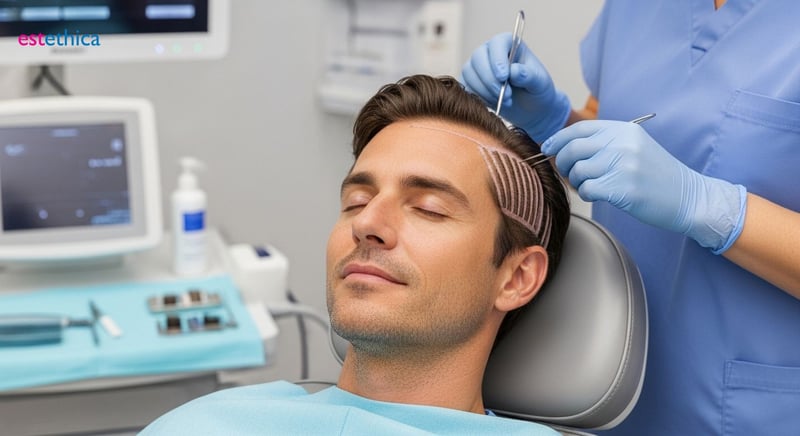
The FUE process begins with the donor area being carefully prepared, often with a local anesthetic. Using specialized micro-instruments, individual follicular units are extracted one by one. This differs from older strip methods (FUT) as it avoids a linear incision, leading to minimal scarring that is typically undetectable once the hair grows back. The extracted grafts are then prepared under magnification before being meticulously implanted into tiny recipient sites created in the balding or thinning areas of the scalp. The number of grafts transplanted can vary significantly depending on the extent of hair loss and the desired density.
FUE Hair Graft Success Rates and Factors
When it comes to FUE hair graft surgery details, success rates are generally very high, often exceeding 90-95%, provided the procedure is performed by experienced and qualified surgeons employing appropriate techniques. Several factors contribute to these impressive success rates. The inherent quality of the donor hair plays a significant role; thicker, healthier donor hair generally yields better results. Equally important is the skill and precision of the surgeon performing the operation, including their ability to handle and implant the grafts optimally to ensure survival. Proper post-operative care by the patient is also a critical component; adhering to the surgeon's instructions regarding washing, activity, and medication is vital for healing and graft integration. The consensus within the medical community is that when performed correctly, an FUE hair transplant offers a reliable and long-lasting solution for individuals dealing with hair loss.

Natural Looking Hair Transplant Results Achieved
The ultimate goal of any hair restoration procedure is to achieve results that are virtually indistinguishable from your original hair. This artistry involves meticulous planning, with a keen eye on creating a perfectly sculpted hairline. When designing your new hairline, experienced surgeons consider a multitude of factors, including your facial symmetry, age, and gender. The aim is to craft a look that is not only aesthetically pleasing but also harmonizes seamlessly with your unique features, ensuring a natural and balanced appearance.
The Artistry of Graft Placement
Achieving truly natural looking hair transplant results is a detailed process that begins with the careful mapping of the recipient area. Surgeons pay close attention to the precise angulation, direction, and density of each transplanted graft. This level of detail is crucial for mimicking the way natural hair grows. The Follicular Unit Extraction (FUE) technique, for instance, excels in creating these subtle yet significant details. It allows for a seamless integration of the transplanted hairs with your existing hair, making the results appear completely organic. Understanding the intricacies of hair graft surgery details is key to appreciating the skill involved.
Ensuring Graft Viability for Lasting Results
Beyond the placement, the success of a hair transplant hinges on the ability of the harvested hair grafts to thrive post-transplantation. Experienced professionals employ advanced techniques and protocols to maximize graft survival rates. This involves careful extraction, meticulous handling, and optimal implantation conditions. By ensuring the health and vitality of each graft, surgeons guarantee that your investment in a hair transplant leads to a fuller, more youthful appearance. These superior outcomes enhance your overall look and confidence. For those interested in further understanding how these procedures reconstruct the frontal appearance, consider reading Hair Transplant: Achieve Natural Hairline Restoration. The precision involved in a hairline transplant, coupled with the careful management of the individual follicles, forms the foundation of successful outcomes.
When discussing hair graft surgery details, it's important to highlight the dedication to replicating natural growth patterns. This focus on detail, from the initial consultation to the final result, defines the success of a modern hairline transplant. A well-executed hairline transplant not only restores lost hair but also enhances facial aesthetics, providing a significant boost in self-esteem. The careful selection and placement of each follicular unit in a hair transplant are paramount.
Your Hair Transplant Recovery Process Explained
Understanding the hair transplant recovery process is crucial for managing expectations and achieving the best possible outcomes. Immediately following your procedure, it's normal to experience some redness, swelling, and mild discomfort in the treated areas. Your medical team will provide detailed post-operative instructions, which typically include guidance on how to gently cleanse your scalp and information on any prescribed medications to help manage swelling or prevent infection. Adhering to these instructions diligently is key to a smooth healing journey.
Initial Healing and Shedding
In the initial weeks after your hair graft surgery details, you'll likely observe the transplanted hairs shedding. This is a completely normal and anticipated phase known as 'shock loss'. It doesn't mean the procedure has failed; rather, it’s a sign that the follicles are settling in and preparing for new growth. This shedding is a temporary part of the overall healing timeline and should not cause concern. For those interested in the finer points of the procedure, a deeper dive into the hair graft surgery details can be found in our Expert Guide to Hair Transplant & Hairline Restoration.
The Growth Timeline
Patience is a virtue when it comes to seeing the final results of a hairline transplant. The first tangible signs of new hair growth typically emerge around three to four months post-operation. This is when you'll start to notice fine, vellus hairs appearing. As the months progress, these hairs will thicken and lengthen. The full, aesthetically pleasing outcome, characterized by enhanced density and a refined appearance, can take anywhere from 12 to 18 months to fully materialize. This extended period allows for complete maturation of the transplanted follicles and integration with your existing hair, ensuring a seamless and convincing result for your hairline transplant.
Key Recovery Milestones
Advanced Hair Loss Treatment Options
For those experiencing hair thinning or loss, medical science offers a sophisticated array of advanced hair loss treatment options that extend beyond conventional remedies. These interventions are designed to address the diverse causes of alopecia, from genetic predispositions to hormonal shifts and autoimmune conditions. These modern approaches provide hope for regaining a fuller head of hair and boosting confidence.
Medical Therapies and Non-Surgical Enhancements
A significant segment of advanced treatments involves medical therapies. Topical solutions and oral medications are frequently prescribed to inhibit further hair shedding and to stimulate dormant follicles, encouraging new growth. These pharmaceuticals work by targeting the underlying biological mechanisms responsible for hair loss. Beyond pharmaceuticals, non-surgical procedures are gaining traction. Techniques such as low-level laser therapy (LLLT) utilize specific light wavelengths to energize hair follicles, promoting a healthier growth cycle. Platelet-rich plasma (PRP) therapy involves injecting a concentrated form of a patient's own platelets into the scalp, leveraging growth factors to enhance hair density and thickness. Scalp micropigmentation (SMP) offers a cosmetic solution, creating the illusion of a fuller head of hair by tattooing tiny dots that mimic hair follicles onto the scalp. These methods provide valuable alternatives or complementary strategies for individuals not yet ready for or suitable for surgical interventions.
Surgical Hair Restoration Techniques
When more permanent and significant results are desired, surgical hair restoration becomes a primary consideration. Modern surgical methods have significantly advanced, offering increasingly refined outcomes. Two principal techniques dominate the field: Follicular Unit Transplantation (FUT) and Follicular Unit Extraction (FUE). FUT involves removing a strip of scalp tissue from a donor area and dissecting it into individual follicular units for transplantation. FUE, on the other hand, extracts individual follicular units directly from the donor area. The hair graft surgery details for both methods aim to achieve a natural appearance, carefully considering the angle, direction, and density of transplanted hair to blend seamlessly with existing growth. For individuals seeking to reshape their frontal appearance, a Hairline Transplant: Natural Results & Recovery Guide provides essential information on achieving aesthetically pleasing outcomes. The precision involved in modern hair graft surgery details, combined with advancements in surgical technology, leads to high success rates and improved patient satisfaction. These procedures represent a robust solution for significant hair loss, offering a long-term way to restore density and a youthful appearance. The selection of the most appropriate surgical approach for a hair transplant depends on individual needs, donor hair availability, and desired aesthetic goals.

Advanced FUE Hair Grafting for Natural Hairline Restoration
Follicular Unit Extraction (FUE) is a leading technique in modern hair transplantation, celebrated for its minimally invasive nature and its remarkable ability to produce natural-looking outcomes.
This advanced method involves the meticulous harvesting of individual follicular units directly from a donor area, ensuring precision and a natural aesthetic.
Our expert hair clinic utilizes state-of-the-art FUE technology, employing highly skilled surgeons dedicated to mastering the intricacies of hair graft surgery.
The precision involved in FUE is paramount, focusing on replicating natural growth patterns to achieve results that are virtually indistinguishable from your original hair.
Your Comprehensive Hair Transplant Recovery Process Explained
Understanding the hair transplant recovery process is crucial for managing expectations and achieving the best possible outcomes after your procedure.
In the initial weeks after your hair graft surgery details, you'll likely observe the transplanted hairs shedding, a normal part of the healing cycle.
Patience is a virtue when it comes to seeing the final results of a hairline transplant, with significant growth typically becoming noticeable within several months.
For those experiencing hair thinning or loss, medical science offers a sophisticated array of advanced hair loss treatment options that extend beyond conventional remedies, ensuring personalized care.