


Comprehensive guide to hair transplant procedures, focusing on natural results, graft details, and hairline restoration techniques.
Considering a hair transplant to regain a fuller head of hair and a more youthful appearance? You're not alone. The field of hair restoration surgery has advanced significantly, offering sophisticated techniques for natural-looking results. This guide delves into the intricacies of hair graft extraction and implantation, explores the best methods for hairline restoration, and provides insights into how to achieve a successful, natural-looking hair transplant. Whether you're curious about the process or ready to explore your options, understanding the details of hair plantation is key to making an informed decision about your hair restoration journey.Hair Graft Extraction and Implantation Details
The cornerstone of any successful hair restoration journey lies in the meticulous procedures of hair follicle harvesting and their subsequent placement. Understanding the nuances of hair graft extraction and implantation details is crucial for anyone considering a hair transplant. Specialized techniques are employed to carefully remove healthy hair follicles, referred to as grafts, from a donor area, typically the back or sides of the scalp where hair is genetically programmed to resist thinning. The two primary methodologies are Follicular Unit Transplantation (FUT) and Follicular Unit Extraction (FUE). Each method has its unique approach to obtaining these vital units.
Follicular Unit Extraction (FUE) Technique
In the FUE method, individual follicular units, which naturally contain one to four hairs, are extracted directly from the donor region. This process involves using tiny circular punches, often less than 1 millimeter in diameter, to meticulously separate each unit from the surrounding tissue. The advantage of FUE is that it results in minuscule, dot-like scars that are often imperceptible once the surrounding hair grows out, making it a preferred choice for many patients, particularly those who favor short hairstyles. The precision required during FUE ensures that the maximum number of viable grafts are obtained without compromising the donor area's density. This method is a significant advancement in achieving natural-looking outcomes.
Follicular Unit Transplantation (FUT) Technique
Conversely, the FUT technique involves the surgical removal of a thin strip of scalp from the donor area. Once this strip is harvested, it is carefully dissected under high-powered microscopes by a skilled team of technicians. Each follicular unit is meticulously separated from the surrounding tissue, ensuring their viability. While FUT typically leaves a linear scar, advancements in surgical techniques and meticulous closure methods have significantly minimized its visibility. For patients requiring a larger number of grafts, FUT can sometimes be more efficient. Regardless of the extraction method chosen, the subsequent implantation phase is equally critical for achieving natural-looking results. This comprehensive understanding is a key part of our Hair Transplant & Hairline Restoration Guide: Latest Techniques, offering insights into how to get natural looking hair transplant results.
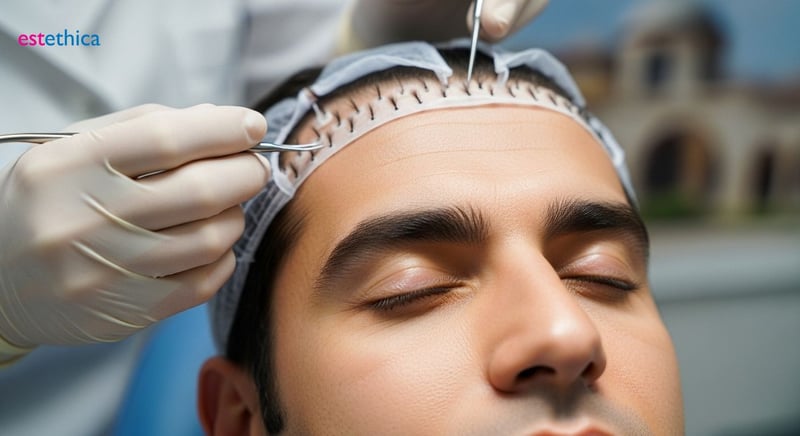
Following extraction, the harvested grafts are preserved in a special holding solution to maintain their health and vitality. The implantation process involves creating tiny incisions in the recipient area, carefully angled and positioned to mimic the natural growth direction and density of the original hairline or thinning areas. The skill and artistic eye of the surgeon are paramount in this stage, as they determine the final aesthetic outcome of the hair transplant. Whether it's for a receding hairline or overall thinning, the precise placement of each hair graft is essential for achieving the desired visual density and a completely natural appearance, contributing significantly to how to get natural looking hair transplant results.

Best Methods for Effective Hairline Restoration
Restoring a receding hairline is a sophisticated process that aims to achieve a natural and aesthetically pleasing result. The journey towards a revitalized hairline involves understanding the most effective techniques available today. The primary goal is to create a new hairline that seamlessly integrates with your existing facial structure and features, avoiding any appearance of being artificial or overly done. For many individuals seeking a solution, advanced Follicular Unit Extraction (FUE) techniques are often the preferred choice due to their minimally invasive nature. This method allows for the precise removal of individual follicular units, which are then meticulously transplanted to recreate the desired hairline. This careful approach contributes significantly to achieving a soft, natural transition and helps in understanding how to get natural looking hair transplant results.
The Art and Science of Hairline Design
Beyond the technical execution, the artistic skill of the hair transplant surgeon is paramount. Designing a new hairline is not merely about filling in gaps; it's about understanding facial aesthetics. A skilled surgeon will meticulously consider factors such as the patient's age, facial symmetry, forehead shape, and the natural growth patterns of surrounding hair. The angle, direction, and density of the transplanted follicles are all critical elements that contribute to a natural outcome. When discussing a hairline transplant, it's crucial to highlight that the planning phase is as important as the procedure itself. This ensures that the result looks genuine and complements the individual's unique features, preventing the common pitfalls of an unnatural or 'pluggy' appearance often associated with older techniques. The process of a hairline transplant requires careful planning and execution to avoid any artificial look.
The advancements in medical technology have significantly improved the precision and aesthetic potential of hair transplantation. Modern tools and refined methodologies allow for greater accuracy during both the hair graft extraction and implantation phases. This enhanced precision leads to improved density, more natural-looking growth directions, and ultimately, greater patient satisfaction. For those looking for comprehensive information on the topic, an Expert Guide to Hair Transplant & Hairline Restoration can offer deeper insights into the entire process, from initial consultation to post-operative care. Choosing the right clinic and surgeon is a vital step in ensuring the best possible outcome for your hairline transplant, as well as understanding how to get natural looking hair transplant results.
Achieving Natural Looking Hair Transplant Results
The ultimate goal of any hair transplant procedure is to achieve results that are so natural-looking, they are virtually indistinguishable from your original hair. This exquisite outcome is not accidental; it's the product of a meticulous blend of advanced techniques, artistic vision, and a profound understanding of how hair grows. Experienced surgeons meticulously replicate the natural density, precise angle, and organic distribution patterns of your native hair follicles. The selection of high-quality donor hair is paramount, as is the careful, artistic placement of each individual hair graft. Furthermore, comprehensive post-operative care plays a crucial role in ensuring the vitality and longevity of the transplanted follicular units.
Key Elements for Natural Outcomes
To understand how to get natural looking hair transplant results, it's essential to consider the foundational elements. The journey begins with careful donor hair selection, ensuring the harvested follicles are healthy and possess characteristics similar to the surrounding hair. During the implantation phase, the surgeon acts as an artist, considering the natural flow, density variations, and growth direction of the existing hair. Recreating a natural-looking hairline is particularly critical in a hairline transplant. This involves creating a soft, irregular border rather than a sharp, unnatural line, and placing single hair follicular units at the very front to mimic the appearance of naturally growing hair.
The technology and techniques employed also significantly impact the final appearance. Modern methods allow for minimal trauma to both the donor and recipient areas, leading to faster healing and reduced scarring, which further contributes to a seamless integration. For those interested in a deeper dive into achieving superior outcomes, reading about Hair Transplant & Hairline Restoration: Achieve Natural Results can provide valuable complementary insights.
Comparing Approaches for Natural Results
Ultimately, knowing how to get natural looking hair transplant results hinges on selecting a skilled surgeon who prioritizes aesthetic harmony and the long-term viability of the transplanted hair. A well-executed hairline transplant should blend seamlessly, enhancing your appearance without looking artificial. The success of a hair transplant is measured by its undetectable quality.
Understanding Your Hair Graft and Hair Plantation
Embarking on a journey towards hair restoration often involves understanding key terminology. Two fundamental concepts are the 'hair graft' and the overall 'hair plantation' process. A hair graft is essentially a small cluster of tissue, containing one or more hair follicles, meticulously harvested from a donor area of your scalp. This donor site is typically chosen for its resistance to hair loss. These harvested grafts are then carefully transplanted to areas experiencing thinning or baldness. The entire hair plantation procedure, whether employing the Follicular Unit Extraction (FUE) or Follicular Unit Transplantation (FUT) technique, revolves around the successful survival and integration of these microscopic units. Understanding what is a hair graft? is crucial, as each graft represents a living biological component vital for stimulating new hair growth.
The Anatomy of a Hair Graft
Each hair graft is a complex micro-unit. Depending on the harvesting technique and the natural follicular structure, a graft can contain anywhere from one to four individual hair follicles. The success of any hair transplant procedure hinges on the skill involved in extracting these grafts with minimal trauma and implanting them with precision. The goal is to preserve the health of the follicles within the graft, ensuring they can thrive in their new location. This delicate surgical intervention is designed to be a permanent solution for hair loss, offering a natural-looking and sustainable outcome. For a comprehensive overview of the restoration process, you can refer to our detailed guide, Hair Transplant & Plantation: Your Guide to Restoration.
The Plantation Process and Natural Outcomes
The science behind a successful hair transplant is multifaceted, focusing on both graft survival and aesthetic artistry. The placement of each graft is determined by the surgeon to mimic natural hair growth patterns, angles, and densities. Achieving natural results, particularly for procedures like a hairline transplant, requires meticulous attention to detail. This involves considering the existing hairline, facial features, and the overall desired look. Learning how to get natural looking hair transplant results involves choosing an experienced surgeon who understands these nuances. The aim of a hairline transplant is to create a seamless and undetectable restoration. Ultimately, the effectiveness of the entire hair transplant procedure is measured by the natural appearance and density achieved, contributing significantly to a patient's confidence and self-esteem. Understanding how to get natural looking hair transplant results is a key aspect of patient education before undergoing the procedure.

Mastering Hair Graft Extraction and Implantation for Natural Restoration
Our approach to hair restoration is built on the meticulous extraction and precise implantation of hair grafts. We employ advanced techniques, including Follicular Unit Extraction (FUE) and Follicular Unit Transplantation (FUT), to harvest individual follicular units with utmost care. This ensures the health and vitality of each graft for optimal growth.
Understanding the anatomy of a hair graft is fundamental to achieving natural-looking results. We focus on preserving the integrity of these grafts throughout the entire plantation process, from extraction to placement, ensuring a seamless integration with your existing hair.
Our expertise in hair plantation is demonstrated through our deep understanding of follicle harvesting and implantation details. We are committed to providing comprehensive guidance on how to get natural-looking hair transplant results. Our surgeons possess extensive experience in both FUE and FUT techniques, ensuring a high level of skill in every procedure.
Your Trusted Partner for Comprehensive Hair Graft and Plantation Understanding
We believe that understanding your hair graft and the hair plantation process is crucial for informed decision-making. Our detailed explanations cover everything from what a hair graft is to how a hairline transplant is performed. This transparency builds trust and ensures you feel confident throughout your hair restoration journey.
The technology and techniques employed in your hair transplant significantly impact the final appearance. We prioritize using state-of-the-art methods and providing clear insights into the plantation process, ensuring you comprehend the steps involved and the expected natural outcomes.
Patients seeking a successful hair transplant rely on our expertise to achieve results that are so natural-looking, they are virtually indistinguishable from their original hair. The cornerstone of any successful hair restoration journey lies in the meticulous procedures of hair follicle harvesting and their subsequent placement, which we execute with unparalleled dedication.