


Comprehensive guide to hair transplant procedures, focusing on hairline restoration and natural outcomes.
Are you considering a hair transplant to regain a fuller head of hair and a more defined hairline? You're not alone. Millions explore hair restoration options each year to combat hair loss and boost their confidence. This guide delves into the intricacies of hair graft procedure details, explains how hair transplants work, and highlights what to expect for natural looking hairline transplant results. We'll cover the science behind follicular unit transplantation and the delicate process of hair graft implantation, empowering you with the knowledge to make an informed decision about your hair restoration journey.Understanding Hair Graft Procedure Details
Embarking on a hair restoration journey begins with a thorough comprehension of the fundamental components, and delving into the hair graft procedure details is paramount. A hair graft essentially comprises a small section of skin, thoughtfully harvested from a donor area, typically situated at the back or sides of the scalp. This region is chosen because the hair follicles there are genetically predisposed to resist thinning. These carefully extracted grafts are then meticulously transplanted to areas experiencing baldness or thinning.
The success of this process hinges on precision to ensure optimal survival rates for the transplanted follicles and to facilitate a natural progression of hair growth. The quantity of grafts required varies significantly from one individual to another, depending on the extent of their hair loss and their personal aesthetic goals. Specialists conduct a comprehensive analysis of the scalp to devise the most effective strategy. Common methodologies employed include Follicular Unit Transplantation (FUT) and Follicular Unit Extraction (FUE), each designed to achieve the best possible outcome in hair restoration. Understanding the specifics of each graft, including the number of follicular units it contains, is crucial for managing expectations and envisioning the final appearance.
The Science Behind Hair Grafts
At its core, a hair graft is a biological unit containing one or more hair follicles. During a hair graft procedure details analysis, clinicians assess the density and quality of hair in the donor zone. This information dictates the feasibility and scope of the procedure. The transplantation process itself is a delicate operation. Whether using FUT, which involves removing a strip of scalp and dissecting it into individual follicular units, or FUE, where each follicular unit is extracted directly from the scalp, the goal remains the same: to place these units into minuscule incisions made in the recipient area. These incisions are strategically positioned to mimic the natural direction and density of existing hair, contributing significantly to a natural-looking result. For a more in-depth look at the overarching process, consider exploring Hair Transplant & Plantation: Your Guide to Restoration.
Achieving Natural Aesthetics and Recovery
The aesthetic outcome of a hair transplant is heavily influenced by the skill of the surgeon and the meticulousness of the implantation. A skilled practitioner will not only ensure the grafts take root successfully but will also carefully design the hairline and distribution pattern to align with the patient's facial structure and age. This thoughtful approach is key to achieving a youthful and believable appearance. Post-procedure care is equally vital for a successful hair transplant. Following the surgeon's instructions regarding wound care, medication, and activity restrictions is essential for minimizing the risk of complications and promoting rapid healing. The initial recovery phase might involve some redness and minor swelling, but these symptoms typically subside within a few days. The transplanted hair will initially shed, which is a normal part of the process, before new growth begins to emerge in the subsequent months. This careful management ensures the longevity and success of the hair transplant. The success of a hair transplant is a testament to both surgical expertise and patient adherence to recovery protocols.

How Hair Transplants Work: A Step-by-Step Guide
Embarking on the journey of a hair transplant is a meticulous process, blending artistry with advanced surgical techniques to achieve a natural and revitalized appearance. The initial consultation is paramount, where a skilled surgeon carefully assesses your unique hair loss pattern, discusses your desired outcomes, and determines the most suitable approach for your individual needs. This collaborative phase sets the foundation for a successful procedure, much like the detailed planning involved in restoring a natural looking aesthetic. For a deeper understanding of what to expect, exploring our Expert Guide to Hair Transplant & Hairline Restoration can provide invaluable insights.
The Surgical Process: Grafting and Implantation
Once the plan is set, the donor area, typically the back or sides of the scalp where hair is genetically resistant to thinning, is prepared. Local anesthesia is administered to ensure your complete comfort throughout the procedure. The method then diverges based on the technique employed. In Follicular Unit Transplantation (FUT), a thin strip of scalp is carefully removed, and under high magnification, it is dissected into individual follicular units – the natural groupings of hair. These units are then meticulously prepared for transplantation. For those opting for the Follicular Unit Extraction (FUE) method, individual follicular units are extracted directly from the donor area using specialized micro-punches. This approach leaves minimal scarring at the donor site. Following the harvesting, the recipient area is prepared. The surgeon makes tiny, precise incisions, strategically placing each follicular unit to mimic the natural growth direction, angle, and density of your existing hair. This critical step in hair graft implantation is what ensures the transplanted hair grows in harmoniously with your natural growth pattern.
Achieving Natural Results and Recovery
The skill of the surgeon in designing the hairline and placing the grafts is crucial for achieving natural looking results. Each follicular unit is placed with great care, considering the aesthetic balance of your face. The success of the hair transplant hinges not only on the surgical expertise but also on the viability of the harvested grafts. Post-procedure, a recovery period is necessary. While immediate results might not be apparent, the transplanted hairs will shed within a few weeks, followed by the emergence of new, permanent hair growth typically starting within three to four months. Patience is key, as the full effects of the procedure become evident over the subsequent months. Following your surgeon’s post-operative instructions diligently is vital for optimal healing and the best possible outcome for your hairline transplant.
Achieving Natural Looking Hairline Transplant Results
Crafting a natural-looking hairline is arguably the most critical element in successful cosmetic hair restoration. A well-defined, aesthetically pleasing hairline frames the face, significantly enhancing overall appearance. Achieving this desirable outcome hinges on an artist's precision and a surgeon's profound understanding of facial aesthetics. It’s not merely about filling in thinning areas; it’s about reconstructing a balanced and proportionate frontal appearance.
The cornerstone of creating a natural result lies in the meticulous planning and execution of the hair graft procedure details. The surgeon must carefully consider the unique angle, precise direction, and appropriate density of each transplanted hair follicle. The aim is to meticulously mimic the original growth pattern of the hair, which is rarely uniform or perfectly straight. This involves creating a slightly irregular, feathered edge rather than a sharp, unnatural line. This subtle asymmetry is key to achieving an undetectable appearance. The goal is for the newly transplanted hair to blend seamlessly with the existing hair, making the entire hair transplant virtually indistinguishable from natural growth.
The Art and Science of Hairline Design
The design phase of a hairline transplant is as crucial as the surgical implantation. A skilled surgeon will analyze the patient's facial structure, age, sex, and existing hair characteristics to design a hairline that is both aesthetically pleasing and age-appropriate. This involves understanding the concept of the temporal points, the central peak, and the overall curvature. The density of implantation is also critical; a lower density in the front, gradually increasing towards the back, is a hallmark of a natural hairline. This careful consideration of design ensures the final result complements the patient’s features. For patients considering other facial hair restoration options, the principles of precision and natural aesthetic blending are also paramount, as seen in procedures like a Beard Transplant: Permanent Facial Hair Restoration.
Understanding the Hair Graft Procedure Details and Recovery
The actual hair graft procedure details involve harvesting healthy follicular units from a donor area, typically the back or sides of the scalp, and carefully implanting them into the recipient hairline zone. Different techniques exist, each with its strengths in achieving density and minimizing scarring. The success of a hair transplant ultimately depends on the skill of the surgical team in placing these grafts correctly. Patience is also a vital component of the process. The full impact of a hairline transplant becomes evident over several months as the new hairs mature and grow. The initial recovery period requires adherence to post-operative instructions to ensure optimal graft survival and healing. While the surgical aspect is significant, understanding how the grafts are placed is essential for managing expectations.
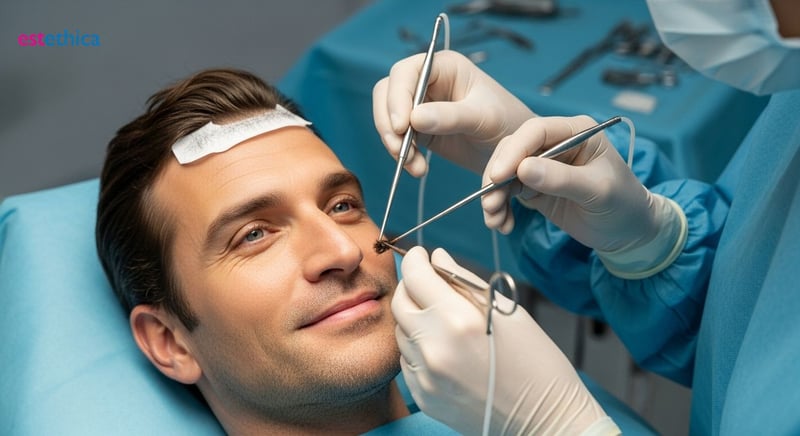
Exploring Follicular Unit Transplantation for Hair Restoration
Modern hair restoration techniques have advanced significantly, offering sophisticated solutions for hair loss. Two primary methods dominate the field: Follicular Unit Transplantation (FUT) and Follicular Unit Extraction (FUE). While both aim to achieve robust and natural-looking outcomes, they employ distinct approaches to harvesting and implanting hair.
Understanding the Techniques: FUT vs. FUE
Follicular Unit Transplantation, often referred to as the strip harvesting method, begins with the careful removal of a thin strip of donor scalp tissue. This strip is then meticulously dissected under high magnification by skilled technicians. Each follicular unit, typically comprising one to four individual hairs, is separated. These meticulously prepared units are subsequently transplanted into tiny incisions made at the recipient sites, carefully planned to mimic natural hair growth patterns. This method is known for its ability to yield a high number of grafts in a single session.
In contrast, Follicular Unit Extraction (FUE) involves the direct extraction of individual follicular units from the donor area. Using specialized micro-punches, each unit is removed one by one. This approach results in numerous tiny, dot-like scars that are generally less conspicuous than the linear scar left by FUT, making it a popular choice for those who prefer shorter hairstyles. The choice between FUT and FUE is highly individualized, often depending on factors such as the patient's existing hair density, the extent of their hair loss, the desired aesthetic outcome, and the surgeon's recommendation. Understanding the nuances of each technique is crucial when considering a hair transplant.
The Art of Graft Placement and Achieving Natural Results
Regardless of the harvesting method, the success of a hair transplant hinges on the precise placement of the follicular units. The surgeon must carefully consider the angle, direction, and density of implantation to ensure the results appear completely natural, particularly when addressing the frontal hairline. Creating a believable hairline transplant requires artistic skill and a deep understanding of natural hair growth. Each hair graft procedure details are vital for a successful outcome. The goal is to restore not just hair, but also confidence, through outcomes that are virtually indistinguishable from original hair growth. For those seeking comprehensive information on different approaches, exploring Expert Hair Transplant Methods & Clinic Guide can provide valuable insights into how hair transplants work, the intricacies of the process, and what to expect. The recovery period following either a FUT or FUE hair transplant involves careful attention to post-operative care to ensure optimal healing and graft survival. Following these guidelines is essential for a successful hair transplant journey. A well-executed hair transplant can significantly rejuvenate your appearance, offering a lasting solution to thinning hair.
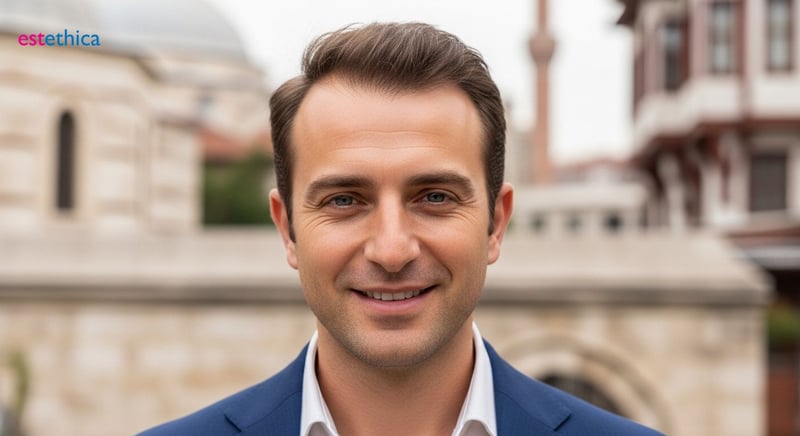
Mastering Follicular Unit Transplantation for Natural Hairline Restoration
Our comprehensive approach details the intricate hair graft procedure, explaining how individual follicular units are meticulously harvested and prepared. This advanced method ensures the viability of each graft, a critical step in achieving dense and natural-looking coverage.
We emphasize understanding the science behind hair grafts, including their genetic predisposition for resistance to thinning. This knowledge empowers patients to grasp the foundational elements of successful hair restoration surgery.
Expertise in modern hair transplant techniques forms the bedrock of our service. We focus on delivering detailed insights into the surgical process, from graft preparation to precise implantation, ensuring optimal survival rates and a natural progression of hair growth.
Our commitment lies in providing a clear guide to hair transplant procedures, offering unparalleled depth into the nuances of follicular unit transplantation. This allows for informed decision-making regarding the best hair transplant options available.
Your Trusted Partner for Natural Hair Graft Procedure Details and Recovery
Achieving natural aesthetics and a smooth recovery are paramount in our hair graft procedure details. We provide comprehensive information on what to expect, ensuring patients are well-prepared for the healing process and long-term results.
The success of any hair transplant hinges on precision to ensure optimal survival rates for transplanted follicles and to facilitate natural hair growth. Our dedication to these principles builds trust in our ability to deliver exceptional results.
Embarking on a hair restoration journey is a meticulous process, and we prioritize transparency in explaining the hair graft procedure details. Patients gain confidence through our detailed approach to how hair transplants work, from initial planning to post-operative care.
We offer trusted hairline transplant solutions, empowering individuals to explore how to choose a hair transplant that best suits their needs. Our guides cover what is a hair graft and the comprehensive hair transplant procedure guide, ensuring a secure and informed experience.