


This content focuses on hair transplant services, detailing hairline design, graft utilization, FUE methods, and the recovery journey for natural-looking hair restoration.
Considering a hair transplant for a revitalized look? This guide delves into the intricacies of hairline transplant procedures, explaining how hair grafts are utilized to achieve natural-looking hair transplant results. We'll explore the various hair transplant methods available, how to determine the ideal hairline for your transplant, and what to expect during the hair transplant recovery process. Whether you're seeking comprehensive hair restoration or exploring specific techniques like FUE hair transplant, this content provides essential insights for informed decision-making.Understanding Hair Grafts in Transplantation
The cornerstone of any successful hair transplant lies in the understanding and precise application of hair grafts. A hair graft is fundamentally a small piece of skin containing one or more hair follicles. These grafts are meticulously harvested from a donor area, typically the back or sides of the scalp where hair is naturally denser and genetically resistant to thinning, and then transplanted to a recipient area experiencing thinning or baldness. This intricate process of transferring these follicular units is what enables a comprehensive hair restoration. For a deeper dive into the overall journey, consult the Hair Transplant & Hairline Restoration Guide: Latest Techniques.
The Nature of Hair Grafts
Understanding precisely what a hair graft is crucial for appreciating the nuances of a hair transplant procedure. Each graft contains a follicular unit, which can house a single hair or a small group of hairs. Modern techniques, such as follicular unit extraction (FUE), involve the careful removal of these individual follicular units, minimizing trauma to the donor site and allowing for precise placement in the recipient area. The density and natural appearance of the transplanted hair are directly influenced by the quality and quantity of the grafts used. The number of grafts needed for a successful hair transplant varies significantly, depending on the extent of hair loss and the desired aesthetic outcome. Experienced surgeons perform a thorough assessment of both the donor hair supply and the recipient zone to plan the most effective distribution of these precious units.
Graft Utilization in Transplant Procedures
The way hair grafts are used in transplant procedures is a testament to the advancements in cosmetic surgery. The careful selection and placement of grafts are paramount to achieving a natural-looking outcome. Surgeons analyze the unique characteristics of the donor hair, such as its color, texture, and growth angle, to ensure that the transplanted hairs blend seamlessly with the existing hair in the recipient area. This meticulous approach is particularly vital when performing a hairline transplant, where precision is key to creating a youthful and balanced appearance. The effectiveness of a hairline transplant hinges on the surgeon's ability to replicate the natural density and irregular pattern of a native hairline, using grafts strategically placed to mimic this organic structure. The art and science behind how hair grafts are used in transplant procedures allow for remarkable transformations, restoring confidence and enhancing appearance.
The detailed planning involved in every hair transplant ensures that each graft contributes to the overall goal of creating a fuller, more youthful look. Understanding how hair grafts are used in transplant procedures highlights the sophisticated nature of this treatment. Whether addressing widespread thinning or focusing on a specific area like the hairline, the graft is the fundamental building block of the entire process. This careful consideration of graft placement is what ultimately defines the success of a hairline transplant and contributes to the overall patient satisfaction. It is through this detailed understanding of follicular units that surgeons can achieve aesthetically pleasing and highly effective results in a hair transplant.

Achieving Natural Looking Hair Transplant Results
The ultimate aim of any hair transplant procedure is to achieve results that are virtually indistinguishable from your original, natural hair. This sophisticated outcome is not accidental; it is the product of meticulous planning and precise execution, focusing on several key elements. Successfully creating a natural appearance involves a deep understanding of hair growth dynamics and aesthetic principles.
Understanding Hair Growth Direction and Density
One of the most critical factors in achieving a seamless look is the accurate replication of natural hair growth. This means paying close attention to the direction and angle at which each individual hair follicle is implanted. Grafts must be placed to mimic the exact flow and pattern of your existing hair, ensuring that the transplanted areas blend harmoniously. Overlooking this detail can lead to an unnatural, "pluggy" appearance. Furthermore, the density of transplanted hair is crucial. Modern techniques focus on creating a graded density, starting with a fuller, more defined line at the front (the hairline) and gradually tapering off towards the crown. This strategic distribution mimics the natural thinning that occurs with age and hair loss, contributing significantly to the overall believability of the result. The skill of the surgical team in placing each hair graft meticulously is what transforms the appearance, offering a rejuvenated and confident look.
The Art of Hairline Design
The design of the new hairline is perhaps the most artistically driven aspect of a successful hair transplant. Determining the optimal hairline for a transplant requires a blend of artistic vision and a thorough understanding of facial aesthetics. A well-designed hairline should complement the individual's unique facial structure, taking into account their age and desired appearance. It needs to appear natural and age-appropriate, avoiding overly straight or unnaturally low hairlines. The goal is to restore a youthful and balanced look that enhances facial features. Understanding how hair grafts are used in transplant procedures is essential here, as the placement and angulation of these grafts define the hairline's character. For those seeking to understand more about the nuances of hairline restoration and how to achieve natural results, exploring resources on Hair Transplant & Hairline Restoration: Achieve Natural Results can provide valuable insights. The artful consideration of these elements ensures that the hair transplant not only restores hair volume but also enhances overall facial harmony, making it a truly transformative procedure.
Your Hair Transplant Recovery Process Explained
Understanding the hair transplant recovery process is crucial for managing expectations and ensuring the best possible outcome after your procedure. Immediately following the surgery, the transplanted scalp will likely be sensitive, possibly exhibiting minor swelling and redness. Patients are generally advised to prioritize rest and steer clear of strenuous activities for the initial few days to support the healing grafts.
Initial Healing and Shedding
In the weeks following the procedure, it's common and entirely normal for the transplanted hairs to shed. This phenomenon, often referred to as 'shock loss,' should not be a cause for concern. It’s a natural part of the cycle as the follicles establish themselves. The survival of these grafts is paramount, and diligent adherence to post-operative care instructions significantly contributes to this. For a deeper dive into the overall journey, you might find the information in Hair Transplant & Plantation: Your Guide to Restoration helpful.
New Growth and Long-Term Results
The exciting phase of new hair growth typically begins to emerge within three to four months. While initial sprouts might be fine, you’ll notice significant thickening and more visible results appearing over the subsequent six to twelve months. This phased approach is a key characteristic of the journey towards achieving your desired look. Remember that understanding how hair grafts are used in transplant procedures is fundamental to appreciating the meticulous nature of this treatment.
Maintaining proper aftercare is essential throughout this period. This includes gentle washing techniques and avoiding certain medications that could interfere with healing or graft survival. A successful hairline transplant relies on both the surgical skill and the patient's commitment to the recovery plan.
The journey to a fuller head of hair after a hair transplant is a marathon, not a sprint. Patience and following your specialist's guidance are your greatest allies.
Recovery Milestones Comparison
FUE Hair Transplant: A Leading Restoration Method
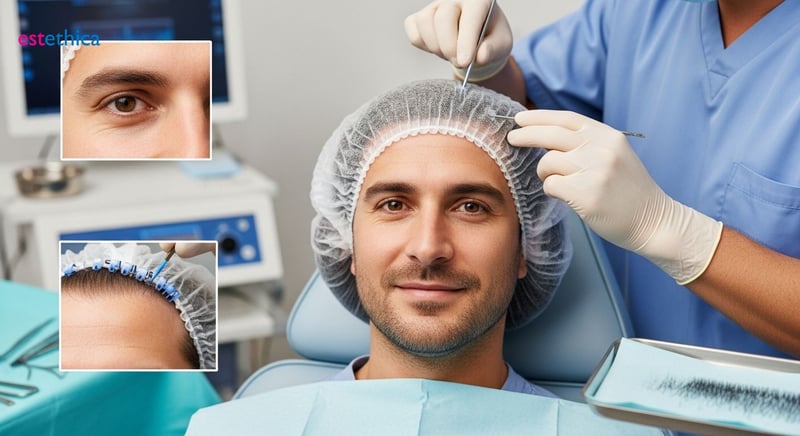
Among the diverse array of hair restoration techniques available today, the Follicular Unit Extraction (FUE) hair transplant procedure has emerged as a frontrunner, celebrated for its minimally invasive nature and exceptional outcomes. This sophisticated method involves the meticulous harvesting of individual hair follicles directly from the donor region of the scalp. Specialists employ specialized micro-punches, typically measuring between 0.8 and 1.2 millimeters in diameter, to extract these follicular units one by one. This precise approach contrasts sharply with older, more invasive strip harvesting techniques. A significant advantage of FUE is its ability to leave behind virtually undetectable scarring in the donor area. This cosmetic benefit affords patients greater freedom in styling their hair, including shorter cuts, without revealing evidence of the procedure.
The Precision and Benefits of FUE
The FUE technique is renowned for its minimal discomfort and a notably shorter recovery period compared to traditional methods. By extracting individual follicular units, surgeons can ensure a more targeted and strategic placement of grafts into the recipient areas experiencing thinning or baldness. Understanding how hair grafts are used in transplant procedures is crucial, and FUE excels in this regard by preserving the integrity of each unit. This method is particularly well-suited for individuals who desire to maintain a shaved donor area or require subtle, refined enhancement. For those considering a hair transplant, the FUE approach offers a compelling option for achieving a fuller, more youthful appearance. The careful selection and placement of grafts are key to successful hairline transplant reconstructions.
Ideal Candidates and Application
The FUE hair transplant procedure is an excellent choice for a wide range of individuals seeking to address hair loss effectively. Its less invasive nature makes it appealing to those who are apprehensive about significant scarring or prolonged recovery times. Patients who wish to wear their hair short or in certain styles can benefit immensely from the discreet donor area healing that FUE provides. Furthermore, FUE technology allows for the precise implementation of grafts, which is essential for crafting a natural-looking hairline transplant. The careful attention to detail in transplanting each graft ensures that the final result mimics natural hair growth patterns. This advanced method for performing a hairline transplant provides reliable and aesthetically pleasing results, making it a cornerstone of modern hair restoration.

FUE Hair Transplant: Precision Techniques for Natural Hairline Restoration
This guide thoroughly explains how hair grafts are meticulously harvested and utilized in transplant procedures, forming the cornerstone of successful hair restoration. Understanding the nature of hair grafts is crucial for appreciating the nuances of achieving natural-looking results.
The content details the advanced FUE hair transplant method, emphasizing its precision and benefits in creating a seamless, natural appearance. This detailed approach ensures each graft contributes to the overall goal of a fuller, youthful look.
Expertise is demonstrated through a deep dive into the technical aspects of hair transplantation, including the precise application of hair grafts. The guide showcases an understanding of how to determine the ideal hairline for a transplant, aligning aesthetic goals with follicular unit placement.
Specialized knowledge is evident in the explanation of achieving natural hair transplant results by accurately replicating natural hair growth direction and density. This level of detail underscores a commitment to delivering exceptional outcomes.
Your Hair Transplant Recovery Process: A Guide to Natural-Looking Hair Restoration
Trust is built through the transparent explanation of the hair transplant recovery process, assuring patients that shedding in the initial weeks is a normal and expected part of the journey. This honest portrayal fosters confidence in the procedure.
The content underscores the importance of understanding the recovery timeline to ensure the best possible outcome. This focus on patient well-being and realistic expectations is a key trust-building element.
The ultimate aim, as detailed throughout, is to achieve results that are virtually indistinguishable from one's original, natural hair. This commitment to natural aesthetics assures potential patients of the desired outcome.
The guide provides an in-depth look at how hair grafts are used in transplant procedures, demonstrating how advancements in cosmetic surgery enable comprehensive hair restoration and create a fuller, more youthful appearance.