


Comprehensive guide to hair transplant procedures, covering FUE techniques, hair restoration options, and factors affecting hair graft cost for natural-looking results.
Are you considering a hair transplant or looking to enhance your hairline? In the ever-evolving world of hair restoration, understanding the latest techniques and what to expect is crucial. This guide delves into the intricacies of what a hair transplant entails, exploring the advanced methods available today that deliver natural-looking hair transplant results. We'll cover everything from the initial consultation to the post-operative care, ensuring you're well-informed about this transformative procedure. Discover how modern hair restoration can effectively address hair loss and help you achieve your desired aesthetic with confidence.What is a Hair Transplant? Understanding the Basics
A hair transplant is a sophisticated surgical procedure designed to address hair loss and thinning by effectively restoring natural hair growth. At its core, the process involves the strategic relocation of hair follicles from a donor area, typically the back or sides of the scalp where hair is genetically programmed to be more resistant to balding, to areas experiencing a loss of density or complete baldness. This fundamental principle ensures that the transplanted hair, once established, will continue to grow naturally and permanently.
The Science Behind Restoring Hair
The success of a hair transplant hinges on understanding the resilience of hair follicles. Those harvested from the donor region possess a robust genetic makeup that makes them immune to the hormonal influences responsible for common forms of alopecia, such as androgenetic alopecia (male and female pattern baldness). By carefully extracting and implanting these healthy follicles into the recipient sites, the procedure effectively revitalizes thinning areas. Over time, these transplanted follicles integrate with the scalp's blood supply, stimulating new hair growth that blends seamlessly with existing hair, leading to natural looking hair transplant results. This approach is far removed from older, less refined methods and represents a significant advancement in cosmetic surgery.
Personalized Solutions for Hair Loss
Understanding what is a hair transplant also means recognizing its highly personalized nature. Each procedure is meticulously planned and executed to align with an individual's specific hair loss pattern, desired density, and aesthetic aspirations. Whether the goal is to regain a youthful hairline, thicken thinning crown areas, or enhance overall volume, a skilled practitioner will tailor the technique to achieve the most aesthetically pleasing outcome. This attention to detail is crucial for delivering truly natural looking hair transplant results. It’s a journey that requires precision, artistic skill, and a deep understanding of hair growth cycles. While primarily focused on scalp hair, similar principles apply to other areas; for instance, the techniques used in a hairline transplant can also be adapted for procedures like Eyebrow Transplant: Achieve Permanent, Natural Brows, demonstrating the versatility of follicle transplantation. The objective of a hairline transplant is to recreate a balanced and age-appropriate facial frame, and the goal for a hairline transplant is always a result that appears authentic.
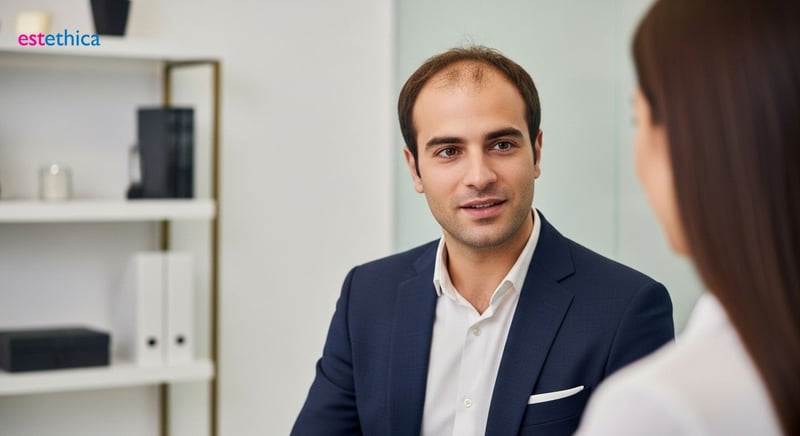
FUE Hair Transplant: Latest Techniques for Natural Results
When considering advanced solutions for hair loss, the Follicular Unit Extraction (FUE) method stands out as a leading choice for achieving natural-looking outcomes. Unlike older techniques, FUE involves the meticulous extraction of individual hair follicles directly from the donor area. This is typically done using specialized micro-punches, a process designed to leave behind minimal scarring and promote faster healing. The extracted follicular units are then expertly transplanted into the areas experiencing thinning or balding.
Precision and Natural Aesthetics
The prowess of FUE lies in its capacity for precise graft placement. This attention to detail allows surgeons to replicate the natural density and angle of existing hair, which is crucial for delivering truly natural looking hair transplant results. The minimally invasive nature of the FUE technique also significantly reduces trauma to the scalp, contributing to a smoother and quicker recovery period compared to traditional strip harvesting methods. The artistry of the surgeon plays a paramount role; their skill in creating a seamless integration and a well-defined hairline is what ultimately differentiates a good outcome from an exceptional one. Modern FUE often utilizes sophisticated magnification tools and advanced extraction devices to ensure the integrity of each precious hair graft, enhancing the final aesthetic appeal and overall patient satisfaction. Careful planning and execution in creating the recipient sites are fundamental to achieving a believable and attractive hairline transplant.
Advancements in FUE Technology
Continuous innovation in the field means that FUE hair transplant procedures are constantly evolving. New tools and methodologies are being developed to increase efficiency, preserve graft viability, and further refine the natural appearance of the transplanted hair. These advancements underscore the commitment to providing patients with the best possible results. For those interested in understanding more about achieving a restored look and a refined hairline, exploring comprehensive information on Hair Transplant & Hairline Restoration: Achieve Natural Results can provide valuable insights into the broader landscape of hair loss solutions and the potential for a rejuvenated appearance. The focus remains on delivering a superior hair transplant experience that yields dense, natural-looking hair and boosts confidence.
Hair Restoration: Beyond the Hair Follicle Transplant
While the hair follicle transplant remains a cornerstone of surgical intervention for hair loss, the landscape of hair restoration extends far beyond this singular procedure. Modern approaches recognize that achieving a fuller head of hair and restoring confidence often involves a multifaceted strategy. This comprehensive field encompasses a variety of medical treatments, innovative therapies, and advanced cosmetic techniques, many of which can be employed independently or in synergy with a surgical hair transplant to optimize outcomes.
For individuals exploring non-surgical avenues, a range of pharmaceutical options and therapeutic interventions are available. These can play a crucial role in slowing the progression of hair thinning and encouraging the stimulation of dormant or weakened existing follicles. Conditions like androgenetic alopecia often respond well to targeted medical treatments that address the underlying hormonal factors. Furthermore, advancements in technology have introduced options like low-level laser therapy (LLLT), which uses specific light wavelengths to promote hair growth and improve scalp health. These non-invasive methods offer valuable alternatives or complementary treatments for those seeking to enhance their hair's density and vitality without surgical procedures.
An experienced hair restoration specialist is key to navigating these diverse options. They will conduct a thorough evaluation of your specific type of hair loss, scalp condition, and aesthetic goals. This personalized assessment allows them to recommend the most effective strategy, which may very well be a combination of approaches. For instance, a patient might undergo a hair transplant to address significant density loss in a particular area, while simultaneously utilizing medical treatments to maintain the health of the surrounding native hair and prevent further thinning. This integrated approach is critical for achieving lasting and natural looking hair transplant results.
Exploring Non-Surgical and Adjunctive Therapies
The journey to fuller hair often involves exploring treatments that complement or even serve as alternatives to a surgical hair transplant. These range from medical management to cutting-edge cosmetic applications. Understanding these options empowers individuals to make informed decisions tailored to their unique situation. For those interested in a deeper dive into surgical procedures, our Expert Guide to Hair Transplant & Hairline Restoration provides comprehensive insights.
Comparative Overview of Hair Restoration Modalities
Choosing the right hair restoration path requires understanding the benefits and applications of various treatments. The following table outlines some common methods, highlighting their primary roles and suitability.
Ultimately, the goal of any hair restoration plan is to achieve aesthetically pleasing and natural looking hair transplant results. Whether through a meticulously planned hair transplant, effective medical management, or advanced cosmetic techniques, the focus is on enhancing appearance and boosting self-assurance. The evolution of hair restoration offers hope and viable solutions for a wide spectrum of hair loss concerns, ensuring that individuals can find a path toward renewed confidence and a fuller head of hair. For those considering specific surgical interventions, understanding the nuances of a hairline transplant is crucial, and further details can be found in our expert guide.
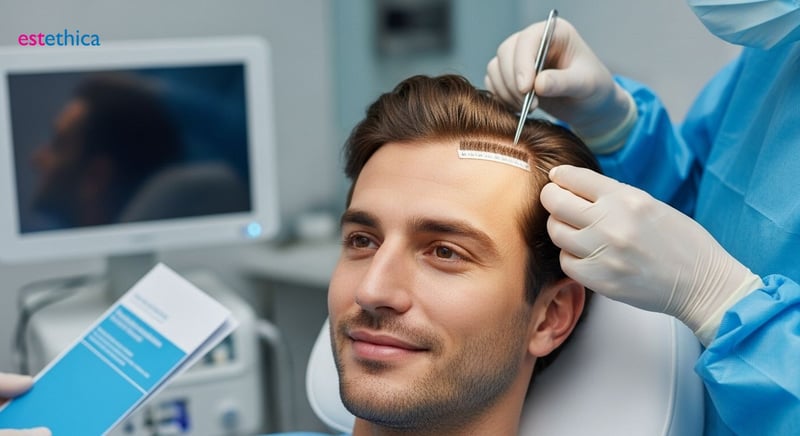
Hair Graft Cost: Factors Influencing Your Hair Restoration Investment
Understanding the financial aspect is a crucial step for many individuals considering a hair transplant. While the precise figures can vary significantly, the overall investment for a hair transplant procedure is influenced by several key elements. Recognizing these factors can help you make an informed decision and set realistic expectations for your journey towards fuller hair.
Key Determinants of Procedure Investment
The primary driver behind the cost is the number of grafts required. This is directly related to the extent of hair loss and the desired density for a natural looking hair transplant results. More extensive areas needing coverage naturally require more follicular units, thereby increasing the overall expenditure. Beyond the quantity, the complexity of the procedure itself plays a role. Factors such as the scalp's condition, previous surgical interventions, and the need for meticulous hairline reconstruction can add layers of complexity that influence the time and skill involved. A well-defined hairline transplant, for instance, demands a higher level of precision and artistic skill from the surgeon.
The chosen technique also impacts the final investment. Different methods have varying levels of intricacy and require different equipment and surgeon expertise. Furthermore, the expertise and reputation of the clinic and surgical team are paramount. Highly experienced surgeons and reputable clinics often command higher fees, reflecting their proven track record and commitment to delivering excellent, natural looking hair transplant results. It is vital to view the total amount not merely as an expense, but as a long-term investment in your appearance and self-confidence. For a deeper understanding of the entire process, consider exploring our comprehensive guide on Hair Transplant & Plantation: Your Guide to Restoration.
Ensuring Transparency and Value
Reputable clinics prioritize transparency. During your initial consultation, a thorough assessment of your individual needs will be conducted, leading to a personalized quote. This quote should ideally encompass all aspects of the procedure, from the pre-operative assessments and the surgery itself to essential post-operative care instructions. It is always advisable to look beyond the immediate price tag. Consider the quality of the surgical team, the advanced methodologies employed, and, most importantly, the anticipated long-term outcomes. A successful hair transplant is one that not only restores hair but also enhances your overall aesthetic appeal and boosts your confidence significantly.
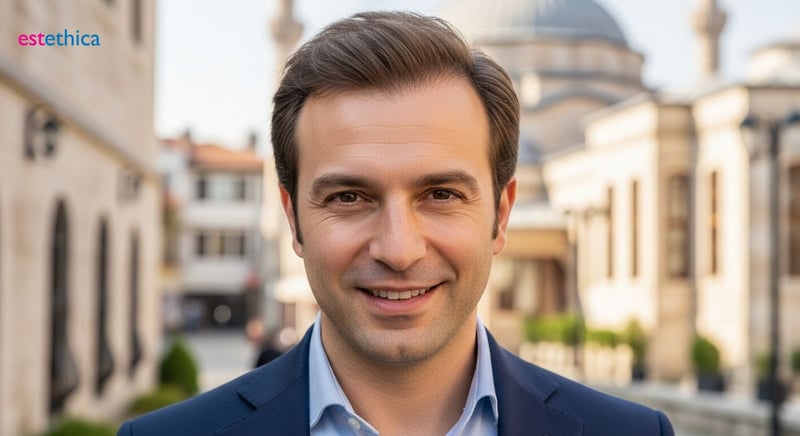
FUE Hair Transplant: Achieving Natural-Looking Hairline Restoration with Precision
The Follicular Unit Extraction (FUE) method represents a leading technique in modern hair restoration, focusing on precise graft placement for exceptionally natural-looking hair transplant results. This advanced approach involves carefully extracting individual hair follicles from donor areas, ensuring minimal invasiveness and optimal integration into thinning or balding regions.
Continuous innovation in FUE technology further refines the procedure, offering enhanced precision and contributing to the consistently natural outcomes that patients seek. This specialized expertise ensures that each hair follicle transplant is executed with meticulous attention to detail, preserving the integrity of the donor site and maximizing the aesthetic improvement.
Our approach to hair restoration is built on a deep understanding of hair follicle biology and advanced surgical techniques. We specialize in delivering comprehensive hair transplant and hairline restoration solutions, drawing on the latest advancements in the field to restore natural hair growth. Expertise in FUE allows us to address individual hair loss concerns with personalized treatment plans.
Your Trusted Partner for Natural Hairline Transplant and Comprehensive Hair Restoration
Understanding what is a hair transplant is the first step towards regaining your confidence, and we ensure this process is transparent and trustworthy. We focus on personalized solutions for hair loss, explaining how hairline transplant procedures work to restore density and frame the face naturally.
The success of your hair transplant hinges on meticulous planning and execution, from donor site management to the precise implantation of hair grafts. We prioritize patient well-being and satisfaction, offering a detailed overview of the procedure and post-operative care to ensure optimal recovery and long-term hair restoration success.
Patients seeking effective hairline restoration find confidence in our expertise, as we detail how hairline transplant procedures create remarkably natural results. Our commitment extends to addressing the nuances of hair graft cost, ensuring value and transparency throughout the investment in your appearance.
By exploring treatments that complement or serve as alternatives to surgical hair transplants, we provide a holistic approach to hair restoration. This dedication to comprehensive care and proven outcomes makes us a trusted provider for individuals seeking natural-looking hair transplant results.