


A comprehensive guide to hair transplantation and plantation, focusing on achieving natural results, understanding FUE techniques, and optimizing hair graft success rates. Learn how to determine the ideal hairline and explore advanced hair restoration options beyond basic hair loss treatment.
Are you considering a hair transplant to regain a fuller head of hair? This guide explores the intricacies of hair transplantation, from understanding the procedure and the FUE technique to achieving natural-looking results and optimizing hair graft success rates. We'll delve into how to determine the ideal hairline for your face and discuss comprehensive hair restoration options that go beyond basic hair loss treatment. If you're seeking to understand the process, recovery, and what to expect for a revitalized appearance, you've come to the right place. Discover the latest advancements in hair restoration and make an informed decision about your journey.What is a Hair Transplant? Understanding the Basics
Experiencing hair thinning or baldness can significantly impact one's self-confidence. Fortunately, modern medicine offers a highly effective solution: the hair transplant. At its core, a hair transplant is a sophisticated surgical procedure designed to restore hair growth in areas experiencing loss. This is achieved by carefully relocating hair follicles from a donor region – typically the back or sides of the scalp where hair is genetically programmed to be more resistant to thinning – to the thinning or bald areas. This fundamental principle of redistributing existing hair is what makes the procedure so successful in creating a fuller, more youthful appearance.
The objective of a hair transplant is not to create new hair but to strategically reposition your own naturally growing hair. This ensures that the transplanted hair retains its original characteristics and continues to grow throughout your life, providing a permanent and natural-looking outcome. For individuals wondering about specific aesthetic goals, understanding how to determine hairline for transplant is a crucial first step, as the surgeon will meticulously design a new hairline that complements your facial structure and age.
The Science Behind Hair Grafting
The underlying science of a hair plantation relies on the resilience of individual hair follicles. When these follicular units are carefully extracted from the donor site and implanted into the recipient area, they can adapt to their new environment and begin to produce new hair. This process is a testament to the body's natural healing and regenerative capabilities. The success of a hair plantation is heavily dependent on the skill of the surgeon and the meticulous planning involved. It's a delicate process that requires precision to ensure the viability of each follicle and to achieve aesthetically pleasing density.
Modern techniques have made hair plantation procedures less invasive and more effective than ever before. The focus is always on achieving results that are not only dense but also blend seamlessly with your existing hair. For those particularly interested in rejuvenating their frontal appearance, exploring options like Hairline Transplant: Natural Hair Graft Restoration can provide further insight into achieving a balanced and age-appropriate look. The entire process, from initial consultation to final result, is guided by the principle of creating a permanent and natural-looking solution to hair loss, empowering individuals with renewed confidence.
FUE Hair Transplant: Maximizing Hair Graft Success Rates
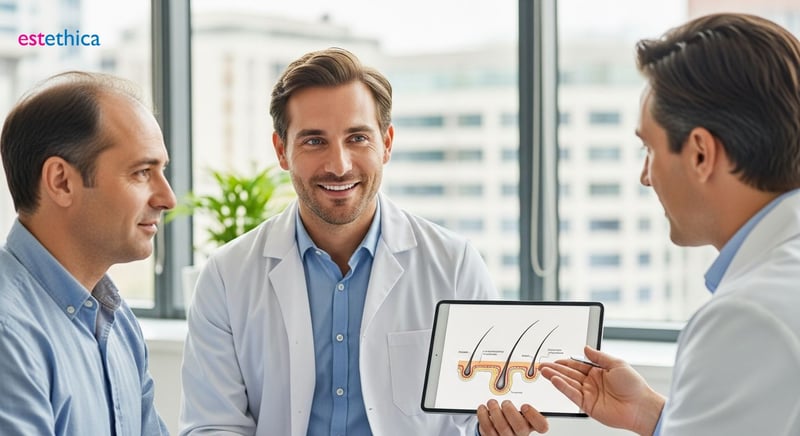
The Follicular Unit Extraction (FUE) method stands at the forefront of modern hair restoration, celebrated for its minimally invasive approach and its potential to deliver exceptional outcomes. Unlike older techniques, FUE involves the precise extraction of individual hair follicles from the donor region using specialized micro-punches. This meticulous process results in minimal scarring and typically facilitates a quicker recovery period for patients.
The Pillars of Graft Survival
The ultimate success of an FUE hair transplant hinges on maximizing the viability of each transplanted follicle. Several critical factors contribute to achieving optimal results. Foremost among these is the expertise and skill of the surgeon performing the procedure. A highly experienced surgeon understands the delicate nature of hair follicles and employs techniques that minimize trauma during extraction and implantation. The inherent health and quality of the donor hair also play a significant role; robust donor follicles are more likely to thrive in their new location.
Furthermore, diligent post-operative care is indispensable. Following the surgeon's instructions meticulously in the period following the procedure significantly enhances the chances of each hair graft taking root successfully. This includes proper hygiene, avoiding strenuous activity, and using prescribed medications or topical treatments. The careful handling of these tiny follicular units and their precise placement into the recipient sites are paramount. Surgeons pay close attention to the angle, direction, and density of implantation to ensure the transplanted hair blends seamlessly with existing growth, creating a natural and aesthetically pleasing appearance.
Ensuring Natural Growth and Density
Achieving high success rates in hair plantation means ensuring that the vast majority of implanted follicles become successfully integrated and begin to produce new, healthy hair. This translates directly to the visible density and the overall natural look of the restored area. It’s a process that requires a combination of advanced surgical technique and attentive patient care. For those considering advanced solutions, exploring resources like Advanced Hair Transplant: Expert Solutions for Hairline Restoration can provide valuable insights into achieving desirable outcomes. This sophisticated approach to hair plantation offers a viable path towards regaining a fuller head of hair and boosting confidence.
The careful selection and handling of grafts, coupled with the surgeon's precision in implantation, are the cornerstones of this advanced hair plantation technique. The goal of every successful hair transplant is to restore not just hair, but a sense of natural vitality and appearance. This method significantly improves the probability of achieving robust and permanent results, making it a popular choice for individuals seeking effective solutions for thinning hair.
How to Determine Hairline for Transplant: Natural Looking Results
Achieving a truly natural look after a hair transplant is an intricate blend of artistic vision and scientific precision. At the heart of this success lies the meticulous process of determining the ideal hairline for transplant. This isn't merely about drawing a line; it's about crafting a frame for the face that looks as though hair loss never occurred, restoring a rejuvenated appearance. A critical component of this involves a detailed assessment of your unique facial structure, age, and personal aesthetic goals. The aim is to design a hairline that harmonizes with your features, appears age-appropriate, and completely avoids an artificial or overly aggressive look.
The Art and Science of Hairline Design
A well-designed hairline should be subtle, possessing slight irregularities that mimic natural growth patterns. Symmetry is paramount, but perfect, rigid symmetry can look unnatural. The goal is to recreate the subtle curves and angles characteristic of a youthful, natural hairline. Key elements like the frontal temporal angle, the point where the hairline curves back towards the temples, are meticulously considered. This area is crucial for framing the face and lending a masculine or feminine characteristic, depending on its shape. Understanding these nuances ensures the transplanted hair seamlessly blends with any existing hair, creating a believable and aesthetically pleasing outcome. For a deeper dive into this, consider exploring resources on Expert Hair Transplant & Hairline Restoration: Natural Results.
Factors Influencing Hairline Determination
Several factors guide the decision-making process for how to determine hairline for transplant. The patient's age is a significant consideration; a hairline appropriate for a younger individual might look out of place on someone older. The existing density and pattern of the patient's remaining hair also play a crucial role in ensuring a cohesive and natural blend. Furthermore, the overall facial shape – whether oval, round, square, or heart-shaped – influences the optimal placement and curvature of the new hairline. The surgeon must interpret your vision and translate it into a precise follicular map. This expert consultation is essential for guaranteeing a successful hair plantation and a result that enhances your appearance without betraying the procedure. Understanding the variables ensures that each hair plantation is tailored for maximum naturalness.
The precision involved in planning the hair plantation ensures that the final result of the hair transplant is not just about adding hair, but about recreating a youthful and authentic appearance. This detailed approach is key to successful hair plantation.
Comprehensive Hair Restoration: Beyond Hair Loss Treatment
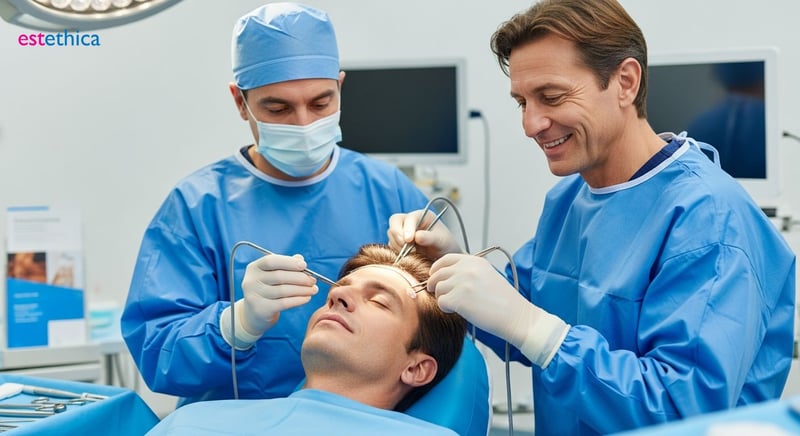
Understanding that hair loss is a multifaceted issue is the first step towards effective, long-term solutions. While surgical procedures, such as a successful hair transplant, represent a significant leap forward in addressing baldness by relocating healthy follicles to thinning areas, comprehensive hair restoration extends far beyond the operating room. It's about embracing a holistic strategy that nurtures existing hair, stimulates regrowth where possible, and preserves density for a lasting, natural appearance.
Integrating Medical and Therapeutic Approaches
Modern approaches to hair regrowth often combine surgical interventions with advanced medical and therapeutic treatments. For many individuals, slowing or halting further hair thinning is as crucial as restoring lost hair. This is where medical therapies, often prescribed by specialists, play a vital role. These can include topical solutions or oral medications designed to counteract the hormonal or genetic factors contributing to hair loss. Complementary to these are non-surgical techniques like low-level laser therapy (LLLT), which utilizes specific light wavelengths to energize hair follicles, promoting healthier growth and increased thickness. Platelet-rich plasma (PRP) therapy is another powerful adjunct, involving the injection of a concentrated serum derived from the patient's own blood, rich in growth factors that can stimulate dormant follicles.
These non-surgical methods are not just for those who opt out of a hair transplant; they are often integrated into a patient's overall plan, even after a successful hair plantation procedure. This layered approach ensures that the scalp environment is optimized for the transplanted hair to thrive and that any remaining native hair is supported. The goal of a comprehensive hair plantation strategy is to create a sustainable system. This means addressing the root causes of thinning, enhancing the health of the scalp, and achieving a naturally dense and aesthetically pleasing outcome. For those curious about the surgical aspect, exploring Hair Transplant: Natural Results & Expert Techniques can offer valuable insights into the artistry and precision involved in modern hair plantation.
Ultimately, the most effective hair plantation journey is highly personalized. It involves a thorough diagnosis of the hair loss type and severity, followed by the creation of a bespoke treatment plan. Whether this plan primarily involves a cutting-edge hair transplant or a carefully curated blend of surgical and non-surgical therapies, the overarching objective remains the same: to restore not just hair, but also confidence, providing individuals with a long-term solution that enhances their appearance and well-being.