


Comprehensive guide to hairline transplants, detailing hair graft procedures, planning strategies, and the science of follicular unit transplantation for optimal hair restoration surgery outcomes.
Considering a hair transplant to restore your hairline? This guide delves into the intricate world of hair grafts, explaining follicular unit transplantation and the hair graft procedure. We'll cover how to plan your hairline transplant for natural-looking results and what to expect during hair restoration surgery. Understand the science behind each hair graft and how the process works to achieve your desired aesthetic. Learn how to plan your hairline transplant effectively.Understanding Hair Grafts: Follicular Unit Transplantation Explained
Embarking on a journey towards fuller hair often begins with a fundamental understanding of the building blocks: the hair grafts. These tiny units are the cornerstone of modern hair restoration, and grasping their nature is crucial for appreciating the intricacies of the procedures involved. While various techniques exist, many successful outcomes are rooted in methods that carefully harvest and place these follicular units. The science behind a successful hair transplant has evolved significantly, moving towards more refined and natural-looking results.
The Basics of Hair Grafts
At its core, a hair graft is a small grouping of hair follicles. These naturally occur on the scalp in units containing typically one to four hairs. The precision with which these units are handled during a hair transplant procedure directly impacts the final aesthetic. Techniques like Follicular Unit Transplantation (FUT) and Follicular Unit Extraction (FUE) are designed to meticulously isolate and transplant these grafts from a donor area, usually the back and sides of the head, to areas experiencing thinning or baldness. Each hair graft, whether taken via FUT or FUE, requires careful extraction and preservation to ensure its viability post-transplantation. The number of grafts needed for a procedure can vary dramatically, influenced by the extent of hair loss and the patient's desired density and coverage. This is why consulting with experienced professionals is vital for setting realistic expectations and achieving the best possible results.
Precision in Placement
The success of a hair transplant isn't just about the number of grafts harvested, but also about their strategic placement. The goal is to recreate a natural-looking hair pattern, considering factors like hair angle, density, and direction. Understanding hair graft details is paramount for both the surgeon and the patient. It informs the planning process, from determining the optimal donor sites to designing the recipient area. For those considering improving their appearance, exploring options for advanced techniques can lead to significant satisfaction. To learn more about achieving natural results and the detailed planning involved, consider reading about Expert Hair Transplant & Hairline Restoration: Natural Results. This detailed approach ensures that each hair graft contributes effectively to a denser, more youthful appearance, making the entire process a sophisticated blend of art and science. Whether addressing general thinning or focusing on a specific area, the careful handling of each hair graft procedure is key.

How to Plan Your Hairline Transplant for Natural Results
Achieving a natural-looking outcome from a hairline transplant is paramount, and the key lies in meticulous planning. This process begins with a comprehensive consultation with a specialist. During this initial meeting, your surgeon will meticulously assess your unique hair loss pattern, the density and quality of your donor hair, and the overall structure of your face. This thorough evaluation forms the foundation for a personalized treatment plan tailored specifically to your needs and aesthetic aspirations.
Understanding Your Aesthetic Goals
A crucial part of the planning phase involves open communication about your desired look. It’s essential to discuss your aesthetic goals with your surgeon to ensure alignment. The goal of a well-executed hairline transplant is to create a result that appears entirely natural, seamlessly blending with your existing hair and complementing your facial features. This means carefully considering the precise angle and direction of the transplanted hairs, the desired density, and the overall shape of the new hairline. Factors such as your age and the anticipated progression of future hair loss are also vital considerations. Planning with these long-term factors in mind ensures the procedure’s enduring success and prevents an unnatural or overly dense appearance that can be difficult to revise later. Understanding the nuances of how to approach the design is critical for a result that enhances your appearance authentically. For a deeper dive into the process, consider reading our article on Hairline Transplant: Natural Hair Graft Restoration.
Key Considerations for a Natural Look
The artistry of a hairline transplant lies in mimicking natural hair growth patterns. Specialists focus on recreating the subtle variations in density and the natural irregularity found in a youthful hairline. This often involves placing individual follicular units strategically to achieve a soft, feathered edge rather than a harsh, straight line. Detailed analysis of hair graft details is performed to ensure the best possible integration. The surgeon will also consider the density of the native hairline and aim to match it, avoiding an overly dense appearance that can look artificial. The frontal area is particularly sensitive, and a subtle, well-defined hairline can significantly rejuvenate your appearance without looking overtly done. This careful attention to detail, from the initial assessment to the precise placement of each hair graft details, is what distinguishes an exceptional hairline transplant from one that falls short of natural expectations.
The Hair Graft Procedure: What to Expect
Embarking on a journey towards fuller hair involves a sophisticated surgical process, commonly referred to as a hair graft procedure. Whether employing the FUT (Follicular Unit Transplantation) or FUE (Follicular Unit Extraction) method, the aim is the same: to restore natural hair growth. Understanding the steps involved can significantly alleviate any pre-operative concerns and empower you throughout your hair restoration.
The Surgical Process: From Donor to Recipient
The initial phase of the hair graft procedure involves preparing the donor area, typically the back or sides of your scalp, where hair is genetically resistant to thinning. Local anesthesia is administered to ensure comfort throughout the extraction and implantation phases. In FUE, individual follicular units, each containing one to four hairs, are meticulously extracted using specialized micro-punches. Conversely, FUT involves the removal of a thin strip of scalp tissue, which is then carefully dissected under magnification into individual grafts. These extracted grafts are crucial; their quality and handling directly impact the final outcome. The skill of the surgical team in managing these delicate units is paramount. The subsequent step involves creating tiny incisions in the recipient area—the balding or thinning zones. The placement of each graft is a critical juncture, requiring precision to mimic the natural angle, density, and pattern of your existing hair. This meticulous attention to detail ensures a natural-looking result. For those considering this, learning about Hair Transplant & Plantation: Achieve Natural Results can provide valuable insights into planning your hairline for the best aesthetic outcome.
FUT vs. FUE: A Comparative Overview
The choice between FUT and FUE depends on various factors, including the extent of hair loss and individual preferences. Each technique offers distinct advantages and characteristics, impacting the recovery process and potential scarring. Understanding these differences is key to making an informed decision about your hair restoration.
Following the procedure, adherence to post-operative care instructions is vital. This includes gentle cleansing, avoiding strenuous activity, and protecting the treated areas. These measures are essential for the healing process and the successful integration and survival of the transplanted hair grafts. The detailed hair graft details provided by your surgical team will guide you through this critical recovery period, ensuring optimal results from your hair transplant. Many find that understanding the hair graft details thoroughly prepares them for a smoother recovery and greater satisfaction with their rejuvenated appearance.
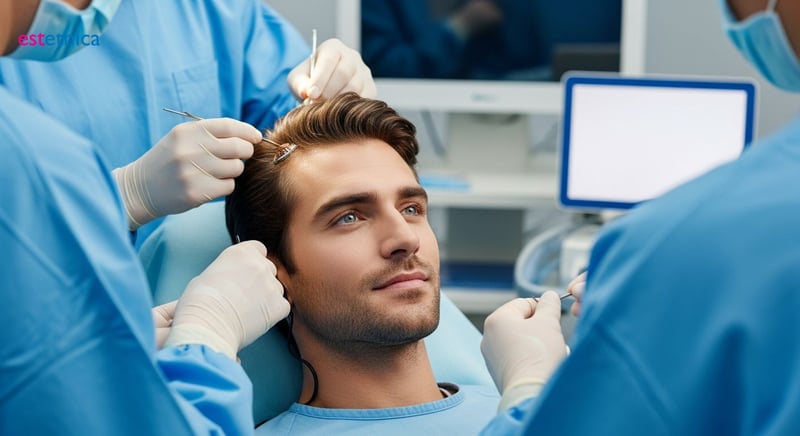
Hair Restoration Surgery: Achieving Your Goals
Hair restoration surgery offers a powerful and transformative solution for individuals experiencing hair thinning or baldness. This advanced medical procedure is meticulously designed to recreate a fuller, more youthful, and aesthetically pleasing head of hair. The ultimate ambition of any successful hair restoration surgery is to deliver permanent, natural-looking results that significantly boost a patient's self-confidence and overall quality of life. Whether your primary concern is a receding hairline, thinning crown, or generalized hair loss, modern surgical techniques have made achieving remarkable and satisfying outcomes more attainable than ever before.
Defining Your Aesthetic Aspirations
The journey toward regaining your desired hair begins with a thorough consultation with a qualified and experienced hair restoration specialist. This crucial step involves openly discussing your personal goals and expectations. A skilled surgeon will carefully assess your hair loss pattern, donor hair availability, and facial structure to recommend the most appropriate surgical approach. Understanding the nuances of different techniques, such as those used in a Hairline Transplant: Achieve a Natural Look with Hair Grafts, is essential in visualizing the potential outcome. Specialists can expertly map out your new hairline, ensuring it complements your features and appears completely natural. The precision involved in placing each individual hair graft is paramount to achieving density and a seamless blend with your existing hair.
The Science Behind Natural Results
Modern hair restoration surgery relies on sophisticated techniques to harvest and transplant hair follicles. The detailed planning and execution of each hair graft are critical to the success of the procedure. These procedures focus on extracting healthy follicular units, which naturally contain one to four hairs, from denser areas of the scalp (the donor site) and carefully implanting them into the areas experiencing hair loss. Understanding the specific hair graft details ensures that the transplanted hair will grow naturally and permanently. The careful consideration of graft orientation, angulation, and density distribution is what allows surgeons to create a results that are virtually indistinguishable from your original hair. A well-executed hair transplant can dramatically improve your appearance and self-esteem, providing a lasting solution to the challenges of hair loss.

Mastering Hair Graft Details: Follicular Unit Transplantation for Advanced Hairline Restoration
Our comprehensive guide details the intricate science of hair grafts, focusing on Follicular Unit Transplantation (FUT) and Follicular Unit Extraction (FUE) techniques. We illuminate how these methods meticulously harvest and place individual follicular units, the fundamental building blocks of natural-looking hair restoration.
Expertise extends to understanding the biological nuances of each hair graft and how their strategic placement directly influences the final aesthetic outcome. This in-depth knowledge ensures a sophisticated approach to restoring your hairline.
With a deep understanding of hair restoration surgery, our specialists are adept at explaining the complexities of hair graft procedures. This content showcases a commitment to educating patients on the advanced methodologies employed in achieving their hair restoration goals.
The emphasis on meticulously planning hairline transplants for natural results highlights our dedication to patient satisfaction and achieving their desired look through expert application of the latest hairline transplant techniques.
Transparent Hair Graft Procedure: Understanding What to Expect for Your Hairline Transplant
We build trust by transparently outlining the hair graft procedure, detailing each step from donor area preparation to the meticulous placement in the recipient area. This clarity demystifies the surgical process for potential patients.
Adherence to post-operative care instructions is vital, and this guide emphasizes its importance, ensuring patients understand their role in optimizing recovery and achieving lasting results from their hairline transplant.
Embarking on a journey towards fuller hair is a significant decision, and our content aims to be a reliable resource, akin to finding a top-tier hair transplant clinic near me. We focus on providing comprehensive details to ensure patient confidence.
The discussion on FUT vs. FUE offers a comparative overview, helping individuals understand the nuances of each technique. This allows for informed choices based on personal needs and the extent of hair loss, reinforcing our commitment to patient-centric care.