


Discover advanced hair transplant techniques for natural results, understand the recovery process, and learn how to achieve the best hairline transplant outcomes with expert guidance.
Are you seeking to restore your confidence with a fuller head of hair? A hair transplant offers a transformative solution, addressing hair thinning and loss with remarkable precision. This guide explores the cutting-edge hair graft techniques designed for a natural look, the crucial hair transplant recovery process, and how to achieve the best hairline transplant results. Whether you're considering FUE hair transplant or exploring broader hair restoration options, understanding these elements is key to a successful outcome. Discover how modern advancements in hair follicle unit transplantation can help you regain your desired appearance and boost your self-esteem.Understanding Hair Graft Techniques for Natural Look
Achieving a natural-looking result is the paramount goal in modern hair transplantation. The true artistry of these procedures lies not just in restoring lost hair, but in meticulously mimicking the natural growth patterns, density, and angle of a person's original hair. This pursuit of authenticity forms the core of advanced hair graft techniques for natural look.
At the heart of any successful hair restoration lies the understanding of what a hair graft entails and how it's expertly utilized. These tiny units, containing one or more hair follicles, are the building blocks of a natural-looking transplant. The skill of the surgeon in placing these grafts at the correct depth, angle, and orientation is absolutely critical for creating a seamless and ultimately undetectable hairline. For those interested in the specifics of hairline restoration, exploring Hairline Transplant: Natural Hair Graft Restoration can offer valuable insights into this specialized area.
The Core Techniques: FUE and FUT
Two primary methods dominate the field: Follicular Unit Extraction (FUE) and Follicular Unit Transplantation (FUT). While both aim for natural outcomes, they differ in their approach to donor tissue harvesting. FUE involves the extraction of individual follicular units directly from the donor area, typically the back or sides of the scalp, using micro-punches. These units are then meticulously transplanted into the thinning or bald areas. This technique often results in minimal scarring at the donor site, making it a popular choice for many individuals seeking a hair transplant.
Conversely, Follicular Unit Transplantation (FUT), often referred to as strip harvesting, involves removing a thin strip of scalp from the donor region. This strip is then carefully dissected under magnification by skilled technicians to isolate individual follicular units. These units are subsequently implanted into the recipient areas. Both FUE and FUT, when performed by experienced surgeons, can yield excellent results, with the choice often depending on individual patient needs and hair characteristics. The precision involved in placing each graft ensures that the transplanted hair blends flawlessly with the existing hair, creating a youthful and revitalized appearance.
The success of any hair transplant procedure hinges on the surgeon's expertise in not only harvesting but also implanting these grafts with exceptional care. They must possess a keen aesthetic sense to recreate the natural hairline progression and density. Understanding the nuances of these hair graft techniques for natural look empowers individuals to make informed decisions about their journey toward regaining a fuller head of hair.

The Hair Transplant Recovery Process: What to Expect
Understanding the journey after a hair transplant procedure is crucial for managing expectations and ensuring optimal results. The immediate aftermath of your surgery marks the beginning of a vital healing phase. While some mild swelling and tenderness in the scalp are entirely normal, they are typically manageable with prescribed medication and rest. Patients are usually advised to take it easy, avoiding any strenuous physical activities for the initial period to allow the scalp to begin its restorative process.
Initial Healing and Graft Care
The first week post-procedure is dedicated to the initial healing of the scalp. You'll likely notice the formation of small scabs around the areas where the hair grafts were placed. It is absolutely paramount to adhere strictly to the post-operative care instructions provided by your clinic. This often includes gentle washing techniques and protecting the treated areas from direct sunlight, which can impede healing. Meticulous care during this stage is key to the successful integration of the transplanted follicles.
As you move past the initial healing, it's common to experience a temporary shedding of the transplanted hairs, typically occurring between two to three weeks after the surgery. This phenomenon, often referred to as "shock loss," is a natural part of the growth cycle. The follicles are entering a resting phase before they begin to produce new, permanent hair. This shedding does not indicate a failed procedure; rather, it's a precursor to the exciting regrowth that will follow. For those interested in achieving a natural aesthetic, exploring different hair graft techniques for natural look can provide valuable insights into how subtle placement and density contribute to a seamless appearance. Similarly, understanding the nuances of a hairline transplant is essential for a balanced and youthful facial profile.
Regrowth and Final Results
The most rewarding phase of the hair transplant recovery process is the visible regrowth of new hair. This typically begins several months after the procedure. Initially, the new hairs may be fine and sparse, but they will gradually thicken and gain density over time. The full, final outcome of your hair transplant surgery will become apparent over a period of 9 to 12 months, revealing a fuller, more youthful head of hair. Patience is a virtue during this journey, as the transplanted follicles work diligently to establish themselves and produce lasting results. The artful application of hair graft techniques for natural look ensures that your hairline transplant looks completely natural and integrated with your existing hair. Remember, consistent care and following your surgeon's guidance throughout the recovery period are paramount to achieving the best possible outcome from your hair transplant.
Achieve Best Hairline Transplant Results
Attaining the most favorable outcomes from a hairline transplant is a multifaceted endeavor that hinges on meticulous planning and expert execution. The hairline serves as a crucial facial feature, and its restoration demands an aesthetically pleasing design that is also age-appropriate for the individual. This involves a collaborative process between patient and surgeon to design a hairline that harmonizes with the patient’s unique facial structure, taking into account their natural hair growth patterns and the desired level of density. Experienced surgeons employ precise mapping techniques and artistic sensibility to guarantee symmetry and a naturally flowing curvature.
Designing the Ideal Hairline
The art of creating a natural-looking hairline lies in understanding its fundamental characteristics. A well-designed hairline is not perfectly straight but possesses subtle irregularities, a slightly feathered edge, and a specific curvature that complements the forehead and overall facial balance. Surgeons consider factors such as the patient's age, gender, facial proportions, and personal preferences to craft a result that appears authentic and enhances their appearance without seeming artificial. This personalized approach is paramount for achieving true satisfaction. For those interested in a deeper understanding of the principles behind successful hair restoration, exploring the detailed insights in Hair Transplant: Achieve Natural Hairline Restoration can provide valuable context.
Advanced Hair Graft Techniques for Naturalness
The selection of appropriate hair graft techniques for natural look plays a pivotal role in the success of a hairline transplant. While various methods exist, techniques that prioritize precision and minimal invasiveness are often favored. These methods focus on implanting individual follicular units in a way that mimics natural hair growth, ensuring density at the frontal hairline and gradually thinning towards the temples and behind, thereby replicating the progression of natural hair loss and regrowth. This meticulous placement is key to achieving a seamless and undetectable result. The choice of technique significantly influences the final appearance and the patient’s comfort throughout the procedure.
The success of a hairline transplant is ultimately measured by its naturalness and the patient's overall satisfaction. This involves a careful balance of surgical skill, artistic vision, and the application of advanced hair graft techniques for natural look. The goal is not just to restore lost hair but to enhance facial aesthetics in a way that is enduring and complements the individual’s features for years to come. A successful procedure ensures the transplanted hair blends seamlessly with existing hair, creating a youthful and revitalized appearance. The overall result of a hair transplant is a testament to the surgeon’s expertise in both the technical and artistic aspects of the procedure.
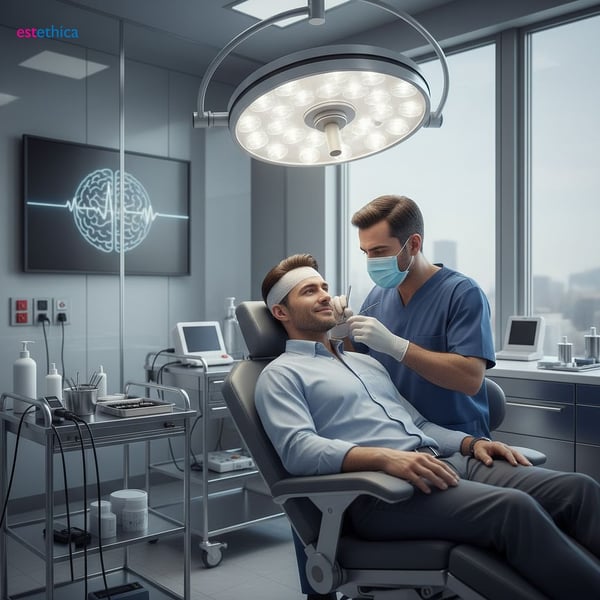
Expert Hair Restoration and FUE Hair Transplant Guide
Achieving a fuller, more youthful head of hair often involves sophisticated procedures designed to restore natural density and appearance. When considering advanced options, the FUE (Follicular Unit Extraction) hair transplant has emerged as a highly sought-after technique. This method is celebrated for its precision, allowing for the meticulous harvesting of individual hair units directly from the donor area. This precise approach minimizes scarring and promotes a quicker healing period compared to older methods. The core of a successful FUE hair transplant lies in the surgeon's skill, from carefully selecting donor sites to artfully placing each graft to ensure a seamless and natural-looking outcome. For those interested in the nuances of achieving natural results, understanding various Expert Hair Transplant & Hairline Restoration: Natural Results is paramount.
Understanding FUE and Advanced Hair Graft Techniques
The Follicular Unit Extraction procedure is a cornerstone of modern hair restoration. It involves transplanting individual hair units, which contain one or more hairs, directly into the areas of thinning or baldness. This technique is particularly favored for its ability to create a very natural-looking result, as the grafts are placed to mimic the original growth patterns and density. The focus on individual unit extraction is key to achieving these subtle yet significant improvements. Beyond the technical aspects of the FUE hair transplant, the overall strategy for hair restoration can be quite varied. Depending on the individual's specific hair loss pattern, the extent of thinning, and their desired aesthetic goals, a comprehensive plan might also incorporate medical treatments or alternative surgical approaches. Exploring different hair graft techniques for natural look is essential for tailoring the procedure to meet expectations. The success of a hairline transplant, for instance, depends heavily on the careful placement of these units to recreate a natural-looking and aesthetically pleasing front hairline.
The Journey to Regrowth and Expert Consultation
Embarking on the path to hair restoration is a significant decision, and understanding the process is crucial for managing expectations. The FUE hair transplant, while minimally invasive, still requires a period of healing. During this time, the transplanted grafts begin to integrate with the scalp, and new hair growth gradually emerges. Patience is a virtue during this phase, as the full results of a hairline transplant typically become apparent over several months. The initial consultation with a specialist is perhaps the most critical step. A thorough assessment of your hair loss, scalp condition, and personal goals allows the expert to recommend the most effective treatment plan. Whether it’s a hairline transplant or a broader restoration effort, the expertise of the surgeon in applying the chosen hair graft techniques for natural look ensures the best possible outcome. This personalized approach is fundamental to achieving the desired density and a natural-looking rejuvenation.

Advanced Hair Graft Techniques for Natural Hairline Restoration
Achieving a natural-looking result is the paramount goal in modern hair transplantation, with advanced hair graft techniques meticulously mimicking original hair patterns and density. Understanding what a hair graft entails and how it is expertly utilized is at the heart of successful hair restoration. Techniques like FUE and FUT are employed to ensure precision and authenticity in every transplanted follicle unit.
The core techniques dominating the field are Follicular Unit Extraction (FUE) and Follicular Unit Transplantation (FUT). FUE involves extracting individual follicular units directly from the donor area, preserving the natural appearance of the donor site. FUT, or strip harvesting, removes a thin strip of scalp to harvest grafts, requiring careful closure to minimize scarring.
Expertise in hair restoration is demonstrated through a deep understanding of hair follicle unit transplantation and the nuances of each technique. This includes mastering the artistic design of hairlines and ensuring grafts are implanted at the correct angle and density. The success of these procedures hinges on the surgeon's skill in both harvesting and implanting grafts with exceptional care.
Navigating the Hair Transplant Recovery Process for Optimal Regrowth
Understanding the hair transplant recovery process is crucial for managing expectations and ensuring optimal results. The initial healing phase, typically the first week post-procedure, is dedicated to the scalp's recovery and careful graft care. This period requires adherence to specific post-operative instructions to protect the newly transplanted hair.
As you move past initial healing, experiencing a temporary shedding of transplanted hairs is common, occurring typically between two to three weeks after surgery. This shedding is a normal part of the hair growth cycle, preceding the visible regrowth. The most rewarding phase is the visible regrowth of new hair, marking progress towards the final outcome.
The journey to regaining a fuller head of hair is supported by clear guidance on the hair transplant recovery process. Patients can trust in established protocols designed to ensure safe healing and robust regrowth. The ultimate achievement is the natural look of the transplanted hair, restoring confidence and appearance.