


A hair transplant is a surgical procedure that moves hair follicles from one part of the body to a bald or thinning area, offering a permanent solution for hair loss and resulting in natural looking fuller hair. Key techniques include FUE and DHI, with hair restoration guiding individuals through the process.
Are you seeking a definitive answer to hair thinning and loss? A hair transplant offers a lasting resolution, restoring your natural hairline and confidence. This advanced procedure involves transplanting hair follicles from one area of the scalp to thinning or balding regions, providing a permanent and natural-looking result. Dive into the world of hair restoration to discover how you can achieve fuller, denser hair and reclaim your youthful appearance. This guide explores the latest in hair transplant techniques, patient experiences, and what makes it the go-to hair loss treatment for many.Experience Natural Looking Fuller Hair with Root Transplantation
The quest for fuller, more youthful hair is a common concern for many. Fortunately, the evolution of aesthetic procedures has made achieving a naturally abundant look more attainable than ever. At the forefront of this transformation is advanced hair root transplantation, a sophisticated technique designed to restore density and confidence. This method is not merely about adding hair; it's about meticulously recreating a natural hairline and achieving a seamless integration with your existing strands.
The core principle of hair root transplantation lies in the precise harvesting and implantation of individual follicular units. These units are carefully extracted from donor areas, typically the back and sides of the scalp where hair is genetically more resistant to thinning. They are then expertly placed into the areas experiencing thinning or balding. The goal is to create coverage and volume that looks entirely authentic, as if the hair has always been naturally dense in that area. This detailed approach ensures that the new growth follows the natural direction and pattern of your existing hair, resulting in a rejuvenated appearance.
Achieving Seamless and Authentic Results
Modern hair root transplantation for thinning areas focuses on the artistry of placement. Skilled surgeons understand the nuances of facial structure, age, and individual hair characteristics to design a hairline that complements the patient’s features. This personalized approach is crucial for achieving the most natural-looking outcome. Whether addressing a receding hairline or thinning at the crown, the careful selection and implantation of each graft contribute to a result that is both visually striking and emotionally uplifting. It offers a permanent solution for hair loss by utilizing your own biological material to create lasting fullness.
The meticulous nature of this procedure means that the transplanted hair grows with vitality, maintaining its color and texture. This provides a discreet yet powerful boost to self-esteem. For those seeking a lasting and effective way to combat hair thinning, hair root transplantation for thinning areas offers a transformative path. It represents a significant advancement in cosmetic surgery, providing a reliable permanent solution for hair loss and restoring a sense of natural abundance and vitality. If you are considering a significant change for your hair, exploring the possibilities of a hair transplant can lead to truly remarkable results. For more insights into how this procedure can offer natural-looking outcomes, consider exploring Hair Transplant: Natural Results & Permanent Solutions. This approach serves as a vital permanent solution for hair loss.
The Ultimate Guide to Hair Restoration and Hair Loss Treatment
Embarking on a journey towards addressing hair thinning or baldness can often feel like navigating a complex landscape. However, understanding the array of options available for combating hair loss is the crucial first step towards regaining confidence and achieving a fuller appearance. The field of hair restoration encompasses a sophisticated range of medical and surgical procedures meticulously designed to combat the effects of thinning hair and baldness, offering a potentially permanent solution for hair loss.
Understanding Modern Hair Restoration Techniques
Modern strategies in hair restoration are multifaceted, focusing not only on preventing further hair loss but also on stimulating natural regrowth. This holistic approach ensures that individuals can achieve effective and lasting results. From advanced non-surgical therapies that can slow down progression to cutting-edge transplantation methods, the goal is to restore density and a youthful aesthetic. The process involves careful planning and execution to deliver outcomes that are both functional and aesthetically pleasing.
At its core, a hair transplant is a procedure that moves hair follicles from a donor area, typically the back or sides of the head where hair is genetically resistant to thinning, to the thinning or bald areas. This hair root transplantation for thinning areas utilizes the body's own natural resources to create a more abundant look. These advanced techniques, including those that focus on precise follicular unit extraction and implantation, aim to achieve a seamless blend with existing hair. It's a significant step towards a permanent solution for hair loss, addressing the root cause rather than just the symptoms. For those seeking to understand more about creating a balanced and aesthetically pleasing outcome, exploring topics like the Natural Hairline Transplant: Your Guide to Hair Restoration can provide valuable insights into achieving a natural-looking result.
The Path to Restored Confidence
The decision to pursue hair restoration is deeply personal, often linked to a desire to restore not just hair, but also self-esteem and a sense of vitality. Modern interventions have made achieving a more youthful appearance through sophisticated hair root transplantation for thinning areas more accessible and effective than ever before. These procedures are designed to provide a permanent solution for hair loss, offering a renewed sense of self for many individuals. The underlying principle is to harness the body's regenerative capabilities to effectively combat hair thinning and baldness, leading to a more confident and vibrant you.
FUE vs. DHI Hair Transplant: Which Procedure is Right for You?
When embarking on the journey towards a fuller head of hair, understanding the different techniques available is paramount. Two of the most prominent methods in modern cosmetic surgery are Follicular Unit Extraction (FUE) and Direct Hair Implantation (DHI). Both aim to provide a permanent solution for hair loss by transplanting healthy hair follicles, but they differ in their approach and execution. Navigating these distinctions is key to selecting the procedure that best suits your individual needs and desired outcomes.Understanding the Core Differences
The fundamental distinction between FUE and DHI lies in the implantation phase. In FUE, individual follicular units are extracted from a donor area, typically the back or sides of the scalp, and then small incisions are made in the recipient area where these units are placed. This traditional FUE method has been a cornerstone of effective hair restoration for years. DHI, often considered an evolution of FUE, refines this process. It also involves extracting follicular units one by one. However, instead of creating separate incisions for implantation, DHI utilizes a specialized Choi pen, or implanter, which allows for the direct insertion of the graft into the scalp. This tool enables the surgeon to control the depth, angle, and direction of each transplanted follicle with exceptional precision. This direct implantation technique may lead to minimized trauma to the scalp and potentially a slightly faster healing process, as the grafts spend less time outside the body. While both techniques are designed to create a natural look, the DHI method’s precision can offer enhanced density and a more natural hairline design. Choosing between them often comes down to surgeon expertise and patient-specific factors, offering a permanent solution for hair loss for many individuals. Ultimately, the best procedure for you depends on a thorough consultation with a qualified specialist. They will assess your specific hair loss pattern, the quality of your donor hair, and your expectations for the outcome. For those seeking comprehensive information on restoring their appearance, exploring options such as Hair Transplant: Restore Your Hairline with Grafting Procedures can provide further context. Both FUE and DHI offer effective pathways to achieving a permanent solution for hair loss through precise hair root transplantation for thinning areas.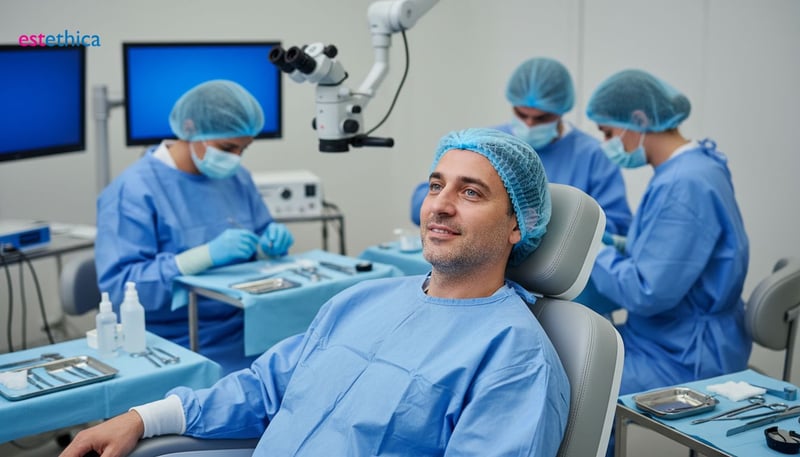
Understanding the Hair Transplant Procedure: How It Works
Many individuals seek a permanent solution for hair loss, and a hair transplant offers just that. At its core, this sophisticated surgical technique involves moving hair follicles that are inherently resistant to balding from one part of your body, known as the donor site, to a bald or thinning area, referred to as the recipient site. The donor area is typically located on the back or sides of the scalp, where hair growth is most robust.
The Consultation and Planning Phase
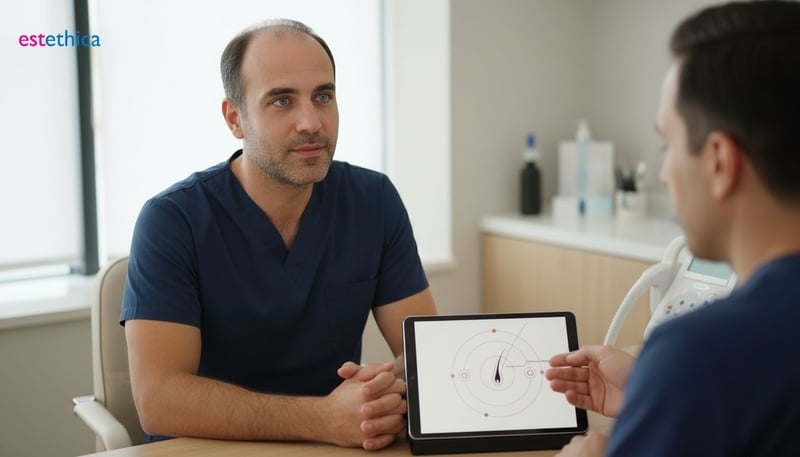
The journey begins with a thorough consultation. Here, a specialist will discuss your desired outcomes, meticulously plan your new hairline, and assess the number of grafts required to achieve the best results. This crucial step ensures that the final outcome is aesthetically pleasing and aligns with your expectations. The goal is always to create a harmonious and age-appropriate look.
The Surgical Process: Graft Harvesting and Implantation
Once the plan is set, the procedure commences under local anesthesia, ensuring patient comfort throughout. There are different methods for harvesting hair follicles, with FUE (Follicular Unit Extraction) and FUT (Follicular Unit Transplantation) being the most common. In FUE, individual follicular units are meticulously extracted one by one directly from the donor area. The FUT method, on the other hand, involves removing a thin strip of scalp tissue from the donor region, which is then carefully dissected into individual grafts under magnification. Following harvesting, these valuable grafts are prepared for implantation. Tiny incisions are then strategically made in the recipient areas, designed to mimic natural hair growth patterns and angles. The surgeon then artfully places each graft into these incisions. This meticulous approach is key to achieving a dense and natural appearance. This detailed process is essential for effective hair root transplantation for thinning areas, aiming for a seamless blend with existing hair.
The entire surgical session can last several hours, depending on the extent of the transplant. Post-procedure, a healing period is necessary. Within a few months, you will begin to notice new hair growth, and over time, this will mature into a fuller head of hair, providing a satisfying permanent solution for hair loss. Understanding the intricacies of the procedure is vital for anyone considering this effective hair root transplantation for thinning areas. If you're interested in the aesthetic aspects of hairline design, you can learn more at Hairline Transplant: Achieve Natural Looking Hair Graft Results, which delves into achieving optimal results through careful planning and execution, contributing to a comprehensive permanent solution for hair loss.

Advanced Hair Root Transplantation: FUE and DHI Techniques for Natural Density
Hair transplantation serves as a permanent solution for hair loss, meticulously restoring a natural hairline and confidence. The core principle involves the precise harvesting and implantation of individual follicular units from a donor area to thinning or balding regions, ensuring a seamless and authentic result.
Modern hair root transplantation for thinning areas focuses on the artistry of placement, aiming to recreate a natural density and appearance. The meticulous nature of this procedure means that the transplanted hair grows with vitality, maintaining its color and texture for long-lasting, natural-looking results.
Our specialists are adept in employing cutting-edge hair restoration techniques, including FUE (Follicular Unit Extraction) and DHI (Direct Hair Implantation), offering tailored solutions for diverse hair loss concerns. These advanced methods are central to our commitment to providing expert hair loss treatment and achieving superior outcomes.
Your Hair Transplant Journey: From Consultation to Lasting Natural Results
The decision to pursue hair restoration is deeply personal, often linked to a desire to restore not just hair, but also self-esteem and a sense of vitality. Many individuals seek a permanent solution for hair loss, and a hair transplant offers just that, providing a lasting answer to thinning and baldness.
The journey begins with a thorough consultation, where experts assess individual needs and create a personalized treatment plan. Once the plan is set, the procedure commences under local anesthesia, ensuring patient comfort throughout the surgical process, which involves meticulous graft harvesting and precise implantation for optimal aesthetic outcomes.
Patients experience natural-looking fuller hair with our advanced root transplantation methods. The meticulous nature of the procedure ensures that transplanted hair grows with vitality, mimicking natural growth patterns and providing a seamless integration with existing hair, leading to restored confidence and a youthful appearance.