


Comprehensive guide to hair transplant procedures, focusing on natural results, advanced techniques like FUE, and understanding the costs involved in hair restoration.
Considering a hair transplant? This guide explores the latest advancements in hair restoration, demystifying procedures like follicular unit extraction and explaining what a hair transplant entails. We'll cover how to achieve natural looking hair transplant results, the intricacies of hairline restoration surgery cost, and crucial recovery insights. Whether you're seeking a hairline transplant or general hair restoration, understand the techniques and what to expect for a confident decision.What is a Hair Transplant? Understanding the Procedure
A hair transplant is a sophisticated surgical procedure meticulously designed to combat hair loss by strategically relocating hair follicles from areas of the scalp with dense hair growth, known as the donor site, to regions experiencing thinning or baldness, referred to as the recipient site. This innovative process offers a highly effective and permanent solution for both men and women grappling with various forms of alopecia, aiming to restore a fuller, more youthful appearance. The ultimate objective of this intervention is to cultivate a natural and enduring aesthetic outcome.
Understanding the Core Techniques
Delving into what is a hair transplant reveals two primary surgical methodologies: Follicular Unit Transplantation (FUT) and Follicular Unit Extraction (FUE). The FUT technique involves the precise removal of a thin strip of scalp from the donor area, from which individual follicular units are then meticulously dissected under microscopic magnification. Conversely, the FUE method entails the direct extraction of individual follicular units from the donor scalp one by one, leaving behind tiny, almost imperceptible scars. While both techniques strive to achieve aesthetically pleasing outcomes, FUE is often favored for its minimally invasive nature, resulting in reduced scarring and a generally quicker recovery period for patients. For those interested in achieving exceptional outcomes, exploring Expert Hair Transplant & Hairline Restoration: Natural Results can provide valuable insights into the nuances of achieving such results.
The journey toward regaining a full head of hair typically begins with a thorough consultation. This crucial initial step allows experienced surgeons to conduct a comprehensive assessment of the patient's individual hair loss pattern, scalp condition, and overall suitability for the procedure. Based on this evaluation, a personalized treatment plan is developed, outlining the specific approach and the number of grafts required to achieve the desired density and coverage. This meticulous planning is paramount to ensuring that the hair transplant yields the most natural-looking outcomes possible, effectively addressing concerns about thinning hair and enhancing overall confidence.
The goal of a hair transplant is not merely to add hair but to recreate a natural-looking hairline that seamlessly integrates with existing hair. Whether addressing significant baldness or refining a receding hairline, the procedure aims for a harmonious and believable result. The careful selection of donor hair and the precise placement of each graft are critical components in achieving these natural looking hair transplant results. A successful hairline transplant significantly impacts a person's appearance, offering a revitalized and more youthful profile. Moreover, understanding the different hair graft techniques explained is essential for patients considering a hairline transplant.
The modern approach to a hairline transplant focuses heavily on density and directionality, mimicking natural hair growth patterns to ensure the final result is virtually indistinguishable from original hair. Each follicular unit is placed with careful consideration for angle and orientation, contributing to the overall authenticity of the outcome. The advancements in this field mean that a hairline transplant can now offer truly remarkable transformations.

Hairline Transplant: Restoring Your Confidence
A receding hairline can significantly impact one's self-perception, often leading to a desire to regain a youthful and harmonious facial aesthetic. This is where a hairline transplant emerges as a highly effective solution. More than just a cosmetic procedure, it's a journey towards renewed self-assurance. This specialized form of hair restoration surgery focuses precisely on reconstructing or lowering a weakened hairline, bringing balance and definition back to the face.
The Art of Natural Appearance
The success of a hairline transplant hinges on achieving incredibly natural looking hair transplant results. Because the hairline is such a prominent feature, meticulous attention to detail is paramount. Skilled surgeons act as artists, carefully considering the direction, density, and angle of each individual hair graft. The aim is to seamlessly blend the transplanted hair with your existing growth, creating a look that is undetectable and intrinsically yours. This process requires a deep understanding of facial structure and a commitment to replicating the subtle nuances of a natural hairline. When performed with expertise, the results can be transformative, providing a rejuvenated appearance that complements your unique features.
Beyond the Procedure: Confidence and Rejuvenation
Opting for a hairline transplant is a significant decision, often representing a substantial investment in oneself. However, for many, the psychological benefits far outweigh the financial consideration. The ability to face the world with increased confidence and a more youthful appearance can profoundly enhance social interactions and overall well-being. The procedure itself involves harvesting healthy hair follicles from a donor area and transplanting them to the balding or thinning sections of the hairline. While the specifics of the techniques employed can vary, the overarching goal remains consistent: to deliver subtle, yet impactful, improvements. For those seeking to enhance their look and feel better about themselves, exploring the possibilities of a Hairline Transplant: Natural Hair Graft Restoration can be a pivotal step. The journey culminates not just in a fuller head of hair, but in a restoration of confidence that radiates outward.
Follicular Unit Extraction: Advanced Hair Graft Techniques
Follicular Unit Extraction, commonly known as FUE, represents a significant advancement in the field of hair restoration surgery. This sophisticated technique involves the meticulous harvesting of individual hair follicles from the donor region of the scalp using specialized micro-punches, typically measuring between 0.8 and 1.2 millimeters in diameter. Unlike older methods that could leave linear scars, FUE offers a virtually undetectable outcome in terms of scarring, making it an ideal choice for individuals who prefer shorter hairstyles or are concerned about scar visibility. This precision ensures that the integrity of each hair follicle is maintained, which is crucial for achieving natural looking hair transplant results.
The FUE Procedure in Detail
The core of the FUE process lies in its minimally invasive approach. Small, circular incisions are made around each follicular unit in the donor area before they are extracted. This careful dissection technique is paramount to the success of the procedure. Once harvested, these units, often containing one to four hairs, are then meticulously implanted into the thinning or balding areas of the scalp. The skill of the surgeon in both extraction and implantation is key to creating a dense, natural-looking coverage and ensuring natural looking hair transplant results. For patients considering a Hair Transplant: Achieve Natural Hairline Restoration, understanding these advanced graft techniques is essential.
Comparing FUE with Traditional Methods
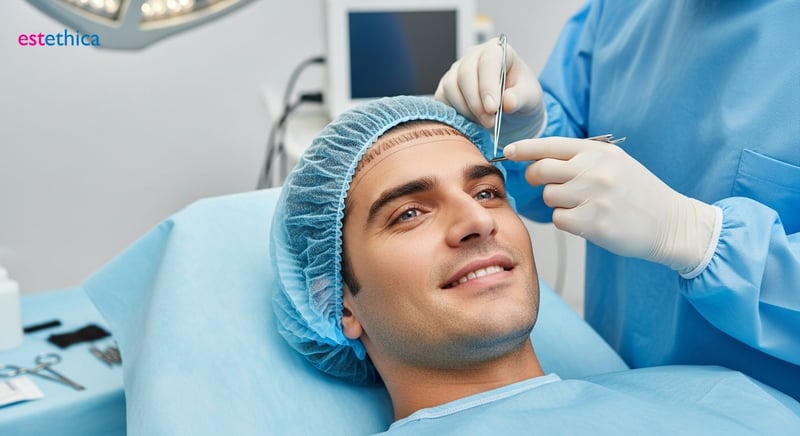
The benefits of FUE extend to the patient's recovery and comfort. Because it avoids a large linear incision, the healing process is generally quicker, with less discomfort and downtime compared to traditional strip harvesting (FUT). This makes it a popular choice for many seeking a hair transplant. The ability to achieve such aesthetic outcomes with minimal scarring is a testament to the evolution of hair graft techniques explained by experts.
Hair Restoration Surgery Cost: What to Expect
Understanding the financial aspect is a significant step for anyone contemplating a hair transplant. The overall expense associated with a hair transplant procedure is not a one-size-fits-all figure. It is predominantly shaped by several key variables, including the extent of hair loss, the number of grafts required to achieve the desired density, the specific methodologies employed (such as FUE or FUT), and the surgeon's level of experience and reputation. While it undeniably represents a substantial financial commitment, it is essential to frame this as an investment in a permanent solution for thinning hair and regaining lost confidence.
Factors Influencing the Overall Expense
The complexity of your hair loss pattern and the target density are primary drivers of cost. More extensive areas requiring coverage necessitate a greater number of grafts, naturally increasing the overall price. Different surgical approaches also carry varying cost implications. For an in-depth look at the techniques that contribute to achieving desirable outcomes, you might find the insights in Advanced Hair Transplant: Expert Solutions for Hairline Restoration to be particularly helpful. The expertise of the surgeon also plays a crucial role; highly sought-after specialists may command higher fees due to their proven track record and skill in delivering natural looking hair transplant results.
Considering the Long-Term Value
While the initial outlay for a hair transplant can seem considerable, viewing it as a long-term investment is crucial. The goal is to achieve permanent results, meaning you won't need repeat procedures for the same area, unlike temporary solutions. Patients often inquire about recovery timelines, and the healing process duration is influenced by the extent of the procedure and individual healing capabilities. A comprehensive consultation with a qualified practitioner is indispensable. This allows for a precise cost assessment tailored to your unique situation and a clear understanding of the expected financial commitment. Evaluating the enduring benefits and the profound boost in self-esteem that a successful hair transplant can provide helps to contextualize the investment required for achieving aesthetically pleasing, natural looking hair transplant results.
Advanced Follicular Unit Extraction for Natural Hairline Restoration
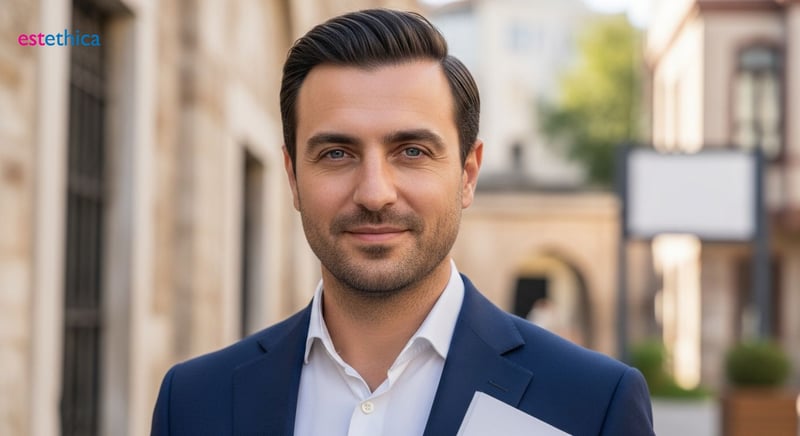
The content delves deeply into advanced hair restoration techniques, specifically highlighting Follicular Unit Extraction (FUE). This method is presented as a significant advancement, focusing on its minimally invasive nature and the precise extraction of individual hair grafts.
Understanding the intricacies of hair graft techniques, such as FUE, is crucial for achieving natural-looking results. The process ensures that transplanted hair integrates seamlessly, aiming to recreate a youthful and harmonious facial aesthetic for the patient.
Expertise in modern hair transplant procedures is demonstrated through detailed explanations of both Follicular Unit Transplantation (FUT) and Follicular Unit Extraction (FUE). The guide emphasizes the importance of skilled surgeons who can execute these advanced hair restoration techniques with precision.
The emphasis on achieving natural results, particularly in hairline transplants, showcases a specialized area of expertise. This involves not just adding hair but meticulously crafting a balanced and aesthetically pleasing hairline that complements the individual's features.
Transparent Hair Transplant Journey: From Consultation to Confidence
Trust is cultivated through a detailed explanation of the hair transplant procedure, demystifying what is involved. The guide ensures readers understand the meticulous design aimed at combating hair loss and restoring a fuller, more youthful appearance.
The importance of the consultation process as the beginning of the journey is stressed, building trust by setting clear expectations. This initial step is crucial for discussing individual needs and determining the best approach for hair restoration.
The guide effectively communicates the transformative impact of a hairline transplant, emphasizing its role in restoring confidence and a harmonious facial aesthetic. The focus on the psychological benefits alongside the physical restoration builds trust in the procedure's value.
By detailing advanced hair graft techniques like FUE and explaining their benefits for patient recovery and comfort, the content assures potential patients. This transparency about the process and its positive outcomes fosters a sense of security and reliability.