


Explore effective weight loss surgery options for long-term health. Learn about gastric sleeve, gastric bypass, and essential post-bariatric care today.
Weight loss surgery options are surgical procedures designed to assist individuals with obesity in achieving significant weight reduction and improving metabolic health. These interventions, often referred to as bariatric surgery, work by restricting stomach capacity or altering digestive processes to support sustainable health outcomes. Understanding these methods is essential for those seeking long-term solutions for weight management.
Understanding Different Weight Loss Surgery Options
Bariatric surgery encompasses several procedures aimed at treating morbid obesity and related health conditions. These interventions are generally considered for individuals with a Body Mass Index (BMI) of 40 or higher, or those with a BMI of 35 to 39.9 who also face serious weight-related health problems such as type 2 diabetes or high blood pressure1. Patients often calculate your bmi to determine if they meet the clinical criteria for these life-changing procedures at estethica Global.
The sleeve gastrectomy and the Roux-en-Y gastric bypass represent the most frequently performed interventions in modern bariatric medicine. A gastric sleeve involves removing a large portion of the stomach to create a smaller, sleeve-shaped pouch, which limits food intake and regulates appetite by reducing ghrelin production. Gastric bypass surgery adds a malabsorptive component by rerouting the small intestine, a dual approach that frequently contributes to a 78% resolution rate for type 2 diabetes in eligible candidates2.
Selecting the Right Procedure
Individual health history and metabolic goals dictate the most appropriate surgical path for each patient. While the gastric sleeve is often preferred for its simplicity and lower complication profile, the gastric bypass provides more significant metabolic benefits for those struggling with severe insulin resistance. Medical professionals at estethica Global evaluate each case thoroughly to ensure that the chosen method effectively addresses long-term health needs and weight loss expectations.
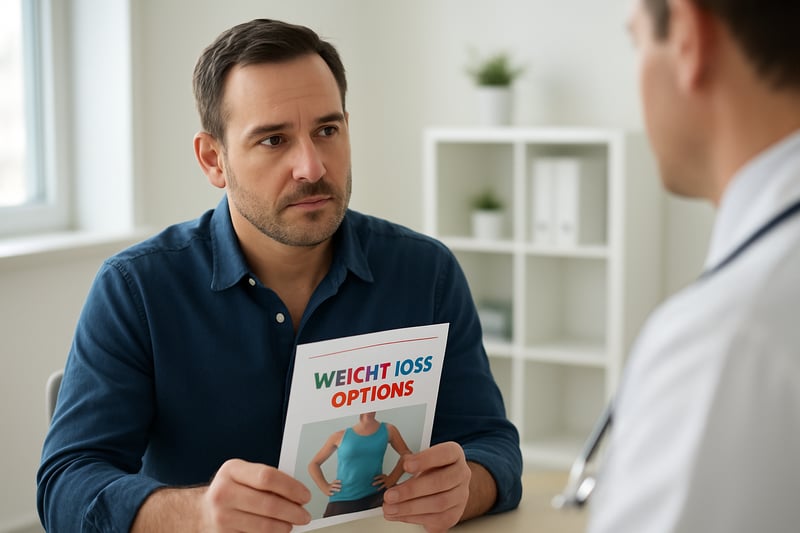
Comparing Gastric Sleeve vs Gastric Bypass for Long-Term Health
Bariatric surgery remains a primary intervention for individuals managing obesity, with clinical guidelines typically recommending these procedures for patients with a BMI of 40 or higher, or those with a BMI of 35 to 39.9 accompanied by weight-related comorbidities like type 2 diabetes or hypertension1. Gastric sleeve surgery functions primarily through restriction by reducing the stomach size, while gastric bypass combines this restriction with intestinal rerouting to alter nutrient absorption. Choosing between these options involves evaluating how each mechanism impacts long-term metabolic stability and lifestyle adaptability.
Metabolic surgery effectively addresses insulin resistance, with research highlighting type 2 diabetes resolution rates reaching approximately 78% following these procedures2. While patients often focus on rapid weight loss, the physiological hormonal changes induced by these surgeries—such as ghrelin suppression in the sleeve and enhanced incretin response in the bypass—are central to maintaining health improvements. Specialists at estethica Global assist patients in navigating these clinical differences to ensure the selected procedure supports their specific health markers and long-term wellness goals.
Procedure Comparison Overview
Understanding the distinct anatomical and functional differences between these surgeries is essential for informed decision-making. The following table highlights the key characteristics of each surgical approach to provide clarity on their respective benefits and limitations.
Post-surgical recovery often involves a focus on skin health as body mass changes, and some patients may explore chemical peel treatments to refresh their appearance during their transformation. Achieving long-term success requires consistent follow-up care and a commitment to nutritional guidelines, regardless of the specific surgical method chosen.
What to Expect During Gastric Sleeve Recovery
Recovery from a gastric sleeve procedure is a structured journey that begins immediately in the hospital, where medical teams monitor vital signs and ensure patients stabilize after anesthesia. Most individuals remain under observation for one to two days to manage initial discomfort and confirm that hydration levels are maintained through intravenous fluids. estethica Global emphasizes that following post-operative protocols is vital for a smooth transition back to daily life.
Patients often report fatigue during the first week as the body adapts to a reduced caloric intake and begins the internal healing process. During this period, focusing on hydration and protein intake is essential to support tissue repair and prevent muscle loss. While individual recovery speeds vary, most people return to light daily activities within two to three weeks, provided they adhere strictly to the personalized nutritional guidelines provided by their surgical team.
Long-Term Nutritional Adaptation
The post-operative timeline involves a gradual transition from liquid to pureed and eventually solid foods, allowing the stomach to heal while ensuring the patient meets their nutritional requirements. Monitoring BMI through consistent follow-up appointments allows surgeons to track progress and adjust bariatric vitamin supplementation as needed. Bariatric surgery remains a primary option for patients with a BMI of 40 or higher, or those with weight-related conditions like type 2 diabetes, which sees a resolution rate of approximately 78% after successful intervention1,2.

Essential Post-Bariatric Nutrition and Lifestyle Changes
Successful long-term outcomes following procedures like gastric bypass or sleeve gastrectomy depend on strict adherence to nutritional guidelines. Because stomach capacity is reduced, patients must prioritize nutrient-dense, high-protein foods to support metabolic health and prevent muscle wasting during rapid weight loss. estethica Global emphasizes that protein intake is the foundation of recovery, as it provides the necessary building blocks for tissue repair and long-term satiety.
Bariatric surgery is typically recommended for individuals with a Body Mass Index (BMI) of 40 or higher, or those with a BMI of 35 to 39.9 who suffer from weight-related comorbidities like type 2 diabetes or hypertension1. Addressing these health conditions is often a primary motivator for surgery, with clinical data indicating that up to 78% of patients experience a resolution of their type 2 diabetes following the procedure2. Ongoing follow-up with a nutritionist ensures that patients meet their micronutrient requirements, effectively reduce the risk of deficiencies that can occur with smaller meal portions.
Maintaining Long-Term Results
Regular physical activity is a critical pillar for sustaining weight loss and improving cardiovascular fitness after bariatric interventions. Incorporating strength training helps boost metabolism while countering the potential for loose skin after weight loss, allowing patients to better manage their physical transformation. estethica Global encourages patients to identify and manage emotional triggers for eating, as behavioral health is just as vital as physical recovery for lasting success.
Why Patients Choose Estethica Global for Bariatric Procedures
Weight loss surgery is a life-changing intervention for individuals struggling with severe obesity, particularly when traditional diet and exercise methods fail to yield sustainable results. estethica Global provides thorough bariatric options, including gastric sleeve and gastric bypass, for patients who meet the clinical criteria, such as a Body Mass Index (BMI) of 40 or higher, or a BMI of 35 to 39.9 accompanied by weight-related comorbidities like type 2 diabetes or hypertension1. By focusing on evidence-based medical standards, the clinic helps patients achieve significant health improvements and long-term weight management success.
The medical team at estethica Global prioritizes patient safety through a multidisciplinary approach that integrates nutritional counseling, psychological support, and advanced surgical techniques. Clinical data summarizes that such interventions are highly effective, with studies reporting a type 2 diabetes resolution rate of approximately 78% following metabolic procedures2. Patients benefit from a structured recovery plan that monitors metabolic changes and ensures the body adapts safely to new dietary requirements after surgery.
Personalized Care and Long-Term Support
Individualized treatment paths at estethica Global ensure that every patient receives care tailored to their specific metabolic profile and health history. From the initial consultation to post-operative follow-ups, the team maintains a transparent communication process to guide patients through the complexities of their weight loss journey. This commitment to patient-centered care support confidence and provides the necessary tools for maintaining a healthy lifestyle long after the surgical procedure is complete.

Surgical Methodologies and Technical Approach
Post-Procedure Management and Long-Term Support
Frequently Asked Questions
Who is generally considered ineligible for weight loss surgery options?
What is the primary difference between gastric sleeve vs gastric bypass?
How does post-bariatric nutrition change immediately after surgery?
What are the common prerequisites required before undergoing surgery?
Is it true that patients can eat whatever they want after surgery?

Ready to Start Your Weight Loss Journey?
Discover which bariatric procedure match your health goals through a personalized consultation.
References
Superscript numbers in the content correspond to the references listed below.
- Mayo Clinic — Bariatric surgery - Mayo Clinic
- PubMed Central (PMC) — Clinical Outcomes of Metabolic Surgery: Efficacy of Glycemic Control, Weight Loss, and Remission of Diabetes - PMC