

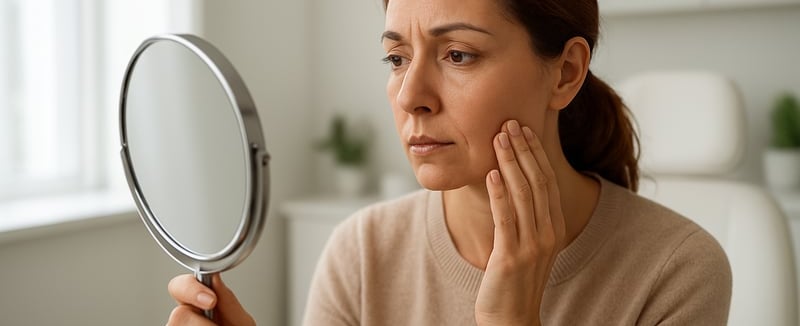
Discover the benefits of a chemical peel for facial rejuvenation. Learn about skin renewal, treatment types, and recovery tips for a healthier complexion.
Chemical peel for facial rejuvenation is a cosmetic dermatology procedure that uses chemical solutions to exfoliate the skin, promoting cell turnover and revealing a smoother, more youthful complexion. This process, often referred to as chemoexfoliation, addresses various skin concerns by inducing controlled injury to the epidermis and dermis. Understanding the different depths and types of peels is essential for achieving optimal results in skin renewal.
Understanding the Benefits of Professional Chemical Peel Treatment for Facial Rejuvenation
Professional chemical peel treatments serve as a cornerstone in dermatological care, offering a flexible solution for patients dealing with rhytides and various dyschromias2. By applying specialized acidic solutions, estethica Global practitioners trigger controlled exfoliation that removes damaged epidermal cells, which in turn encourages the production of new, healthier skin tissue. This clinical approach effectively addresses common concerns like acne vulgaris, actinic keratosis, and generalized photodamage3.
The biological impact of these treatments extends deep into the dermal layers, where increased collagen production helps restore skin elasticity and firmness. Research confirms that glycolic acid applications boost total collagen levels, providing a measurable improvement in overall skin structure after just a few days of recovery1. Patients choosing these services at estethica Global benefit from a refined complexion that appears clearer and more rejuvenated without the need for invasive surgical procedures.
Pros and Cons of Chemical Peeling
Customizing the treatment depth is the primary way estethica Global ensures patient safety and satisfaction. Because every skin type reacts differently to chemical agents, professional assessment is required to determine the appropriate concentration and contact time for the peel. This tailored strategy minimizes the risk of complications while maximizing the aesthetic gains for each individual patient.
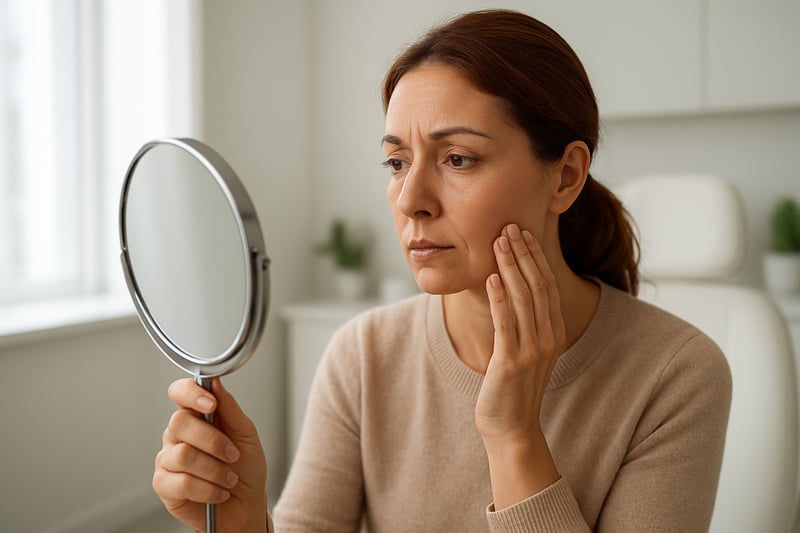
How to Choose the Right Chemical Peel for Your Specific Skin Type
Selecting the appropriate peel requires a precise assessment of skin concerns, sensitivity levels, and desired aesthetic outcomes. Chemical peels serve as an essential modality for addressing various dermatological conditions, including acne vulgaris, melasma, actinic keratosis, and generalized photoaging3. By tailoring the acidic concentration and duration of the treatment, specialists at estethica Global can effectively target surface irregularities or deeper structural concerns to improve skin texture and tone.
Clinical evidence summarizes that specific concentrations of glycolic acid directly influence collagen synthesis, with 25% formulations showing a 10.1% increase in total collagen levels compared to untreated areas1. Because chemical peels provide predictable clinical outcomes for treating rhytides and dyschromias, they remain a foundational tool for patients seeking non-surgical rejuvenation2. A consultation at estethica Global ensures that the chosen chemical agent match your skin’s specific threshold for recovery and long-term vitality.
Peel Selection Criteria
The following table outlines the key features of common chemical peel solutions to help you understand which treatment profile best matches your current skin health and rejuvenation goals.
A thorough Guide to Estethica Global Chemical Peel Services
estethica Global provides a structured approach to skin rejuvenation, emphasizing patient safety and evidence-based protocols. The clinic use advanced diagnostic tools to assess individual skin health before recommending specific treatment plans, ensuring that procedures are performed with precision to achieve natural-looking results while maintaining the integrity of the skin barrier. Chemical peels remain an essential modality for treating rhytides and dyschromias due to their versatility and predictable clinical outcomes2.
The process at estethica Global begins with a detailed consultation where experts review patient history and aesthetic expectations to identify contraindications. Following this assessment, the medical team selects the appropriate chemical agent and concentration to address concerns such as acne vulgaris, melasma, or photoaging3. Research indicates that specific concentrations, such as 25% glycolic acid, can increase total collagen levels in treated skin compared to lower concentrations1.
Medical staff at estethica Global continuously monitor the skin's reaction throughout the procedure to ensure the treatment remains within safe parameters. This commitment to patient-centered care and the application of contemporary dermatological knowledge allow for the effective management of various pigmentation disorders and skin texture irregularities. By balancing modern technological devices with rigorous medical oversight, the facilities in Istanbul deliver consistent improvements in skin quality.
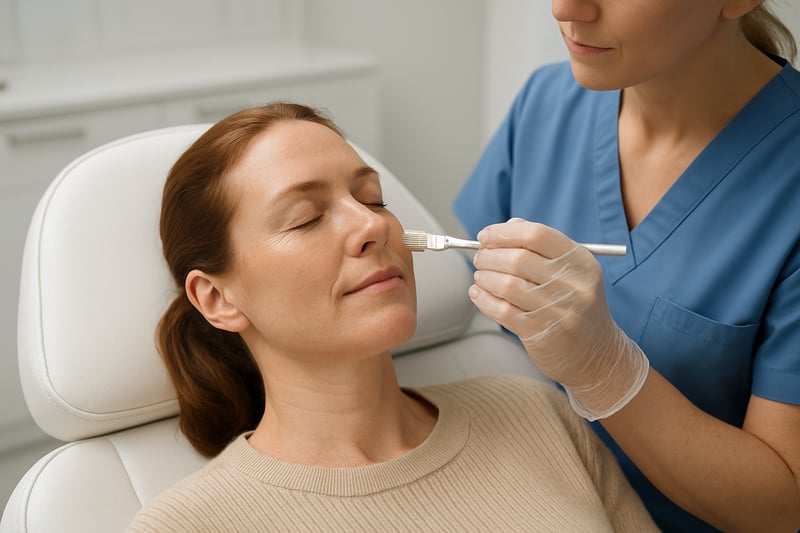
Comparing Deep Versus Light Chemical Peels for Effective Skin Resurfacing
Chemical peels serve as a flexible modality for addressing skin concerns ranging from acne vulgaris and melasma to fine lines and photodamage3. Practitioners at estethica Global use these treatments to manage rhytides and dyschromias by using predictable clinical outcomes tailored to specific patient needs2. Selecting the appropriate depth of peel depends on the severity of the condition and the patient's capacity for post-procedural recovery.
Light chemical peels primarily influence the epidermal layer, promoting gentle exfoliation that enhances skin texture and clarity. Because these superficial treatments minimize downtime, they are often performed in a series to achieve cumulative improvements in collagen density and overall radiance1. Conversely, deep peels reach the reticular dermis, triggering significant structural changes that are highly effective for correcting deep-set scars or advanced photoaging.
Professional guidance from estethica Global ensures that each patient receives a treatment plan match their aesthetic goals and lifestyle requirements. While deep resurfacing provides more dramatic results, the intensity of the procedure necessitates careful aftercare and a longer healing period compared to lighter, more frequent interventions.
Peel Depth and Recovery Profiles
Essential Recovery Tips After Your Professional Skin Rejuvenation Procedure
Professional chemical peels are essential modalities for addressing rhytides and dyschromias, yet the quality of your recovery determines the final aesthetic outcome2. Immediately following your appointment at estethica Global, the treated area will likely exhibit redness and heightened sensitivity as the skin initiates its natural repair cycle. Protecting this vulnerable barrier requires strict adherence to sun avoidance and the consistent application of broad-spectrum sunscreen to prevent post-inflammatory hyperpigmentation.
Controlled peeling and flaking represent the normal shedding of damaged layers, which stimulates new collagen production1. Patients must resist the urge to manually peel or scrub the skin, as premature removal of these crusts increases the risk of scarring and infection. Clinical studies indicate that these procedures are highly effective for managing conditions ranging from acne vulgaris to photoaging, provided the post-procedural instructions are followed with precision3.
Hydration and gentle cleansing serve as the cornerstones of a successful recovery protocol at estethica Global. using recommended, non-irritating products helps maintain the integrity of the moisture barrier while your skin undergoes the renewal process. Should you experience persistent swelling, intense discomfort, or any signs of infection, contacting your specialist immediately remains the safest course of action to ensure optimal healing.

Technical Application and Chemical Peel Methods
Recovery, Safety Considerations, and Expectations
Frequently Asked Questions
Who is not a good candidate for a professional chemical peel treatment?
What steps should I take to prepare my skin before a dermatological facial peel?
How long is the typical recovery period following a chemical peel for facial rejuvenation?
Is it true that a professional chemical peel treatment will permanently thin the skin?
What is the difference between a dermatological facial peel and at-home exfoliating products?

Is a Chemical Peel Right for Your Skin Type?
Discover which rejuvenation treatment match your specific aesthetic goals.
References
Superscript numbers in the content correspond to the references listed below.
- PubMed Central (PMC) — Glycolic acid adjusted to pH 4 stimulates collagen production and epidermal renewal without affecting levels of proinflammatory TNF‐alpha in human skin explants
- PubMed — Role of Chemical Peels in Facial Rejuvenation Today
- StatPearls - NCBI Bookshelf - NIH — Chemical Peels for Skin Resurfacing