


Discover the benefits of HIFU facial rejuvenation for non-surgical skin tightening. Learn how this ultrasound therapy works and what results to expect.
HIFU facial rejuvenation is a non-invasive aesthetic procedure that uses ultrasound energy to stimulate collagen production for skin tightening. This technique targets deep dermal layers to improve skin elasticity and contouring without the need for surgical intervention. Understanding the underlying mechanisms and expected outcomes is essential for those considering this approach to facial rejuvenation.
Understanding the Science Behind HIFU Skin Tightening Treatment
High-Intensity Focused Ultrasound (HIFU) use focused acoustic energy to reach precise depths within the dermal and subdermal layers of the skin. By heating targeted tissue to approximately 60–70 °C, the procedure creates thermal coagulation points that initiate a natural wound-healing response, leading to collagen denaturation and subsequent neocollagenesis1. estethica Global employs this technology to stimulate the body's regenerative processes, resulting in firmer and more resilient skin architecture over time.
Targeting the SMAS Layer
The superficial musculoaponeurotic system (SMAS) serves as the primary structural target for this treatment, mirroring the anatomical plane addressed during traditional surgical face lifts. Delivering energy at specific depths promotes deep tissue contraction and provides the structural support necessary for effective facial contouring without the need for invasive surgery. Clinical observations indicate that this targeted approach achieves significant skin tightening and wrinkle reduction in areas such as the jawline, cheeks, and perioral zones3,4.
Collagen Production and Skin Elasticity
The stimulation of collagen and elastin fiber synthesis is the essential outcome of HIFU therapy, as the skin gradually repairs the controlled thermal injury. Research shows that 92% of patients summarizes measurable improvements in skin tightening that can continue for up to one year following the procedure4. Patients typically report high levels of satisfaction with the gradual restoration of skin laxity, as the body naturally improves texture and resilience through ongoing collagen remodeling2,3.

Key Benefits of Choosing Estethica Global for HIFU Facial Rejuvenation
Estethica Global use high-intensity focused ultrasound (HIFU) to stimulate deep tissue layers, effectively increasing collagen and elastin expression while promoting fiber density for visible skin rejuvenation1. By reaching precise thermal temperatures of 60–70 °C, the procedure induces controlled collagen denaturation and subsequent remodeling, which provides a non-invasive alternative to traditional surgical face lifts1. Patients benefit from a rigorous safety framework that prioritizes structural integrity and skin health during every stage of the treatment process.
Clinical assessments indicate that HIFU is particularly effective for targeting the jawline, cheeks, and perioral areas, often yielding satisfaction rates exceeding 78% among patients3. Because the medical team at estethica Global customizes energy delivery based on individual skin thickness and laxity, they are able to achieve consistent improvement scores in both wrinkle reduction and overall skin tightening2. This personalized approach ensures that the energy focuses exactly where it is needed most, minimizing discomfort while maximizing the aesthetic outcome.
Long-term results are a hallmark of the protocols followed at estethica Global, with studies showing that skin tightening and wrinkle reduction can persist for up to one year following the procedure4. The combination of expert physician oversight and advanced ultrasound technology allows for significant aesthetic improvements, such as visible brow elevation and submental area reduction, without the downtime associated with invasive cosmetic surgery4.
Advantages and Considerations of HIFU
| Advantages (Pros) | Disadvantages (Cons) |
|---|---|
| Non-invasive procedure requiring no surgical incisions or anesthesia. | Temporary mild redness or swelling may occur immediately post-treatment. |
| Stimulates natural collagen production for long-lasting structural support. | Results appear gradually over several months as collagen remodeling progresses. |
| Zero downtime, allowing patients to return to daily activities immediately. | May require multiple sessions for patients with advanced skin laxity. |
| High precision targeting of specific facial zones like the jawline and brow. | Individual pain thresholds can vary during the energy delivery phase. |
What to Expect During Your Non-Surgical Face Lift HIFU Procedure
The procedure begins with a detailed assessment at estethica Global to identify specific areas for skin tightening. During the session, the ultrasound transducer delivers focused energy that penetrates deep into the dermal layers, raising local temperatures to approximately 60–70 °C to stimulate collagen denaturation and remodeling1. Most patients report a mild heating or tingling sensation as the energy is applied, though this is generally well-tolerated without the need for anesthesia.
Clinical observations summarizes that HIFU is particularly effective for targeting the jawline, cheeks, and perioral areas, with many patients reporting satisfaction rates exceeding 78% for these specific zones3. The duration of the treatment is contingent upon the number of areas addressed, such as the brow, neck, or mid-face, but the process remains highly efficient for individuals seeking rejuvenation without surgical intervention. This non-invasive approach provides objective improvements in skin tightening that continue to develop as the body produces new collagen over subsequent months1.
Recovery and Results
Post-procedure, patients may experience minor redness or slight swelling, though these effects are temporary and typically resolve within a few days. Because the treatment is non-surgical, there is no significant downtime required, allowing individuals to resume their normal daily activities immediately after leaving estethica Global. Long-term studies indicate that these improvements, including enhanced brow and submental lifting, remain visible for up to one year following the initial session4.
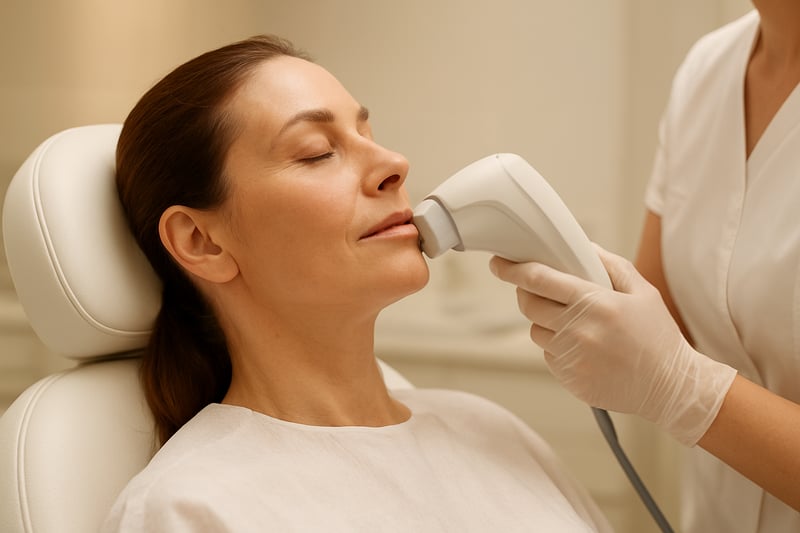
Analyzing Real HIFU Skin Tightening Before and After Results
Visible changes following HIFU therapy rely on the body's natural biological response to thermal energy, which induces collagen denaturation and subsequent neocollagenesis. Clinical research confirms that while minor tightening appears shortly after the procedure, the most significant aesthetic improvements emerge gradually as new elastin and collagen fibers accumulate within the dermis1. Patients at estethica Global often observe that these structural changes continue to develop over several months, leading to a more refined appearance in the treated zones.
Objective measurements from clinical studies highlight the effectiveness of high-intensity focused ultrasound in addressing localized skin laxity. Systematic reviews indicate that patients frequently report high satisfaction levels regarding improvements in the jawline, cheeks, and perioral regions, with success rates often exceeding 80% according to physician assessments3. These measurable outcomes are further supported by data showing significant reductions in skin sagging, particularly in brow and submental areas, where lift measurements have been documented in clinical trials4.
Factors Impacting Treatment Success
Individual outcomes vary based on baseline skin quality, age, and the specific degree of underlying laxity present at the time of the procedure. While estethica Global provides professional consultations to manage expectations, it is important to recognize that non-surgical ultrasound treatments serve as a rejuvenation tool rather than a substitute for surgical interventions like a traditional rhytidectomy in cases of severe skin sagging. Consistent follow-up and personalized treatment plans help ensure that aesthetic goals are match what non-invasive technology can realistically achieve2.
Determining if Professional HIFU Facial Rejuvenation Is Worth the Investment
Evaluating the value of HIFU facial rejuvenation requires balancing the desire for non-invasive aesthetic improvements against individual skin goals. Patients often choose this route to achieve natural-looking tightening without the downtime associated with surgical procedures like a traditional rhytidectomy. Research indicates that the acoustic energy used in these treatments triggers collagen denaturation and synthesis, leading to visible improvements that can persist for up to one year or longer4.
Specialists at estethica Global conduct thorough assessments to ensure that candidates have realistic expectations regarding their unique facial anatomy. By focusing on specific areas such as the jawline, cheeks, and perioral zones, practitioners can achieve high satisfaction rates, with some studies reporting improvement scores exceeding 78% in patient feedback3. This personalized approach allows for a clearer understanding of how the procedure addresses skin laxity compared to alternatives like dermal fillers or thread lifts.
Long-Term Aesthetic Viability
The cumulative nature of collagen production ensures that skin quality continues to refine throughout the months following the initial session. Maintaining a consistent skincare routine and protecting the skin from environmental stressors supports these long-term results, solidifying the procedure as a staple in modern medical aesthetics. Choosing estethica Global for these treatments provides access to professional expertise, ensuring the application of energy levels that safely promote elastin fiber density and enhanced skin structure1.
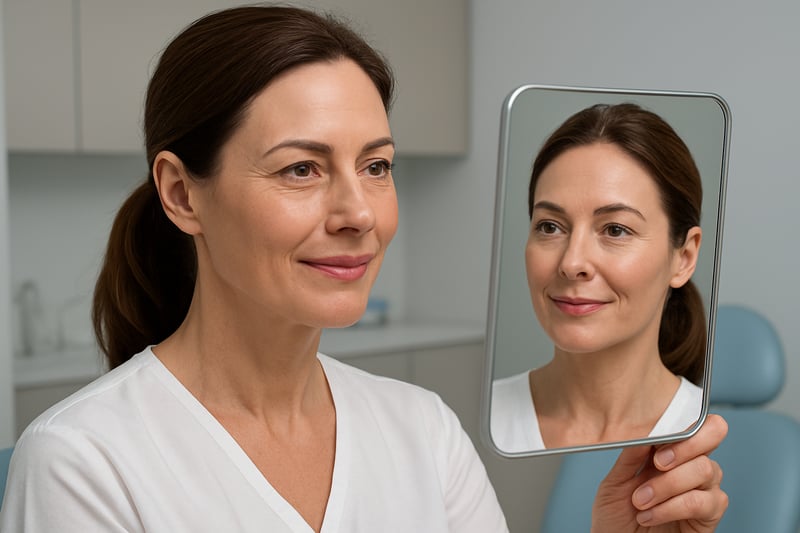
HIFU Mechanism and Technical Application
Safety Protocols and Procedural Expectations
Frequently Asked Questions
Who is not a suitable candidate for a non-surgical face lift HIFU procedure?
What should I avoid in my skincare routine before undergoing HIFU facial rejuvenation?
How long is the typical recovery period following a HIFU skin tightening treatment?
Is it a misconception that HIFU results are permanent and never require maintenance?
How does HIFU differ from other non-surgical aesthetic procedures like radiofrequency?

Is HIFU Right for Your Skin Goals?
Connect with our clinical team for a professional assessment of your facial rejuvenation needs.
References
Superscript numbers in the content correspond to the references listed below.
- PMC — High-Intensity Focused Ultrasound Increases Collagen and Elastin Fiber Synthesis by Modulating Caveolin-1 in Aging Skin - PMC
- PubMed — Systematic review and meta-analysis of safety and efficacy of high-intensity focused ultrasound (HIFU) for face and neck rejuvenation - PubMed
- PMC — High-Intensity Focused Ultrasound for the Treatment of Wrinkles and Skin Laxity in Seven Different Facial Areas - PMC
- PMC — A Systematic Review of the Efficacy of Microfocused Ultrasound for Facial Skin Tightening - PMC