


Learn about BMI requirements for plastic surgery and how they impact surgical safety. Consult with estethica Global for a personalized health assessment today.
BMI requirements for plastic surgery are established clinical thresholds used to assess patient safety and minimize potential surgical complications. These guidelines help surgeons evaluate whether a patient is a suitable candidate for elective procedures by considering the physiological impact of adipose tissue on anesthesia and recovery. Understanding these criteria is essential for anyone considering cosmetic enhancements to ensure optimal health outcomes.
Understanding BMI Requirements for Plastic Surgery Safety
Preoperative surgical risk assessment remains a fundamental component of any cosmetic procedure at estethica Global. Surgeons use the Body Mass Index (BMI) as a standardized metric to gauge the physiological readiness of a patient for surgery, as adipose tissue volume influences the body's response to surgical stress1. Maintaining an appropriate weight range is essential for minimizing complications, such as wound dehiscence and systemic inflammatory responses, that may arise during the healing process.
Medical professionals focus on the relationship between body mass and potential surgical complications to ensure patient health and anesthetic clearance. Patients considering procedures like weight loss surgery often require a tailored approach to meet safety benchmarks. By adhering to established BMI guidelines, surgeons reduce the risk of Venous Thromboembolism (VTE) and other obesity-related issues, ensuring that the patient’s body can effectively manage the demands of the intervention.
Clinical Perspectives on Patient Safety
Patient health assessment involves a thorough review of medical history and physical status to optimize outcomes. Surgeons frequently recommend maintaining a stable weight prior to elective procedures to improve the overall safety profile of the surgery. For individuals exploring bariatric surgery, these preoperative assessments are critical steps in achieving long-term health goals and successful surgical results.

Why BMI Limits Matter for Tummy Tuck and Liposuction Eligibility
Body contouring procedures like abdominoplasty and liposuction require careful patient selection to ensure optimal tissue healing and minimal surgical risk. Surgeons at estethica Global evaluate BMI because higher adipose tissue volume can increase the mechanical tension on surgical incisions. Research indicates that obesity and improve preoperative BMI are independent risk factors for postoperative complications, with some studies showing complication rates as high as 74.1% in obese patient cohorts1.
Excessive intra-abdominal fat complicates the surgical site by putting strain on the abdominal wall closure, which can lead to delayed wound healing or seroma formation. By adhering to established BMI safety thresholds, estethica Global surgeons reduce the likelihood of these adverse events and improve the overall aesthetic outcomes for patients seeking a tummy tuck. Managing these physical parameters is a standard protocol to ensure the long-term success and safety of body contouring interventions.
Adipose Tissue and Metabolic Safety
Liposuction eligibility is determined by the volume of fat removal required to achieve body sculpting goals while maintaining patient stability during and after anesthesia. Patients with a higher BMI may experience altered pharmacokinetics, meaning their body processes anesthetic medications differently compared to patients within a lower weight range. estethica Global maintains strict safety parameters for fat removal volumes, ensuring that every procedure remains within a physiological range that supports effective recovery and minimizes systemic stress.
How to Calculate Your BMI for Cosmetic Surgery Candidacy
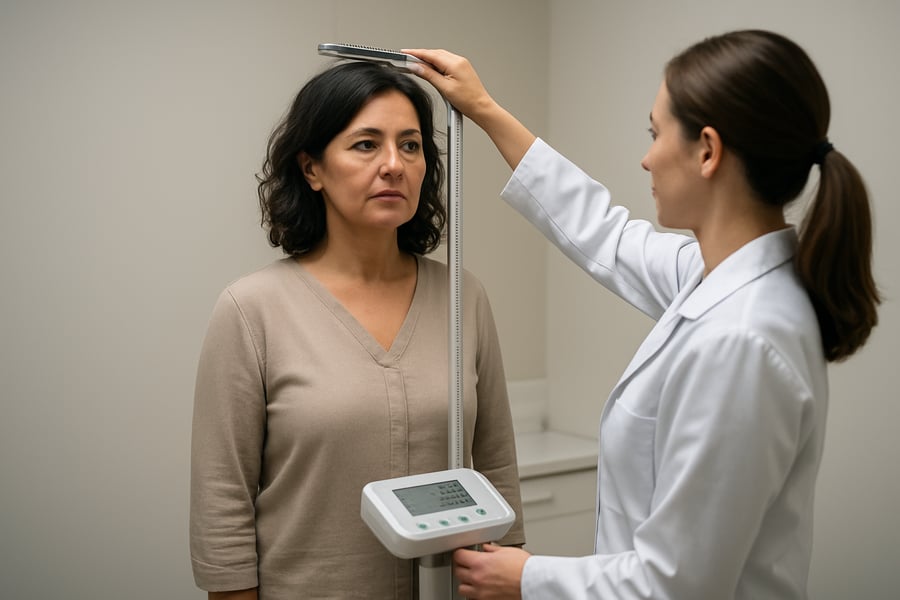
Determining your Body Mass Index (BMI) involves dividing your body weight in kilograms by the square of your height in meters. This numerical result provides estethica Global surgeons with an initial baseline to assess your safety and eligibility for procedures such as a tummy tuck or liposuction. Research indicates that improve preoperative BMI is an independent risk factor for postoperative complications, including seroma and delayed wound healing, making this calculation a vital component of your health screening1.
Precision is essential when gathering these measurements, as even minor discrepancies can impact your candidacy status. While online calculators offer a quick estimate, they do not account for muscle density or specific body fat distribution, which are critical details for complex surgeries like facial fat reduction. Patients interested in body contouring or non-surgical skin tightening should view BMI as a starting point rather than a definitive barrier, as surgical planning requires a thorough review of your overall medical history.
Factors Influencing Surgical Eligibility
Surgeons at estethica Global prioritize patient safety by evaluating your health beyond simple weight metrics. A thorough consultation involves reviewing your metabolic health, lifestyle factors, and specific aesthetic goals to ensure you are a suitable candidate for your desired procedure. This individualized assessment strategy minimizes surgical risks while helping you achieve the most natural and satisfying results.
Managing Anesthesia Risks and Post-Operative Recovery Based on Weight
Anesthesia safety is a primary concern for patients considering procedures such as a tummy tuck or liposuction, as higher BMI levels can influence drug metabolism and respiratory function. estethica Global prioritizes thorough preoperative assessments to ensure that physiological stress is minimized and the anesthesia plan is tailored to the patient's specific metabolic profile. Research indicates that patients with higher preoperative BMI face higher rates of overall surgical complications, including seroma formation, making weight stabilization a vital component of the preparation process1.
Post-operative recovery requires strict adherence to personalized protocols to reduce the risk of infection and delayed wound healing. Patients are encouraged to follow structured movement and care instructions provided by the medical team at estethica Global to support tissue integrity and blood circulation. Monitoring for signs of distress during the initial recovery window is essential for achieving optimal aesthetic results from procedures like breast augmentation or body contouring.
Anesthetic Clearance and Physiological Stress
Anesthesiologists must carefully manage the distribution of sedative agents in patients with higher adipose tissue, as these drugs can behave differently compared to leaner individuals. By maintaining a stable physiological state through precise dosing and continuous monitoring, the surgical team at estethica Global reduce potential cardiovascular and pulmonary challenges. A thorough evaluation of the patient's health status ensures that every plastic surgery procedure is conducted with the highest safety standards in place.
Scheduling Your Estethica Global Plastic Surgery BMI Consultation
Initiating your journey toward aesthetic improvement begins with a thorough consultation at estethica Global, where specialists evaluate your physical health and surgical candidacy. During this assessment, clinical teams review your medical history and BMI to ensure you meet the safety benchmarks required for procedures like abdominoplasty, breast augmentation, or liposuction. Research indicates that improve BMI is an independent risk factor for surgical complications, with studies showing higher rates of seroma and other minor issues in patients with higher preoperative weight indices1.
Open communication during your appointment allows the surgical team to tailor a plan that match your specific aesthetic goals while minimizing potential health risks. You should feel encouraged to discuss your long-term weight management strategies and how they intersect with your recovery timeline. By prioritizing a stable BMI, you set the foundation for a smoother recovery and more predictable results following your cosmetic surgery.
Weighing Your Surgical Pathway
Deciding to undergo body contouring or breast enhancement requires careful consideration of the physical demands placed on your body during the healing process. The following table outlines the trade-offs associated with pre-surgical weight optimization and professional medical assessment.
Working closely with the experts at estethica Global ensures that every decision, from initial assessment to final recovery, is grounded in evidence-based safety standards. Every patient receives a customized roadmap that balances their desire for transformation with the physiological realities of their current health status.

Clinical Assessment Criteria and Safety Protocols
Transparency in Surgical Planning and Expectations
Frequently Asked Questions
Are there specific BMI requirements for plastic surgery that differ for body contouring procedures like a tummy tuck?
What preparation steps should I take if I do not currently meet the BMI requirements for plastic surgery?
Is it true that reaching the recommended BMI automatically guarantees a successful outcome for my plastic surgery?
How long should I maintain a stable weight before undergoing a procedure if I have recently lost weight?
What are the primary alternatives for patients who are not suitable candidates due to current BMI requirements for plastic surgery?

Is Your BMI Suitable for Surgery?
Understand the safety standards and get expert advice tailored to your health goals.
References
Superscript numbers in the content correspond to the references listed below.
- PubMed (Journal: Aesthetic Plastic Surgery) — Abdominoplasty and Patient Safety: The Impact of Body Mass Index and Bariatric Surgery on Complications Profile - PubMed