


Learn about buccal fat removal, a facial contouring surgery for sculpted cheekbones. Discover if you are a candidate and what to expect during recovery.
Buccal fat removal is a surgical procedure that involves the excision of the buccal fat pad to achieve a more defined and sculpted facial appearance. This aesthetic facial surgery targets localized adipose tissue in the cheeks to enhance the prominence of the zygomatic arch and refine the mid-face contour. Understanding the anatomical considerations and expected outcomes is essential for individuals exploring this facial contouring option.
Understanding the Buccal Fat Pad Excision Procedure
The buccal fat pad, anatomically recognized as Bichat's fat pad, functions as a distinct adipose structure situated deep within the cheek area2. Unlike subcutaneous fat, this encapsulated tissue provides structural fullness to the lower face, and its surgical removal at estethica Global aims to accentuate the zygomatic prominences for a more defined, contoured aesthetic. Clinical outcomes remain highly favorable, with research indicating that over 84% of patients report significant improvements in facial contour following the procedure1.
Surgeons at estethica Global perform this refinement by creating a discreet intraoral incision on the interior of the cheek to access the fat pad directly. This approach ensures that no visible scarring remains on the skin surface, allowing for a smooth recovery process. During the surgery, a precise portion of the adipose tissue is carefully dissected and excised, with studies showing an average removal volume of approximately 2.74 mL per cheek1.
Anatomical Precision and Safety
Safe execution of buccal fat pad excision requires a deep understanding of facial architecture, specifically the proximity of the parotid duct and critical facial nerve branches. By careful navigating these underlying structures, the surgical team at estethica Global prioritizes the integrity of facial movement and tissue health throughout the procedure. This specialized focus on anatomical safety allows for effective mid-face volume reduction while maintaining a natural, balanced appearance2.

Determining if You Are a Candidate for Buccal Fat Removal
Ideal candidates for buccal fat removal at estethica Global are typically individuals who maintain a stable, healthy weight but struggle with persistent fullness in the lower cheeks that does not respond to diet or exercise. Clinical assessments focus on isolating the buccal fat pad, often referred to as Bichat's fat pad, which is an anatomical structure that influences facial volume and the definition of the zygomatic prominences2. Patients seeking a more sculpted, angular appearance often prioritize this procedure to achieve a refined facial contour that complements their natural bone structure.
A professional consultation at estethica Global is essential to distinguish between fullness caused by buccal fat and other factors such as skin laxity, muscle hypertrophy, or glandular issues. Patients with naturally thin or gaunt faces are generally discouraged from this surgery, as excessive fat removal can lead to a prematurely aged appearance over time. Surgeons evaluate the specific fat distribution to ensure that the removal of the buccal fat pad will yield a harmonious and aesthetically pleasing result rather than an overly hollowed look.
Evaluating Facial Structure and Expected Outcomes
Successful outcomes rely on realistic expectations regarding how facial anatomy responds to tissue reduction. Studies indicate that a significant majority of patients report improved facial contouring following buccal fat pad excision, noting higher satisfaction with their defined cheekbones1. estethica Global prioritizes safety and precision, ensuring that the volume of tissue removed is carefully measured to maintain facial balance and avoid complications, which are statistically rare when performed by a qualified specialist3.
Comparing Buccal Fat Removal Surgery to Facial Liposuction
Buccal fat removal targets the deep, encapsulated Bichat's fat pad, an anatomical structure that primarily influences the fullness of the mid-face region2. By surgically excising this specific fat deposit through an intraoral incision, surgeons can achieve a more defined zygomatic prominence and a sculpted cheek appearance. Research indicates that this procedure yields high patient satisfaction, with a significant majority reporting improved facial contours following the refinement of the cheek area1.
Facial liposuction addresses the superficial subcutaneous fat layer, which is distributed across the jawline, chin, and neck rather than the deep mid-cheek. This technique use small cannulas to remove generalized fat deposits, making it an ideal solution for those seeking to reduce a double chin or sharpen the mandibular border. Unlike buccal fat removal, which is highly localized to the mid-face, liposuction provides a broader approach to facial weight loss and definition.
Choosing the Right Approach
Selecting the most effective contouring method depends on the specific distribution of facial fat and the patient's aesthetic goals. Professionals at estethica Global evaluate facial anatomy to determine whether a patient requires deep tissue sculpting or superficial fat reduction. Combining these procedures is sometimes recommended for patients looking to achieve thorough facial rejuvenation, ensuring a balanced and harmonious silhouette.
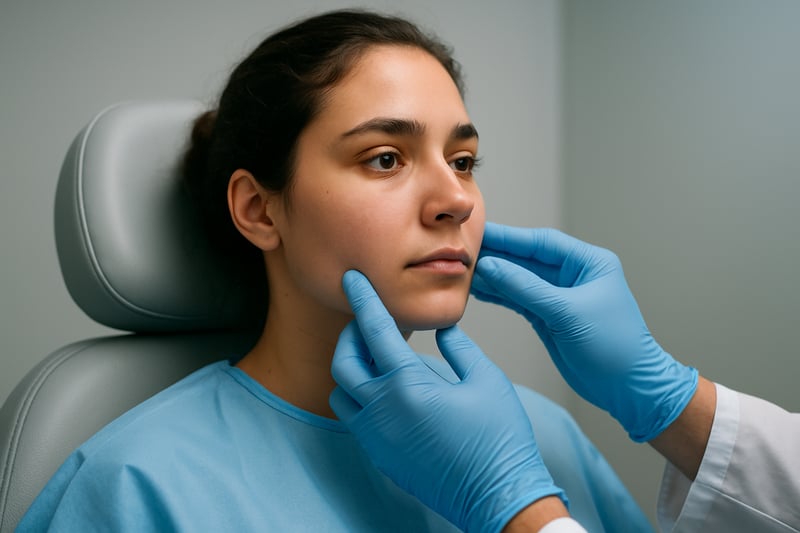
What to Expect During Buccal Fat Removal Recovery
Recovery following the procedure is generally manageable, though patients must follow specific aftercare protocols provided by estethica Global to ensure optimal healing. Immediately after surgery, patients typically experience swelling and mild discomfort in the cheek area, which is a normal response as the body begins the healing process. Clinical observations indicate that the buccal fat pad is a n important anatomical structure, and its surgical removal necessitates a period of rest to allow for proper tissue adjustment 2.
Most individuals notice that facial swelling peaks within the first few days and gradually subsides over the following weeks. Maintaining oral hygiene is essential during this time to prevent infection at the internal incision sites, often involving the use of a prescribed antiseptic mouthwash. Research into surgical outcomes highlights that when proper post-operative care is followed, complications remain rare, with most patients reporting high satisfaction with their refined facial contours 1.
Post-Operative Care and Results
Patients are advised to adhere to a soft-food diet for a short duration to minimize irritation to the surgical site and promote faster tissue recovery. While returning to daily activities is often possible within a few days, estethica Global recommends avoiding strenuous physical exercise to prevent increased blood pressure and potential swelling. Realistic expectations are vital, as the final aesthetic results of the mid-face rejuvenation may take several months to become fully apparent as residual swelling resolves completely 3.
Achieving Sculpted Cheekbones with Estethica Global Buccal Fat Removal
Achieving a refined facial profile requires a combination of surgical expertise and a personalized approach. At estethica Global, the focus is on providing thorough care that matches individual aesthetic goals. The surgical team use advanced techniques to ensure that the excision of the buccal fat pad is performed with precision, prioritizing patient safety and natural-looking outcomes. According to anatomical studies, the buccal fat pad, also known as Bichat's fat pad, is a key structure that, when reduced, effectively enhances the prominence of the zygomatic bones and improves overall facial balance2.
Specialized centers provide access to experienced surgeons who understand the complex nuances of facial contouring. Clinical data summarizes that when this procedure is performed by qualified professionals, it achieves a high success rate, with a vast majority of patients reporting significant improvements in their facial contours1. By integrating modern surgical practices with a commitment to high ethical standards, estethica Global supports patients through every stage of their transformation, from the initial assessment to the final recovery phase.
Precision and Patient Safety
Every buccal fat removal procedure at estethica Global is tailored to the unique anatomy of the patient to ensure harmonious results. Research indicates that surgical excision remains a highly reliable method for facial refinement, consistently yielding better outcomes compared to non-surgical alternatives like injection lipolysis, which carry a higher risk of complications3. This dedication to excellence ensures that each patient receives the precise guidance and surgical care necessary to achieve their desired sculpted cheekbones.

Surgical Methodology and Anatomical Precision
Operational Standards and Post-Procedural Care
Frequently Asked Questions
Who is not a good candidate for buccal fat removal surgery?
What is the typical recovery period after undergoing buccal fat removal?
Is it true that buccal fat removal causes excessive facial sagging in the long term?
How does buccal fat removal differ from facial liposuction?
What preparatory steps are recommended before buccal fat removal surgery?

Is Buccal Fat Removal Right for Your Facial Structure?
Speak with our clinical team to understand your aesthetic options and recovery expectations.
References
Superscript numbers in the content correspond to the references listed below.
- PubMed Central (PMC) — Buccal fat pad excision for cheek refinement: A systematic review
- StatPearls (NCBI Bookshelf) — Buccal Fat Pad Reduction
- PubMed — Success Rate of Buccal Fat Pad Removal in Cases of Previous Injection Lipolysis of the Cheeks: A Comparative Analysis