


Discover the life-changing potential of bariatric surgery, from understanding the procedures to navigating the recovery and celebrating transformations.
Embarking on a journey toward significant and sustainable weight loss can be life-changing. For many individuals struggling with obesity, bariatric surgery offers a powerful tool to achieve their health goals. This comprehensive guide delves into what bariatric surgery entails, explores transformative before and after results, discusses various weight loss surgery options, and outlines the crucial recovery process. If you're considering obesity treatment surgery, understanding these aspects is the first vital step towards a healthier future.Understanding Bariatric Surgery: What is it?
Bariatric surgery, often referred to as weight loss surgery, encompasses a range of procedures designed to help individuals with severe obesity lose weight. These procedures work by altering the digestive system to either reduce the amount of food the stomach can hold or to decrease the absorption of nutrients, or both. This physiological change, combined with significant lifestyle modifications, is key to achieving long-term weight management. The primary goal of these interventions is not just weight loss, but also the improvement of obesity-related health conditions such as type 2 diabetes, high blood pressure, and sleep apnea. Understanding the fundamental principles behind Bariatric Surgery: Your Guide to Obesity Surgery is essential before exploring specific options.
How Bariatric Procedures Facilitate Weight Loss
The core mechanisms by which bariatric surgery aids in weight reduction are generally categorized into two main types: restrictive and malabsorptive. Restrictive procedures, such as gastric banding or sleeve gastrectomy, physically limit the volume of food the stomach can hold. This leads to a feeling of fullness with smaller portions, thereby reducing overall calorie intake. Malabsorptive procedures, on the other hand, alter the digestive tract to bypass a portion of the small intestine, reducing the surface area available for nutrient and calorie absorption. Some bariatric surgery techniques combine both restrictive and malabsorptive elements. For instance, a common combined procedure involves creating a smaller stomach pouch and rerouting the small intestine. The effectiveness of these procedures is often evaluated by looking at the bariatric surgery before and after results, which showcase significant improvements in health markers and body weight.
The Importance of a Comprehensive Approach
It is crucial to understand that bariatric surgery is not a quick fix but a powerful tool that requires commitment. The decision to undergo such a procedure is significant and typically involves a multidisciplinary team, including surgeons, dietitians, and psychologists, to ensure patients are well-prepared both physically and mentally. Comprehensive pre-operative evaluations and rigorous post-operative follow-up are integral to successful outcomes. Patients must adhere to strict dietary guidelines and engage in regular physical activity to maximize the benefits and maintain long-term results. Understanding the bariatric surgery before and after journey highlights the transformative potential when patients actively participate in their recovery. The bariatric surgery recovery process can vary, but dedicated lifestyle changes are paramount for sustained health improvements following any bariatric surgery. The long-term success of bariatric surgery before and after transformations is a testament to this integrated approach, encompassing both surgical intervention and profound personal commitment.
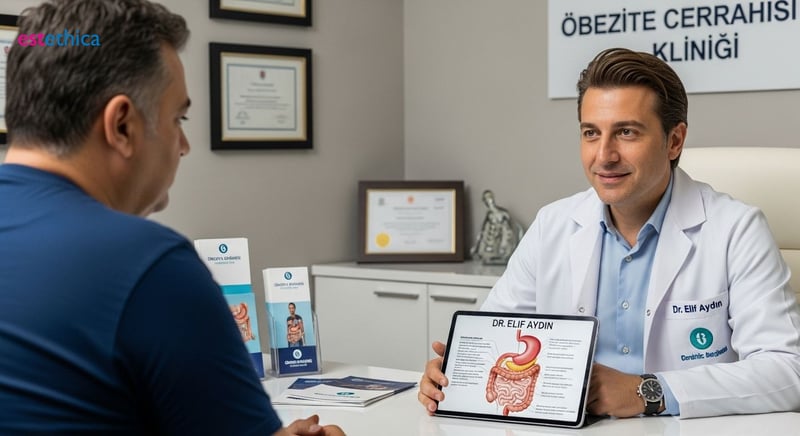
Bariatric Surgery Before and After: Real Transformations
The journey of bariatric surgery is often characterized by profound transformations, both physically and in terms of overall health. The 'before' phase typically involves individuals contending with the significant health challenges and limitations that accompany severe obesity. Mobility issues, chronic conditions like type 2 diabetes and hypertension, and a diminished quality of life are common struggles. For many, traditional weight loss methods have proven insufficient, leading to a sense of frustration and a longing for a more sustainable solution. This pre-operative period is marked by these difficulties and the often-arduous pursuit of lasting weight reduction.
The Dramatic Shift: Life Before and After
When we speak of bariatric surgery before and after, the contrast can be truly remarkable. Following the procedure, patients commonly witness substantial weight loss, often shedding a significant portion of their excess body weight within the first year. However, the impact extends far beyond mere aesthetics. The health benefits are often life-altering. Many obesity-related comorbidities experience significant improvement, with some conditions entering remission. Patients frequently report a surge in energy levels, a boost in self-confidence, and an increased capacity to engage in physical activities that were previously out of reach. This renewed vitality and improved self-esteem are central to the bariatric surgery before and after narrative. These stories underscore the potential for a healthier, more fulfilling existence, highlighting the profound, life-changing nature of these surgical interventions. For those seeking a deeper understanding of the broader implications, exploring Beyond the Scale: Exploring Bariatric Surgery for a New You can provide valuable context.
Beyond the Weight: Holistic Well-being
The changes observed in bariatric surgery before and after cases are not solely about the number on the scale. They encompass a holistic improvement in well-being. The physical improvements often lead to enhanced mental and emotional health. The reduction in pain, the increased mobility, and the improved metabolic markers contribute to a greater sense of freedom and capability. Understanding the intricacies of the bariatric surgery recovery process is crucial for patients to navigate these changes successfully. While the immediate post-operative phase requires careful attention, the long-term outlook is often one of sustained health benefits and improved life satisfaction. The dedication involved in adhering to lifestyle changes post-surgery is a testament to the patients' commitment to their renewed health. The bariatric surgery recovery process, though demanding, paves the way for these lasting positive outcomes.
Choosing the Right Weight Loss Surgery Options
Embarking on a weight loss journey through surgical intervention is a significant decision, and selecting the appropriate procedure is paramount to achieving successful and sustainable results. Understanding the various types of bariatric surgery available is the first crucial step. While each procedure aims to facilitate weight loss, they do so through different mechanisms, impacting the digestive system in distinct ways. This variety ensures that a personalized approach can be tailored to individual needs and health profiles. For those seeking a deeper dive into the broader landscape of surgical weight management, consulting resources like Bariatric Surgery: Your Comprehensive Guide to Lasting Weight Loss can provide valuable context.
Understanding Common Bariatric Procedures
Among the most frequently performed bariatric surgery procedures are the Roux-en-Y gastric bypass and the sleeve gastrectomy. The Roux-en-Y gastric bypass involves creating a small stomach pouch by dividing it and then connecting it directly to the lower part of the small intestine. This rerouting limits food intake and alters nutrient absorption. In contrast, a sleeve gastrectomy removes a significant portion of the stomach, leaving behind a smaller, banana-shaped conduit. This method primarily restricts the amount of food the stomach can hold, promoting satiety and reducing hunger hormones. Each of these procedures has its own set of benefits and considerations, and the choice between them often hinges on a patient's specific health status and weight loss goals. Exploring these different avenues is essential when considering bariatric surgery.
The decision-making process for selecting the most suitable intervention is multifaceted. Factors such as a patient's Body Mass Index (BMI), the presence of comorbidities like diabetes or hypertension, previous unsuccessful attempts at weight management, and even personal lifestyle considerations all play a vital role. A comprehensive consultation with a qualified bariatric surgeon is indispensable. During this crucial meeting, the surgeon will meticulously evaluate each candidate to determine their eligibility for bariatric surgery and guide them toward the procedure that offers the highest likelihood of safe, effective, and lasting weight reduction. Understanding the intricacies of each technique is empowering, enabling patients to make an informed choice that aligns with their health aspirations and the overall experience of bariatric surgery before and after their procedure.

The Bariatric Surgery Recovery Process Explained
Embarking on the journey of bariatric surgery marks a significant step towards improved health, but the period following the procedure is equally critical. The bariatric surgery recovery process is a phased approach designed to allow your body to heal effectively and adapt to new dietary habits. Immediately after undergoing bariatric surgery, patients are typically transferred to a recovery room where they are closely monitored by a medical team. This initial phase, usually lasting a few days in the hospital, focuses on pain management and ensuring there are no immediate post-operative complications. During this time, patients will begin their dietary journey with clear liquids, a fundamental first step in allowing the surgical sites to begin their healing process without undue stress.
The Initial Weeks and Beyond
As you transition from the hospital, the subsequent weeks are dedicated to gradually reintroducing foods and re-establishing routines. The diet progresses from clear liquids to full liquids, then to pureed foods, and finally to soft solids. This careful progression is paramount to prevent complications and ensure proper nutrient absorption. It’s vital for individuals to listen to their bodies and adhere strictly to their surgeon's dietary guidelines. Physical activity also plays a crucial role early on. Gentle walking, as advised by your healthcare provider, is encouraged to help prevent blood clots and promote circulation, aiding in overall healing. For many, the results seen in bariatric surgery before and after photos are motivating, but the commitment to the recovery process is what makes these transformations sustainable.
The long-term success of bariatric surgery hinges on sustained lifestyle changes. Beyond the initial healing phase, the focus shifts to maintaining a healthy diet, rich in lean proteins, fruits, vegetables, and whole grains, while significantly reducing intake of processed foods and sugary beverages. Regular physical activity becomes a non-negotiable part of daily life. The comprehensive support provided by your bariatric team, including nutritionists and counselors, is invaluable throughout this extended recovery. Understanding the bariatric surgery before and after journey involves recognizing that it's not just about the surgery itself, but the lifelong commitment to health and well-being. The positive changes observed in bariatric surgery before and after narratives highlight the importance of this diligent, ongoing recovery. This patient-centered approach ensures that individuals not only achieve their weight loss goals but also experience a dramatic improvement in their overall quality of life, making the commitment to bariatric surgery a life-changing decision.

Comprehensive Bariatric Surgery Guide: Understanding Procedures and Transformations
Bariatric surgery, also known as weight loss surgery, encompasses a variety of procedures aimed at aiding individuals with severe obesity in achieving significant and sustainable weight loss. These interventions modify the digestive system through restrictive or malabsorptive mechanisms, fundamentally altering how the body processes food.
The expertise in bariatric surgery lies in understanding these core mechanisms and applying them effectively. Procedures like the Roux-en-Y gastric bypass and sleeve gastrectomy are frequently performed, each with distinct approaches to reducing stomach capacity or nutrient absorption. The goal extends beyond mere weight reduction to improving obesity-related health conditions.
This guide demonstrates a deep understanding of bariatric surgery, covering its definition, the physiological changes it induces, and its critical role in managing severe obesity. The content meticulously outlines how different bariatric procedures facilitate weight loss, emphasizing the importance of a comprehensive approach that integrates surgical intervention with lifestyle modifications.
Navigating Your Bariatric Surgery Journey: Choosing Options and Understanding Recovery
Embarking on a weight loss journey through surgical intervention is a significant decision, and selecting the appropriate procedure is paramount to achieving successful and sustainable results. This guide provides essential information for making informed choices about weight loss surgery options.
The period following bariatric surgery is equally critical, and understanding the recovery process is vital for long-term success. This involves detailed explanations of post-operative care, dietary adjustments, and the ongoing commitment required for sustained health improvements.
The commitment to patient education and clear guidance on the entire bariatric surgery process builds trust. By detailing how to prepare for bariatric surgery, explaining the recovery process, and discussing the selection of the right weight loss surgery options, the content empowers individuals to make confident decisions for their health.