


Transform your look with our expert guide on facelift procedures. Uncover the essential steps towards achieving a rejuvenated appearance.
In today's fast-paced world, keeping a youthful appearance isn't just a luxury—it's a key to confidence and embracing life with vigor. Facial rejuvenation, including techniques like facelift and complementary procedures, offers a transformative path to revive one's facial aesthetics. Let's delve into various aspects of facial rejuvenation to understand how it can be achieved, who qualifies for it, and what to expect in terms of recovery.
Rhytidectomy Unveiled: Understanding the Facelift Procedure
Exploring the Nuances of Rhytidectomy
Rhytidectomy is more than just a cosmetic procedure; it's a personalized approach to facial rejuvenation. The procedure is capable of addressing age-related changes that topical treatments can't reach, such as sagging skin and deep wrinkles. Understanding the nuances of a facelift involves recognizing the different types available and the specific concerns they target. For example, a "mini facelift" might be suitable for someone in their late thirties experiencing early signs of aging, while a full facelift is often recommended for individuals over 55 seeking more comprehensive rejuvenation. The choice depends entirely on the patient's unique needs.
- Mini Facelift: Focuses on the lower face, addressing mild jowling and sagging skin.
- Full Facelift: Targets the mid-face, lower face, and neck, providing extensive rejuvenation.
- Deep Plane Facelift: Addresses deeper facial structures for a more dramatic and longer-lasting result.
Facelift Techniques and Benefits
The benefits of a facelift extend beyond aesthetic improvements; it can significantly boost self-confidence. The procedure is tailored to meet individual needs, with techniques ranging from traditional methods to more modern approaches like the Facelift, ensuring natural-looking results. The procedure aims to restore youthful contours, reduce deep creases, and improve overall facial harmony.
- Improved Facial Contours: Restores the youthful shape of the face by lifting sagging tissues.
- Wrinkle Reduction: Smooths out wrinkles and fine lines for a more youthful appearance.
- Enhanced Self-Esteem: Boosts confidence by providing a more refreshed and rejuvenated look.
Am I a Facelift Candidate? Essential Considerations
Navigating Facelift Candidacy: Health and Lifestyle Factors
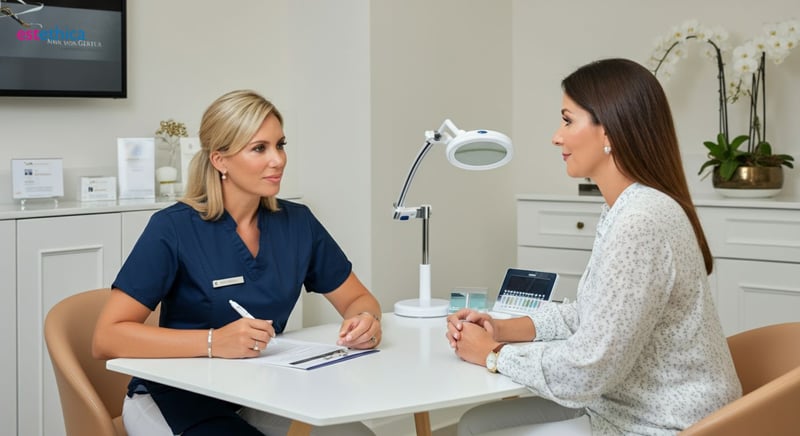
Determining facelift candidacy involves a detailed evaluation of an individual's overall health and lifestyle. While age is a factor, it is not the sole determinant. Ideal candidates typically exhibit good physical and mental health, possess realistic expectations regarding the outcomes, and are committed to following pre- and post-operative guidelines. A comprehensive assessment also includes evaluating skin quality, underlying bone structure, and the degree of skin laxity. For instance, someone with thick, elastic skin may experience different results than someone with thinner skin. Furthermore, lifestyle choices such as smoking can significantly impact healing and overall results, often becoming a deciding factor in candidacy.
- Overall Health: Good general health is crucial for a smooth recovery and optimal results.
- Realistic Expectations: Understanding the limitations and potential outcomes of a facelift.
- Commitment to Aftercare: Adhering to post-operative instructions for proper healing.
estethica Global carefully assesses each potential candidate to ensure the best possible outcome.
The Role of Facial Anatomy and Aesthetic Goals
A critical component of facelift candidacy involves a thorough analysis of facial anatomy and aesthetic goals. Each individual possesses a unique facial structure, and the desired outcome should align with what is realistically achievable. For example, someone with a weak chin may benefit from a chin augmentation in conjunction with a neck lift to achieve balanced facial proportions. During the consultation, surgeons at estethica Global consider factors such as the prominence of cheekbones, the angle of the jawline, and the presence of any asymmetries. Furthermore, the patient's specific aesthetic goals, such as reducing jowling or tightening the neck, are taken into account to develop a customized surgical plan. This meticulous approach ensures that the results are not only aesthetically pleasing but also harmonious with the individual's natural features.
- Detailed Facial Analysis: Assessing bone structure, skin elasticity, and facial symmetry.
- Customized Surgical Plan: Tailoring the procedure to meet individual needs and aesthetic goals.
- Realistic Goal Setting: Ensuring the patient's expectations align with achievable outcomes.
estethica Global prioritizes patient satisfaction through personalized surgical approaches.
Beyond the Facelift: Exploring Complementary Procedures for Enhanced Results
Optimizing Facelift Results: Integrated Surgical Approaches
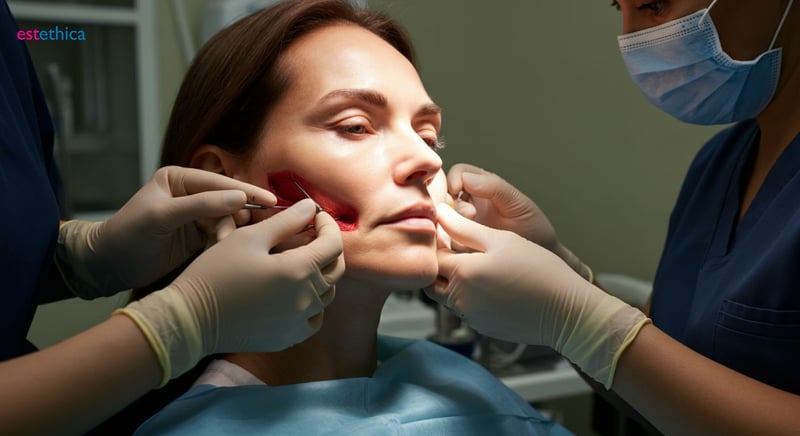
To truly optimize facelift results, many individuals consider combining the procedure with complementary surgeries that address related areas of aging. A neck lift, for instance, can address sagging skin and muscle laxity beneath the chin, providing a smoother transition from the face to the neck. Similarly, a brow lift can correct a heavy or drooping brow, rejuvenating the upper face and enhancing the overall lifted appearance achieved by the rhytidectomy. Cheek augmentation, often performed using implants, can restore youthful volume to the mid-face, creating a more balanced and harmonious facial profile. Integrating these procedures requires a skilled surgeon who understands facial aesthetics and can tailor the approach to meet the patient's unique needs. estethica Global specializes in these integrated approaches, ensuring comprehensive facial rejuvenation and naturally beautiful results.
- Neck Lift: Addresses sagging skin and muscle laxity in the neck for a smoother profile.
- Brow Lift: Corrects a drooping brow, rejuvenating the upper face.
- Cheek Augmentation: Restores volume to the mid-face for a balanced facial appearance.
Exploring Non-Surgical Alternatives for Facial Tightening
For individuals seeking facial rejuvenation without traditional surgery, non-surgical options offer effective alternatives. Technologies like Thermage and Ultherapy utilize targeted energy to stimulate collagen production deep within the skin, resulting in gradual tightening and lifting. Thermage uses radiofrequency energy to heat the skin, while Ultherapy employs ultrasound energy to reach deeper tissue layers. These non-invasive treatments can improve skin elasticity, reduce fine lines, and provide a subtle lift without incisions, anesthesia, or downtime. While the results may not be as dramatic as a surgical facelift, they can provide noticeable improvements for those with mild to moderate skin laxity who are looking for a non surgical facelift. At estethica Global, we offer a range of non-surgical options to meet diverse patient needs, ensuring personalized care and optimal outcomes.
- Thermage: Uses radiofrequency energy to tighten skin.
- Ultherapy: Employs ultrasound energy to stimulate collagen production.
- Injectable Fillers: Restore lost volume, reducing the look of sagging.
Facelift Recovery: A Comprehensive Guide to Healing and Aftercare
The Initial Days: Managing Discomfort and Swelling
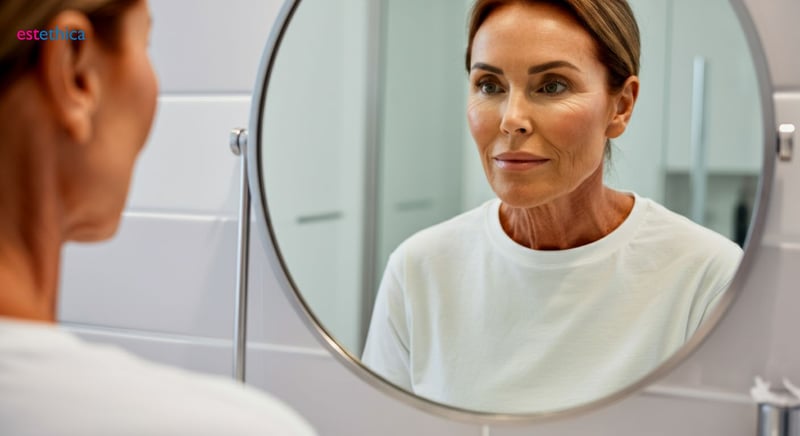
Post-facelift, effectively managing initial discomfort and swelling is crucial for a smooth recovery. Typically, patients experience swelling and bruising, which peak within the first few days. Pain management usually involves prescribed medication, but incorporating gentle, non-pharmacological methods can also be beneficial. For example, applying cold compresses can help reduce swelling and alleviate discomfort. Maintaining an elevated head position, even while sleeping, can further minimize swelling and promote fluid drainage. Additionally, avoiding strenuous activities and adhering to a soft-food diet during the initial recovery phase can prevent unnecessary strain on the facial tissues.
- Cold Compresses: Reduce swelling and alleviate discomfort.
- Elevated Head Position: Minimizes swelling by promoting fluid drainage.
- Soft-Food Diet: Prevents strain on healing facial tissues.
Accelerating Healing: Techniques and Therapies
To expedite healing and optimize results after a facelift (or Rhytidectomy) incorporates various techniques and therapies can significantly aid the recovery process. Lymphatic drainage massage, performed by a trained therapist, can help reduce swelling and promote the removal of metabolic waste from the tissues. Additionally, some surgeons recommend low-level laser therapy to stimulate cellular repair and reduce inflammation. Maintaining proper hydration and nutrition is also essential for supporting the body's natural healing mechanisms. Avoiding smoking and excessive sun exposure is critical, as these factors can impede healing and compromise the final results. estethica Global's comprehensive aftercare program includes guidance on these techniques to ensure optimal recovery.
- Lymphatic Drainage Massage: Reduces swelling.
- Low-Level Laser Therapy: Stimulates cellular repair.
- Proper Hydration and Nutrition: Supports natural healing mechanisms.
Transform Your Look: The Ultimate Guide to Facelift Procedures
Advanced Rhytidectomy and Complementary Procedures for Comprehensive Facial Rejuvenation
Personalized Facelift Recovery Plans for Optimized Healing and Patient Comfort
Frequently Asked Questions
What is a Facelift (Rhytidectomy) and what does it address?
What complementary procedures can enhance the results of a Facelift?
What is the typical recovery process after undergoing a Facelift?
Are there non-surgical alternatives to a traditional Facelift for Facial Rejuvenation?
Ready to discover your best self with estethica's award-winning aesthetic services?
📞 Schedule Your Free Consultation!