


Learn how to get rid of under eye bags with effective non-surgical treatments. Explore expert tips for periorbital rejuvenation and maintain smooth skin today.
Addressing periorbital aesthetic concerns involves targeted non-surgical interventions that reduce puffiness and improve skin texture. These methods focus on managing fluid retention and structural changes in the lower eyelid area to restore a refreshed appearance. Understanding the underlying mechanisms of these changes is essential for selecting the most effective approach for your specific needs.
Understanding the Causes of Persistent Under Eye Bags
Periorbital aesthetic concerns often stem from a complex interaction of biological and environmental factors. Research indicates that eyelid bags lack a single anatomic origin; instead, studies confirm that cheek descent, hollow tear troughs, and the prolapse of orbital fat are primary contributors to this appearance1. As individuals age, the tissues supporting the eyes naturally weaken, allowing fat to shift into the lower eyelids while fluid accumulates, resulting in the characteristic puffy or swollen look3.
The orbital septum functions as a important barrier that maintains fat within the eye socket. When this structural integrity diminishes, infraorbital fat pads protrude forward, a condition frequently worsened by gravity and the natural decline in skin elasticity. Inefficient lymphatic drainage further complicates this issue, leading to persistent fluid stasis in the subcutaneous tissue that manifests as visible bulging under the eyes.
Genetic and Lifestyle Factors
Genetic predisposition dictates how fat is distributed around the eyes, leading some individuals to experience these concerns early in adulthood regardless of their overall health. Lifestyle choices, such as high sodium intake, trigger systemic fluid retention that makes under eye bags appear more pronounced. Patients seeking to address these structural changes often consult with an oculoplastic surgeon at estethica Global to determine whether non-surgical modalities like dermal fillers or laser treatments can effectively reduce the appearance of these pockets2.
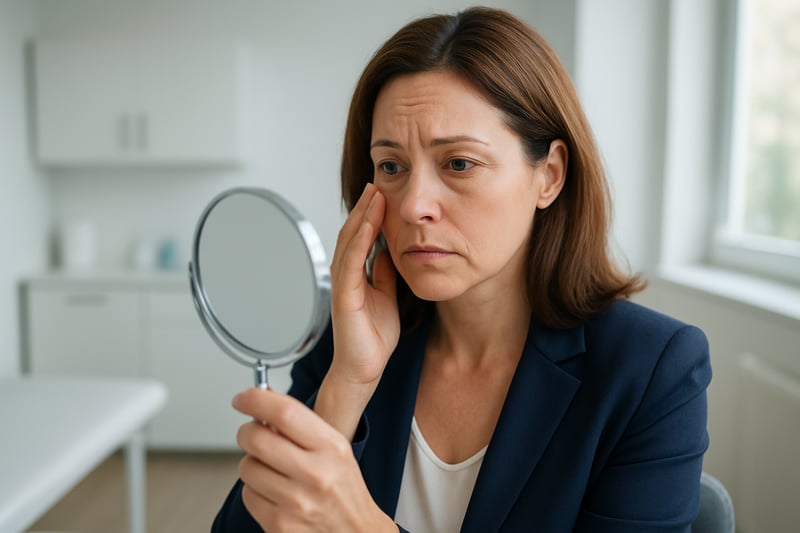
Top Non-Surgical Treatments for Effective Eye Bag Reduction
Under eye bags often develop as aging tissues weaken, allowing orbital fat to shift forward and fluid to accumulate in the lower lids3. Because eyelid bags lack a single anatomical cause, clinical assessments frequently attribute them to a combination of cheek descent, hollow tear troughs, and fat pad prolapse1. estethica Global offers advanced non-surgical rejuvenation strategies that address these structural changes to restore a refreshed appearance without the downtime of traditional surgery.
Dermal fillers provide an immediate solution by adding volume to the tear trough, which hides the transition between the lower lid and the cheek. Practitioners at estethica Global may also use laser resurfacing or chemical peels to improve skin elasticity, effectively tightening the delicate periorbital area2. These modalities stimulate collagen production, which helps firm the skin and reduces the prominence of persistent puffiness.
Non-Invasive Periorbital Rejuvenation
Neuromodulators serve as a targeted treatment for patients whose eye bags are exacerbated by the overactivity of the orbicularis oculi muscle. By relaxing specific muscle fibers, these injections can minimize the appearance of fullness and create a smoother contour under the eye. A thorough consultation with an expert at estethica Global ensures that each treatment plan is tailored to the patient’s unique anatomy and specific aesthetic goals.
Why Patients Choose Estethica Global for Under Eye Rejuvenation
Patients often select estethica Global for periorbital rejuvenation because the clinic addresses the complex anatomical reality that under eye bags are rarely caused by a single factor. Research indicates that while orbital fat prolapse accounts for 48% of cases, the descent of the cheek and the appearance of a hollow tear trough contribute to the remaining 52% of the visual concern1. By using advanced diagnostic tools, estethica Global identifies the specific structural origins of these bags to ensure that the chosen intervention targets the actual source of the puffiness rather than merely masking the symptoms.
Aging naturally weakens the tissues and muscles supporting the eyelids, causing fat that typically supports the eyes to move into the lower lids and accumulate fluid3. estethica Global counters these physiological changes through a variety of non-surgical modalities, including neuromodulators, dermal fillers, and laser treatments, which have become essential standards in modern periorbital care2. The medical team at estethica Global prioritizes a perfectionist approach, tailoring every treatment plan to the unique facial structure of the individual guest to achieve natural, refreshed results.
Comparison of Rejuvenation Modalities
The estethica Global service model integrates ethical medical standards with contemporary aesthetic knowledge to support long-term patient satisfaction. From the initial admission through the full recovery phase, the clinic maintains rigorous monitoring to ensure that each step of the rejuvenation process is supported by professional care. This commitment to transparency and clinical excellence makes estethica Global a primary destination for individuals seeking to reduce under eye bags through non-surgical, evidence-based techniques.
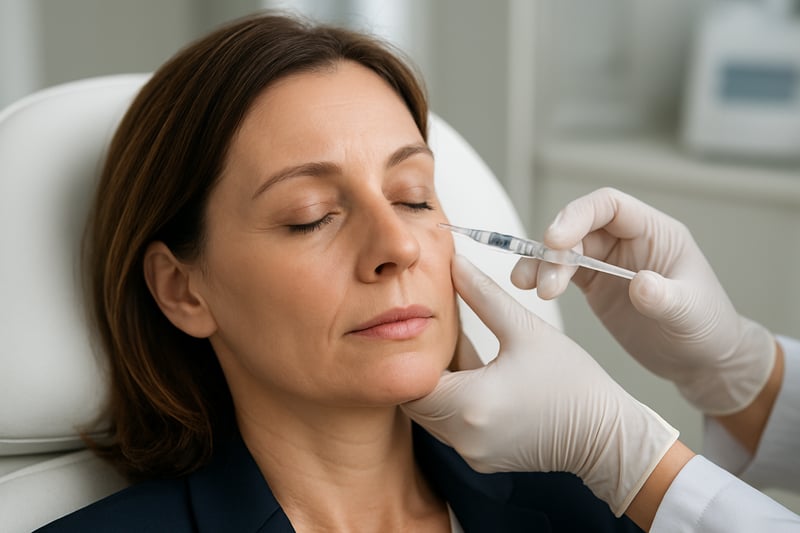
Comparing Dermal Fillers and Skin Tightening Procedures
Choosing between dermal fillers and skin tightening requires an understanding of how each method addresses periorbital rejuvenation, as eyelid bags do not have a single anatomic basis1. Dermal fillers for under eye bags work primarily by camouflaging the protrusion through volume replacement, which is effective for patients whose tear trough accentuates the appearance of the fat pad. By filling the hollow, the transition to the cheek becomes smoother, addressing the 52% cumulative contribution of cheek descent and hollow tear troughs to periorbital aging1.
Skin tightening procedures, such as those using advanced energy-based devices available at estethica Global, focus on the quality of the skin itself to counteract the weakening of tissues that occurs with age3. These treatments target the dermis to encourage the production of new collagen fibers, leading to firmer, more resilient skin that better supports underlying structures. While fillers provide immediate volume, skin tightening offers a more gradual improvement in skin texture and laxity, serving as a key modality in non-surgical periorbital rejuvenation2.
Selecting the Right Method
The best non-invasive procedures for puffy eyes depend on whether the primary concern is volume loss or skin laxity. Professionals at estethica Global often evaluate the strength of the orbital septum and the degree of skin elasticity before suggesting a specific path, as a combination approach may be required to achieve optimal results. This individualized assessment ensures that the chosen treatment matches the patient's specific anatomical needs and cosmetic goals.
Essential Aftercare Tips for Maintaining Smooth Under Eye Skin
Bags under the eyes frequently emerge as natural aging processes weaken the structural tissues, causing orbital fat to shift and fluid to pool in the lower eyelid region3. To preserve the results of non-surgical interventions, patients should prioritize gentle lymphatic drainage techniques and avoid excessive sodium intake, which can exacerbate fluid retention. estethica Global recommends keeping the head improve during sleep to discourage further puffiness and support the natural healing of the delicate periorbital area.
Sun protection remains a vital component of long-term skin health, as ultraviolet rays accelerate the breakdown of collagen fibers that keep the skin firm. Incorporating a high-SPF sunscreen specifically designed for sensitive skin, alongside topical retinoids or peptides recommended by an estethica Global specialist, helps maintain the rejuvenated appearance achieved through procedures like chemical peels or laser therapy2. Consistent use of these targeted products ensures that the skin barrier remains resilient against environmental stressors.
Long-Term Maintenance and Professional Follow-Up
Professional assessments are necessary to monitor how the tissues respond to initial treatments, especially given that under eye bags often result from a complex combination of cheek descent and orbital fat prolapse1. estethica Global provides tailored follow-up schedules to evaluate the need for minor touch-ups or adjustments to your skincare regimen. Staying proactive with these check-ups allows for the early detection of changes, ensuring your under eye area remains smooth and refreshed over the long term.

Integrating Advanced Non Surgical Face Lifting for Eye Rejuvenation
When targeting periorbital puffiness, many patients now look beyond localized eye treatments to incorporate comprehensive non surgical face lifting techniques. By addressing the structural integrity of the mid-face and cheek area, these procedures can indirectly alleviate the appearance of under-eye bags by providing better support to the lower eyelid tissues. This holistic approach ensures that the transition between the cheek and the lower orbit remains smooth, preventing the hollow shadows that often make bags appear more prominent.
Modern non surgical face lifting methods frequently utilize focused energy devices that stimulate deep tissue contraction without the need for invasive incisions. These technologies are particularly effective because they target the superficial muscular aponeurotic system, which serves as the foundation for facial skin elasticity. When this support structure is tightened, the skin surrounding the eyes naturally retracts, reducing the sagging that contributes to the formation of noticeable fat pads under the eyes.
The benefits of adopting a broader non surgical face lifting strategy include:
- Improved structural tension across the entire orbital rim and mid-face region.
- Enhanced collagen production that thickens the dermal layer, masking underlying fat displacement.
- More natural aesthetic outcomes that avoid the over-filled look sometimes associated with localized fillers.
- Greater longevity of results compared to treatments that only address the skin surface.
Integrating these lifting modalities allows practitioners to create a more balanced facial profile. Rather than isolating the under-eye area, the focus shifts to the overall architecture of the face. This method is highly recommended for individuals whose eye bags are exacerbated by mid-face volume loss or descent. By restoring the upward tension of the cheek tissues, the pressure on the lower eyelid is effectively redistributed, which often leads to a more refreshed and alert expression. As with any clinical intervention, the success of these procedures depends on a thorough anatomical assessment to determine whether structural lifting or localized volume reduction is the primary requirement. This strategic combination of techniques continues to evolve, offering sophisticated solutions for those seeking to rejuvenate their appearance without undergoing surgery.
Treatment Modalities and Technological Implementation
Patient Assessment and Realistic Outcome Management
Frequently Asked Questions
Who is not a suitable candidate for non-surgical under eye bag treatment?
What should I do to prepare for non-invasive procedures for puffy eyes?
How long does recovery take after using dermal fillers for under eye bags?
Is it true that periorbital rejuvenation causes permanent changes to the skin?
What is the primary difference between dermal fillers and laser therapy for eye bags?

Ready to Refresh Your Under-Eye Appearance?
Discover which non-surgical solution is best suited for your unique needs with our specialized team.
References
Superscript numbers in the content correspond to the references listed below.