


Compare microblading vs eyebrow tattoo to find the best brow enhancement. Learn about techniques, safety, and results to make an informed choice for your look.
Microblading vs eyebrow tattoo represents a choice between manual hair-stroke simulation and machine-based dermal pigmentation for long-term brow enhancement. Understanding the fundamental differences in technique, pigment depth, and expected longevity is essential for selecting the method that match your aesthetic goals. This guide examines the technical distinctions and safety considerations to help you make an informed decision.
Understanding the Core Differences Between Microblading and Eyebrow Tattoos
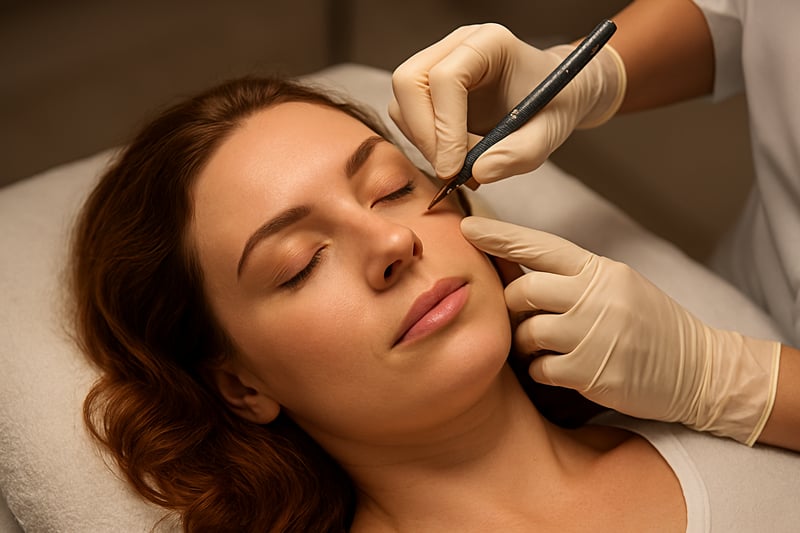
Microblading use a precise manual handheld tool to deposit pigment into the superficial epidermal layer of the skin, creating delicate strokes that mimic natural hair growth. This technique provides a soft, realistic aesthetic that is ideal for those seeking to fill in sparse areas without a heavy makeup look. Because the pigment resides closer to the surface, the results are semi-permanent and fade naturally over time as the skin regenerates.
Traditional eyebrow tattooing employs a rotary machine that pushes pigment deeper into the dermal layer, resulting in a more saturated and permanent color profile. Estethica Global experts often note that while this method provides greater longevity, it requires a more significant commitment due to the permanence of the ink. Safety and infection control standards remain important for both procedures, and local jurisdictions mandate strict licensing requirements to ensure that practitioners summarizes proper knowledge of sterile techniques2.
Regulatory bodies such as the U.S. Food and Drug Administration classify the inks used in these cosmetic procedures as color additives, though the actual application process is managed at the state or local level to ensure public health safety1. Patients considering these enhancements should consult with a professional at estethica Global to determine which technique match their skin type, lifestyle, and aesthetic goals. Selecting the right method involves evaluating not just the immediate visual impact, but also the long-term maintenance required for upkeep.
Comparison of Brow Enhancement Techniques

Evaluating Long-Term Results and Healing Processes for Semi-Permanent Options
The healing journey for cosmetic eyebrow procedures begins immediately after the session, with the skin requiring several weeks to fully regenerate. During this initial phase, the pigment often appears darker before naturally softening as the epidermis repairs itself. estethica Global emphasizes that following strict post-procedure hygiene protocols is essential to prevent infection and ensure the pigment settles correctly into the dermal layer.
Regulatory standards for these procedures prioritize patient safety through rigorous infection control and practitioner certification. Local jurisdictions mandate that facilities undergo regular inspections to maintain high hygiene benchmarks, ensuring that tools and environments meet health requirements2. While the FDA classifies cosmetic pigments as color additives, the actual application remains a localized health responsibility, making the selection of a qualified professional at estethica Global a primary factor in successful outcomes1.
Factors Influencing Pigment Retention
Individual skin biology dictates how long eyebrow enhancements maintain their definition. Oily skin types tend to break down pigments faster, which often necessitates more frequent touch-up sessions to keep the brows looking sharp. Conversely, traditional tattooing techniques deposit iron oxide pigments deeper into the skin, leading to greater longevity but increasing the difficulty of correcting color shifts over time as the body metabolizes the ink.
Expert Consultation Insights at estethica Global for Eyebrow Enhancement
Consulting with qualified professionals at estethica Global allows individuals to receive a personalized evaluation of their facial anatomy, skin type, and long-term aesthetic goals. Specialists perform a thorough assessment to determine whether microblading eyebrows or traditional eyebrow tattoo techniques will yield the most harmonious results for your specific features. Because the safety of pigment application is a priority, estethica Global adheres to rigorous hygiene standards, ensuring that all tools and pigments meet professional safety expectations1.
Professional oversight is essential when navigating the various options for brow enhancement, as skin condition impacts how pigments settle and fade over time. Technicians review your medical history and skin sensitivity to minimize risks, ensuring that the procedure is performed within a controlled environment that prioritizes client well-being2. This clinical approach helps manage expectations regarding the healing timeline, the intensity of the initial color, and the necessity of follow-up sessions to refine the final look.
Comparing Professional Brow Methods
The choice between semi-permanent microblading and permanent eyebrow tattoo techniques often depends on lifestyle, desired longevity, and the level of definition preferred. The following table provides a clear breakdown of the advantages and disadvantages associated with these popular cosmetic procedures.
Safety Standards and Considerations for Cosmetic Eyebrow Pigmentation
Patient safety serves as the primary pillar for any procedure involving intradermal pigment application, such as microblading or eyebrow tattooing. The U.S. Food and Drug Administration (FDA) categorizes the pigments used in these cosmetic procedures as color additives, noting that while these substances fall under regulatory oversight, the actual practice of tattooing is managed by local jurisdictions to maintain public health1. estethica Global prioritizes these regulations by ensuring that every facility adheres to rigorous infection control protocols, including the exclusive use of sterile, single-use needles and high-quality, approved pigments to prevent cross-contamination.
Practitioners must possess verified expertise in safety and infection control techniques to ensure a secure environment for every client. Regulatory boards often require clinicians to pass thorough examinations regarding sanitation and hygiene before they are permitted to perform cosmetic tattooing, ensuring that every workspace meets stringent health standards2. estethica Global maintains these high benchmarks by conducting regular facility inspections and providing continuous training for staff members, which minimizes the risk of infection or adverse reactions during the healing process.
Ensuring a Safe Procedure
A thorough pre-procedure consultation is essential to identify potential contraindications, such as active skin infections, autoimmune disorders, or allergies that could complicate the recovery phase. estethica Global clinicians perform detailed assessments to evaluate the skin's condition and the client's medical history, ensuring that the chosen method—whether microblading or a traditional tattoo—is appropriate for the individual's specific needs. By strictly following these clinical safety standards, providers effectively reduce the likelihood of complications while promoting optimal aesthetic results.
Choosing the Best Technique for a Natural and Defined Brow Look
Selecting the ideal eyebrow enhancement requires a clear understanding of your lifestyle and the maintenance level you prefer. Microblading excels for those seeking a soft, hair-like appearance, while traditional eyebrow tattoo methods provide a more permanent, block-color definition. Because these procedures involve intradermal pigment application, patients should prioritize facilities that adhere to rigorous safety and infection control standards, as regulatory oversight for these practices is often managed at the local jurisdiction level12.
Hybrid techniques often serve as the most effective compromise, blending the delicate, realistic strokes of microblading with the structural depth of machine shading. estethica Global experts frequently recommend this dual approach to achieve a balanced look that mimics natural hair growth while ensuring the brows remain defined throughout the day. This method allows for a customized aesthetic that accommodates individual brow density and facial structure without requiring daily makeup application.
Balancing Aesthetics and Longevity
Long-term planning is essential when choosing between semi-permanent and permanent makeup, especially as facial features and beauty trends shift over time. estethica Global emphasizes that semi-permanent options offer greater flexibility, allowing for adjustments during touch-up sessions that match your evolving style. Consulting with a qualified specialist ensures that the chosen technique respects your unique anatomy while achieving the desired level of brow definition and longevity.

Technical Distinctions in Eyebrow Enhancement Methods
Safety Protocols and Client Guidance
Frequently Asked Questions
Who is not a suitable candidate for microblading or eyebrow tattoo procedures?
What specific steps should I take to prepare for my microblading vs eyebrow tattoo appointment?
How long is the typical recovery time for these eyebrow pigmentation techniques?
Is it true that eyebrow tattoos will eventually turn blue or green over time?
What is the primary difference between microblading and powder brows when comparing eyebrow pigmentation techniques?

Still Unsure Which Brow Treatment Suits You Best?
Get a personalized recommendation from our specialists based on your unique skin type and aesthetic goals.
References
Superscript numbers in the content correspond to the references listed below.
- U.S. Food and Drug Administration (FDA) — Tattoos & Permanent Makeup: Fact Sheet
- Kansas State Legislature (Kansas.gov) — Tattooing Cosmetic Tattooing Body Piercing