


Comprehensive guide to hair transplant and saç ekimi, detailing graft counts, FUE and DHI techniques, and crucial post-procedure care for optimal hair restoration results.
Embarking on a journey to regain a fuller head of hair can feel overwhelming, but understanding your options is the crucial first step. A hair transplant, or saç ekimi, offers a highly effective solution for hair loss, providing natural-looking and permanent results. This guide delves into the intricacies of the procedure, from understanding the vital hair transplant graft count to exploring advanced hair restoration techniques. We'll cover everything you need to know to make an informed decision about your path to renewed confidence and appearance.Understanding Hair Transplant Graft Count
The success and natural appearance of any hair transplant procedure hinge significantly on the accurate estimation and utilization of the hair transplant graft count. Understanding this fundamental aspect is crucial for setting realistic expectations and achieving satisfactory results in your hair restoration journey. A graft, in this context, is a small unit of tissue harvested from a denser area of your scalp, known as the donor site, which contains one or more hair follicles ready for transplantation.
What Determines the Graft Count?
Determining the optimal graft count is a meticulous process involving a thorough assessment of several key factors. Specialists must evaluate the extent and pattern of your hair loss, the density and quality of hair within your donor area, and your desired aesthetic outcome. The goal is to transplant enough grafts to achieve noticeable density and coverage in the thinning or balding areas without depleting the donor site, which could lead to sparse results in the back or sides of the head. This careful calculation ensures that both immediate aesthetic goals and long-term donor area health are considered. The question of how many grafts for hair transplant? is a common one, and the answer invariably varies greatly depending on individual circumstances. A typical session might involve anywhere from 1,000 to 4,000 grafts, but this figure serves only as a general guideline.
Factors Influencing Graft Requirements
Several elements play a critical role in defining the final graft requirement for a successful saç ekimi procedure. These include the inherent thickness of your natural hair, as thicker individual hairs can provide a greater visual impact with fewer grafts. The laxity of your scalp also influences how easily grafts can be harvested and placed, affecting the potential density. Furthermore, the chosen Hair Transplant & Transplantation: Your Updated Guide will impact the number of grafts that can be effectively transplanted and their survival rate. Different techniques offer varying levels of precision and follicular unit preservation, which can influence the overall graft count needed to achieve the desired cosmetic outcome. Accurate hair transplant graft count assessment is paramount for both the surgeon and the patient to have a clear understanding of the scope of the procedure and the potential results. A well-planned saç ekimi, considering all these variables, leads to a more predictable and satisfying outcome.

Exploring Hair Transplant Methods Explained: FUE & DHI
Embarking on the journey of hair restoration involves understanding the sophisticated techniques available. Among the most sought-after procedures are Follicular Unit Extraction (FUE) and Direct Hair Implantation (DHI). These methods represent advancements in achieving natural-looking results and are often discussed when considering a hair transplant. Both techniques aim to address hair loss by transplanting healthy follicles to thinning or bald areas, but they differ in their approach to graft extraction and implantation.
Follicular Unit Extraction (FUE)
The FUE hair transplant technique is a minimally invasive procedure that involves harvesting individual follicular units directly from the donor area, typically the back or sides of the head. This extraction is performed using specialized micro-punches, which create tiny circular incisions around each follicle. The primary advantage of FUE lies in its ability to leave very small, often imperceptible scars, contributing to a quicker recovery period for the patient. Each extracted unit, containing one or more hairs, is then meticulously prepared for implantation into the recipient sites created in the balding areas. This meticulous process is crucial for achieving a dense and natural hairline. Understanding the nuances of FUE is essential for anyone researching their options for a hair transplant.
Direct Hair Implantation (DHI)
Direct Hair Implantation, often referred to as DHI hair transplant, is considered a more refined version of FUE. This method employs a sophisticated instrument known as a Choi implanter pen. This unique tool is designed to perform two critical functions simultaneously: it creates the necessary incision site in the recipient area and then immediately implants the follicular unit. This dual action offers surgeons enhanced control over the angle, depth, and orientation of each implanted hair, leading to exceptionally precise and natural-looking results. The DHI method can potentially minimize trauma to the scalp and reduce the time the grafts spend outside the body, which can be beneficial for graft survival. Both FUE and DHI are effective approaches for hair restoration, and the choice between them often depends on individual patient factors and the expertise of the surgical team. For a comprehensive overview of advanced hair loss solutions, exploring resources like Hair Transplant & Saç Ekimi: Advanced Solutions for Hair Loss can provide valuable insights into the field of saç ekimi.
Essential Post Hair Transplant Care Tips
Achieving optimal results from your hair transplant procedure extends beyond the surgery itself; diligent aftercare is crucial for the success and longevity of your new hair. Immediately following the hair transplant, the scalp will be sensitive, and it's vital to follow your surgeon's instructions precisely. Neglecting these initial steps can compromise the survival of the newly implanted grafts. Understanding the full scope of a Hair Transplant: Your Permanent Solution for Hair Loss, including the initial planning and careful handling of the hair transplant graft count, highlights the precision required throughout the entire journey, not just during the operation.
Immediate Aftercare: Protecting Your New Grafts
The first few days and weeks post-procedure are critical for graft integration after a hair transplant. During this period, you must avoid strenuous activities that increase blood pressure or cause excessive sweating, as these can dislodge or damage the delicate grafts. Direct exposure to sunlight should also be minimized, and your surgeon will advise on specific sleeping positions, often recommending sleeping with your head elevated, to prevent swelling and protect the transplanted area. Gentle cleansing of the scalp with recommended products is essential during the initial healing phase. This process helps to keep the area clean and free from scabs, fostering a healthy environment for graft survival. Patients often wonder about the timeline for seeing results; it's important to understand that hair growth occurs in stages. Initial shedding, often referred to as "shock loss," is a normal part of the process, followed by regrowth typically starting within a few months.
Long-Term Habits for Sustained Success
Adhering to aftercare also involves adopting a healthy lifestyle. A balanced diet, rich in vitamins and minerals, supports hair growth and overall scalp health. Avoiding smoking and excessive alcohol consumption is crucial, as these habits can impede healing and negatively impact graft survival. Regular communication with your clinic for follow-up appointments allows them to monitor your progress and provide ongoing guidance. The success of a saç ekimi procedure is significantly influenced by your commitment to these practices. While the focus during the procedure is often on the number of grafts and the method, the long-term vitality of each hair transplant graft count depends heavily on diligent aftercare. Proper aftercare significantly contributes to successful hair growth and the longevity of your results, truly making the hair transplant a permanent solution.
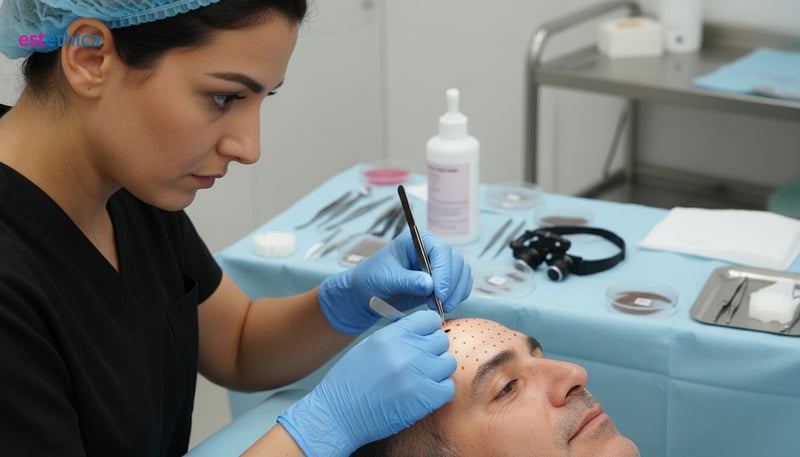
Achieve Natural Hair Restoration Results
The ultimate aim of any hair restoration procedure is to achieve results that are virtually indistinguishable from your natural hair. This seamless integration is the hallmark of a successful hair transplant, blending the new growth with your existing hairline so perfectly that it appears as if hair loss never occurred. Achieving this level of naturalness requires meticulous planning, a deep understanding of aesthetic principles, and precise surgical execution.
The Artistry of Natural Hairlines and Graft Placement
Creating a natural-looking result goes far beyond simply filling in thinning areas. It involves a sophisticated understanding of hairline design tailored to the individual's facial structure and age. An experienced surgeon will carefully design a soft, age-appropriate hairline that complements your features, avoiding the unnatural, overly straight lines sometimes seen in older transplant techniques. The angle, direction, and density of each implanted follicle are crucial. Grafts must be placed at the correct angle and in the natural direction of existing hair growth to ensure that the transplanted hair blends in perfectly, appearing full and vibrant.
Understanding the nuances of the hair transplant graft count is essential for achieving optimal density and a natural appearance. The number of grafts used directly impacts the final outcome, and a skilled surgeon knows how to strategically distribute them to create a realistic density. Whether employing techniques like FUE or DHI, the focus remains on replicating the natural patterns of hair growth. For those seeking further insight into achieving these aesthetic goals, resources like Hair Transplant: Achieving Natural Results Today offer valuable perspectives on the techniques and considerations involved. Effective saç ekimi (hair transplantation) emphasizes subtlety and aesthetic harmony, ensuring that the transplanted hair not only grows but looks entirely natural.
Ultimately, patients seeking a hair transplant should research clinics and surgeons renowned for their commitment to natural aesthetics. A successful hair transplant is one where the results are so convincing that they enhance your confidence without drawing attention to the procedure itself. The careful consideration of every detail, from the initial consultation to the final graft placement, contributes to an outcome that looks and feels completely natural. This meticulous approach to saç ekimi ensures long-term satisfaction and a restored sense of self. The accurate assessment of the hair transplant graft count also plays a vital role in achieving the desired density and natural appearance.
Expertise in Hair Transplant and Saç Ekimi: FUE & DHI Methods
Delve into the intricacies of hair restoration with a comprehensive guide that meticulously explains advanced hair transplant techniques. Our content provides detailed insights into Follicular Unit Extraction (FUE) and Direct Hair Implantation (DHI), showcasing the sophisticated methodologies employed for optimal results.
Understanding the hair transplant graft count is paramount for a successful procedure. We break down the factors influencing graft requirements, ensuring a clear picture of how specialists determine the precise number needed for natural-looking density and coverage.
Our expertise lies in delivering comprehensive information on saç ekimi, equipping individuals with the knowledge to navigate their hair restoration journey confidently. We focus on educating users about the technical aspects, including graft estimation and the distinct advantages of FUE and DHI.
This guide is crafted by specialists who understand the nuances of achieving natural hair restoration results. We emphasize the importance of accurate graft placement and the artistic considerations involved in creating aesthetically pleasing and indistinguishable hairlines.
Trustworthy Guidance for Your Hair Transplant and Saç Ekimi Journey
Trust in our guidance for a transparent and informative hair transplant experience. We demystify the process, offering clear explanations on hair transplant graft count, ensuring you understand the foundation of your restoration plan. This transparency builds confidence in the procedure.
Our commitment extends to providing essential post hair transplant care tips, vital for protecting your investment and ensuring the success of your saç ekimi. Following these recommendations fosters trust by demonstrating our dedication to your recovery and long-term satisfaction.
We empower individuals to make informed decisions about their hair restoration. By thoroughly exploring hair transplant methods like FUE and DHI, we ensure you understand the advanced techniques employed to achieve significant and lasting improvements in hair density and appearance.
The ultimate aim of any hair restoration procedure is to achieve results that are virtually indistinguishable from your natural hair. Our detailed approach to graft placement and hairline design underscores our dedication to delivering natural-looking outcomes, fostering trust through proven results.