


A comprehensive guide to hair transplantation, detailing FUE and DHI procedures, recovery, and results, along with expert hair loss treatment strategies.
Are you experiencing hair loss and seeking a lasting solution? Hair transplantation, often referred to as saç ekimi, offers a powerful way to regain a fuller head of hair and boost your self-esteem. This advanced medical procedure has transformed the lives of many, providing natural-looking results that stand the test of time. Whether you're curious about the latest techniques or seeking to understand the recovery journey, this guide delves into the essential aspects of hair restoration, covering everything from the initial consultation to achieving your desired hair transplant results. Discover how modern hair loss treatment can help you achieve a revitalized appearance.Understanding the FUE Hair Transplant Procedure
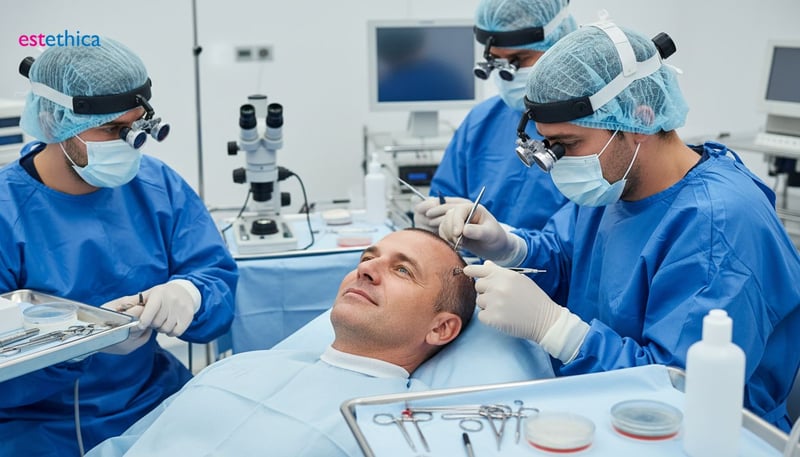
The Follicular Unit Extraction (FUE) method stands as a highly sought-after technique in the realm of hair transplantation. This advanced approach distinguishes itself from older methods by focusing on the meticulous extraction of individual hair follicles. These follicles are typically harvested from donor areas, most commonly the back or sides of the scalp, where hair possesses a natural resilience against thinning and balding patterns. The extracted units are then carefully transplanted into the areas experiencing hair thinning or baldness.
The precision inherent in the FUE hair transplant procedure is a significant advantage, leading to minimal scarring and a generally swift recovery period for patients. Many individuals are impressed by the remarkably natural appearance of the outcomes, with the transplanted hair seamlessly integrating into their existing hairline. This sophisticated technique is fundamental to achieving optimal hair density and coverage, making it a cornerstone of modern hair restoration.
The Precision of FUE
At its core, the FUE hair transplant procedure is defined by its minimally invasive nature. Unlike older strip harvesting methods, FUE involves creating tiny circular incisions around each individual follicular unit. This allows for the extraction of grafts one by one. The donor area is left with small, punctate scars that are virtually undetectable once healed, especially when hair grows back. This meticulous approach ensures that the donor site remains aesthetically pleasing. For those exploring comprehensive options, understanding the various approaches is key. You can find more detailed information in our comprehensive guide, Hair Transplant & Saç Ekimi: Advanced Solutions for Hair Loss.
The Transplantation Process
Once the follicular units are harvested, the surgeon meticulously prepares recipient sites in the balding areas using fine needles. The follicular units are then carefully implanted into these sites at specific angles and depths to mimic natural hair growth patterns. This detailed placement is critical for achieving a natural-looking and aesthetically pleasing result. The success of any FUE hair transplant procedure hinges on the surgeon's expertise, the quality of the harvested grafts, and the precise execution of the transplantation phase. This entire journey, from initial consultation to the final outcome, represents a significant step for many individuals seeking to regain confidence through enhanced hair density and appearance.

DHI Hair Transplant Before and After Results
The Direct Hair Implantation (DHI) technique represents a significant advancement in the field of hair transplantation. This sophisticated method employs a specialized, pen-like instrument designed for the precise implantation of individual hair follicles directly into the scalp. This approach grants practitioners unparalleled control over crucial parameters such as the depth, angle, and direction of each transplanted graft. Consequently, DHI procedures are renowned for delivering exceptionally natural-looking outcomes, often exceeding the expectations of individuals seeking a renewed hairline and improved density. Many are drawn to the promise of DHI hair transplant before and after transformations that showcase remarkable aesthetic improvements.
Understanding the DHI Difference
One of the most compelling aspects of the DHI method is its meticulous implantation process. Unlike some other techniques where recipient sites are created separately, the DHI implanter simultaneously opens the micro-channel and places the graft. This integrated approach minimizes trauma to the scalp and the grafts themselves, which can contribute to a potentially shorter recovery period. Patients often remark on the minimal scarring and faster healing associated with DHI. When exploring DHI hair transplant before and after comparisons, the enhanced density and the natural arrangement of the transplanted hairs are consistently highlighted. This technique is particularly favored for its ability to achieve high graft survival rates and a dense appearance, making it a popular choice for those aiming for a significant aesthetic enhancement. For those interested in achieving optimal outcomes, understanding the broader context of hair transplant techniques is beneficial. This aligns with the overarching goal of effective hair transplant, aiming for natural integration and lasting results. For further insights into achieving natural aesthetics, consider exploring Hair Transplant: Achieving Natural Results Today.
Visualizing the Impact of DHI
Observing DHI hair transplant before and after images provides a clear and compelling visual representation of the potential for transformation. These visual comparisons typically showcase a remarkable restoration of density and a natural rejuvenation of the hairline. The precision offered by the DHI tool allows for follicular units to be placed at the correct orientation and depth, mimicking natural hair growth patterns. This attention to detail is fundamental to achieving a result that is both aesthetically pleasing and virtually undetectable. The outcomes speak for themselves, demonstrating the efficacy of this modern approach to addressing thinning hair and baldness. The careful execution of the fue hair transplant procedure, particularly when employing DHI, is key to these impressive visual changes. The detailed nature of the fue hair transplant procedure ensures that each follicle is placed with maximum consideration for the final aesthetic appearance. This dedication to detail is what sets advanced methods like DHI apart, offering a refined solution for individuals seeking to enhance their appearance and confidence through advanced hair transplant solutions.
Navigating the Hair Transplant Recovery Process
Embarking on a hair transplant journey necessitates a thorough understanding of the crucial recovery phase. Immediately following your procedure, it's common to observe some redness and minor swelling in the treated and donor areas. However, these symptoms are typically transient, usually subsiding within the first few days. A period of shedding of the transplanted hairs is also a normal occurrence; this is a natural part of the follicular cycle, and new growth is generally expected to emerge within approximately three to four months.
A frequent question patients ask pertains to the timeline: "How long does hair transplant recovery take?" While the ultimate, full results can take anywhere from 12 to 18 months to become fully apparent, the initial recovery phase is surprisingly manageable. Most individuals can return to their regular daily activities within one to two weeks post-operation, provided they adhere strictly to post-operative care instructions. Meticulously following these guidelines is paramount for optimal healing and achieving successful hair transplant outcomes. This includes careful attention to washing protocols, sleeping positions, and restrictions on strenuous physical activity, all of which significantly influence the healing process and the final appearance of your transplanted hair.
Understanding the Stages of Recovery
The healing journey after a hair transplant can be broken down into several key phases. The immediate post-operative period focuses on protecting the newly implanted grafts and managing initial swelling and discomfort. As you move into the subsequent weeks, the scalp will gradually heal, and the transplanted hairs will enter their shedding phase. This is often a point of concern for patients, but it is a vital precursor to new growth. By month four, you should begin to see new hair emerging, and this growth will continue to thicken and mature over the following months. For those interested in a comprehensive overview of the procedure itself, exploring resources like Hair Transplant: Your Permanent Solution for Hair Loss can provide valuable context.
Post-Operative Care and Timeline
Adherence to your surgeon's specific post-operative instructions is non-negotiable for a smooth recovery. These directives typically cover:
The success of your FUE hair transplant procedure hinges significantly on diligent care during this recovery period. While the initial visible healing happens relatively quickly, the maturation of the grafts is a longer process. Remembering that this investment yields lasting results makes the temporary adjustments during recovery worthwhile. The meticulousness applied during the FUE hair transplant procedure is mirrored in the importance of post-operative self-care.
Expert Hair Restoration and Hair Loss Treatment
Achieving optimal outcomes in the journey to regain a fuller head of hair involves more than just the surgical procedure itself. Effective hair restoration is a holistic process that integrates advanced techniques with personalized care plans. Consulting with specialized professionals is paramount to understanding the root causes of your hair thinning and to designing a tailored strategy. These experts can guide you through the complexities of modern hair restoration, ensuring you are well-informed about every step.
The journey often begins with a thorough assessment of your specific condition. Whether your concerns stem from genetics, hormonal changes, or other factors, a specialist can diagnose the underlying issues. This diagnostic phase is crucial for determining the most appropriate intervention, which might range from non-surgical treatments to sophisticated surgical methods like the FUE (Follicular Unit Extraction) and DHI (Direct Hair Implantation) techniques. These advanced approaches, when performed by experienced surgeons, focus on natural-looking results and minimal invasiveness. Understanding the nuances of each method, such as what the Hair Transplant & Transplantation: Your Updated Guide outlines, empowers individuals to make informed decisions about their treatment path.
Understanding the Surgical and Non-Surgical Spectrum
For many, a surgical intervention like a FUE hair transplant procedure offers a lasting solution. The FUE hair transplant procedure involves extracting individual hair follicles from donor areas and carefully transplanting them to thinning or balding regions. Similarly, the DHI technique offers precision in placement, often resulting in dense packing and natural angles. However, the expertise extends beyond the operating room. Comprehensive hair loss treatment plans often include pre-operative preparations designed to optimize the scalp environment and post-operative care protocols vital for successful healing and graft survival. Non-surgical options, such as specific medications or therapies, may also be recommended as part of a combined strategy to enhance results and maintain existing hair.
The success of any hair transplant is heavily influenced by the expertise of the medical team and the patient's adherence to post-procedure guidelines. Professionals skilled in the intricacies of hair growth cycles and follicular anatomy are essential for achieving superior hair transplant results. They ensure that the process is as comfortable as possible and that the recovery period leads to significant visible improvements. For those considering saç ekimi, seeking out reputable clinics that emphasize a personalized approach and continuous patient support is the first step towards achieving desired outcomes and restoring confidence. This meticulous attention to detail throughout the saç ekimi process is what truly differentiates expert care.

Expertise in FUE and DHI Hair Transplantation Techniques
The Follicular Unit Extraction (FUE) method is a highly sought-after technique in hair transplantation, renowned for its precision in extracting individual hair follicles from donor areas like the back or sides of the scalp. This advanced approach ensures minimal scarring and supports a generally swift recovery period, distinguishing it from older, more invasive methods. At its core, the FUE hair transplant procedure is defined by its minimally invasive nature, focusing on the meticulous harvesting and transplantation of resilient hair units into thinning or balding areas for natural-looking results.
Furthermore, the Direct Hair Implantation (DHI) technique represents a significant advancement, offering a meticulous implantation process that further enhances precision and density. Observing DHI hair transplant before and after images provides a clear and compelling visual representation of the transformative potential this method offers to patients seeking restored hair and confidence.
Our comprehensive approach to hair restoration and hair loss treatment encompasses both surgical and non-surgical spectrums, ensuring personalized solutions for each individual's needs. We are dedicated to providing expert guidance throughout the entire journey, from initial consultation to achieving optimal hair transplant results.
Trustworthy Hair Transplant Process and Recovery Support
Understanding the FUE hair transplant procedure involves appreciating the precision inherent in harvesting individual follicular units. Once harvested, surgeons meticulously prepare recipient sites in balding areas using fine needles, ensuring optimal placement for natural density. The FUE hair transplant procedure is defined by its minimally invasive nature, contributing to a smooth recovery.
Navigating the hair transplant recovery process is made clear with our expert insights into the stages of recovery and essential post-operative care. We provide a detailed timeline, addressing common concerns like "how long does hair transplant recovery take?" to ensure patient confidence and successful healing throughout the entire saç ekimi journey.
The commitment to excellence in hair transplantation, or saç ekimi, is evident in the detailed exploration of techniques such as FUE and DHI. Observing DHI hair transplant before and after images showcases the tangible impact of these procedures on patients' lives, offering a realistic preview of potential transformations. Our approach ensures that patients can achieve their desired hair transplant results with confidence.