


Join the revolution in hair restoration and discover your permanent solution today.
In the quest for a permanent solution to hair loss, hair restoration has become not just a medical procedure but a revolution in personal confidence and self-esteem. From the latest advancements in hair transplant technology to understanding the myriad of treatment options available today, this comprehensive guide will decode everything you need to know about hair restoration. Is it truly a permanent solution? And how do you select the best clinic tailored for you? Dive in as we explore these answers and more.
Decoding Hair Transplant Techniques: FUT vs. Follicular Unit Extraction
Exploring the Nuances of FUT and FUE
Hair transplants offer renewed hope, with Follicular Unit Transplantation (FUT) and Follicular Unit Extraction (FUE) leading the way. FUT involves removing a strip of scalp to harvest hair follicles, typically allowing for a large number of grafts in one session. In contrast, hair restoration through FUE extracts individual follicles directly from the scalp, resulting in minimal scarring and a faster recovery, making it a sought-after method for those prioritizing aesthetics and shorter downtime. The choice between FUT and FUE depends on various factors unique to each patient, including the extent of hair loss and specific hair characteristics.
Choosing the right method involves considering the long-term implications. FUT may leave a linear scar, which could be a concern for those who prefer very short hairstyles. For individuals looking into a hair transplant to address a receding hairline, FUE can be particularly appealing, particularly as it allows for precise placement of grafts, creating a natural-looking hairline. Before deciding, it’s important to research "best hair transplant clinics near me" to ensure access to experienced professionals who can provide personalized advice.
Key Considerations When Choosing a Technique
Understanding the advantages each method offers is a crucial part of the decision-making process. While FUT generally allows for a higher number of grafts to be transplanted in a single session, addressing more extensive hair loss, FUE offers reduced discomfort and quicker healing, which translates to a faster return to normal activities. People often wonder, "is hair transplant permanent?", and this is a common question addressed during a consultation.
- Graft Quantity: FUT is often favored when a large number of grafts are required, which can be ideal for extensive baldness.
- Scarring: FUE minimizes visible scarring, making it suitable for those preferring shorter hairstyles.
- Recovery Time: FUE typically involves a quicker recovery, allowing patients to resume their daily routines sooner.
There is also significant interest in "hair transplant for women" and "hair transplant cost". Understanding that while FUE may offer some benefits, techniques such as FUT can be more economically viable when looking into costs. It is essential to consult a qualified specialist to evaluate individual suitability and expected outcomes of each procedure. The field of hair restoration is continually evolving, with techniques improving for both efficacy and patient comfort.
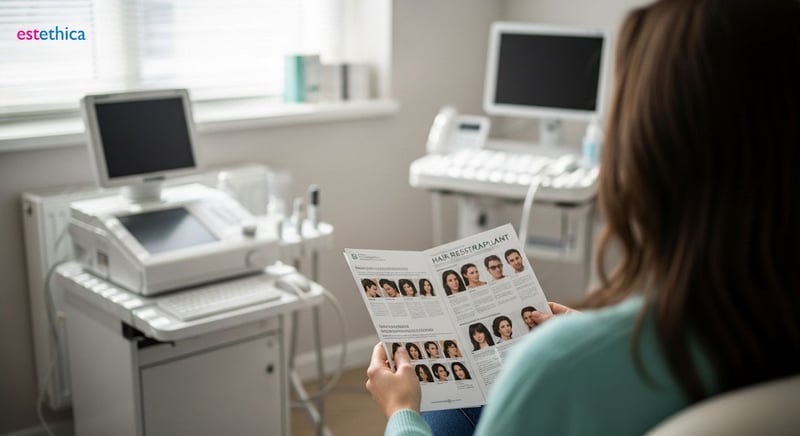
Is Hair Transplant Really Permanent? Unveiling Long-Term Expectations
Factors Influencing the Longevity of Hair Transplants
While hair transplants are often seen as a lasting solution to hair loss, several elements affect their long-term success. The durability mostly hinges on the source of the transplanted follicles; typically, these come from regions of the scalp that are genetically resistant to balding. However, natural hair loss progression, individual healing capabilities, and adherence to post-operative guidelines can all affect the outcomes. Regular check-ups and continued communication between patients and surgeons are important to manage expectations and maintain the benefits of the transplant over time. Aspects of hair restoration should also be taken into consideration.
Achieving lasting satisfaction from a hair transplant requires a comprehensive approach that considers both surgical expertise and patient commitment to aftercare. For example, someone considering a hair transplant for a receding hairline may find that while the transplanted hair remains, adjacent non-transplanted areas might continue to thin, affecting the overall appearance years later. Discussing potential future hair loss scenarios and planning for maintenance therapies can help preserve a fuller look indefinitely. Also, exploring "best hair transplant clinics near me" is essential for accessing the best advice.
Essential Factors for Ensuring Long-Term Hair Transplant Success
- Surgeon's Expertise: Opting for a skilled surgeon who specializes in follicular unit extraction or FUT hair transplant techniques and understands hairline design is crucial for natural-looking, permanent results.
- Realistic Expectations: It’s vital to understand that while transplanted hair is permanent, it won’t stop the progression of natural hair loss. Continued management might be necessary.
- Post-Operative Care: Following the surgeon’s instructions for aftercare, including medication and lifestyle adjustments, is critical to ensure graft survival and healthy hair growth.
The question, "is hair transplant permanent?" often arises, highlighting the need for clear communication about what a hair transplant can and cannot achieve. While the transplanted hair should last a lifetime, the overall appearance may change as you age. Strategies like scalp micropigmentation can complement the results, especially if future hair loss occurs. If you are considering "hair transplant for women", consultation with a specialized clinic is required to create a careful plan.
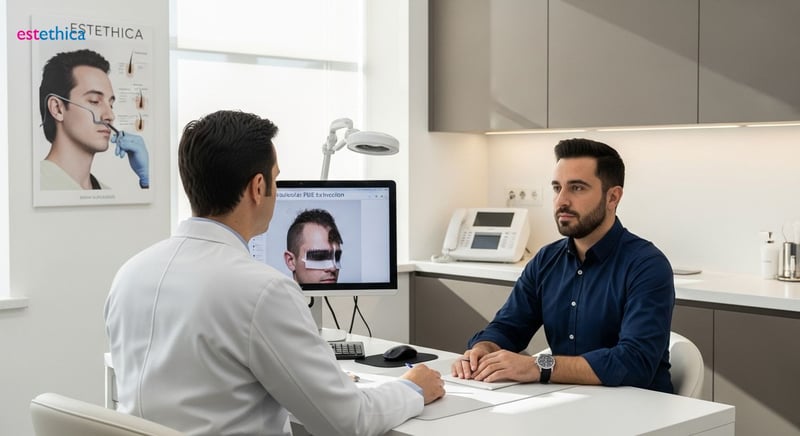
Hair Loss Treatment Beyond Transplants: Exploring Non-Surgical Options
Alternatives to Surgical Hair Restoration
Many individuals explore options outside of surgery to combat hair loss treatment. Non-surgical methods like scalp micropigmentation offer a cosmetic solution by creating the illusion of a fuller head of hair through detailed pigmentation of the scalp. Platelet-rich plasma (PRP) therapy uses injections of the patient’s own concentrated platelets to stimulate hair follicles, promoting natural hair growth. Laser therapy, another non-surgical option, employs low-level lasers to enhance circulation and encourage follicle rejuvenation. These treatments are suitable for those not ready for a hair transplant, or for whom surgery is not advisable. Such innovations help manage expectations and improve hair density without invasive procedures. The increasing demand for non-invasive cosmetic procedures has driven ongoing research and sophistication in techniques.
Exploring the Spectrum of Non-Surgical Methods for Enhanced Hair Health
- Scalp Micropigmentation: This involves depositing tiny dots of pigment into the scalp to mimic the appearance of hair follicles, providing an immediate cosmetic improvement for thinning areas. It is often considered when discussing hair transplant alternatives.
- PRP Therapy: Using the patient's own blood, PRP is extracted and injected back into the scalp, offering a regenerative approach to hair growth by stimulating dormant hair follicles. Ideal for boosting the effects of conventional treatments, this can be personalized alongside traditional hair restoration.
- Laser Therapy: Low-level laser therapy increases blood flow to the scalp and stimulates cellular activity in hair follicles, which can lead to improved hair density and thickness.
Individuals experiencing early stages of hair loss, or those looking to enhance the density of their hair without surgery, might find these methods particularly appealing. When researching "best hair transplant clinics near me," exploring their offerings in non-surgical treatments is also beneficial. These treatments offer a range of options for those seeking alternatives to surgery, addressing different aspects of hair health and aesthetics. When consulting about options, consider speaking with clinics experienced in hair transplant and non-surgical methods.
Best Hair Transplant Clinics: Finding the Right Expert for You
Essential Factors to Consider When Evaluating Clinics
When seeking the "best hair transplant clinics", it’s vital to conduct detailed research into their certifications, the hair restoration technologies they use, and testimonials from former patients. A clinic's success rate, the proficiency of its medical staff, and the adoption of cutting-edge hair restoration methods are all key considerations. Patient feedback and preliminary consultations can offer valuable insights into what to anticipate, guaranteeing comfort and confidence in the selected procedure. The right clinic should focus on providing personalized care plans aligning with individual patient needs.
Selecting a clinic also means evaluating the array of treatments they offer, from FUT hair transplant to advanced FUE techniques, ensuring they provide a spectrum of solutions to match varying degrees of hair loss and specific cosmetic preferences. For instance, a clinic might specialize in hair transplant for receding hairline, focusing on creating natural-looking results that frame the face appropriately. Patient reviews offer genuine perspectives on the care quality and results achieved, which helps build a comprehensive understanding of a clinic’s strengths and areas for improvement.
Qualities to Look For in a Top Hair Transplant Clinic
- Accreditation and Certifications: Ensure the clinic is accredited by recognized medical boards and that its surgeons hold relevant certifications in hair restoration, demonstrating their commitment to standards and expertise.
- Advanced Technology: The best clinics invest in the latest technologies, such as robotic FUE systems and advanced imaging tools, to ensure precision and efficacy in procedures like FUT vs. FUE.
- Patient-Centric Approach: Look for clinics that prioritize patient education and offer personalized consultation, ensuring each patient understands their options and receives care tailored to meet individual hair restoration and aesthetic goals.
Exploring clinics with expertise in cutting-edge techniques is essential, especially if you're considering options like scalp micropigmentation or are interested when asking "how much does hair transplant cost?". Some clinics also focus on "hair transplant for women," recognizing the unique challenges and aesthetic goals of female patients. Always consider exploring "best hair transplant clinics near me", while also examining before and after photos, these illustrate the clinic's aesthetic expertise and can provide insight into whether their style aligns with your goals. estethica Global provides world-class services with affordable hair transplant prices.
Transform Your Look: The Ultimate Guide to Hair Transplant
Advanced FUE and FUT Hair Transplant Techniques for Natural-Looking Hairlines
Comprehensive Patient Care Achieved Through Personalized Treatment Plans
Frequently Asked Questions
What are the main differences between FUT and FUE hair transplant techniques?
Is a hair transplant a permanent solution for hair loss?
What non-surgical options are available for hair loss treatment?
How do I choose the best hair transplant clinics for my needs?
Considering aesthetic enhancement or wellness treatments? Our experts are ready to provide personalized guidance.
📞 Get Your Free Consultation!