

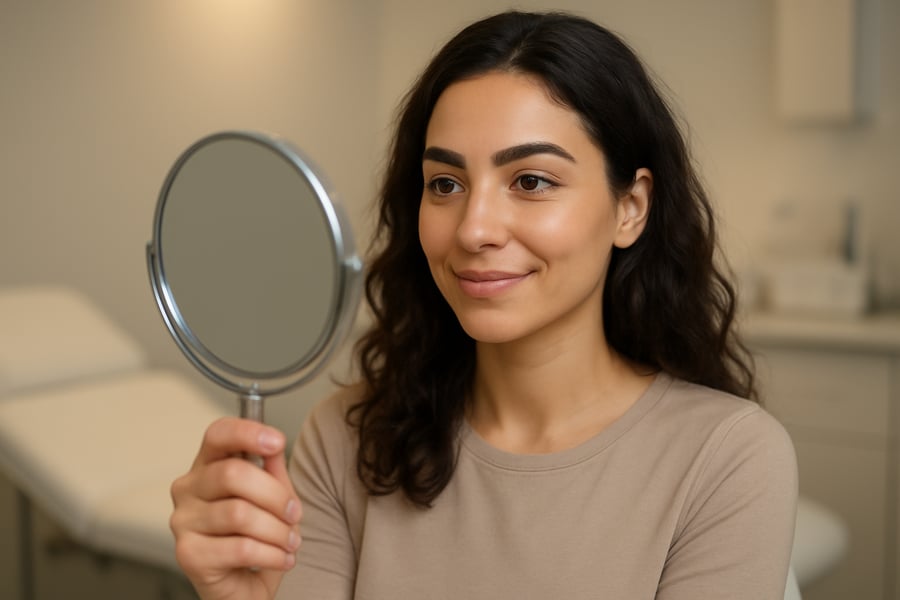
Learn what is microblading and how this semi-permanent eyebrow embroidery technique transforms thin brows into natural-looking, defined arches with expert care.
What is microblading? It is a form of cosmetic tattooing that uses a manual hand tool to deposit pigment into the epidermal layer, creating hair-like strokes that enhance eyebrow definition. This technique provides a semi-permanent solution for individuals seeking to improve the appearance of thin or sparse brows through precise dermal pigmentation. Understanding the process and its long-term effects is essential for those considering this aesthetic enhancement.
Understanding the Fundamentals of Microblading Eyebrows
Microblading functions as a specialized form of cosmetic tattooing that enhances eyebrow density by manually creating precise incisions in the epidermis1. estethica Global practitioners use a handheld tool fitted with a cluster of fine needles to deposit pigment into the papillary dermis, effectively mimicking the appearance of natural brow hairs3. This technique requires careful control over both the depth and the angle of every stroke to ensure the final aesthetic match the client’s unique facial structure.
The procedure triggers a controlled wound healing response within the skin, which is essential for locking the pigment into place and achieving a semi-permanent finish3. Because the pigment is placed in the superficial layers of the skin, the results typically fade over a period of 12 to 18 months, necessitating periodic touch-ups to maintain the desired shape and color intensity2, 3. estethica Global prioritizes safety and precision, as the technique carries inherent risks such as potential scarring or pigment discoloration if not performed with professional expertise2, 4.
Individual candidates often seek this treatment to correct thinning brows caused by aging, over-plucking, or genetic predispositions. Professional assessment is a vital step at estethica Global, where specialists evaluate skin elasticity and texture to determine the most effective approach for each patient. By focusing on artistic balance and technical accuracy, the procedure transforms sparse areas into well-defined, natural-looking eyebrows that frame the eyes effectively.

Why Choose Estethica Global for Professional Microblading Services
Selecting a qualified provider is the most important step in ensuring safety and achieving desired aesthetic outcomes for microblading eyebrows. estethica Global approaches eyebrow enhancement through rigorous scientific principles and a strict commitment to patient safety, which is essential given that 16.3% of individuals may experience complications like pigment discoloration, asymmetry, or infections if procedures are not performed correctly4. Specialists at estethica Global possess deep expertise in dermal pigmentation, ensuring that the manual deposition of pigment into the papillary dermis is executed with precision3.
Modern technological devices and stringent hygiene protocols define every microblading session at estethica Global. By maintaining a controlled environment, the team effectively reduce risks such as scarring or hypersensitivity reactions, which are known potential complications of semi-permanent tattooing1,2. Specialists engage in a detailed consultation process to design brow shapes that complement the unique facial structure of each guest, ensuring that the aesthetic goals align perfectly with the individual's skin type.
thorough aftercare guidance is a hallmark of the service provided by estethica Global, supporting patients from the initial assessment through the final recovery phase. Because microblading results are semi-permanent and typically last between 12 to 18 months, clear instructions on maintenance help prolong the vibrancy of the pigment strokes3. This dedication to transparency and clinical excellence makes estethica Global a primary destination for those seeking professional aesthetic enhancements that prioritize long-term skin health.
Comparing Microblading Techniques to Traditional Eyebrow Tattooing
Microblading functions as a specialized form of superficial micropigmentation where pigment is deposited into the papillary dermis using a manual handheld tool featuring stacked needles3. Unlike traditional tattooing, which uses electric machinery to push ink into the deeper layers of the dermis, microblading focuses on creating precise, hair-like strokes that mimic the natural growth pattern of eyebrows. This distinction in depth and application allows for a softer, more realistic aesthetic that appeals to those seeking subtle enhancement rather than a permanent, block-like appearance.
The semi-permanent nature of the microblading process, which typically lasts between 12 to 18 months, offers a level of flexibility that traditional permanent tattoos cannot provide3. Because the pigment is placed in the upper skin layers, the color gradually fades over time, allowing patients to adjust their brow shape or density as facial features change or beauty trends shift2. Conversely, traditional eyebrow tattoos are designed for permanence and may experience unwanted color shifts or blurring as the ink settles deep within the dermal tissue over many years.
Consulting with experts at estethica Global ensures that patients understand the potential risks associated with these procedures, including the possibility of scarring or pigment discoloration2, 4. While microblading is often favored for its natural results, it remains a medical aesthetic procedure that requires careful consideration of individual skin types and healing capabilities. The following table outlines the fundamental differences between these two cosmetic approaches to help you make an informed decision.
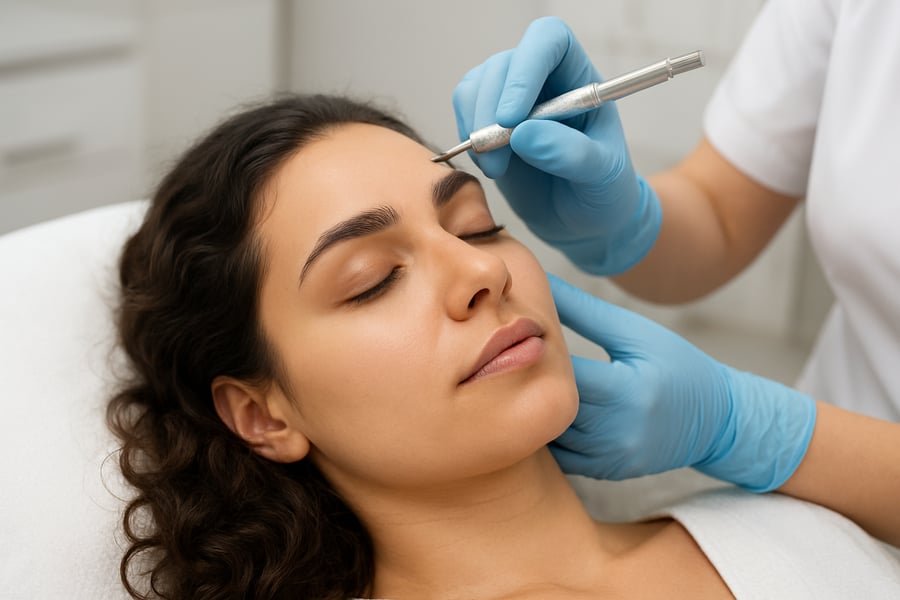
Transforming Thin Brows with Semi-Permanent Eyebrow Makeup
Microblading addresses sparse or thin eyebrows by depositing pigment into the papillary dermis through precise, superficial incisions made with a manual blade3. Specialists at estethica Global use this technique to mimic natural hair growth, effectively restoring density and symmetry to the brow line. This semi-permanent enhancement provides a polished aesthetic for individuals who have experienced hair loss due to environmental or medical factors.
Technicians begin the process by mapping the brow architecture to complement the patient's unique bone structure before carefully layering individual strokes. While many patients enjoy immediate improvements in fullness, the final color intensity softens as the skin heals over the following weeks2. Because the procedure involves creating tiny cuts in the skin, selecting an experienced professional at estethica Global is essential to minimize risks such as scarring or pigment discoloration4.
Individual results typically last between twelve to eighteen months, though longevity is influenced by skin type and dedicated aftercare practices3. Oily skin types may notice pigment fading more rapidly than those with drier skin, often necessitating a scheduled touch-up session to maintain the desired definition2. By adhering to post-procedure guidelines, patients ensure their brows remain lively and well-contoured throughout the life of the treatment.
Essential Aftercare Tips for Long-Lasting Natural Results
Proper aftercare serves as the foundation for achieving optimal aesthetic outcomes and protecting the skin during the initial healing phase of microblading. Because the procedure involves creating superficial incisions in the dermal layer, treating the area as a fresh wound is necessary to prevent infections and ensure proper pigment retention1. Specialists at estethica Global emphasize that keeping the brows clean and dry for the first few days while strictly avoiding direct sunlight, swimming, and strenuous exercise reduces the risk of complications such as pigment discoloration or asymmetry4.
Regeneration of the skin frequently triggers mild itching or flaking, yet it remains critical to avoid picking or scratching the treated area. Manipulating the brows during this phase can lead to premature pigment loss, scarring, or uneven results that compromise the intended shape2. Applying a thin layer of the recommended ointment provides the necessary moisture to soothe the skin, while patients should anticipate that the color will appear darker initially before settling into a more natural tone as the tissue heals3.
Long-term maintenance focuses on reduce the primary factors that cause pigment fading, particularly excessive UV exposure. Using high-quality sunscreen around the brow area helps preserve the vibrancy of the pigment, while scheduling regular follow-up appointments allows professionals at estethica Global to assess the healing progress and determine if a touch-up is needed to maintain the desired density2. Adhering to these professional guidelines ensures that individuals enjoy their enhanced brows for the full duration of their semi-permanent lifespan while minimizing the risk of adverse reactions4.
Technical Application and Manual Pigmentation Methods
Post-Procedural Care and Long-Term Maintenance
Frequently Asked Questions
Who is not a suitable candidate for microblading?
What steps should I take to prepare for my microblading appointment?
How long is the typical recovery period for microblading?
How does microblading differ from traditional eyebrow tattooing?
Is it true that microblading will permanently change my natural brow hair growth?

Ready to achieve your perfect brow shape?
Get personalized guidance from our aesthetic experts to see if microblading is the right choice for your features.
References
Superscript numbers in the content correspond to the references listed below.
- PubMed Central — Eyebrow Microblading: Science, Art, and Complications
- PubMed — Microblading Technique for Tattooing of "Hairstrokes" That Simulate Natural Hair: Eyebrow Tattooing and Correction of Medical Conditions
- PubMed — Microblading and the Science Behind it
- PubMed Central — A thorough evaluation of safety and awareness in eyebrow microblading: a cross-sectional study