


Transform your confidence with advanced hair restoration techniques. Explore options at top clinics for lasting results.
Hair loss affects millions of individuals worldwide, transcending age and gender. The journey from experiencing thinning hair to achieving a full head of hair can be transformative, both physically and psychologically. This comprehensive guide explores the latest advancements in hair transplantation, diving into innovative techniques and the impressive outcomes they deliver.
Decoding Hair Loss: Understanding the Root Causes
Unveiling the Primary Drivers of Hair Thinning
Hair loss is a multifaceted issue influenced by various elements, including genetic predispositions, hormonal imbalances, dietary inadequacies, and heightened stress levels. Identifying these underlying factors is essential for tailoring effective hair restoration strategies. Whether the hair loss is temporary or ongoing, addressing the fundamental causes is vital for achieving lasting results. Understanding these triggers allows for more targeted and successful interventions, improving the overall effectiveness of hair loss treatment. For instance, a deficiency in iron, a common issue, can lead to significant hair thinning, underscoring the importance of nutritional balance.
- Genetic Factors: Hereditary conditions like androgenetic alopecia significantly impact hair loss patterns.
- Hormonal Imbalances: Fluctuations in hormones, such as those during menopause, can disrupt hair growth cycles.
- Nutritional Deficiencies: Lack of essential nutrients like iron, zinc, and vitamins can weaken hair follicles.
Moreover, lifestyle factors, such as chronic stress, can exacerbate hair loss, highlighting the need for comprehensive management strategies. Addressing these root causes ensures that the approach to hair loss is both effective and sustainable, enhancing the prospects for successful hair restoration.
Navigating Treatment Options Based on Underlying Causes
Effective hair loss treatment hinges on accurately identifying the root causes and tailoring interventions accordingly. For instance, hair loss stemming from nutritional deficiencies often benefits from dietary adjustments and supplements, while hormonally driven hair loss may require medical intervention to balance hormone levels. Understanding the specific triggers allows for a more targeted approach, enhancing the likelihood of successful hair restoration. Furthermore, advancements in hair transplant techniques, such as FUE hair transplant and FUT hair transplant, offer viable solutions for those with genetic predispositions or advanced hair loss. These procedures, performed by skilled surgeons at a reputable hair transplant clinic, can restore hair density and improve overall appearance. For example, individuals experiencing hair loss due to stress may find relief through stress management techniques combined with therapies that promote hair regrowth.
- Nutritional Adjustments: Addressing deficiencies with a balanced diet and supplements.
- Hormonal Regulation: Medical interventions to stabilize hormone levels.
- Advanced Hair Transplant Techniques: FUE and FUT procedures for restoring hair density.
The cost of a hair transplant varies depending on the technique used and the extent of the procedure. Consulting with a hair restoration specialist can provide clarity on suitable options and expected outcomes, ensuring a well-informed decision-making process. Whether considering surgical or non-surgical options, addressing the underlying causes remains paramount for achieving lasting results in hair loss treatment.

The Art of Hair Transplantation: FUE vs. FUT Explained
Comparing FUE and FUT Techniques for Hair Restoration
Follicular Unit Extraction (FUE) and Follicular Unit Transplantation (FUT) represent the leading methods in modern hair restoration. FUE involves extracting individual hair follicles directly from the scalp, offering a minimally invasive approach that results in less visible scarring. This technique is particularly favored for its natural-looking results and shorter recovery times. FUT, conversely, entails removing a strip of scalp from which hair follicles are then extracted. While FUT can be more efficient for covering extensive areas of baldness, it typically leaves a linear scar. The choice between FUE and FUT often depends on the extent of hair loss, the patient's preferences, and the advice of a skilled hair transplant surgeon.
- FUE (Follicular Unit Extraction): Involves individual follicle extraction, minimizing scarring and recovery time.
- FUT (Follicular Unit Transplantation): Entails removing a strip of scalp, suitable for covering larger bald areas.
- Natural Results: Both techniques aim to restore hair with a natural appearance, tailored to individual needs.
Advancements in both FUE and FUT techniques have significantly improved outcomes, making hair restoration a viable option for many seeking to address hair loss. A consultation with a reputable hair transplant clinic can help determine the most suitable method, taking into account factors such as hair type, degree of baldness, and desired aesthetic results. For example, individuals with smaller areas of hair loss might prefer the precision and minimal scarring of FUE, while those needing extensive coverage might opt for the efficiency of FUT. Este Hair Clinic offers both FUE and FUT options.
Understanding the Factors Influencing the Choice Between FUE and FUT
Selecting between FUE and FUT involves considering several key factors to ensure the best possible outcome for hair restoration. FUE hair transplant is often preferred for its less invasive nature, which results in smaller, less noticeable scars and a quicker recovery period. This makes it an attractive option for those who value minimal downtime and discreet results. On the other hand, FUT hair transplant can be more efficient for transplanting a larger number of grafts in a single session, making it suitable for individuals with extensive hair loss. The decision also depends on the individual's hair characteristics, such as density and texture, as well as the surgeon's expertise in each technique. A thorough evaluation by a hair restoration specialist is essential to determine which method aligns best with the patient's specific needs and expectations. For example, those with a tight scalp might find FUE more comfortable, while others with a larger balding area may benefit more from the extensive coverage provided by FUT.
- Scalp Elasticity: FUE may be more suitable for individuals with tighter scalps.
- Extent of Hair Loss: FUT is often more efficient for covering larger areas of baldness.
- Scarring Preferences: FUE results in smaller, less noticeable scars compared to FUT.
Ultimately, the choice between FUE and FUT should be a collaborative decision between the patient and the surgeon, considering all relevant factors to achieve the most natural and satisfying results. Whether opting for FUE or FUT, consulting with a skilled hair transplant surgeon at a reputable hair transplant clinic is crucial for achieving optimal outcomes in hair restoration. Este Hair Clinic is known for its skilled surgeons.
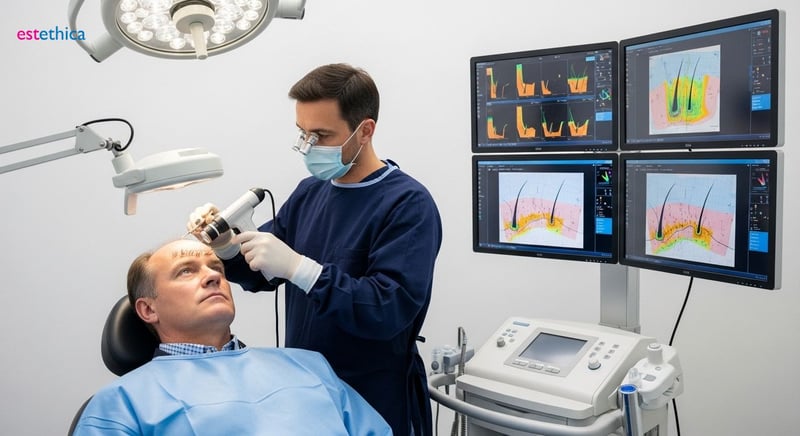
Finding the Right Hair Transplant Clinic: A Comprehensive Guide
Key Considerations When Selecting a Hair Transplant Clinic
Choosing a suitable hair transplant clinic involves carefully assessing several critical factors. The expertise and qualifications of the medical team are paramount, as their skill directly impacts the success of the procedure. Additionally, the technologies and techniques offered by the clinic play a significant role in achieving natural-looking results. Patient testimonials and reviews can provide valuable insights into the clinic's reputation and patient satisfaction levels. A clinic renowned for adhering to international standards, such as estethica, ensures a commitment to patient safety and delivers outstanding outcomes. For example, clinics that invest in the latest equipment and training demonstrate a dedication to providing the best possible care.
- Medical Team Expertise: The qualifications and experience of the surgeons and medical staff.
- Technology and Techniques: The availability of advanced hair transplant methods like FUE Sapphire.
- Patient Testimonials: Reviews and feedback from previous patients regarding their experiences.
Furthermore, the clinic's approach to aftercare and follow-up support is essential for ensuring a smooth recovery and long-term satisfaction. Selecting a clinic that prioritizes patient well-being and offers comprehensive support can make a significant difference in the overall hair restoration journey. Whether considering a hair transplant for a receding hairline or addressing more extensive hair loss, choosing the right clinic is a crucial step towards achieving desired results.
Understanding Hair Transplant Costs and Value
When considering a hair transplant, understanding the balance between cost and value is essential. While the initial hair transplant cost may be a significant factor, focusing solely on price can be misleading. Instead, it's crucial to evaluate what the cost includes, such as pre-operative consultations, the surgical procedure itself, post-operative care, and any follow-up appointments. A higher-priced clinic may offer more experienced surgeons, advanced techniques like FUE hair transplant, and comprehensive aftercare, ultimately providing better value. For instance, a clinic that offers detailed consultations and personalized treatment plans can ensure that the procedure aligns with the patient's specific needs and expectations. Moreover, the long-term benefits of a successful hair transplant, such as increased confidence and improved quality of life, should also be considered when assessing value.
- Comprehensive Care: Evaluate what the cost includes, such as consultations, surgery, and aftercare.
- Surgeon Experience: Consider the qualifications and experience of the medical team.
- Long-Term Benefits: Factor in the lasting impact on confidence and quality of life.
Ultimately, the goal is to find a clinic that offers a fair price for high-quality services, ensuring that the investment leads to satisfying and natural-looking results. Whether exploring options like FUT hair transplant or more advanced methods, choosing a clinic that prioritizes patient care and delivers consistent outcomes is paramount. Este Hair Clinic is known for providing excellent results.
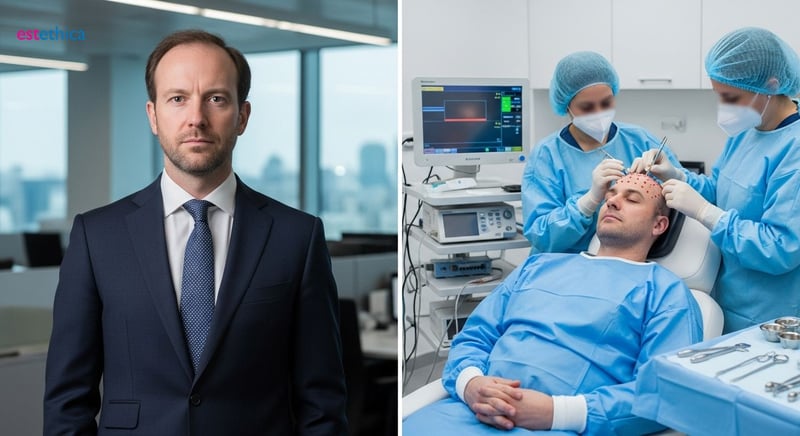
Beyond the Procedure: Hair Transplant Recovery and Aftercare Secrets
Essential Aftercare Steps for a Successful Hair Transplant
Post-procedure care is critical to ensuring the success and longevity of a hair transplant. Following the transplant, patients receive detailed aftercare instructions, which often include medication to prevent infection, specific washing techniques to protect the newly implanted follicles, and guidance on avoiding activities that could jeopardize the grafts. Adhering to these guidelines is vital for optimizing healing and promoting robust hair growth. For instance, patients are typically advised to avoid direct sunlight and strenuous physical activities for a specified period to prevent complications. Proper aftercare not only accelerates recovery but also enhances the overall outcome of the hair restoration process. Clinics like estethica prioritize comprehensive aftercare support, offering personalized guidance and monitoring to ensure the best possible results.
- Medication Adherence: Following prescribed medication schedules to prevent infection and inflammation.
- Gentle Washing Techniques: Using specific shampoos and methods to protect newly implanted follicles.
- Activity Restrictions: Avoiding strenuous activities and direct sunlight to prevent graft damage.
The quality of aftercare significantly impacts the final aesthetic outcome, ensuring that the transplanted hair integrates seamlessly and grows naturally. By diligently following post-operative instructions, patients can maximize the benefits of their hair transplant and enjoy long-lasting, satisfying results.
Understanding the Hair Transplant Recovery Timeline
The hair transplant recovery timeline is a crucial aspect of the overall process, and understanding what to expect can help patients navigate this period with confidence. Initially, patients may experience some swelling and discomfort, which can be managed with prescribed medications. Over the first few weeks, the transplanted hair follicles will begin to settle, and small scabs may form around the implantation sites. It's essential to avoid picking at these scabs to prevent damage to the grafts. As the healing progresses, the transplanted hair will initially shed, which is a normal part of the process. New hair growth typically begins within a few months, with noticeable improvements in hair density over the following year. For example, patients often see initial growth around three to four months post-procedure, with continued thickening and maturation of the hair over the next several months. Regular follow-up appointments with the hair transplant clinic, such as estethica, are essential to monitor progress and address any concerns.
- Initial Healing Phase: Managing swelling and discomfort with prescribed medications.
- Scab Formation and Shedding: Understanding the normal process of scab formation and initial hair shedding.
- New Hair Growth: Anticipating new hair growth within a few months and continued improvement over the following year.
By adhering to the recommended aftercare protocols and maintaining open communication with their medical team, patients can optimize their recovery and achieve the desired results from their hair transplant. The timeline can be influenced by factors such as the individual's healing rate, the extent of the transplant, and the specific techniques used, such as FUE sapphire. Fatma Dursun Hair Transplant is also important for the health of your hair.
Advanced FUE and FUT Hair Transplant Techniques for Natural-Looking Results
Este Hair Clinic excels in Follicular Unit Extraction (FUE) and Follicular Unit Transplantation (FUT), offering minimally invasive solutions for hair restoration. FUE involves extracting individual hair follicles directly from the scalp, minimizing scarring and recovery time. FUT entails removing a strip of scalp, making it suitable for covering larger bald areas efficiently.
Este Hair Clinic's skilled surgeons are adept at tailoring hair transplant procedures to individual needs, considering factors like hair type, degree of baldness, and desired aesthetic outcomes. They prioritize natural-looking results, ensuring that transplanted hair integrates seamlessly and grows robustly. Their comprehensive approach addresses the root causes of hair loss, enhancing the likelihood of successful and lasting hair restoration.
Comprehensive Aftercare for Optimal Hair Transplant Recovery
Este Hair Clinic prioritizes comprehensive aftercare support, offering personalized guidance and monitoring to ensure the best possible results. Post-procedure care includes medication to prevent infection, specific washing techniques to protect newly implanted follicles, and guidance on avoiding activities that could jeopardize the grafts. This meticulous approach optimizes healing and promotes robust hair growth.
Patients at Este Hair Clinic experience increased confidence and improved quality of life through successful hair transplants. The clinic's dedication to patient well-being and consistent outcomes makes it a trusted choice for individuals seeking effective hair restoration solutions. The long-term benefits of a successful hair transplant are evident in the clinic's commitment to patient satisfaction and natural-looking results.
Frequently Asked Questions
What is a hair transplant and how does it address hair loss?
What are the main differences between FUE and FUT hair transplant techniques?
How do I choose the right hair transplant clinic for my hair restoration?
What is the hair transplant recovery process like, and what aftercare is required?
How long does it take to see results after a hair transplant procedure?
Ready for world-class aesthetic care with a personalized touch?
📞 Schedule Your Free Consultation!