

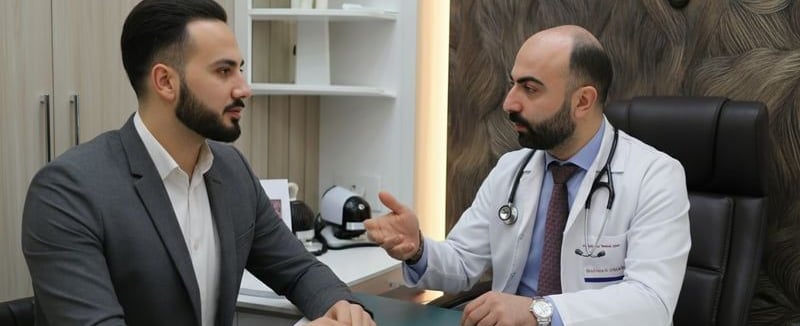
Discover the leading techniques and recovery information about hair transplants with estethica's expertise.
Addressing hair loss and balding with modern medical techniques is a pathway not just to revitalized appearance but also to enhanced self-esteem. Hair transplantation has emerged as a leading solution, offering hope to millions combating thinning hair. As one of the most sought-after cosmetic procedures today, understanding the nuances of hair transplant surgery becomes crucial for individuals considering this transformative journey. With advanced technologies and expert clinical care led by establishments like estethica, hair transplant procedures have seen revolutionary progress in outcomes and patient satisfaction.
Understanding Hair Transplant Surgery: A Deep Dive
Exploring Hair Transplant Techniques
Hair transplant surgery is a sophisticated procedure aimed at addressing hair loss, particularly male pattern baldness. The process involves transferring hair follicles from a 'donor site' to a 'recipient site'. Two primary techniques dominate this field: Follicular Unit Transplantation (FUT) and Follicular Unit Extraction (FUE). FUT requires the removal of a strip of skin, making it slightly more invasive than FUE, which extracts individual follicles directly from the scalp. A recent advancement, Direct Hair Implantation (DHI), refines FUE by allowing precise placement of hair grafts, minimizing incisions and enhancing results.
Key Factors for Successful Hair Transplant
- Surgeon's expertise and experience play a crucial role in outcomes.
- High hair density in the donor area ensures better coverage.
- Recipient area's condition affects the integration of transplanted hair.
These factors significantly influence the success of hair restoration procedures. For instance, a skilled surgeon can optimize graft survival rates, while a dense donor area provides ample resources for transplantation. Additionally, a healthy recipient site facilitates better hair growth post-surgery.
Timeline for Visible Results
- Initial growth phase begins around three months post-surgery.
- Noticeable improvements continue over the next six months.
- Full results typically manifest within a year.
Understanding the timeline for hair transplant recovery is crucial for setting realistic expectations. Patients often see initial growth within three months, with significant improvements by six months. By the end of the year, the full impact of the surgery is usually visible, offering a renewed sense of confidence. For more insights into hair transplant solutions, you can explore further here.
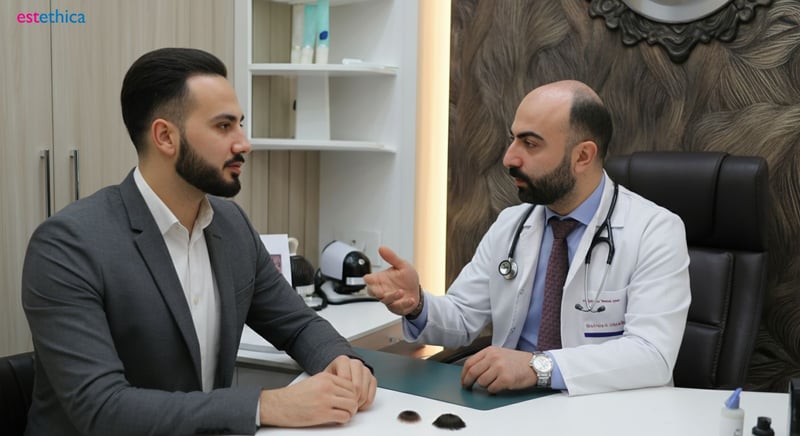
Exploring Hair Restoration: Techniques and Benefits
Innovative Non-Surgical Hair Restoration Methods
Non-surgical hair restoration techniques have gained popularity for their ability to enhance hair appearance without invasive procedures. Scalp micropigmentation, for instance, involves tattooing the scalp to mimic natural hair follicles, offering a fuller look. This method is ideal for those seeking a quick aesthetic improvement without downtime.
Advantages of Advanced Hair Transplant Techniques
- Minimal scarring due to advanced tools like the sapphire blade in FUE.
- Reduced recovery time with techniques like DHI, allowing quicker return to daily activities.
- High success rates, with over 90% effectiveness in skilled hands.
These benefits make modern hair transplant techniques appealing. For example, the use of a sapphire blade in FUE minimizes scarring, while DHI's precision reduces recovery time. Such advancements ensure patients achieve natural-looking results efficiently.
Understanding Hair Transplant Costs
- Factors influencing cost include clinic location and surgeon expertise.
- Procedure type, such as FUE or DHI, affects pricing.
- Number of grafts required plays a significant role in determining expenses.
While specific pricing details are not discussed, understanding the factors influencing hair transplant costs can guide individuals in making informed decisions. The choice of clinic, technique, and graft quantity all contribute to the overall investment in hair restoration.
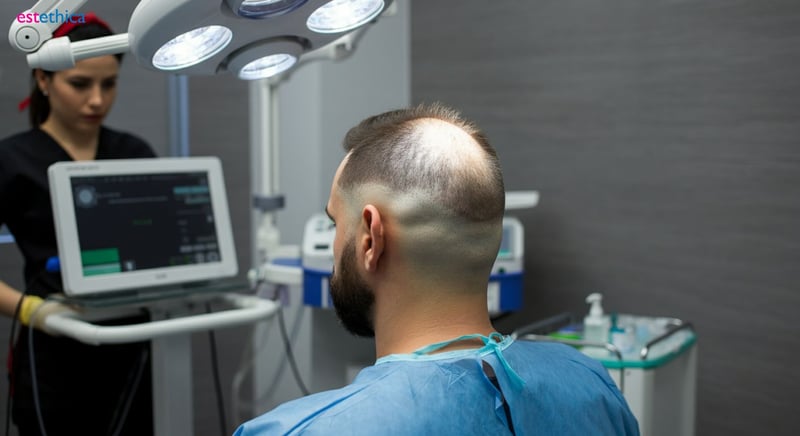
Navigating Hair Transplant Recovery: What to Expect
Understanding the Recovery Timeline
The recovery period following hair transplant surgery is a crucial phase that varies based on the technique used and individual factors. Typically, patients can resume work and normal activities within a week. Initial discomfort is minimal, with some experiencing slight swelling in the forehead area during the first few days. Detailed post-operative care instructions from the clinic significantly aid in the healing process, ensuring a smooth recovery.
Factors Influencing Recovery Experience
- Technique used: Follicular Unit Extraction (FUE) often results in quicker recovery compared to other methods.
- Individual health: A patient's overall health can impact healing speed and effectiveness.
- Post-care adherence: Following the clinic's care instructions enhances recovery and results.
These factors play a significant role in the recovery experience. For instance, FUE's minimally invasive nature often leads to faster healing, while a patient's health status can affect the recovery timeline. Adhering to post-care guidelines is essential for optimal results.
Gradual Hair Growth and Expectations
- Initial hair growth typically begins around three months post-surgery.
- Hair continues to thicken and gain a natural appearance over time.
- Full results are generally visible within a year, offering a renewed look.
Understanding the gradual nature of hair growth post-transplant is vital for setting realistic expectations. Patients often notice initial growth by the third month, with significant improvements over the following months. By the end of the year, the transplanted hair usually achieves a natural and fuller appearance, enhancing the patient's confidence.
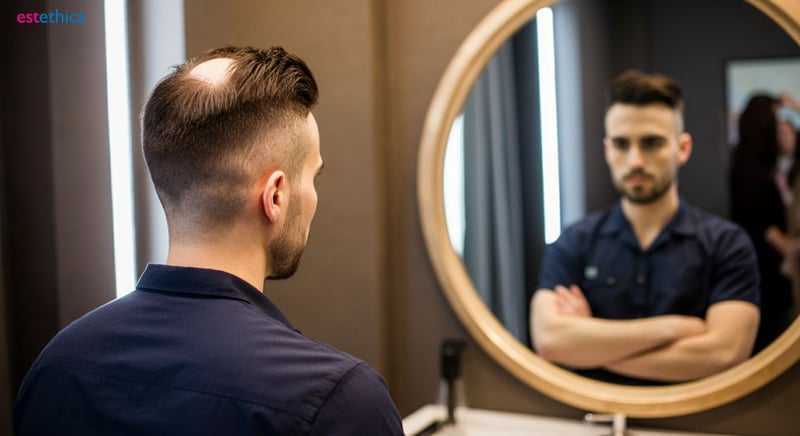
Choosing the Best Hair Transplant Clinics: Key Factors
Evaluating Clinic Expertise and Technology
When selecting a clinic for hair transplant surgery, the expertise of the medical team and the technology they employ are paramount. Clinics like estethica, renowned for their comprehensive approach, prioritize patient safety and innovative techniques. This ensures not only successful hair restoration but also a smooth pre and post-operative experience. For instance, a clinic's use of advanced tools such as the sapphire blade in Follicular Unit Extraction (FUE) can significantly enhance results by minimizing scarring and reducing recovery time.
Assessing Clinic Reputation and Patient Feedback
- Global standing and accreditations reflect a clinic's commitment to excellence.
- Patient reviews provide insights into the clinic's service quality and outcomes.
- A transparent consultation process fosters trust and informed decision-making.
These factors are crucial in evaluating a clinic's reputation. For example, a clinic with international accreditations and positive patient feedback is likely to offer high-quality services. Additionally, a transparent consultation process helps patients understand the procedure, setting realistic expectations and building confidence in the clinic's capabilities.
Understanding the Role of Innovative Techniques
- Advanced techniques like Direct Hair Implantation (DHI) enhance precision and results.
- Scalp micropigmentation offers a non-surgical option for aesthetic improvement.
- Hairline transplant techniques ensure natural-looking outcomes.
Innovative techniques play a significant role in achieving desirable hair restoration results. For instance, DHI allows for precise placement of hair grafts, enhancing the natural appearance of the transplant. Scalp micropigmentation provides a non-invasive solution for those seeking immediate aesthetic improvement, while specialized hairline transplant methods ensure a seamless integration with existing hair.
Revolutionary Hair Transplant Techniques: FUE and DHI
Excellence in Hair Transplant Recovery: Patient-Centric Care
Frequently Asked Questions
How does hair transplant surgery work?
What is the recovery time for a hair transplant?
Are hair transplant results permanent?
What are the latest hair transplant techniques?
What factors influence the cost of a hair transplant?
Discover the path to your healthiest and most beautiful self with estethica's award-winning services. Call now for a free consultation and let our expert team guide you on your journey to wellness and aesthetics.
📞 Call for Your Free Consultation Today!