

Discover how dental implants can transform your smile and boost your confidence through advanced techniques and durable solutions.
Dental implants have revolutionized dentistry by providing a reliable and aesthetically pleasing solution for replacing missing teeth. As individuals seek to restore their smiles and boost their confidence, understanding the science, benefits, and implant options available is crucial. Explore with us the transformative journey of dental implants and discover why they might be the right solution for you.
The Science of Osseointegration: How Implants Bond
The Titanium-Bone Interface: A Cellular Symphony
Osseointegration is the cornerstone of successful dental implants, representing a direct structural and functional connection between living bone and the surface of a load-bearing artificial implant. This biological marvel begins with the precise placement of a titanium implant into the jawbone. Titanium's biocompatibility allows bone cells to attach and proliferate directly on the implant surface, forming a stable and lasting bond. The process mirrors the natural tooth structure, preserving jaw integrity and preventing bone loss. This fusion ensures the implant's stability, allowing it to withstand the forces of chewing and biting, much like a natural tooth root.
- Enhanced Stability: Osseointegration provides a stable foundation for the artificial tooth, ensuring it remains firmly in place.
- Bone Preservation: By mimicking natural tooth roots, implants stimulate the jawbone, preventing bone loss and maintaining facial structure.
- Long-Term Functionality: A successful osseointegration process ensures the implant can withstand the daily stresses of chewing and speaking for many years.
The Steps to Achieve Optimal Osseointegration
Achieving successful osseointegration requires careful planning and execution. The process begins with a thorough evaluation of the patient's oral health, including bone density and overall health. Precise surgical techniques are crucial to ensure the implant is placed correctly and securely within the jawbone. Following surgery, a period of healing is necessary to allow the bone to fuse with the implant. During this time, patients are advised to follow specific post-operative instructions to promote healing and prevent complications. The success of osseointegration is often assessed through clinical and radiographic examinations, ensuring the implant is stable and ready to support the artificial tooth. Patients seeking affordable dental implants deals should prioritize quality and precision in the osseointegration process for lasting results. Maintaining oral hygiene is also crucial for long-term implant health. Regular check-ups and professional cleanings help prevent infections and ensure the continued success of the implant.
- Implant Placement: The titanium implant is surgically placed into the jawbone, ensuring it is securely anchored.
- Healing Period: A period of several months is required for the bone to grow around and fuse with the implant.
- Abutment Attachment: Once osseointegration is complete, an abutment is attached to the implant, which will connect to the artificial tooth.
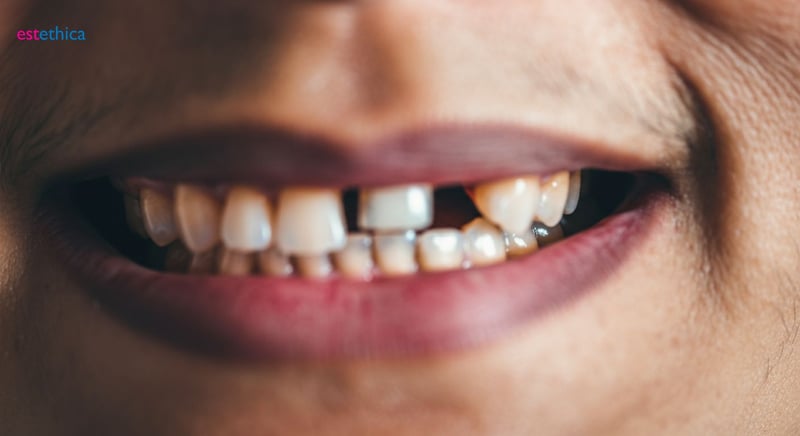
Dental Implants vs. Bridges: Which is Right for You?
Longevity and Impact on Adjacent Teeth
When patients are faced with the decision between dental implants and bridges, a key consideration is the long-term durability and effect on surrounding teeth. Dental implants are designed to be a permanent solution, fusing directly with the jawbone through osseointegration, which can last a lifetime with proper care. Unlike bridges, implants do not require altering or anchoring to adjacent teeth, preserving their natural structure and health. This is particularly beneficial for maintaining overall oral health and preventing future complications. Bridges, while a quicker and less invasive option initially, rely on the support of neighboring teeth, which can increase the risk of decay and stress on these teeth over time. According to recent studies, dental implants have a success rate of over 95% over ten years, demonstrating their reliability and long-term value. Choosing the right option depends on a comprehensive evaluation of individual oral health, long-term goals, and commitment to maintenance.
- Preservation of Natural Teeth: Implants do not require altering adjacent teeth, preserving their structure and health.
- Long-Term Durability: With proper care, implants can last a lifetime, making them a cost-effective solution in the long run.
- Enhanced Stability: Implants fuse with the jawbone, providing a stable and secure foundation for the artificial tooth.
Individual Oral Health Needs and Budget Considerations
Selecting between dental implants and bridges involves a thorough assessment of individual oral health needs and financial planning. Dental implants are often recommended for patients with healthy jawbones and a commitment to maintaining excellent oral hygiene. The initial investment for implants may be higher, but their longevity and minimal impact on adjacent teeth can make them a more economical choice over time. Bridges, on the other hand, might be suitable for patients with existing dental work on adjacent teeth or those seeking a quicker, less invasive solution. While bridges have a lower upfront, they may require replacement or repair in the future, leading to additional expenses. For instance, a patient with a single missing tooth and strong adjacent teeth might consider an implant for its long-term benefits. Another patient with multiple missing teeth might explore implant-supported dentures as a comprehensive solution. A comprehensive evaluation by a qualified dentist is essential to determine the most appropriate and effective treatment plan. Many patients explore dental implants payment plans to manage the investment.
- Comprehensive Evaluation: A dentist assesses the patient's oral health, bone density, and overall health to determine the best option.
- Financial Planning: Patients consider the initial and long-term costs of each option, including potential maintenance and replacements.
- Treatment Plan: A customized plan is developed based on individual needs, goals, and financial considerations.
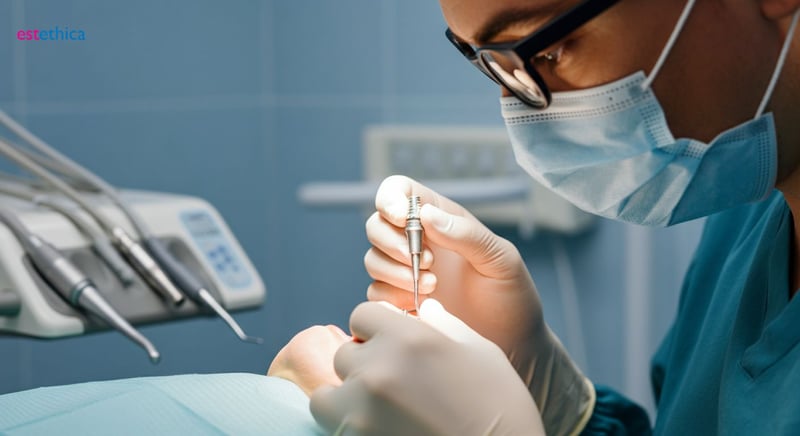
Best Dental Implants for Seniors: Restoring Oral Health
The Transformative Impact of Dental Implants on Senior Oral Health
For seniors, dental implants represent a significant advancement in restoring oral health and enhancing overall quality of life. Implants provide a stable and permanent solution for missing teeth, improving chewing efficiency and enabling a more nutritious diet. This, in turn, supports better overall health and well-being. Moreover, dental implants help maintain facial structure by preventing bone loss that often occurs after tooth extraction. As seniors prioritize their health and independence, dental implants offer a reliable and aesthetically pleasing option. Seniors can once again enjoy a confident smile and improved oral function. The success of dental implants in seniors depends on a comprehensive evaluation and tailored treatment plan.
- Enhanced Chewing Efficiency: Implants restore the ability to chew properly, leading to better digestion and nutrition.
- Improved Facial Structure: By preventing bone loss, implants help maintain the natural shape of the face and jawline.
- Increased Confidence: A complete and healthy smile boosts self-esteem and social interaction.
Navigating Options for Seniors with Bone Density Challenges
Advancements in implant dentistry have expanded options for seniors with diminished bone density, making dental implants a viable solution for many who were previously ineligible. Mini-implants, for example, require less bone support and can be an effective alternative for those with bone loss. Bone grafting is another technique used to augment the jawbone, providing a solid foundation for traditional implants. These innovations ensure that more seniors can benefit from the stability and functionality of dental implants. Consulting with an experienced dentist is crucial to determine the most suitable approach. Seniors can explore various treatments to achieve a healthier smile and improved quality of life. The combination of advanced techniques and personalized care ensures the best possible outcome for each patient. For example, a senior with osteoporosis might benefit from bone grafting combined with mini-implants.
- Comprehensive Evaluation: A dentist assesses bone density and overall health to determine the best implant option.
- Bone Grafting: If needed, bone grafting can augment the jawbone to provide a solid foundation for implants.
- Mini-Implants: These smaller implants require less bone support and are suitable for patients with bone loss.
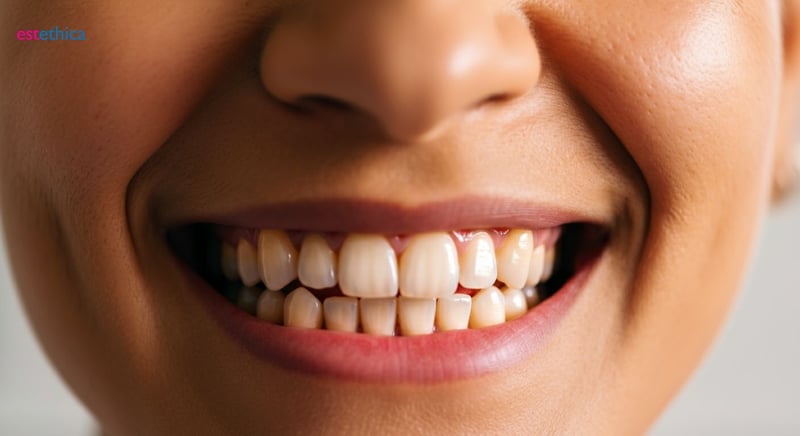
Implant Dentistry: Your Path to Full Mouth Reconstruction
The Comprehensive Approach to Rebuilding Your Smile
Implant dentistry provides comprehensive solutions for full mouth reconstruction, especially for those with extensive tooth loss. By integrating dental implants, patients can rebuild their dental arches, improving both aesthetics and functionality. This holistic approach not only rejuvenates smiles but also fosters better oral hygiene, thus positively impacting overall health. Full mouth reconstruction through implant dentistry involves a detailed assessment of the patient's oral condition, followed by a customized treatment plan to restore missing teeth and improve jaw function. The process may include bone grafting to ensure adequate support for the implants, precise placement of the implants, and the creation of custom-fitted prosthetics that look and feel natural. One of the significant benefits of this approach is the long-term stability and durability of the implants, providing patients with a lasting solution for their dental needs. For example, a patient who has lost all their teeth due to decay or injury can regain a fully functional and aesthetically pleasing smile through full mouth reconstruction with implants. Another example is a patient with severe bone loss who undergoes bone grafting to create a stable foundation for implants, allowing them to enjoy the benefits of a complete set of teeth. Additionally, patients who have struggled with ill-fitting dentures can find a permanent and comfortable solution with implant-supported prosthetics.
- Improved Aesthetics: Rebuilds smiles to enhance appearance and confidence.
- Enhanced Functionality: Restores the ability to chew and speak properly.
- Better Oral Hygiene: Facilitates easier cleaning and maintenance compared to dentures.
Understanding the Financial Aspects of Implant Dentistry
Embarking on a full mouth reconstruction journey with dental implants involves understanding the investment required for such a life-changing procedure. The dental implant cost can vary based on several factors, including the number of implants needed, the type of materials used, and any additional procedures such as bone grafting. While the initial investment may seem significant, it's essential to consider the long-term benefits and value that implants offer. Unlike traditional dentures or bridges that may require frequent replacements or repairs, dental implants are designed to be a permanent solution with proper care. Many patients explore dental implants payment plans to make the treatment more accessible. These plans can help spread the cost over time, making it easier to manage the financial aspects of restoring your smile. Investing in implant dentistry is an investment in your oral health, overall well-being, and long-term quality of life. For instance, a patient might choose to finance their full mouth reconstruction through a healthcare credit plan, allowing them to undergo the procedure without a significant upfront cost. Another patient might opt for a phased treatment approach, addressing the most critical areas first and gradually completing the reconstruction over time. Additionally, some patients may be eligible for insurance coverage or discounts, further reducing the overall financial burden.
- Consultation and Assessment: A thorough evaluation to determine the extent of reconstruction needed.
- Customized Treatment Plan: A detailed plan outlining the procedures, materials, and timeline.
- Long-Term Maintenance: Regular check-ups and oral hygiene practices to ensure the longevity of the implants.
Osseointegration: Achieving Lasting Dental Implant Stability
estethica utilizes titanium implants for their biocompatibility, ensuring bone cells attach and proliferate directly on the implant surface. This process mimics natural tooth structure, preserving jaw integrity and preventing bone loss, crucial for long-term implant success.
estethica's dental implant procedures are performed by expert dentists experienced in advanced surgical techniques. They conduct thorough evaluations of patient's oral health, including bone density, to ensure precise implant placement and optimal osseointegration.
Personalized Dental Implant Treatment Plans for Enhanced Patient Care
estethica provides customized treatment plans based on a detailed assessment of each patient's oral condition, ensuring the most suitable and effective treatment. They offer various dental implants payment plans to manage the investment in restoring your smile.
Patients at estethica benefit from enhanced chewing efficiency, improved facial structure, and increased confidence through successful dental implant procedures. The hospital's commitment to long-term stability and durability provides patients with lasting solutions for their dental needs.
Frequently Asked Questions
What are Dental Implants and how do they work?
What is involved in the Dental Implant procedure?
How do Tooth Implants compare to dental bridges?
What are the benefits of Best Dental Implants for seniors?
What factors affect the Cost of dental implants with insurance?
Achieve your aesthetic goals with estethica's world-class services and expert care.
📞 Book Your Free Consultation!