


Discover your weight loss journey with estethica. Learn about bariatric surgery options, recovery, and how to thrive after obesity surgery. Expert care for lasting results.
Embarking on a weight loss journey can be a transformative experience, and for many, bariatric surgery offers a powerful tool to achieve lasting health and wellness. At estethica, we understand that choosing to undergo weight loss surgery is a significant decision. This comprehensive guide explores various aspects of obesity surgery, from determining if you're a candidate to understanding the different bariatric procedures available and what to expect during recovery and beyond. Our goal is to provide you with the knowledge and support you need to make informed choices and thrive on your path to a healthier life. Discover how estethica's expert team and state-of-the-art facilities can help you achieve your weight loss goals through personalized care and advanced surgical techniques. We'll delve into the criteria for candidacy, compare popular procedures like sleeve gastrectomy and gastric bypass, and highlight the benefits of minimally invasive approaches.Is Weight Loss Surgery Right for You? Decoding the Criteria
Navigating the Path to Bariatric Surgery at estethica
Deciding if weight loss surgery is the right step involves a detailed understanding of candidacy and what the procedure entails. At estethica, we emphasize that obesity surgery isn't just a standalone solution but a crucial component of a comprehensive lifestyle change. The initial benchmark for candidacy often includes a Body Mass Index (BMI) of 40 or higher. Alternatively, individuals with a BMI of 35 or higher, who also face health challenges like type 2 diabetes, hypertension, or sleep apnea, may also be suitable candidates. Our approach at estethica includes a thorough evaluation process. This involves detailed reviews of your medical history, physical examinations, and in-depth discussions about your weight loss aspirations. We also focus on assessing your psychological preparedness and your commitment to adopting healthier eating habits and regular exercise routines. The primary aim is to ascertain whether the potential benefits of bariatric procedures outweigh the risks, specifically tailored to your unique health profile.
Understanding these benchmarks is the initial step in determining if weight loss surgery is a viable option for you. At estethica, our experienced bariatric surgeons offer personalized consultations to guide you through this pivotal decision-making process. For example, a 45-year-old with a BMI of 36 and struggling with diabetes might be an ideal candidate. Another example is a 50-year-old with a BMI over 40 who has tried other weight loss methods without success. A third candidate might be someone in their late 30s with sleep apnea significantly impacting their quality of life.
Essential Steps Before Considering Weight Loss Surgery
- Medical Evaluation: A comprehensive assessment by a healthcare professional to determine overall health and suitability for surgery.
- Lifestyle Assessment: Evaluation of current diet, exercise habits, and commitment to long-term lifestyle changes post-surgery.
- Psychological Readiness: Assessment of mental and emotional preparedness for the challenges and changes associated with weight loss surgery.
Before considering weight loss surgery, it's important to understand the necessary preparations. This includes a thorough medical evaluation, lifestyle assessment, and psychological readiness. For instance, understanding the importance of post-operative care. Another thing is identifying personal triggers for overeating. Also, setting realistic goals for weight loss can significantly impact the success of the procedure. These preparations ensure that patients are well-prepared for the journey ahead.
Sleeve Gastrectomy vs. Gastric Bypass: Choosing the Best Bariatric Procedure
Understanding the Procedure Selection Process at estethica
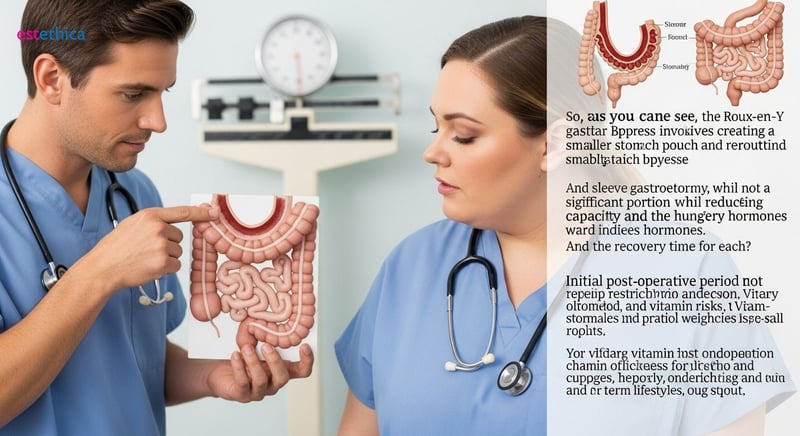
When considering weight loss surgery, understanding the different types of bariatric procedures is crucial. Two of the most common and effective options are sleeve gastrectomy and gastric bypass. Sleeve gastrectomy involves removing a significant portion of the stomach, creating a smaller, tube-like pouch. This reduces the amount of food you can eat and decreases the production of ghrelin, a hormone that stimulates appetite. Gastric bypass, on the other hand, involves creating a small stomach pouch and connecting it directly to the small intestine, bypassing a portion of the stomach and duodenum. This limits food intake and reduces calorie absorption. The best procedure for you depends on various factors, including your overall health, weight loss goals, and personal preferences.
Gastric bypass may be more suitable for individuals with severe diabetes or acid reflux, while sleeve gastrectomy might be preferred for those seeking a less complex procedure. At estethica, our bariatric surgeons will thoroughly evaluate your individual needs and recommend the most appropriate bariatric procedure to maximize your weight loss success and improve your overall health. For example, someone with a history of severe acid reflux might benefit more from gastric bypass. Another example is a patient who prefers a less invasive option might opt for sleeve gastrectomy. Also, an individual with a high BMI and diabetes may find gastric bypass more effective for managing their condition.
Key Differences Between Sleeve Gastrectomy and Gastric Bypass
- Surgical Complexity: Sleeve gastrectomy is generally a less complex surgery, involving only the removal of a portion of the stomach.
- Hormonal Impact: Both procedures affect hunger hormones, but gastric bypass may have a more significant impact on gut hormones related to satiety.
- Nutrient Absorption: Gastric bypass can lead to greater malabsorption of nutrients compared to sleeve gastrectomy.
The choice between sleeve gastrectomy and gastric bypass depends on individual health profiles and preferences. Sleeve gastrectomy is simpler, while gastric bypass impacts gut hormones more significantly. For instance, a patient concerned about long-term vitamin deficiencies might lean towards sleeve gastrectomy. Another thing is someone with a strong family history of diabetes might prefer gastric bypass. Also, an individual seeking a quicker recovery might choose sleeve gastrectomy due to its less complex nature. At estethica, our surgeons provide detailed consultations to help you make an informed decision about weight loss surgery.
Minimally Invasive Weight Loss Surgery: Benefits and Recovery Insights
The Advantages of Minimally Invasive Techniques at estethica
Minimally invasive weight loss surgery offers significant advantages over traditional open surgery, primarily due to smaller incisions. At estethica, we utilize laparoscopic and robotic techniques to minimize trauma to the body, leading to reduced post-operative pain and scarring. These methods also decrease the risk of infections and hernias, common concerns with open surgeries. The precision afforded by these techniques allows our surgeons to perform complex bariatric procedures with enhanced accuracy, promoting better outcomes and patient satisfaction. Patients benefit from shorter hospital stays, quicker recovery times, and a faster return to normal activities. This approach aligns with estethica's commitment to providing the most advanced and patient-centered care in obesity surgery.
Minimally invasive weight loss surgery translates to a more comfortable and efficient recovery process. For example, patients often experience less muscle damage and reduced blood loss. Another example is the smaller incisions result in less visible scarring. Also, the risk of post-operative complications is significantly lowered. These benefits make minimally invasive surgery an attractive option for those considering weight loss surgery. At estethica, we prioritize these techniques to ensure the best possible experience and results for our patients.
What to Expect During Minimally Invasive Bariatric Surgery Recovery
- Reduced Pain: Smaller incisions lead to less post-operative pain, often managed with milder pain medication.
- Shorter Hospital Stay: Patients typically spend less time in the hospital compared to traditional open surgery.
- Faster Recovery: Return to normal activities and work is generally quicker, often within a few weeks.
The recovery process following minimally invasive bariatric surgery is generally smoother and faster compared to traditional open surgery. Patients can expect less pain, shorter hospital stays, and a quicker return to their daily routines. For instance, many patients are able to resume light activities within a week. Another thing is the smaller incisions heal faster and with less scarring. Also, the risk of infection is minimized. These factors contribute to a more positive and less daunting experience for individuals undergoing weight loss surgery. At estethica, we provide comprehensive post-operative care to support your recovery journey.

Life After Obesity Surgery: What to Expect and How to Thrive
Adapting to Dietary Changes Post-Bariatric Surgery at estethica
Life after obesity surgery requires significant adjustments, particularly in eating habits. Following weight loss surgery, the focus shifts to consuming small, nutrient-dense meals to ensure adequate vitamin and mineral intake. In the initial weeks, you'll progress from a liquid diet to pureed foods and then to solid foods. At estethica, our dietitians provide personalized guidance to help you navigate these dietary changes. Eating slowly and chewing food thoroughly becomes essential to prevent discomfort and ensure proper digestion. Regular follow-up appointments with our team help monitor your progress and address any concerns. The goal is to establish sustainable eating patterns that support long-term weight loss and overall health. This comprehensive approach ensures you receive the support needed to thrive after bariatric procedures.
Adjusting to new eating habits is a key component of success after weight loss surgery. For example, focusing on protein-rich foods to maintain muscle mass. Another example is avoiding sugary drinks and high-fat foods. Also, staying hydrated by drinking water between meals. These adjustments, supported by estethica, help patients achieve and maintain their weight loss goals. With the right guidance and commitment, you can enjoy a healthier and more fulfilling life after obesity surgery.
Key Strategies for Long-Term Success After Bariatric Surgery
- Structured Diet Plan: Following a detailed dietary plan provided by a dietitian to ensure adequate nutrient intake and manage portion sizes.
- Regular Physical Activity: Engaging in consistent exercise to burn calories, build muscle mass, and improve overall health.
- Follow-Up Appointments: Attending regular check-ups with your healthcare team to monitor progress and address any concerns.
Maintaining long-term success after bariatric procedures involves a combination of dietary changes, regular exercise, and consistent follow-up care. For instance, incorporating strength training exercises to build muscle mass. Another thing is tracking your food intake to stay accountable. Also, seeking support from support groups to stay motivated. These strategies, combined with the support from estethica, help patients achieve lasting results after weight loss surgery.
Phases of Dietary Progression After Weight Loss Surgery
- Liquid Diet: Consuming only clear liquids, protein shakes, and broths in the first few days post-surgery to allow the digestive system to heal.
- Pureed Foods: Gradually introducing pureed foods, such as mashed vegetables, yogurt, and blended soups, to ease digestion.
- Solid Foods: Slowly transitioning to solid foods, focusing on lean proteins, fruits, and vegetables, while avoiding high-fat and sugary items.
The dietary progression after weight loss surgery is carefully structured to ensure proper healing and nutrient absorption. Starting with liquids, then moving to pureed foods, and finally to solids allows the body to adjust gradually. For example, starting with small portions of protein shakes. Another example is gradually introducing soft, cooked vegetables. Also, avoiding tough meats and fibrous foods initially. This phased approach, guided by estethica's dietitians, helps patients adapt to their new dietary needs and achieve optimal weight loss results.
Understanding Bariatric Surgery: A Comprehensive Guide
Minimally Invasive Bariatric Surgery: Laparoscopic and Robotic Techniques for Enhanced Precision
estethica utilizes advanced laparoscopic and robotic techniques in weight loss surgery to minimize trauma and enhance surgical precision. These minimally invasive methods ensure smaller incisions, leading to reduced post-operative pain and scarring.
estethica's bariatric surgeons are highly skilled in performing complex procedures using minimally invasive techniques, ensuring optimal patient outcomes. The hospital’s commitment to advanced technology and patient-centered care ensures the highest standards of expertise in obesity surgery.
Personalized Dietary Guidance and Post-Operative Support for Long-Term Weight Loss Success
estethica provides comprehensive support, including personalized dietary guidance from experienced dietitians, to ensure long-term weight loss success. Regular follow-up appointments and monitoring help patients adapt to new eating habits and maintain their weight loss goals.
estethica's commitment to patient safety and health is evident in its structured diet plans, regular physical activity programs, and consistent follow-up care. Patients experience improved quality of life and lasting results through the hospital's comprehensive approach to bariatric surgery.
Frequently Asked Questions
Who is a good candidate for weight loss surgery?
What are the main differences between sleeve gastrectomy and gastric bypass?
What are the benefits of minimally invasive weight loss surgery?
What can I expect in the weeks following bariatric surgery?
What lifestyle changes are necessary after obesity surgery for long-term success?
Ready for world-class aesthetic and healthcare services?
📞 Call Now for Your Free Consultation!