


Explore the transformative impact of dental implants on your smile and confidence. Learn from real stories and discover whether you're a candidate today.
Discover the transformative power of dental implants for boosting both your smile and your self-esteem. Unlike dentures, dental implants offer a permanent solution to tooth loss, integrating seamlessly with your natural teeth to restore function and aesthetics. Whether you're looking to improve your oral health or simply want a boost in confidence, dental implants are a revolutionary option worth exploring.
The Astonishing Evolution of Implant Dentistry
Pioneering Innovations in Implant Technology
The journey of implant dentistry reflects remarkable technological advancements. Early methods, while rudimentary, paved the way for sophisticated techniques that prioritize patient comfort and long-term success. Today, innovations like guided surgery and biocompatible materials enhance the precision and predictability of dental implants, making them a preferred choice for tooth replacement.
- Osseointegration Enhancement: Modern implants feature specially treated surfaces that promote faster and stronger bone integration, reducing healing times and improving stability.
- Digital Planning and Guided Surgery: Advanced software allows for precise implant placement, minimizing risks and optimizing aesthetic outcomes, especially beneficial for full mouth Dental Implants.
- Biocompatible Materials: The use of materials like titanium and zirconia ensures minimal allergic reactions and long-term durability, crucial for patients seeking Affordable Dental Implants.
The Evolution of Implant Dentistry: From Analogue to Digital
The shift from traditional methods to digital Implant Dentistry marks a significant turning point. Digital workflows enable dentists to plan treatments with unparalleled accuracy, using 3D imaging and CAD/CAM technology. This not only improves the fit and function of dental prosthetics but also enhances the overall patient experience, making procedures less invasive and more efficient.
- Digital Imaging and Diagnostics: CBCT scans provide detailed 3D images of the jawbone, allowing for precise assessment of bone density and nerve location, essential for avoiding complications.
- Computer-Aided Design (CAD): CAD software enables the creation of custom implant designs and surgical guides, ensuring optimal placement and aesthetic results, particularly important for Dental Implants before and after considerations.
- 3D Printing and Manufacturing: 3D printing technology facilitates the rapid production of surgical guides and temporary prosthetics, streamlining the treatment process and reducing chair time.

Dental Implants Before & After: Real Stories, Real Results
Restoring Confidence: The Impact of Dental Implants
The true measure of dental implants lies in the stories of those who have experienced their transformative effects. These are not just about restoring teeth; they are about rebuilding confidence and improving quality of life. The journey from initial consultation to the final restoration is marked by significant improvements in oral health and overall well-being.
- Enhanced Aesthetics: Patients often report a significant boost in self-esteem due to the natural look and feel of dental implants, which closely mimic real teeth.
- Improved Functionality: Dental implants restore the ability to eat, speak, and smile without discomfort, allowing individuals to enjoy a wider range of foods and social activities.
- Long-Term Oral Health: Unlike traditional dentures, dental implants help maintain bone density in the jaw, preventing bone loss and preserving facial structure.
The Journey to a New Smile: What to Expect
Embarking on the journey to receive dental implants involves several key steps, each crucial for ensuring a successful outcome. From the initial assessment to the final placement of the restoration, patients can anticipate a carefully planned and executed process. Understanding each stage helps alleviate anxiety and sets the stage for a positive experience with Implant Dentistry.
- Comprehensive Evaluation: The process begins with a thorough examination, including X-rays and 3D imaging, to assess bone density and identify any potential issues.
- Implant Placement: The implant is surgically placed into the jawbone, where it will fuse with the bone over time through osseointegration, ensuring a stable foundation for the replacement tooth.
- Restoration and Aftercare: Once the implant has fully integrated, a custom-made crown is attached, completing the restoration. Regular check-ups and proper oral hygiene are essential for maintaining the implant's health and longevity.
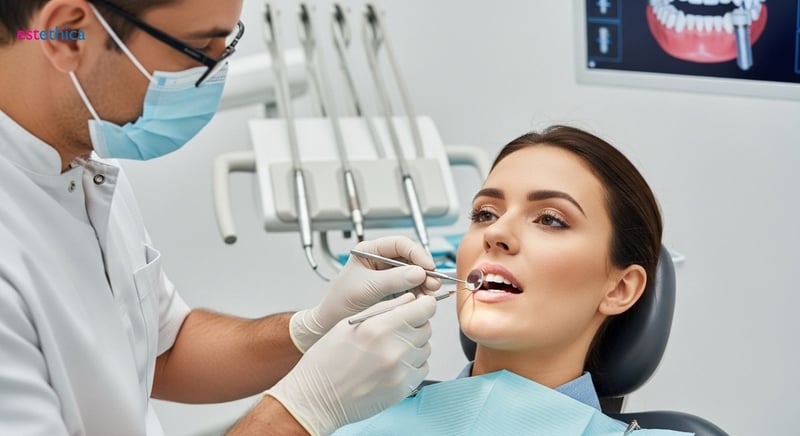
Who is the Ideal Candidate for Tooth Implants?
Assessing Candidacy for Dental Implants: A Comprehensive Overview
Determining who is a good candidate for Dental Implants involves a thorough assessment of several factors. While many individuals can benefit from Implant Dentistry, ideal candidates typically possess healthy gums, sufficient bone density in the jaw, and a commitment to maintaining excellent oral hygiene. The evaluation process considers not only oral health but also overall health and lifestyle choices to ensure the best possible outcome. This ensures that the investment in Tooth Implants is a sound one, leading to long-term satisfaction and improved quality of life.
- Healthy Gums: The absence of gum disease is crucial, as it provides a stable foundation for the implant and reduces the risk of infection.
- Adequate Bone Density: Sufficient bone volume in the jaw is necessary to support the implant and ensure successful osseointegration.
- Overall Health: Certain medical conditions, such as uncontrolled diabetes or autoimmune diseases, can affect the healing process and implant success.
Navigating the Candidacy Process: Factors Influencing Suitability
The suitability for dental implants is influenced by a range of factors, including age, health conditions, and lifestyle habits. While age is not a definitive barrier, younger patients may need to wait until their jawbone has fully developed. Health conditions such as diabetes require careful management to ensure successful healing. Lifestyle choices, such as smoking, can significantly impact the success rate of Dental Implants. A comprehensive evaluation by a qualified dentist is essential to determine individual candidacy and address any potential concerns related to full arch Dental Implants.
- Pre-Implant Assessment: A detailed examination, including X-rays and 3D imaging, is conducted to evaluate bone density and identify any anatomical challenges.
- Health Considerations: Medical history and current health status are reviewed to assess any potential risks or complications associated with the procedure.
- Lifestyle Factors: Habits such as smoking and alcohol consumption are discussed, as they can impact healing and long-term implant success.

Beyond Dentures: Exploring Implant Supported Alternatives
The Superior Stability of Implant-Supported Dentures
While traditional dentures rest on the gums, implant-supported dentures gain stability from being anchored to dental implants. This connection offers a more secure fit, preventing slippage and improving overall comfort. Individuals often find that implant-supported dentures enhance their ability to speak and eat with confidence. This innovative approach merges the benefits of implants with the aesthetics of dentures, providing a reliable solution for those seeking an alternative to conventional methods. Many patients report a significant increase in their quality of life due to the enhanced functionality and comfort.
- Enhanced Chewing Efficiency: Patients can enjoy a wider variety of foods without the fear of slippage or discomfort, making meal times more pleasurable.
- Improved Speech Clarity: The secure fit of implant-supported dentures eliminates the worry of dentures moving while speaking, leading to clearer and more confident communication.
- Increased Comfort: Unlike traditional dentures that can cause sore spots and irritation, implant-supported dentures are designed to minimize discomfort and promote long-term oral health.
Advantages of Implant-Supported Dentures Over Traditional Options
Choosing implant-supported dentures offers several key advantages over traditional dentures. Implant-supported dentures help preserve bone density in the jaw, preventing the bone loss that often occurs with traditional dentures. This preservation of bone structure can also contribute to a more youthful facial appearance over time. The stability and comfort of implant-supported dentures can lead to greater overall satisfaction and improved oral health. Studies show that patients with implant-supported dentures experience a higher quality of life compared to those with traditional dentures.
- Bone Preservation: Dental implants stimulate the jawbone, preventing bone loss and maintaining facial structure, which is essential for long-term oral health.
- Enhanced Stability: Implant-supported dentures provide a secure fit, eliminating the need for adhesives and reducing the risk of slippage during daily activities.
- Long-Term Cost-Effectiveness: While the initial investment may be higher, implant-supported dentures can be more cost-effective in the long run due to their durability and reduced need for adjustments or replacements.
The Cost of Dental Implants: Investment in Your Health
Understanding the Factors Influencing Dental Implant Costs
Investing in dental implants involves understanding various cost factors. The complexity of the procedure, materials used, and the dentist's expertise all play a role in determining the final cost. While the initial investment may seem significant, it's essential to consider the long-term benefits and potential savings compared to alternative treatments like dentures or bridges. Dental Implants near me offer a permanent solution that can improve oral health and overall quality of life.
- Complexity of the Case: The number of implants needed and whether additional procedures like bone grafting are required can influence the cost.
- Materials Used: The type of implant (titanium or zirconia) and the materials for the crown can affect the overall expense.
- Dentist's Expertise: The experience and qualifications of the implant dentist can also impact the cost, reflecting the quality and precision of the treatment.
Long-Term Financial Benefits of Choosing Dental Implants
Choosing dental implants can lead to long-term financial benefits by avoiding recurring costs associated with other tooth replacement options. Unlike dentures, which may require frequent adjustments or replacements, dental implants are designed to last a lifetime with proper care. By preventing bone loss and maintaining oral health, dental implants can also reduce the need for future dental treatments. This makes them a cost-effective solution in the long run. Consider the lasting value when comparing the Cost of Dental Implants to other alternatives.
- Reduced Need for Replacements: Dental implants are a permanent solution, eliminating the need for frequent replacements required by dentures or bridges.
- Prevention of Bone Loss: Implants stimulate the jawbone, preventing bone loss and preserving facial structure, which can reduce the need for costly corrective procedures in the future.
- Improved Oral Health: By maintaining proper alignment and preventing shifting of adjacent teeth, dental implants contribute to better overall oral health, potentially reducing the risk of gum disease and cavities.
Future of Dental Implants: Innovations on the Horizon
Transformative Technologies in Implant Dentistry
The realm of dental implants is on the cusp of a technological revolution. Innovations such as 3D printing are set to customize implants with unparalleled precision, ensuring a perfect fit for each patient. Advanced biomaterials promise enhanced osseointegration, reducing healing times and improving long-term stability. These advancements aim to make implant procedures more efficient, predictable, and patient-friendly, paving the way for a future where tooth loss solutions are more accessible and effective. This continuous evolution is driven by the desire to improve patient outcomes and streamline the dental implant process.
- Custom 3D-Printed Implants: Tailored to individual patient anatomy, these implants offer improved fit and faster osseointegration, enhancing overall success rates for full implant procedures.
- Smart Implants with Sensors: Equipped with micro-sensors, these implants monitor bone density and healing progress in real-time, allowing for proactive adjustments and personalized care.
- Robotic-Assisted Surgery: Robotic systems enhance the precision of implant placement, minimizing invasiveness and improving aesthetic outcomes, especially beneficial for complex cases.
The Role of Artificial Intelligence in Future Implant Procedures
Artificial intelligence (AI) is poised to play a significant role in the future of dental implants. AI-powered diagnostic tools can analyze patient data to predict the optimal implant placement and restoration design. This technology enhances the accuracy and efficiency of treatment planning, ensuring better outcomes and patient satisfaction. Furthermore, AI can assist in monitoring post-operative healing, detecting potential complications early on, and enabling timely interventions. This integration of AI into Implant Dentistry promises a new era of personalized and predictive dental care, making procedures safer and more effective, offering solutions such as all on 4 dental implants.
- AI-Driven Diagnostics: AI algorithms analyze patient scans to identify ideal implant sites and predict potential challenges, ensuring precise and safe placement.
- Personalized Treatment Planning: AI tailors treatment plans based on individual patient needs, optimizing implant size, shape, and position for enhanced aesthetics and functionality.
- Predictive Maintenance: AI monitors implant health and predicts potential issues, enabling proactive interventions and extending the lifespan of dental implants.
Digital Implant Dentistry: Precision Planning with 3D Imaging and CAD/CAM Technology
Comprehensive Dental Implant Process: From Evaluation to Restoration for Long-Term Oral Health
Frequently Asked Questions
What are Dental Implants and how do they differ from dentures?
What is the process for getting Dental Implants?
What factors influence the Cost of Dental Implants?
How do Implant Supported Dentures compare to traditional dentures?
What are some future innovations in Implant Dentistry?
Ready to enhance your beauty and well-being with estethica's internationally recognized services?
📞 Call for Your Free Consultation!