

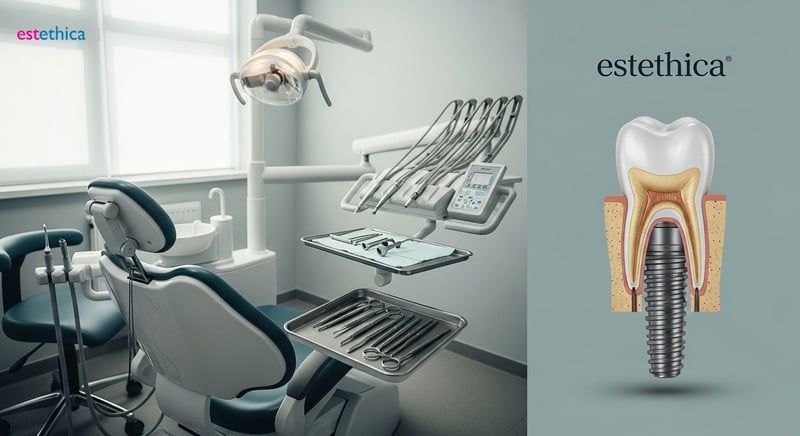
Unlock your perfect smile with the latest in implant dentistry. Discover how dental implants can transform your confidence and oral health.
Discover the transformative power of dental implants and how they can restore not only your smile but also your confidence. From single tooth replacements to full-mouth procedures, implant dentistry offers a versatile solution for those seeking a lasting, natural-looking smile.
Teeth Implants: The Foundation of a Confident You
The Enduring Strength of Teeth Implants
Teeth Implants offer a stable and lasting solution for those seeking to restore their smile. Unlike traditional dentures, dental implants fuse with the jawbone, providing a secure base for replacement teeth. This integration not only enhances the functionality of the teeth but also contributes to the overall health of the jaw, preventing bone loss and maintaining facial structure. With proper care, dental implants can last a lifetime, making them a worthwhile investment in your oral health.
The process begins with a thorough evaluation to determine the suitability of the patient for dental implants, including bone density assessment. According to the American Academy of Implant Dentistry, the success rate of dental implants is over 95%, highlighting their reliability. Individuals with sufficient bone density are ideal candidates, ensuring secure and successful implant placement. The use of biocompatible materials, such as titanium, minimizes the risk of rejection and promotes osseointegration, the process where the implant fuses with the bone.
For more information about achieving a confident smile, you might find useful insights at Dental Implants: The Secret to a Confident, Ageless Smile.
Benefits of Choosing Teeth Implants
- Enhanced Aesthetics: Teeth Implants provide a natural-looking solution, blending seamlessly with your existing teeth and enhancing your smile's appearance.
- Improved Functionality: Unlike dentures, implants offer improved chewing efficiency and speech clarity, restoring your ability to enjoy your favorite foods and communicate confidently.
- Long-Term Durability: With proper oral hygiene and regular dental check-ups, teeth implants can last a lifetime, providing a stable and permanent solution for missing teeth.
Moreover, teeth implants can play a crucial role in preventing adjacent teeth from shifting into the space left by missing teeth. This can help maintain proper alignment and bite, reducing the risk of future dental problems. Regular visits to your dentist for check-ups and cleanings are essential to maintaining the health and longevity of your teeth implants. In fact, consistent oral hygiene practices can significantly extend the lifespan of your dental implants.
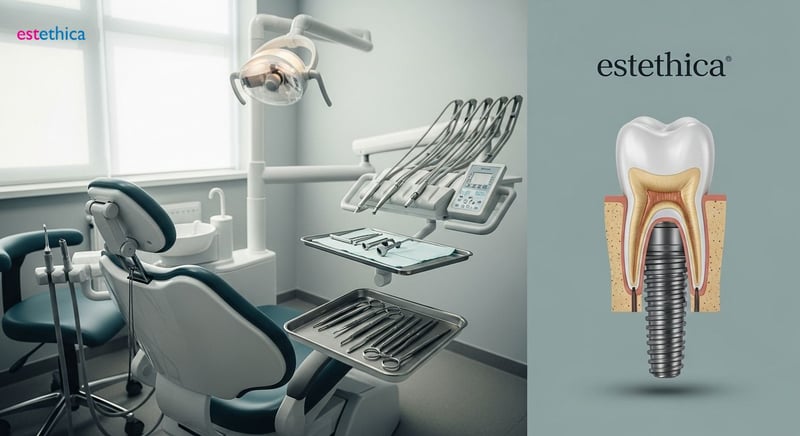
Dental Crowns & Implants: Achieving Seamless Cosmetic Dentistry
Achieving Aesthetic Harmony with Dental Crowns
Seamless cosmetic dentistry is realized through the meticulous application of dental crowns atop implants. This approach not only restores the functional capabilities of teeth, enabling efficient chewing and clear speech, but also significantly enhances their aesthetic appeal. The final result is often indistinguishable from natural teeth, providing patients with a confident and natural-looking smile. Advanced materials and techniques now allow dental professionals to precisely match the color, shape, and size of the crown to the surrounding teeth, ensuring a harmonious blend.
The integration of dental crowns with implants involves a detailed assessment and planning phase to ensure optimal fit and function. Initially, the dental implant provides a stable foundation, mimicking the root of a natural tooth. Once the implant has successfully integrated with the jawbone, a custom-made crown is attached to the implant via an abutment. This process requires a high level of precision to ensure proper alignment and bite, preventing any discomfort or potential issues. The result is a durable and aesthetically pleasing restoration that enhances both oral health and overall well-being. For instance, individuals who have suffered tooth loss due to decay, injury, or other factors can regain a complete and natural-looking smile through this procedure.
The Precision Process of Securing Dental Crowns on Implants:
- Initial Assessment and Planning: A comprehensive evaluation is conducted to assess the patient's oral health and determine the optimal placement and design of the dental implant and crown.
- Implant Placement and Osseointegration: The dental implant is surgically placed into the jawbone, followed by a period of osseointegration, where the implant fuses with the bone.
- Abutment and Crown Placement: Once osseointegration is complete, an abutment is attached to the implant, and the custom-made dental crown is securely fitted onto the abutment, ensuring proper alignment and bite.
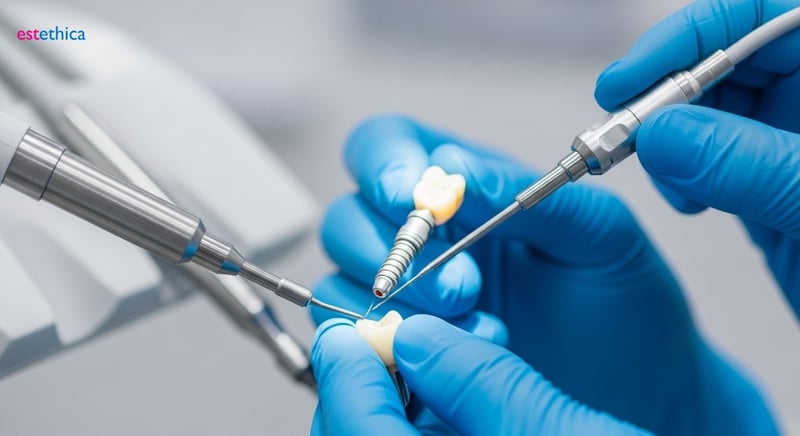
Bone Grafting: Is It Necessary for Your Dental Implants?
Understanding the Role of Bone Grafting
Bone grafting is a surgical procedure aimed at restoring or increasing bone volume in areas where it has been lost. This is often necessary to ensure adequate support for dental implants. The procedure involves transplanting bone tissue from one area of the body to another, or using a bone substitute material. The transplanted bone then fuses with the existing bone through a process called osseointegration. This creates a solid foundation for the placement of dental implants, which require sufficient bone density to ensure stability and long-term success.
For patients considering dental implants, a thorough evaluation of bone density is essential to determine if a bone graft is needed. This evaluation typically involves X-rays or CT scans to assess the quality and quantity of bone in the jaw. In cases where bone loss is significant, bone grafting becomes a critical step in ensuring the long-term success of the implant. A study in the "Journal of Oral and Maxillofacial Surgery" indicates that patients receiving bone grafts prior to implant placement experience a 90% success rate over a 10-year period, highlighting the procedure's effectiveness in enhancing implant stability. The necessity for bone grafting often arises from conditions such as periodontal disease, trauma, or prolonged tooth loss, all of which can lead to bone resorption. The goal of bone grafting, in these cases, is to rebuild the lost bone and create a strong, healthy foundation for the teeth implants.
Situations Necessitating Bone Grafting for Implants
- Insufficient Bone Volume: Bone grafting addresses cases where there isn't enough bone to support a dental implant, enhancing implant stability. For example, after tooth extraction, the bone can shrink over time, requiring a graft.
- Periodontal Disease: Bone grafting helps rebuild bone lost due to gum disease, ensuring a solid foundation for dental implants. For instance, advanced periodontitis can erode the bone, making grafting essential.
- Trauma or Injury: Bone grafting repairs bone damage from injuries, providing the necessary support for successful implant placement. An accident causing bone loss might necessitate a bone graft prior to implant insertion.
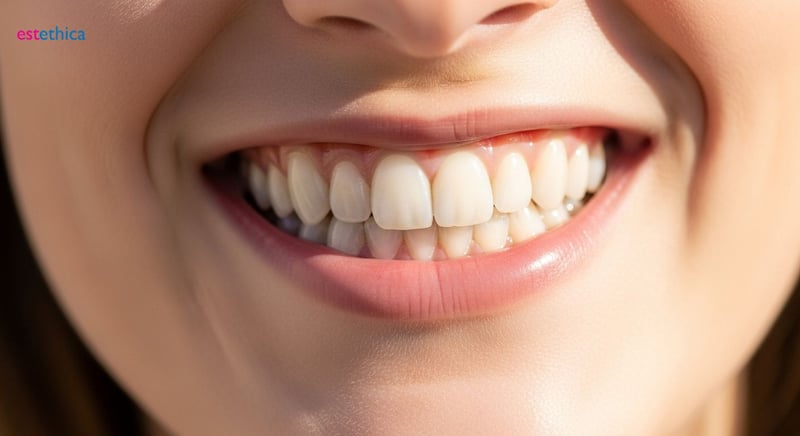
Full Mouth Dental Implants Procedure: A Comprehensive Guide
The Comprehensive Process of Full Mouth Dental Implants
The full-mouth dental implant procedure is designed to replace an entire set of teeth with durable, natural-looking prosthetics. Initially, a detailed consultation and examination are conducted to assess the patient's oral health, bone density, and overall suitability for the procedure. Advanced imaging techniques, such as CT scans, are utilized to create a precise treatment plan. The implants, typically made of biocompatible titanium, are strategically placed in the jawbone to provide maximum support for the prosthetic teeth. This approach ensures stability, functionality, and aesthetic appeal, significantly enhancing the patient's quality of life. According to the American Association of Oral and Maxillofacial Surgeons, full mouth dental implants have a success rate of over 90%, underscoring their reliability and effectiveness.
Following implant placement, a period of osseointegration is required to allow the implants to fuse with the jawbone. This process usually takes several months, during which temporary prosthetics may be used to maintain aesthetics and function. Once osseointegration is complete, custom-made prosthetic teeth are attached to the implants, completing the transformation. The result is a fully restored smile that looks, feels, and functions like natural teeth. For example, individuals who have lost all their teeth due to decay, injury, or other health issues can benefit greatly from this procedure, regaining the ability to eat, speak, and smile with confidence. In fact, many patients report a significant improvement in their self-esteem and overall well-being after receiving full mouth dental implants. Notably, meticulous planning and execution are vital to ensure optimal outcomes and patient satisfaction.
Key Steps in Full Mouth Dental Implant Treatment
- Comprehensive Evaluation: Thorough assessment of oral health and bone structure using advanced imaging to determine suitability for implants. For example, estethica Global uses 3D scanning to map the jaw.
- Strategic Implant Placement: Precise positioning of implants to maximize support and stability for the full arch of prosthetic teeth.
- Custom Prosthetic Fabrication: Creation of natural-looking and functional prosthetic teeth tailored to the patient's unique needs and preferences.
Preparing for Full Mouth Dental Implants
- Initial Consultation: Meet with your dental team such as professionals at estethica Global, to evaluate your oral health and discuss your goals.
- Diagnostic Imaging: Undergo X-rays and CT scans to assess bone density and plan implant placement, for example, a panoramic X-ray provides a broad view.
- Treatment Planning: Develop a customized treatment plan outlining the steps involved, timeline, and expected outcomes.
Understanding Dental Implants: A Comprehensive Guide
3D Scanning & Custom Prosthetics for Full-Arch Dental Restorations
Meticulous Planning and Execution for Predictable Implant Success
Frequently Asked Questions
What are the primary benefits of choosing teeth implants over other tooth replacement options?
When is bone grafting necessary before getting dental implants?
What does the full mouth dental implants procedure entail?
How do dental crowns enhance the outcome of dental implants?
What is involved in preparing for a full mouth dental implant procedure?
Achieve your aesthetic goals with estethica's expert advice and personalized treatment plans.
📞 Get Your Free Consultation!