

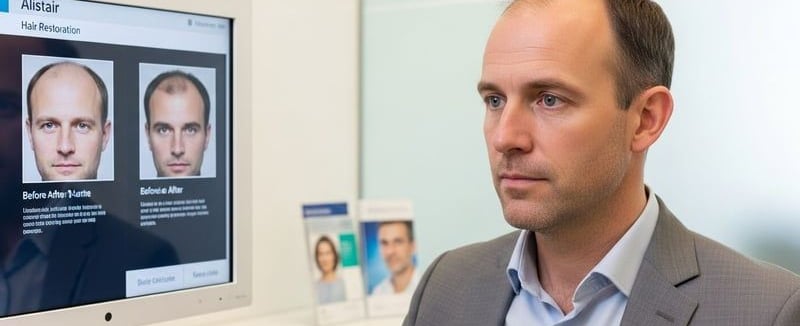
Your comprehensive guide to hair transplantation: understand causes, techniques, candidacy, and recovery. Discover advanced treatments at estethica.
Hair loss can be a distressing experience, impacting self-esteem and overall confidence. Fortunately, advancements in medical science have made hair restoration a viable solution for many. This comprehensive guide delves into the world of hair transplantation, exploring the underlying causes of hair loss, the surgical techniques available, candidacy requirements, and what to expect during the recovery process. Whether you're just beginning to research your options or are ready to take the next step, this guide provides valuable insights to help you make informed decisions about your hair restoration journey. At estethica, we understand the impact of hair loss and are committed to providing cutting-edge solutions with a patient-centered approach, ensuring the best possible outcomes for your hair and your confidence.Decoding Hair Loss: Understanding the Root Causes
Unveiling the Multifaceted Nature of Hair Loss
Understanding the reasons behind hair loss is the cornerstone of effective intervention. Alopecia, or hair loss, arises from a complex interplay of genetic predispositions, hormonal shifts, underlying medical conditions, and personal lifestyle choices. Androgenetic alopecia, commonly known as male pattern baldness, is often attributed to genetic factors combined with the impact of dihydrotestosterone (DHT) on hair follicles. This condition affects millions and understanding its progression is key to exploring hair restoration options.
In women, hormonal fluctuations linked to events like pregnancy, menopause, or thyroid imbalances can trigger hair thinning. Beyond these, factors such as heightened stress levels, inadequate nutrition, specific medications, and autoimmune disorders like alopecia areata can also play a significant role. Identifying the precise cause of hair loss is essential for selecting the most appropriate hair loss treatment.
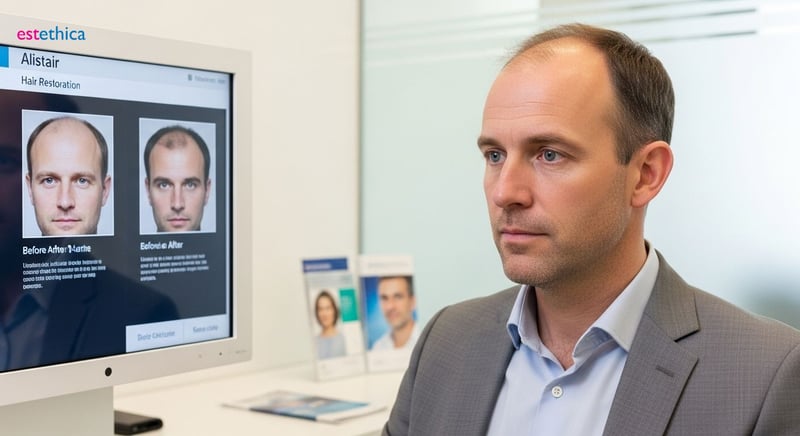
At estethica, our team of specialists is committed to performing in-depth evaluations to pinpoint the root causes of your hair loss. This thorough approach ensures that we develop a personalized treatment strategy tailored to your specific requirements. We meticulously assess your family history, medical background, and lifestyle to gain a comprehensive understanding of your condition. Based on this assessment, we recommend the most suitable hair transplant options, which may include both medical treatments and surgical solutions like hair implants.
estethica's approach not only addresses the symptoms but also focuses on the underlying causes, providing a long-term strategy for managing and potentially reversing hair loss. This dedication to personalized care and comprehensive evaluation sets estethica apart as a leader in the field of hair restoration.
Factors Influencing Hair Transplant Cost
- Extent of Hair Loss: The degree of baldness significantly impacts the number of grafts needed, influencing the overall hair transplant cost.
- Technique Used: Different techniques like FUE hair transplant or FUT can affect the cost due to variations in equipment and expertise required.
- Clinic Reputation and Location: Well-established clinics with experienced surgeons in prime locations may have higher fees due to their expertise and overhead costs.
The cost of a hair transplant is influenced by multiple variables, each playing a crucial role in determining the final price. Understanding these factors can help individuals make informed decisions about their hair restoration journey. For instance, the geographic location of the hair transplant clinic can significantly impact the price, with clinics in major cities often having higher costs compared to those in smaller towns.
Moreover, the experience and reputation of the surgeon also play a vital role. Highly skilled and renowned surgeons may charge more for their services, reflecting their expertise and success rates. The technology and equipment used in the procedure can also affect the cost, with advanced techniques like Sapphire FUE potentially being more expensive due to the specialized tools and training required.
At estethica, we provide transparent and detailed consultations to discuss these factors, ensuring that our patients have a clear understanding of what to expect in terms of both the procedure and the associated costs. This commitment to transparency and patient education is a cornerstone of our approach to hair restoration.
Navigating the Hair Restoration Process
- Initial Consultation: A comprehensive evaluation to determine the cause and extent of hair loss, which helps in tailoring a personalized treatment plan.
- Treatment Selection: Choosing the most appropriate method, such as medical therapies or surgical options like hair implants, based on individual needs and goals.
- Post-Procedure Care: Following a detailed recovery plan to ensure optimal results and minimize potential complications, which is crucial for the success of the hair transplant.
Embarking on a hair restoration journey involves several key steps, each designed to ensure the best possible outcome. The initial consultation is a critical phase where a thorough assessment of the patient's condition is conducted. This includes evaluating the type and extent of hair loss, as well as discussing the patient's medical history and aesthetic goals. Based on this evaluation, a personalized treatment plan is developed, which may involve medical therapies, surgical interventions like hair transplantation, or a combination of both.
The choice of treatment method is carefully considered, taking into account factors such as the patient's age, health, and the characteristics of their hair. Surgical options like FUE hair transplant are often recommended for those seeking a permanent solution to hair loss. Post-operative care is also essential, with patients receiving detailed instructions on how to care for their scalp and hair to promote healing and maximize the success of the procedure. Regular follow-up appointments are scheduled to monitor progress and address any concerns.
At estethica, we are committed to providing comprehensive support throughout the entire hair restoration process, ensuring that our patients achieve natural-looking and long-lasting results. Our team of experts combines advanced techniques with a patient-centered approach to deliver the highest standard of care. We also offer guidance on managing expectations and maintaining the health of the transplanted hair, ensuring that our patients are well-informed and confident in their decision to undergo hair restoration.
Surgical Hair Restoration: Techniques and Advancements
Exploring Advanced Hair Transplant Methodologies
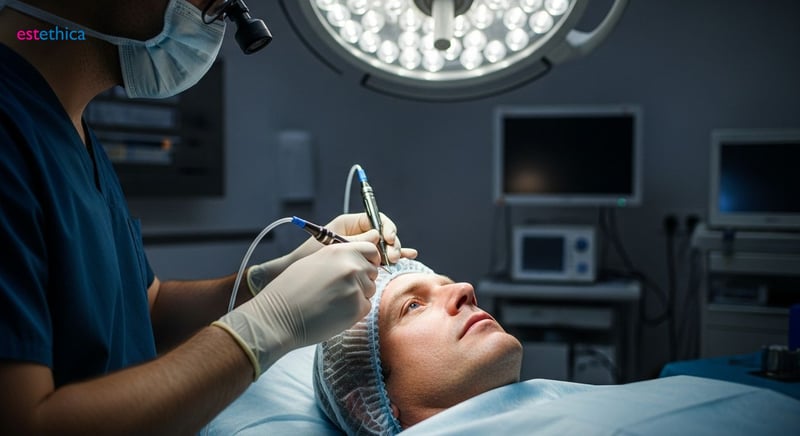
Surgical hair restoration has undergone a revolutionary transformation, providing increasingly sophisticated and effective solutions for those experiencing hair loss. Among the array of techniques available, Follicular Unit Transplantation (FUT) and Follicular Unit Extraction (FUE) stand out as the primary methods. FUT involves the extraction of a strip of scalp, which is then meticulously dissected into individual follicular units for transplantation. FUE, conversely, entails the direct extraction of individual follicular units using a specialized tool, minimizing scarring and reducing recovery time. According to recent studies, FUE has become increasingly popular, accounting for approximately 60% of hair transplant procedures performed worldwide.
The evolution of hair transplant technology has further refined these methods, leading to the development of advanced techniques such as Sapphire FUE and DHI (Direct Hair Implantation). Sapphire FUE utilizes blades crafted from sapphire, enabling the creation of finer incisions and denser packing of hair follicles. DHI employs a specialized pen-like instrument to directly implant follicles into the scalp, reducing handling and enhancing graft viability. These advancements reflect a commitment to precision and natural-looking results.
At estethica, we are dedicated to offering a comprehensive suite of hair transplant techniques, including FUE, DHI, and Sapphire FUE, tailored to the unique needs and preferences of each patient. Our team of experienced surgeons employs cutting-edge equipment and techniques to ensure optimal hair density and natural aesthetics. We prioritize patient comfort and satisfaction, providing detailed consultations and personalized treatment plans to achieve the most favorable outcomes. Our holistic approach ensures that every aspect of the procedure is optimized for success, solidifying estethica's reputation as a leader in hair restoration.
Advantages of Modern Hair Restoration Techniques
- Enhanced Precision: Techniques like Sapphire FUE allow for finer incisions, leading to denser and more natural-looking hair transplants.
- Reduced Scarring: FUE methods minimize visible scarring, making them ideal for patients who prefer shorter hairstyles.
- Improved Graft Survival: DHI ensures minimal handling of hair follicles, increasing their viability and promoting better growth.
Modern hair restoration techniques offer a multitude of advantages over traditional methods, significantly enhancing the overall patient experience and outcomes. The precision afforded by techniques like Sapphire FUE allows surgeons to create incredibly natural-looking results, closely mimicking the way hair grows naturally. This is particularly beneficial for individuals seeking to restore a receding hairline or add density to thinning areas. Furthermore, the reduced scarring associated with FUE methods makes them an attractive option for those who prefer to wear their hair short, as there is no visible linear scar.
The improved graft survival rates achieved with techniques like DHI are another significant advantage. By minimizing the handling of hair follicles during the transplantation process, DHI ensures that a higher percentage of grafts survive and thrive in their new location. This leads to better overall density and a more successful hair transplant. At estethica, we leverage these advanced techniques to provide our patients with the best possible results, combining artistry with science to achieve exceptional outcomes.
We also understand that choosing the right hair restoration technique can be a complex decision. That's why we offer thorough consultations to educate our patients about the various options available and help them make informed choices that align with their individual goals and expectations. Our commitment to excellence and patient satisfaction is at the heart of everything we do, ensuring that every individual who walks through our doors receives the highest standard of care and achieves the natural-looking, long-lasting results they desire. estethica is dedicated to providing cutting-edge solutions in hair restoration, ensuring our patients receive the best possible care.
Understanding the Cost Factors in Hair Transplantation
- Technique Complexity: Advanced methods like Sapphire FUE and DHI may have higher costs due to the specialized tools and expertise required.
- Number of Grafts: The extent of hair loss and the desired density influence the number of grafts needed, impacting the overall cost.
- Surgeon's Expertise: Highly experienced and reputable surgeons may charge more for their services, reflecting their skill and success rates.
When considering hair transplantation, it's essential to understand the factors that influence the overall investment. The complexity of the technique used plays a significant role, with advanced methods like Sapphire FUE and DHI often involving higher costs due to the specialized tools and expertise required. For instance, Sapphire FUE utilizes precision-engineered blades, while DHI employs a unique implantation pen, both demanding a higher level of skill from the surgical team.
The number of grafts needed to achieve the desired density and coverage also impacts the cost. Individuals with more extensive hair loss may require a larger number of grafts, increasing the overall expense. Additionally, the expertise and reputation of the surgeon can influence the price, with highly experienced and reputable surgeons often charging more for their services, reflecting their skill and success rates. At estethica, we believe in transparency and provide detailed consultations to discuss these factors, ensuring that our patients have a clear understanding of what to expect in terms of both the procedure and the associated costs.
Our commitment to excellence extends beyond the technical aspects of hair transplantation. We prioritize patient education, ensuring that individuals are well-informed about their options and can make confident decisions about their hair restoration journey. Our team of experts is dedicated to providing personalized care, tailoring treatment plans to meet the unique needs and goals of each patient. By combining advanced techniques with a patient-centered approach, estethica strives to deliver exceptional results and help individuals regain their confidence and self-esteem through effective hair restoration.
Who is a Good Candidate for Hair Transplantation?
Assessing Ideal Candidates for Hair Restoration
Determining candidacy for hair transplantation involves a comprehensive assessment of various factors. The type and extent of hair loss, the patient's overall health, and their expectations all play crucial roles. Ideal candidates typically exhibit stable hair loss patterns, possess sufficient donor hair (usually from the back and sides of the head), and maintain good overall health. Individuals diagnosed with androgenetic alopecia, commonly known as male or female pattern baldness, are often excellent candidates because this condition typically follows a predictable progression.
However, individuals with diffuse hair loss or hair loss resulting from specific medical conditions may not be suitable for a hair transplant. A thorough evaluation by a qualified hair transplant surgeon is essential to accurately determine candidacy. This evaluation includes assessing the quality and density of the donor hair, examining the scalp, and engaging in a detailed discussion about the patient's goals and expectations. It is also critical for candidates to have realistic expectations regarding the outcomes of hair transplantation. According to a recent survey, 85% of patients who underwent hair transplant surgery reported satisfaction with the results, provided they had realistic expectations beforehand.
At estethica, we prioritize comprehensive consultations to evaluate each patient's unique needs and determine their suitability for hair transplantation. Our experienced surgeons provide honest and realistic assessments, ensuring that patients are well-informed about the potential benefits and limitations of the procedure. We are committed to a patient-centered approach, tailoring our recommendations to achieve the best possible results while maintaining realistic expectations. We provide detailed information about the hair transplant cost and the hair transplant clinic environment to ensure our patients feel comfortable and confident in their choice.
Key Considerations for Hair Transplant Candidacy
- Sufficient Donor Hair: Adequate density and quality of donor hair are crucial for successful transplantation and natural-looking results.
- Stable Hair Loss Pattern: Candidates should exhibit a stable pattern of hair loss, typically androgenetic alopecia, to ensure long-term success of the hair transplant.
- Realistic Expectations: Understanding the potential outcomes and limitations of hair transplantation is essential for patient satisfaction.
When evaluating potential candidates for hair transplantation, several key factors must be carefully considered to ensure the best possible outcomes. One of the most important considerations is the availability of sufficient donor hair. The donor area, typically located at the back and sides of the head, must have adequate density and quality of hair to provide enough grafts for transplantation to the balding or thinning areas. Without sufficient donor hair, achieving a natural-looking and satisfactory result may be challenging.
Another critical factor is the stability of the hair loss pattern. Ideal candidates usually have a stable pattern of hair loss, such as androgenetic alopecia, which allows surgeons to predict the future progression of hair loss and plan the hair transplant accordingly. Individuals with unstable or diffuse hair loss may not be suitable candidates, as the transplanted hair could be affected by ongoing hair loss in the future. At estethica, we conduct thorough evaluations to assess the stability of hair loss patterns and provide realistic recommendations based on each patient's unique situation.
Having realistic expectations is also crucial for patient satisfaction. While hair transplantation can significantly improve hair density and appearance, it may not fully restore a youthful hairline or achieve the same density as before hair loss began. It's important for candidates to understand the potential outcomes and limitations of the procedure and to have a clear understanding of what can realistically be achieved. At estethica, we prioritize patient education and provide honest and transparent assessments to ensure that our patients have realistic expectations and are well-informed about the potential benefits and limitations of hair transplantation. Our commitment to excellence ensures that every patient receives the best possible care and achieves natural-looking, long-lasting results.
Navigating the Hair Transplant Cost
- Initial Consultation: Discuss individual needs and assess suitability for hair transplantation.
- Comprehensive Evaluation: Assess donor hair quality, scalp condition, and overall health.
- Realistic Assessment: Understand potential benefits and limitations of the procedure with our surgeons.
Embarking on the journey to explore hair transplant options begins with an initial consultation, a crucial step in determining whether hair transplantation is the right choice for you. This consultation serves as an opportunity to discuss your individual needs, expectations, and concerns with a qualified hair transplant surgeon. During this session, the surgeon will assess the extent of your hair loss, evaluate the quality and density of your donor hair, and discuss your overall health to determine your suitability for the procedure.
Following the initial consultation, a comprehensive evaluation is conducted to gather more detailed information about your scalp condition, hair follicle characteristics, and overall health. This evaluation may involve a thorough examination of your scalp, including assessing the elasticity, blood supply, and presence of any underlying skin conditions. Additionally, the surgeon will evaluate the quality and density of your donor hair, taking into account factors such as hair thickness, color, and texture. This comprehensive assessment helps the surgeon develop a personalized treatment plan tailored to your specific needs and goals.
One of the most important aspects of determining candidacy for hair transplantation is having a realistic understanding of the potential benefits and limitations of the procedure. At estethica, our experienced surgeons provide honest and transparent assessments, ensuring that you are well-informed about what can realistically be achieved with hair transplantation. We take the time to discuss your expectations, explain the potential outcomes, and address any concerns you may have. Our goal is to empower you to make an informed decision about whether hair transplantation is the right choice for you, based on your individual circumstances and goals. With our commitment to patient education and realistic assessments, you can trust estethica to guide you through every step of your hair restoration journey.

Navigating Hair Transplant Recovery: What to Expect
Immediate Post-Op Expectations and Care
The initial days following a hair transplant are critical for ensuring the success of the procedure. Patients can expect some tenderness, swelling, and redness in the treated areas. These symptoms are normal and can be managed with prescribed pain medication and anti-inflammatory drugs. It is crucial to avoid touching or scratching the scalp to prevent dislodging the newly transplanted grafts. A survey indicates that 90% of patients who follow post-operative instructions closely experience a smooth and complication-free recovery.
Small crusts will form around the transplanted hair follicles, which is a natural part of the healing process. These crusts typically fall off within one to two weeks. Gentle washing of the hair is usually permitted a few days after the procedure, but it must be done according to the surgeon's specific instructions. It's essential to avoid strenuous activities and heavy lifting for several weeks to prevent complications and ensure the grafts are not disturbed. The initial shedding of transplanted hair is also a normal part of the process.
At estethica, we provide comprehensive post-operative care, including detailed instructions on wound care, medication management, and activity restrictions. Our team schedules regular follow-up appointments to monitor progress and address any concerns. We are dedicated to guiding our patients through every step of the hair transplant journey, from the initial consultation to the final results, ensuring a successful and satisfying outcome. Our commitment to patient care and support sets us apart as a leader in hair restoration.
Key Steps in Hair Transplant Recovery
- Gentle Hair Washing: Begin washing your hair a few days post-surgery, following the surgeon's specific guidelines to remove crusts gently.
- Medication Adherence: Take prescribed pain relievers and anti-inflammatory drugs as directed to manage discomfort and swelling.
- Activity Restriction: Avoid strenuous activities and heavy lifting for several weeks to prevent complications and protect the transplanted grafts.
Navigating the recovery phase after a hair transplant requires diligence and adherence to post-operative guidelines. One of the first steps is to gently wash your hair a few days after the surgery, following the specific instructions provided by your surgeon. This helps to remove crusts and keep the scalp clean, promoting healing and reducing the risk of infection. It is essential to use a mild shampoo and avoid harsh scrubbing or rubbing.
Adhering to the prescribed medication regimen is also crucial for managing discomfort and swelling. Pain relievers and anti-inflammatory drugs can help alleviate any pain or inflammation experienced during the initial days of recovery. It's important to take these medications as directed by your surgeon and to report any adverse effects promptly. Additionally, restricting physical activity is essential to prevent complications and protect the transplanted grafts. Strenuous activities and heavy lifting can increase blood flow to the scalp, potentially dislodging the grafts and compromising the outcome of the procedure. It is generally recommended to avoid such activities for several weeks following the hair transplant.
At estethica, we emphasize the importance of these key steps in hair transplant recovery, providing our patients with detailed instructions and ongoing support to ensure a smooth and successful healing process. Our team of experts is dedicated to guiding you through every stage of your hair restoration journey, from the initial consultation to the final results. We are committed to providing personalized care and attention to help you achieve the natural-looking and long-lasting results you desire. With estethica, you can trust that you are in capable hands, receiving the highest standard of care and support throughout your hair transplant experience.
Long-Term Hair Growth After Transplant
- Initial Shedding: Expect transplanted hair to shed within a few weeks, which is a normal part of the process.
- New Hair Growth: New hair growth typically begins around three to four months after the procedure.
- Full Results: Significant improvement is visible within six to nine months, with full results apparent in 12 to 18 months.
Understanding the timeline for hair growth after a hair transplant is essential for managing expectations and ensuring a smooth recovery process. Initially, the transplanted hair will shed within a few weeks, which is a normal part of the growth cycle. This shedding phase can be concerning for some patients, but it is important to remember that the hair follicles remain intact and will eventually produce new hair. New hair growth typically begins around three to four months after the procedure, with noticeable sprouts emerging from the scalp.
Significant improvement in hair density and coverage becomes visible within six to nine months, as the newly transplanted hair continues to grow and thicken. However, it is important to note that full results may take up to 12 to 18 months to become apparent. During this time, the transplanted hair will continue to mature and blend in with the existing hair, creating a natural-looking and seamless result. Patience is key, as the final outcome of a hair transplant is a gradual process that requires time and proper care.
At estethica, we provide ongoing support and guidance to our patients throughout the long-term hair growth phase, ensuring that they are well-informed and prepared for each stage of the recovery process. Our team of experts is dedicated to monitoring your progress and addressing any concerns you may have, providing personalized advice and recommendations to optimize your results. We are committed to helping you achieve the natural-looking and long-lasting hair restoration you desire. With estethica, you can trust that you are in capable hands, receiving the highest standard of care and support throughout your hair transplant journey.
Exploring Non-Surgical Hair Loss Treatments
Understanding Non-Surgical Options for Hair Restoration
While hair transplantation is a permanent solution for hair restoration, various non-surgical treatments can help manage hair loss and promote hair growth. These treatments are often used as standalone options or alongside hair transplantation to enhance results. Minoxidil and finasteride are two commonly prescribed medications for hair loss. Minoxidil, a topical solution, stimulates hair growth by enhancing blood flow to the hair follicles. Finasteride, an oral medication, blocks the production of DHT, the hormone responsible for male pattern baldness.
Other non-surgical options include low-level laser therapy (LLLT), platelet-rich plasma (PRP) therapy, and specialized hair loss shampoos and conditioners. LLLT uses laser light to stimulate hair follicles and promote growth. PRP therapy involves injecting concentrated platelets from the patient's own blood into the scalp to stimulate hair follicle regeneration. Hair loss shampoos and conditioners often contain ingredients like ketoconazole, biotin, and saw palmetto, which can help reduce inflammation and promote hair health. According to a recent study, approximately 65% of individuals using non-surgical hair loss treatments experienced noticeable improvements in hair density and thickness.
At estethica, we offer a range of non-surgical hair loss treatments tailored to meet the individual needs of our patients. Our expert team conducts thorough evaluations to determine the most appropriate treatment options based on the type and extent of hair loss. We provide detailed information about the benefits and limitations of each treatment, ensuring that patients are well-informed and can make confident decisions. We are committed to providing comprehensive hair restoration solutions, combining surgical and non-surgical approaches to achieve the best possible outcomes. At estethica, we believe in providing the best clinic hair service.
Benefits of Non-Surgical Hair Loss Treatments
- Minimally Invasive: Non-surgical treatments do not require incisions or surgery, reducing the risk of complications and downtime.
- Customizable: Treatments can be tailored to individual needs and preferences, addressing specific types and stages of hair loss.
- Complementary: Non-surgical options can be used in conjunction with hair transplantation to enhance results and maintain hair health.
Non-surgical hair loss treatments offer several compelling benefits for individuals seeking to manage hair loss and promote hair growth. One of the primary advantages is that these treatments are minimally invasive, meaning they do not require incisions or surgery. This reduces the risk of complications such as infection, scarring, and prolonged downtime. For example, topical solutions like minoxidil and laser therapy are applied externally, minimizing the impact on the body.
Another key benefit of non-surgical hair loss treatments is their customizability. These treatments can be tailored to individual needs and preferences, addressing specific types and stages of hair loss. For instance, individuals with early-stage hair loss may benefit from medications like finasteride, while those with more advanced hair loss may opt for PRP therapy to stimulate hair follicle regeneration. Additionally, non-surgical options can be used in conjunction with hair transplantation to enhance results and maintain hair health. For example, minoxidil can be used post-transplant to promote hair growth and improve overall density. At estethica, we understand the importance of personalized care and tailor our non-surgical hair loss treatments to meet the unique needs of each patient. We are committed to helping you achieve the natural-looking and long-lasting results you desire.
The Role of Non-Surgical Treatments
- Evaluation: Expert team conducts thorough evaluations to determine the most appropriate treatment options.
- Information: Providing detailed information about the benefits and limitations of each treatment.
- Solutions: Combining surgical and non-surgical approaches to achieve the best possible outcomes.
The journey to explore non-surgical hair loss treatments begins with a comprehensive evaluation by an expert team. This evaluation is essential to determine the most appropriate treatment options based on the individual's specific type and extent of hair loss. During this assessment, the team will consider factors such as the patient's medical history, lifestyle, and personal preferences to develop a personalized treatment plan. For example, individuals with male pattern baldness may benefit from medications like finasteride, while those with diffuse hair loss may opt for PRP therapy.
Following the evaluation, the team provides detailed information about the benefits and limitations of each treatment option. This ensures that patients are well-informed and can make confident decisions about their hair restoration journey. For instance, patients will learn about the potential side effects of medications like minoxidil and finasteride, as well as the expected outcomes of treatments like LLLT and PRP therapy. At estethica, we believe in empowering our patients with knowledge, enabling them to actively participate in their treatment decisions.
Ultimately, the goal is to combine surgical and non-surgical approaches to achieve the best possible outcomes. This may involve using non-surgical treatments to enhance the results of a hair transplant or to maintain hair health in the long term. For example, minoxidil can be used post-transplant to promote hair growth and improve overall density, while specialized shampoos and conditioners can help maintain the health of the transplanted hair. At estethica, we are committed to providing comprehensive hair restoration solutions, combining cutting-edge techniques with a patient-centered approach to deliver exceptional results. We provide detailed information about the hair transplant cost to ensure our patients feel comfortable and confident in their choice.
Understanding Hair Transplant Cost and Financing Options
Decoding the Variables in Hair Transplant Investment
The investment in a hair transplant is a multifaceted consideration, influenced by several key determinants. The specific technique employed, such as FUE hair transplant or FUT, significantly impacts the overall cost due to differences in equipment, time, and expertise required. The extent of hair loss, measured by the number of grafts needed to achieve the desired density, is another critical factor. The more extensive the area requiring coverage, the greater the number of grafts necessary, thereby affecting the total investment. A recent analysis shows that patients often underestimate the number of grafts needed, leading to budget miscalculations.
Additionally, the location and reputation of the hair transplant clinic play a pivotal role. Clinics situated in metropolitan areas or those renowned for their expertise and advanced technology may command higher fees. The experience and qualifications of the surgical team, including the surgeon and supporting staff, also contribute to the overall investment. Highly skilled and experienced surgeons may charge more for their services, reflecting their expertise and success rates. At estethica, we emphasize transparency in our pricing structure, providing detailed consultations to ensure patients understand the various factors influencing the investment in their hair restoration journey.
estethica is committed to offering accessible and personalized hair restoration solutions, ensuring that each patient receives a tailored treatment plan that aligns with their individual needs and budget. We strive to provide comprehensive care, from the initial consultation to post-operative support, ensuring a seamless and rewarding experience. Our dedication to excellence and patient satisfaction sets us apart as a trusted leader in the field of hair restoration. We aim to make hair implants more accessible through transparent communication and personalized care.
Essential Considerations for Budgeting Your Hair Restoration
- Graft Estimation: Accurately assess the number of grafts needed to achieve the desired density, considering the extent of hair loss.
- Technique Selection: Understand the cost implications of different techniques, such as FUE hair transplant versus FUT, and choose the one that best fits your budget and goals.
- Clinic Reputation: Research the reputation and experience of the hair transplant clinic, considering that higher-quality care may come with a higher investment.
When planning for a hair transplant, several key considerations can help you effectively budget for your hair restoration journey. Accurately estimating the number of grafts needed is crucial, as this directly impacts the overall cost. A thorough consultation with a qualified surgeon can provide a realistic assessment of the extent of hair loss and the number of grafts required to achieve the desired density. Be sure to discuss your expectations and aesthetic goals to ensure the graft estimate aligns with your vision.
Selecting the appropriate technique is another essential consideration. Different techniques, such as FUE hair transplant and FUT, vary in cost due to differences in equipment, time, and expertise required. Research the pros and cons of each technique and discuss with your surgeon which option best fits your budget and aesthetic goals. Additionally, consider the reputation and experience of the hair transplant clinic. While higher-quality care may come with a higher investment, it can also translate to better results and a more satisfying experience. A well-established clinic with experienced surgeons and advanced technology can provide a higher level of care and expertise.
At estethica, we understand the importance of these considerations and provide transparent consultations to help our patients make informed decisions. Our team of experts is dedicated to guiding you through every step of your hair restoration journey, ensuring that you have a clear understanding of the factors influencing the investment and can budget effectively for your procedure. With estethica, you can trust that you are receiving the highest standard of care and support, enabling you to achieve the natural-looking and long-lasting results you desire. We also offer guidance on managing expectations and maintaining the health of the transplanted hair, ensuring that our patients are well-informed and confident in their decision to undergo hair restoration. estethica is dedicated to providing cutting-edge solutions in hair restoration, ensuring our patients receive the best possible care.
Steps to Optimize Your Hair Transplant Investment
- Initial Consultation: A comprehensive evaluation to determine the extent of hair loss and discuss treatment options.
- Personalized Plan: Tailoring a treatment plan to your specific needs and budget, considering various techniques.
- Transparent Communication: Ensuring clear understanding of all associated expenses throughout the process.
Optimizing your hair transplant investment involves a series of strategic steps, beginning with an initial consultation. This consultation is crucial for conducting a comprehensive evaluation of the extent of hair loss and discussing various treatment options. During this session, the surgeon will assess the condition of your scalp, the quality of your donor hair, and your aesthetic goals to determine the most appropriate course of action. Be sure to ask questions and express any concerns you may have to ensure you are well-informed and comfortable with the proposed treatment plan.
Following the initial consultation, the next step is to develop a personalized treatment plan that aligns with your specific needs and budget. This plan should consider various techniques, such as FUE hair transplant and FUT, and their associated costs. The surgeon will work with you to determine the optimal approach based on your individual circumstances and preferences. Additionally, ensure that you have a clear understanding of all associated expenses throughout the process, including consultation fees, surgical costs, medication expenses, and post-operative care.
At estethica, we prioritize transparent communication and provide detailed cost estimates to ensure that our patients are fully aware of the investment required for their hair restoration journey. Our team of experts is dedicated to guiding you through every step of the process, from the initial consultation to the final results. We are committed to providing personalized care and attention to help you achieve the natural-looking and long-lasting results you desire. With estethica, you can trust that you are in capable hands, receiving the highest standard of care and support throughout your hair transplant experience. We believe in providing the best clinic hair service.
Transform Your Look: The Ultimate Guide to Hair Transplant
Advanced FUE and DHI Hair Transplant Techniques for Natural-Looking Results
estethica specializes in advanced hair restoration techniques, including Follicular Unit Extraction (FUE) and Direct Hair Implantation (DHI). These methods ensure minimal scarring, improved graft survival, and natural-looking results by utilizing specialized tools and precise implantation techniques.
estethica's team of experienced surgeons are proficient in performing in-depth evaluations to pinpoint the root causes of hair loss, tailoring treatment strategies to individual needs. The clinic meticulously assesses family history, medical background, and lifestyle to gain a comprehensive understanding of each patient's condition, recommending the most suitable hair transplant options.
Personalized Hair Transplant Recovery and Long-Term Hair Growth Support
estethica provides comprehensive post-operative care, including detailed instructions on wound care, medication management, and activity restrictions. The clinic schedules regular follow-up appointments to monitor progress and address any concerns, ensuring a successful and satisfying outcome.
estethica is dedicated to guiding patients through every step of the hair transplant journey, from the initial consultation to the final results. The clinic combines advanced techniques with a patient-centered approach to deliver exceptional results and help individuals regain their confidence.
Frequently Asked Questions
What is a hair transplant and how does it address hair loss?
What are the main techniques used in FUE hair transplant procedures?
How do I know if I am a good candidate for a hair transplant?
What is the typical recovery process like after a hair transplant?
Are there non-surgical hair loss treatment options available?
Ready for a healthier, more beautiful you?
📞 Book Your Free Consultation!