


Hair restoration is within your reach. Discover advanced hair transplant techniques and reclaim your confidence today.
Hair loss can be a distressing experience for many individuals, affecting confidence and self-esteem. Thankfully, advancements in hair restoration techniques now offer promising solutions for those seeking to reclaim their luscious locks. In this article, we delve into the intricacies of hair loss, explore cutting-edge hair transplant methods like Follicular Unit Extraction, and provide insights into what to expect during the recovery phase. Moreover, we answer the pressing question on everyone’s mind - is a hair transplant permanent?
Understanding Hair Loss: Identifying the Root Causes
Decoding the Causes of Hair Thinning
Hair loss is a complex issue, often influenced by genetics, environment, and overall health. While many associate balding primarily with men, women frequently experience hair thinning that can be just as distressing. Identifying the precise cause is essential for effective treatment strategies and tailored hair restoration plans.
- Genetic Predisposition: Inherited genes play a significant role, particularly in male and female pattern baldness. Some individuals may be genetically more susceptible to hair follicle shrinkage and reduced hair growth, making them more likely to seek a hair transplant to address the effects.
- Hormonal Imbalances: Fluctuations in hormones, such as during pregnancy, menopause, or thyroid disorders, can disrupt the hair growth cycle. Estrogen decline in women, for instance, often leads to hair thinning.
- Nutritional Deficiencies: Lack of essential nutrients, including iron, zinc, and biotin, can weaken hair follicles and impede hair growth. A balanced diet or targeted supplementation can often improve hair health and reduce hair thinning.
Esthetica Global understands these nuances and can provide a precise assessment to determine the underlying causes of your hair loss, paving the way for effective intervention. Understanding the need for different hair loss treatment approaches allows us to tailor solutions that meet your specific needs.
Exploring Treatment Options Based on Hair Loss Causes
Once the root cause of hair loss is identified, various treatments become available. Methods range from medical interventions to surgical options like Follicular Unit Extraction (FUE). Hormonal imbalances might require hormone therapy, while nutritional deficiencies might necessitate dietary changes and supplements.
- Medical Treatments: Medications like minoxidil and finasteride can stimulate hair growth and prevent further hair loss. Minoxidil, available over-the-counter, can be a first line of defense.
- Surgical Options: For more advanced hair loss, a hair transplant, such as FUE sapphire, offers a permanent solution by transplanting hair follicles from donor areas to thinning or balding regions. This procedure is particularly effective for restoring a natural-looking hairline.
- Lifestyle Adjustments: Reducing stress, improving diet, and adopting gentle hair care practices can support hair health. High stress levels can exacerbate hair loss; stress-reduction techniques can be beneficial.
Esthetica Global offers cutting-edge hair transplant techniques, including FUE, ensuring high success rates and natural-looking results. Our expert team assesses each patient's unique condition to recommend the most suitable treatment, enhancing both appearance and confidence. We also provide comprehensive aftercare to ensure optimal results, and educate patients about maintaining long-term hair health.
Follicular Unit Extraction (FUE): The Gold Standard in Hair Transplant
The Procedure and Benefits of FUE
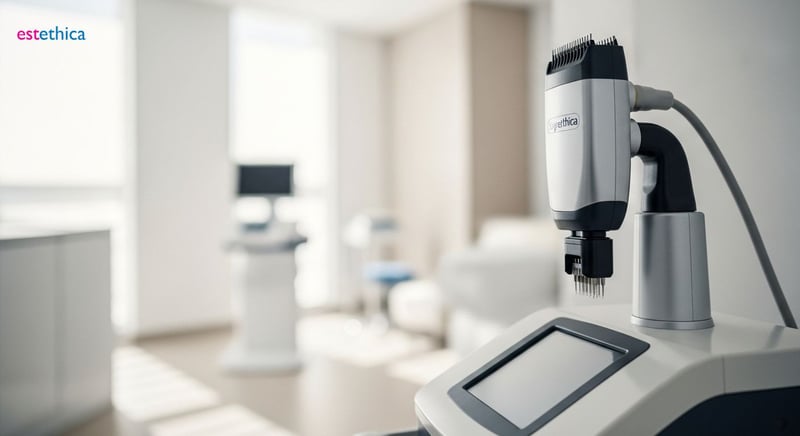
Follicular Unit Extraction (FUE) stands out as a leading method in hair transplant due to its minimally invasive nature and remarkable results. This technique involves extracting individual hair follicles using specialized micro-punching tools and then implanting them into balding areas. Unlike older methods that often resulted in noticeable scarring and longer recovery times, FUE offers a more discreet and efficient solution. As a result, it has become a favored choice for both men and women seeking effective hair loss treatment. The precision of the FUE technique ensures that each follicle is carefully harvested and placed, optimizing the overall density and natural look of the restored hairline.
- Minimally Invasive: FUE involves small, precise incisions, reducing trauma to the scalp. This translates to less pain and a quicker hair transplant recovery time compared to traditional strip methods.
- Natural Results: By transplanting individual follicles, FUE allows for a highly natural-looking hairline. The meticulous placement ensures the transplanted hair blends seamlessly with existing hair.
- No Linear Scarring: Because FUE does not require removing a strip of scalp, it eliminates the risk of a visible linear scar. This is particularly appealing to individuals who prefer to wear their hair short.
Factors Influencing FUE Hair Transplant and its suitability
Several factors can influence the success and suitability of a FUE hair transplant. The density and quality of the donor hair, the extent of hair loss, and the patient's overall health play critical roles. For example, individuals with dense donor hair are often ideal candidates, as they can provide a sufficient number of follicles for comprehensive coverage. The level of expertise of the surgical team is also important; experienced surgeons can strategically place follicles to maximize density and create a natural-looking hairline. At Esthetica Global, our skilled team takes these factors into account to ensure each patient receives personalized care and achieves the best possible results for their hair restoration journey.
- Donor Hair Quality: The thickness and density of hair in the donor area significantly impact the outcome, ensuring sufficient grafts are available. High-quality donor hair ensures better coverage and a more natural look.
- Extent of Hair Loss: The degree of balding and thinning influences the number of grafts needed, affecting the overall procedure plan. Extensive hair loss may require multiple sessions for optimal results.
- Overall Health: A patient's general health and any underlying conditions can affect the healing process and graft survival rate. Good health contributes to a smoother hair transplant experience and better long-term outcomes.
The Hair Transplant Recovery Time: What to Expect Post-Procedure
Navigating the Stages of Recovery after a Hair Transplant
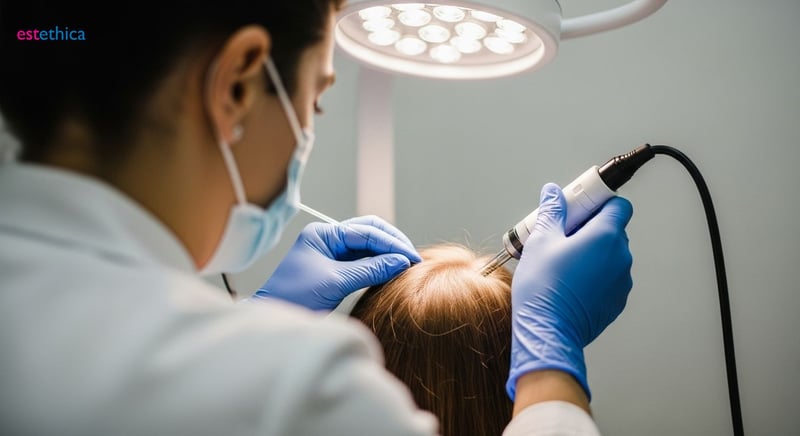
Undergoing a hair transplant is a significant step towards restoring your hair, and knowing what to expect during the recovery process is critical for ensuring optimal results. Immediately following the procedure, it’s normal to experience some minor discomfort and swelling. These initial symptoms typically begin to subside within the first week, and any scabbing that develops should gradually start to fall away naturally by the second week. While individual experiences can vary, most patients at Esthetica Global report seeing the first signs of new hair growth within about three months post-procedure. The full and final results of the hair transplant become evident within a year, revealing a fuller, more natural-looking head of hair. Proper aftercare, as advised by your Esthetica Global team, is critical during this period to support graft survival and promote healthy hair growth.
- Immediate Post-Op Phase: Expect some mild discomfort and swelling, manageable with prescribed medications and care. Following aftercare instructions closely is important for minimizing complications.
- Scabbing and Initial Healing: Scabs typically form and begin to fall off within the first two weeks, revealing newly implanted follicles. Avoid picking at scabs to prevent dislodging grafts and ensure proper healing.
- New Hair Growth: Noticeable growth usually begins around three months, with continued improvement over the following months. Patience is key as the new hair gradually thickens and matures.
Optimizing Recovery for the Best Hair Restoration Results
To optimize your hair transplant recovery time and enhance the overall results of your hair restoration, adhere closely to the aftercare guidelines provided by Esthetica Global. These guidelines encompass various elements, from gentle hair washing techniques to avoiding strenuous activities that could compromise the newly implanted follicles. Proper hydration and a balanced diet rich in vitamins and minerals also play a key role in promoting hair health. Protecting the scalp from excessive sun exposure is also vital, as sunburn can damage the follicles and hinder growth. Regular follow-up appointments with your Esthetica Global team will allow them to monitor your progress and provide any necessary adjustments to your aftercare plan. By diligently following these recommendations, you are investing in the long-term success and natural appearance of your hair transplant.
- Follow Aftercare Instructions: Adhere to all guidelines provided by your surgical team. This includes medication schedules, washing instructions, and activity restrictions to ensure proper healing and graft survival.
- Protect the Scalp: Shield your scalp from direct sun exposure. Use a hat or sunscreen to avoid sunburn, which can damage newly transplanted follicles and impede hair growth.
- Maintain a Healthy Lifestyle: Stay hydrated and consume a balanced diet rich in vitamins and minerals. Proper nutrition supports hair health, promoting the growth of strong and vibrant hair.
Is a Hair Transplant Permanent? Unveiling Long-Term Results
Understanding the Longevity of Hair Transplants
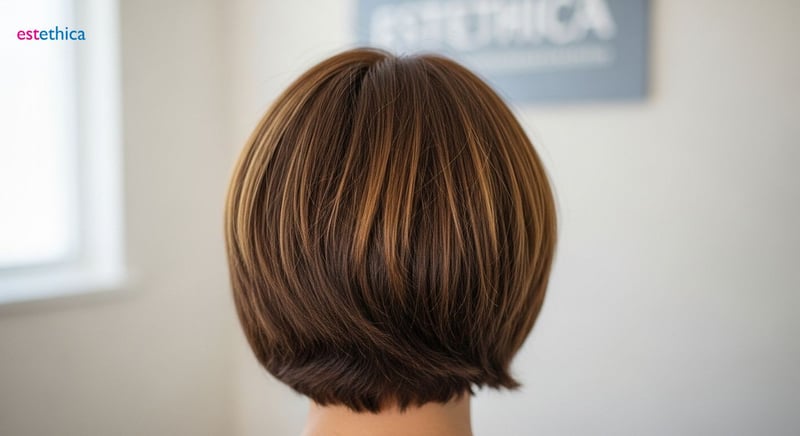
A key consideration for anyone contemplating a hair transplant is whether the results are permanent. In general, hair transplants are considered a lasting solution to hair loss. The transplanted follicles are typically harvested from areas of the scalp that are genetically resistant to the hormones that cause common forms of hair loss. While these follicles are still subject to the natural aging process, they typically do not fall out due to the factors that caused the original hair loss. This means that once the transplanted hair has fully grown in, it should remain for many years to come. Esthetica Global ensures the longevity of results by carefully selecting donor follicles and employing advanced transplantation techniques.
- Genetic Resistance: Transplanted follicles are taken from areas unaffected by hair loss hormones, ensuring they are long-lasting. These areas typically maintain consistent hair growth throughout the individual's life.
- Natural Aging: While permanent, transplanted hair can still thin slightly due to the natural aging process. This is a normal part of aging and affects all hair, not just transplanted hair.
- Long-Term Solution: A hair transplant offers a sustainable solution to hair loss, providing increased hair density and a more youthful appearance for the long term. The stability offered is a significant benefit for many individuals.
Maintaining the Results of Your Hair Transplant
While hair transplants are designed to be permanent, proper aftercare and maintenance can help ensure the best possible long-term results. Following the recommendations provided by Esthetica Global, such as using gentle hair care products and avoiding harsh treatments, can help keep your transplanted hair healthy. Additionally, maintaining a healthy lifestyle through proper nutrition and stress management can positively impact hair health. Regular check-ups with our team will allow us to monitor your hair and provide personalized advice to help ensure lasting satisfaction with your hair restoration.
- Gentle Hair Care: Use mild shampoos and conditioners to avoid damaging transplanted follicles. Harsh chemicals and styling products can weaken the hair.
- Healthy Lifestyle: Maintain a balanced diet with plenty of vitamins and minerals to promote hair health. A healthy body supports healthy hair growth.
- Regular Check-Ups: Schedule follow-up appointments with Esthetica Global to monitor hair health and address any concerns. Professional guidance ensures long-term satisfaction.
Transform Your Look: The Ultimate Guide to Hair Transplant
Pioneering FUE Sapphire and Multi DHI Hair Transplants for Natural-Looking Results
Ensuring Long-Term Hair Transplant Success Through Comprehensive Aftercare
Frequently Asked Questions
What are the primary causes of hair loss that might necessitate a hair transplant?
What is Follicular Unit Extraction (FUE) and why is it considered a gold standard for hair restoration?
What is the typical hair transplant recovery time and what can I expect post-procedure?
Is a hair transplant permanent, and what factors contribute to its longevity?
How can I optimize the results of my hair transplant and ensure long-term satisfaction?
Achieve your aesthetic dreams with estethica's expert consultation and personalized care.
📞 Book Your Free Consultation!