

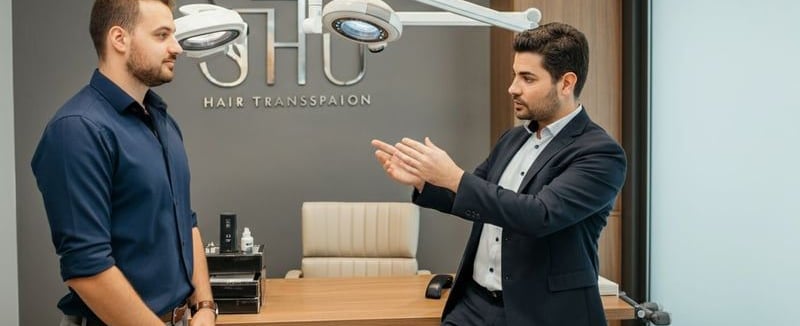
Explore the transformative power of hair restoration and regain your confidence. Discover effective treatments at estethica today.
Hair loss affects millions of individuals worldwide, causing emotional and psychological distress. As one of the most sought-after cosmetic procedures, hair transplantation offers a transformative solution. This guide will delve into the science behind hair loss, exploring the latest techniques and providing insights into what you can expect from treatment at estethica.
Understanding the Science of Hair Loss Treatment
Root Causes of Hair Loss
Hair loss, or alopecia, arises from a complex interplay of factors. Genetic predispositions often dictate an individual's susceptibility to conditions like androgenetic alopecia, commonly known as male or female pattern baldness. Hormonal imbalances, such as those occurring during menopause or thyroid disorders, can disrupt the hair growth cycle, leading to thinning or shedding. Certain medical conditions, including autoimmune diseases and scalp infections, directly affect hair follicles. Aging naturally reduces the rate of hair growth and the density of hair. At estethica, hair transplant procedures are tailored to address individual needs, focusing on sustainable results by targeting the root causes of hair loss.
estethica offers advanced hair transplant, and comprehensive hair restoration methods, including Platelet-Rich Plasma (PRP) therapy and mesotherapy, aim to revitalize the scalp and stimulate hair follicles. PRP involves concentrating platelets from the patient's blood and injecting them into the scalp, promoting tissue repair and collagen production. Mesotherapy, on the other hand, uses microinjections of vitamins, minerals, and amino acids to nourish the scalp and encourage hair growth. These techniques address not just the aesthetic aspects of hair loss treatment but also the underlying factors affecting hair health. Research indicates that approximately 40% of women experience noticeable hair loss by the time they reach age 40. Here are a few examples: Beard hair transplants use similar techniques to scalp transplants, using FUE to harvest and implant hair follicles from the beard area to thinning or balding areas on the scalp. Eyebrow hair transplants are effective way to restore fuller, natural-looking eyebrows for individuals with sparse or thinning eyebrows. Hairline transplants can effectively lower and reshape the hairline to create a more youthful and balanced appearance.
Key Factors Influencing Hair Health
- Genetics: Understanding family history can predict the likelihood and pattern of hair loss.
- Hormones: Balancing hormone levels is crucial, especially in women experiencing hair thinning.
- Nutrition: Adequate intake of vitamins and minerals supports healthy hair follicle function.
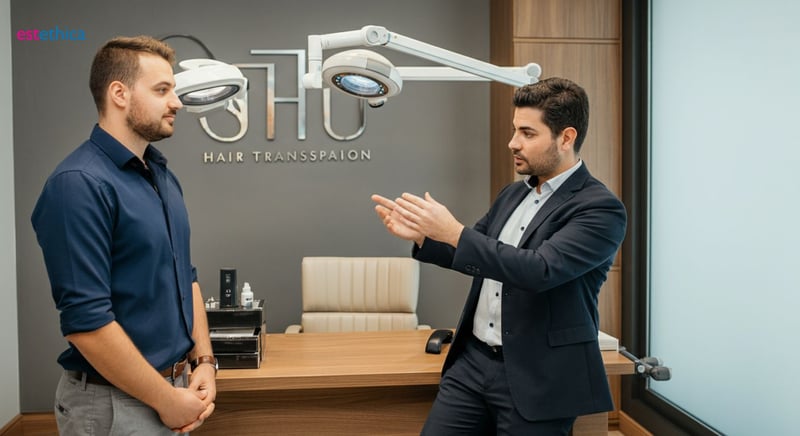
Hair Transplant Techniques: Choosing the Right Method for You
Exploring FUE and DHI Techniques
When considering a hair transplant, understanding the available techniques is crucial for setting realistic expectations. Follicular Unit Extraction (FUE) involves extracting individual hair follicles from the donor area, typically the back of the scalp, and transplanting them to the areas affected by hair loss. Direct Hair Implantation (DHI) is a modification of FUE where the extracted follicles are immediately implanted using a specialized pen-like tool, aiming to improve follicle survival rates. At estethica, the Multi DHI technique enhances this process by optimizing the angle, depth, and direction of each implanted follicle, striving for more natural-looking results. According to a study, DHI can increase graft survival rates by up to 15% compared to traditional methods, reflecting advancements in hair restoration technology.
The choice between FUE and DHI often depends on factors such as the extent of hair loss, hair type, and individual preferences. FUE is versatile and suitable for large areas, while DHI’s precision makes it ideal for detailed work, like hairline transplants. estethica's approach involves a detailed consultation to determine the most appropriate method for each patient. Here are a few examples: FUE hair transplants are commonly used to restore hair to balding or thinning areas on the scalp by extracting hair follicles from donor areas on the back or sides of the head. DHI hair transplants can be more precise in placing hair follicles for hairline restoration, and help to create a natural and defined hairline. Multi DHI, an advanced DHI technique, allowing for even greater control over follicle placement and density, which is essential for achieving optimal results in a hair restoration procedure.
Factors in Choosing a Hair Transplant Method
- Assessing Hair Type: Different hair types react differently to transplant methods; thick, curly hair may benefit more from FUE.
- Consider Area of Coverage: Larger areas may require FUE due to its efficiency in handling a high volume of grafts.
- Evaluate Recovery Time: DHI often results in quicker recovery due to less handling and direct implantation of follicles.
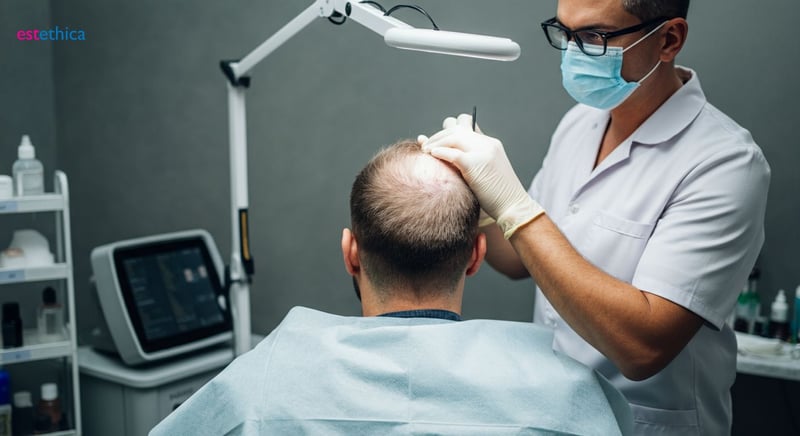
Navigating Hair Transplant Recovery Time: A Step-by-Step Guide
Immediate Aftercare Following a Hair Transplant
The initial days after a hair transplant are critical for ensuring the survival of newly implanted follicles and achieving optimal results. Recovery times can vary based on the individual and the technique used, but most patients can expect to resume their normal routines within a week. estethica provides each patient with comprehensive aftercare instructions tailored to their specific needs. Gentle cleansing of the scalp is essential to prevent infection and promote healing. Avoiding direct sunlight exposure helps to protect the sensitive transplanted area from damage. Patients should also attend scheduled follow-up treatments to monitor progress and address any concerns. It's estimated that proper aftercare can improve graft survival rates by up to 20%. Here are a few examples: After a hairline transplant patients should avoid wearing hats or any constricting headwear that can disrupt the newly transplanted follicles. Patients who've undergone an eyebrow hair transplant should adjust their washing and skincare routines to ensure the delicate grafts are gently cared for. Patients with beard hair transplant should carefully clean the treated area, preventing crust formation and minimizing the risk of infection.
Key Steps for Optimal Healing
- Gentle Cleansing: Regularly wash the scalp as directed by your surgeon to prevent infection.
- Sun Protection: Avoid direct sunlight to protect the transplanted area.
- Follow-Up Visits: Attend all scheduled appointments for monitoring and care adjustments.
Additionally, adhering to post-operative guidelines, such as avoiding strenuous activities and certain medications, can significantly impact the healing process. estethica also provides guidance on managing potential side effects, such as swelling or itching, to ensure a comfortable recovery. This comprehensive approach underscores estethica’s commitment not only to providing advanced hair transplant techniques but also to supporting patients through every stage of their hair restoration journey. Here are a few additional examples: Following a hair transplant, patients should apply gentle cleansing solutions to prevent crust formation and promote optimal healing of grafts and skin. After the procedure, sleep with your head elevated for the first few nights to reduce swelling and avoid accidentally rubbing or putting pressure on the new grafts. Avoid rigorous exercise and activities that cause you to sweat excessively during the first week of recovery. This precaution minimizes the risk of infection.
Essential Products for Hair Restoration
- Gentle Shampoos: Use mild products to cleanse without irritating the scalp.
- Sunscreen: Protect the scalp from UV rays to prevent damage and enhance healing.
- Saline Spray: Keep grafts hydrated to support their survival and growth.
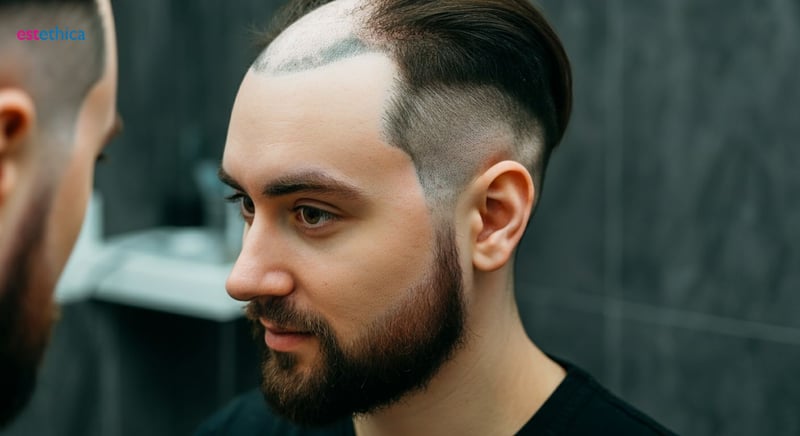
Is a Hair Transplant Permanent? Setting Realistic Expectations
Understanding the Longevity of Hair Transplant Results
While hair transplants are considered a lasting solution to hair loss, several factors can influence their long-term success. The transplanted follicles originate from areas of the scalp that are genetically resistant to balding, typically the back and sides of the head. This genetic resilience allows the transplanted hair to maintain its growth and appearance for many years. However, lifestyle choices, such as smoking and poor diet, can affect overall hair health and potentially reduce the longevity of the transplant. Medical conditions like thyroid issues or autoimmune diseases can also impact hair growth. Understanding these variables is vital for setting realistic expectations about the permanence of hair restoration. It has been noted that up to 90% of transplanted hair follicles survive long term under optimal conditions and proper care.
estethica emphasizes patient education, ensuring everyone understands that while the transplanted hair is likely to last a lifetime, its health and appearance can be influenced by external and internal factors. Regular check-ups and adherence to recommended aftercare practices are essential for maintaining the best possible results. Here are a few examples: Individuals seeking hairline transplants should understand that although new follicles can restore a natural-looking hairline, long-term health is impacted by lifestyle. Those considering beard hair transplants may expect permanent results from the transplanted hair follicles, but should be advised on how to maintain beard density and avoid thinning over time. For eyebrow hair transplants, the transplanted hairs are expected to grow and remain in place, but regular grooming and upkeep will be an ongoing requirement.
Maximizing the Lifespan of your Hair Transplant
- Maintain a Healthy Lifestyle: Proper nutrition and avoiding smoking support hair follicle health.
- Follow Aftercare Instructions: Adherence to post-operative guidelines ensures optimal healing and growth.
- Regular Scalp Care: Using recommended products helps keep the scalp and hair follicles healthy.
To further support the longevity of hair transplant results, estethica offers personalized advice on hair loss treatment and preventative measures. This includes recommendations for appropriate hair care products and lifestyle adjustments to promote sustained hair health. By focusing on these factors, estethica helps patients enjoy the benefits of their hair transplant for as long as possible. Here are a few additional examples: Following a hair transplant, patients should use hair loss treatment shampoos that promote scalp health and minimize the risk of inflammation. To prolong the vitality of transplanted grafts, incorporate regular scalp massages into your routine, which stimulates blood flow and enriches hair follicles. Protect the transplanted areas from excessive sun exposure by using sunblock or wearing hats, as UV rays can deteriorate the quality and longevity of transplanted strands.
Financial Considerations and How to Plan for Your Procedure
Budgeting for a Hair Transplant
When considering a hair transplant, it's important to think about all potential costs. This includes the initial procedure and any follow-up treatments. These treatments will help ensure the success and longevity of the hair restoration. Creating a detailed budget will help manage expectations and make informed decisions. It will also make it easier to plan financially for the procedure. estethica offers consultations to discuss personalized treatment plans. The clinic focuses on providing accessible options to meet each patient's needs. It is noted that preparing a financial plan early in the process reduces stress. It helps patients focus on their hair loss treatment and recovery.
When planning a hair transplant consider: Budgeting for a hairline transplant involves estimating the number of grafts needed to achieve the desired hairline and understanding how the extent of the procedure influences the financial plan. Patients seeking a beard hair transplant may need to factor in additional procedures to attain their intended beard density. Eyebrow hair transplants require careful planning to ensure the transplanted hairs blend seamlessly with existing eyebrows, and should be prepared for the financial aspects of follow-ups.
Steps to Effective Financial Planning
- Consultation: Schedule a meeting with estethica to assess your specific needs and goals for hair transplant.
- Budgeting: Develop a detailed budget. Identify all possible expenses related to the procedure and aftercare.
- Explore Options: Discuss available payment and financing options with the clinic.
Exploring Non-Surgical Hair Restoration Options
Exploring Alternatives to Surgical Hair Restoration
For individuals seeking alternatives to surgical hair restoration, various non-invasive options can offer effective solutions for managing hair loss. Laser therapy uses low-level light to stimulate hair follicles, promoting increased blood flow and encouraging hair growth. Scalp micropigmentation involves tattooing tiny dots on the scalp to mimic the appearance of hair follicles, creating the illusion of density. Topical treatments, such as minoxidil, can help slow hair loss and stimulate growth in some individuals. These methods provide flexibility for those who prefer to avoid surgery while seeking to address thinning hair. The effectiveness of these treatments varies and depends on individual factors such as the cause and extent of hair loss.
estethica offers comprehensive consultations to assess the suitability of these non-surgical options for each patient. The clinic’s experts provide informed recommendations, ensuring individuals can make confident decisions about their hair restoration journey. Here are a few examples: Individuals seeking hairline restoration can opt for scalp micropigmentation to create the illusion of a fuller hairline without undergoing surgery. Patients experiencing hair loss near the eyebrows might choose topical treatments to stimulate growth in the eyebrow area, enhancing their natural appearance. For those not ready for a beard hair transplant, laser therapy can help improve existing facial hair density, and give off the appereance of stubble.
Comparing Non-Surgical Hair Restoration Methods
- Laser Therapy: Offers a non-invasive approach to stimulate follicle activity but may require multiple sessions.
- Scalp Micropigmentation: Provides immediate cosmetic improvement by mimicking hair density; maintenance may be needed over time.
- Topical Treatments: Can be easily integrated into a daily routine. Consistent use is crucial for maintaining results.
When it comes to addressing hair loss effectively, it is important to compare different methods. Laser therapy uses low-level light to stimulate hair follicles, making it a safe, non-invasive option suitable for both men and women. Scalp micropigmentation is an effective solution for concealing bald spots and scars, giving the illusion of thicker hair with immediate and lasting results. Topical treatments such as minoxidil can stimulate hair growth and reduce hair loss, and can be easily integrated into your daily hair care routine.
Benefits of Non-Surgical Hair Loss Treatment Options
- No Downtime: Resume daily activities immediately after treatment.
- Reduced Risk: Avoid potential complications associated with surgery.
- Customizable: Tailor treatments to individual needs and preferences.
Multi DHI Technique for Natural-Looking Hair Restoration
Detailed Aftercare Improves Graft Survival Rates
Frequently Asked Questions
What factors contribute to hair loss, and how does hair restoration address them?
What are the key differences between FUE and DHI hair transplant techniques?
What does the recovery process entail after a hair transplant, and how can I optimize healing?
Is a hair transplant permanent, and what factors influence its long-term success?
Achieve your aesthetic goals with estethica's personalized treatment plans and expert care.
📞 Call Now for Your Free Consultation!