

Discover the secrets to a successful hair transplant and make informed choices for a fuller head of hair.
Hair transplants have long been seen as the go-to solution for hair loss. With ever-evolving techniques and increased accessibility, many are considering this option more seriously. This comprehensive guide aims to unveil the secrets behind hair transplant procedures and help you make informed decisions about your hair restoration journey.
Understanding Hair Transplant: What You Need to Know
Exploring Hair Transplant Techniques
Hair transplants have evolved significantly, offering various techniques to cater to different needs. The two primary methods are Follicular Unit Transplantation (FUT) and Follicular Unit Extraction (FUE). FUT involves removing a strip of scalp from the donor site, while FUE extracts individual follicles. Each method has its advantages, with FUE being less invasive and leaving minimal scarring.
- FUT is often preferred for larger areas due to its efficiency.
- FUE offers quicker recovery and less visible scarring.
- Both methods aim to achieve natural hair growth.
Choosing the right technique depends on factors like the extent of hair loss, donor site quality, and personal preferences. Consulting with a specialist can provide insights into the most suitable option.
Understanding the Hair Transplant Process
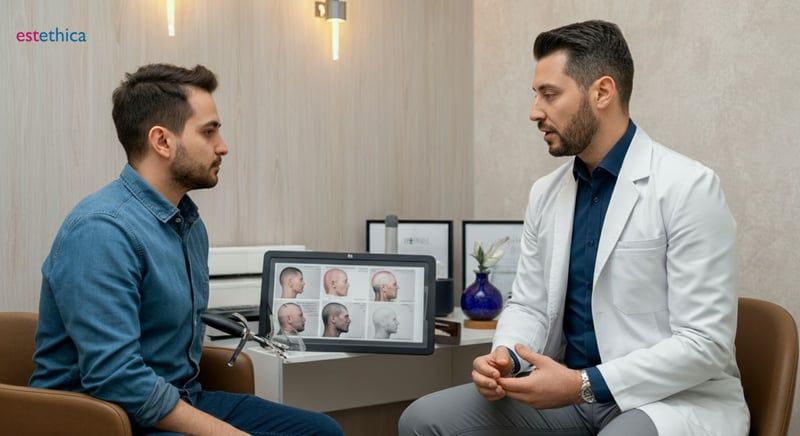
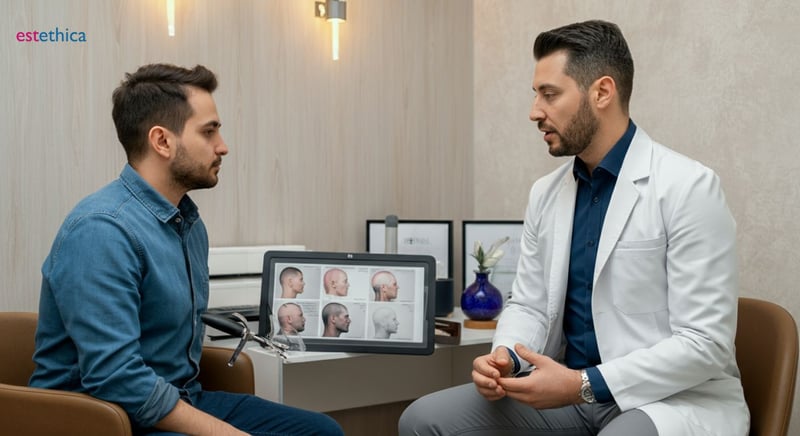
The hair transplant process involves several key steps to ensure successful hair restoration. Initially, a thorough consultation is conducted to assess the patient's needs and expectations. The procedure itself is typically performed under local anesthesia, ensuring minimal discomfort.
- Consultation and assessment to determine the best approach.
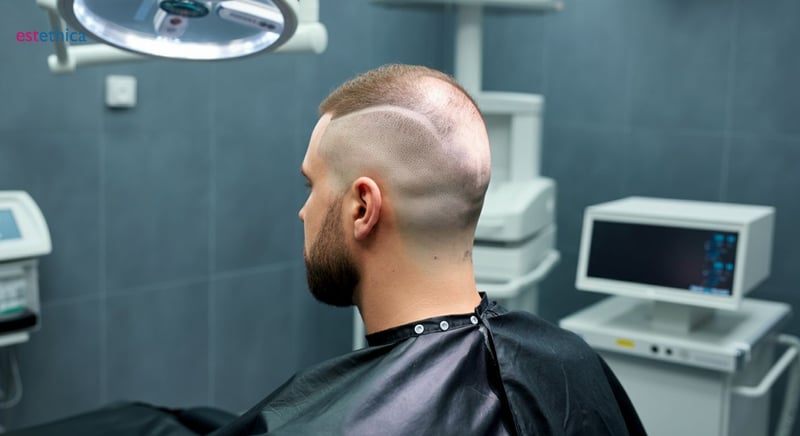
- Extraction of hair follicles from the donor site.
- Implantation of follicles into the recipient site.
Post-procedure care is crucial for optimal results. Patients are advised to follow specific guidelines to promote healing and hair growth. Understanding these steps helps in setting realistic expectations and achieving satisfactory outcomes.
The Science Behind Hair Restoration Techniques
Innovative Approaches in Hair Restoration
Recent advancements in hair restoration have transformed what was once deemed impossible. Techniques such as Follicular Unit Extraction (FUE) and Direct Hair Implantation (DHI) provide more natural-looking results with minimal scarring. Understanding the science behind these techniques allows potential patients to make knowledgeable decisions about their hair transplant options.
- FUE involves extracting individual hair follicles, reducing visible scarring.
- DHI allows for precise implantation, enhancing hair density.
- Both methods focus on mimicking natural hair growth patterns.
These techniques leverage advanced tools and methodologies to enhance the success rates of hair restoration. For instance, FUE uses micro-punches to extract follicles, minimizing trauma to the scalp. Meanwhile, DHI employs a specialized pen-like tool for direct implantation, ensuring accurate placement and alignment of hair follicles.
The Role of Technology in Hair Transplantation
Technology plays a pivotal role in modern hair transplantation, offering precision and efficiency. Robotic systems and digital imaging have revolutionized the planning and execution of hair transplants, ensuring optimal outcomes.
- Robotic assistance enhances the accuracy of follicle extraction.
- Digital imaging aids in designing natural hairlines.
- Advanced tools facilitate seamless integration of transplanted hair.
These technological advancements not only improve the aesthetic results but also reduce recovery time. By integrating these innovations, hair restoration clinics can offer personalized solutions tailored to individual needs, ensuring a more satisfying experience for patients.
Common Myths About Hair Transplant Debunked
Dispelling Misconceptions About Hair Transplant Results
One prevalent myth is that hair transplant results are immediate. In reality, new hair growth takes several months to become noticeable. For example, after a Follicular Unit Extraction (FUE), it typically takes three to four months for new hair to start growing. This gradual process ensures that the transplanted hair blends naturally with existing hair, providing a seamless appearance over time.
- Initial shedding of transplanted hair is normal and temporary.
- Full results are usually visible after 12 to 18 months.
- Patience is key to achieving desired outcomes.
Understanding this timeline helps manage expectations and reduces anxiety about the procedure's effectiveness. It's crucial to follow post-operative care instructions to support healthy hair growth and maximize the success of the transplant.
Understanding the Longevity of Hair Transplant Results
Another common misconception is that hair transplants are not permanent. While the transplanted hair is indeed permanent, it is important to note that the procedure does not prevent future hair loss in untreated areas. For instance, hair grafts taken from the back of the scalp, which are genetically resistant to balding, will continue to grow in their new location.
- Transplanted hair retains its original characteristics.
- Future hair loss may require additional treatments.
- Regular consultations can help manage ongoing hair health.
By understanding the nature of hair transplants, individuals can make informed decisions about their hair restoration journey. Consulting with a specialist can provide insights into maintaining the health of both transplanted and existing hair, ensuring long-lasting results.
Choosing the Right Clinic for Your Hair Transplant Journey
Evaluating Clinic Expertise and Technology
When selecting a clinic for your hair transplant, it's essential to assess both the expertise of the medical team and the technology they employ. Clinics like estethica, known for their advanced techniques and experienced specialists, can significantly impact the success of your hair restoration journey. For instance, a clinic utilizing the latest Follicular Unit Extraction (FUE) technology ensures minimal scarring and a natural hairline.
- Look for clinics with a proven track record in hair restoration.
- Ensure the clinic uses state-of-the-art technology for optimal results.
- Consider the experience and qualifications of the medical team.
By focusing on these factors, you can make an informed decision that aligns with your hair restoration goals. A clinic's reputation and commitment to patient safety are crucial indicators of the quality of care you can expect.
Understanding the Importance of Patient Care
Patient care is a vital aspect of the hair transplant process, influencing both the experience and outcomes. A clinic that prioritizes patient care will offer comprehensive consultations, personalized treatment plans, and thorough post-operative support. For example, clinics that provide detailed aftercare instructions and regular follow-up appointments help ensure successful healing and hair growth.
- Initial consultation to discuss goals and expectations.
- Development of a tailored treatment plan.
- Ongoing support and follow-up to monitor progress.
Choosing a clinic that emphasizes patient care can enhance your overall experience and increase the likelihood of achieving your desired results. It's important to feel supported and informed throughout your hair transplant journey, from the initial consultation to the final outcome.
Innovative Hair Restoration Techniques: FUE and DHI
Comprehensive Hair Transplant Process: From Consultation to Care
Frequently Asked Questions
What are the main techniques used in hair transplant surgery?
How does technology enhance hair restoration techniques?
Are hair transplant results immediate?
Is a hair transplant a permanent solution for hair loss?
What should I consider when choosing a hair transplant clinic?
Discover the Path to Your Healthiest Self with estethica's Award-Winning Services!
📞 Call Now for Your Free Consultation!