


Discover the transformative power of obesity surgery and learn about your options for a healthier future.
Obesity surgery, also known as bariatric surgery, has become a transformative procedure for many individuals struggling with weight-related health issues. It offers more than just a pathway to weight loss; it can be a pivot towards improved overall health. Whether you're considering a gastric bypass or sleeve gastrectomy, this surgical intervention presents a significant step forward in reclaiming one's health and vitality.
Is Obesity Surgery the Right Choice for You? Key Considerations
Assessing Your Health and Lifestyle for Obesity Surgery
Deciding on obesity surgery involves a thorough evaluation of your current health status and lifestyle. This isn't merely about meeting a BMI threshold; it’s about understanding how bariatric surgery could integrate into your life. Consider existing health conditions like type 2 diabetes or hypertension, which could see significant improvement post-surgery. Reflect on your eating habits, physical activity levels, and any history of weight loss attempts. For instance, if you've consistently struggled with weight despite various diet and exercise plans, weight loss surgery might be a viable option.
- Improved Health Metrics: Many patients experience a reduction in obesity-related health issues, such as sleep apnea and joint pain, following obesity surgery.
- Enhanced Lifestyle: The ability to engage more fully in physical activities and social interactions can improve overall quality of life post-bariatric surgery.
- Long-Term Weight Management: Weight loss surgery offers a tool for sustainable weight management when combined with comprehensive lifestyle changes.
Understanding the Commitment and Expectations for Bariatric Surgery
Undergoing bariatric surgery is a life-altering decision that extends far beyond the operating room. It requires a firm commitment to adopting new dietary habits, engaging in regular physical activity, and attending follow-up appointments. It's crucial to have realistic expectations about the outcomes. While obesity surgery can significantly aid in weight loss, it's not a magic bullet. Success hinges on your willingness to embrace a healthier lifestyle. For example, patients may need to adjust to smaller portion sizes and focus on nutrient-dense foods to maximize the benefits of procedures like gastric bypass or sleeve gastrectomy. One study suggests that adherence to post-operative guidelines can increase the success rate of weight loss surgery by up to 70%.
- Nutritional Adjustments: Post-surgery, you'll need to follow a specific diet plan, often starting with liquids and gradually reintroducing solid foods.
- Regular Exercise: Incorporating physical activity into your routine is essential for maintaining weight loss and improving overall health after bariatric surgery.
- Ongoing Support: Participating in support groups and attending follow-up appointments can provide valuable guidance and encouragement throughout your weight loss journey.

Beyond Weight Loss: The Health Benefits of Bariatric Surgery
Resolving Comorbidities Through Bariatric Surgery
Bariatric surgery offers significant health improvements beyond just weight loss. It's particularly effective in resolving or improving obesity-related comorbidities. Type 2 diabetes often sees remission in many patients post-surgery, reducing or eliminating the need for medication. Hypertension can also improve, lowering the risk of cardiovascular diseases. Additionally, conditions like sleep apnea, characterized by interrupted breathing during sleep, often resolve as obesity surgery reduces excess weight around the neck and chest. These improvements contribute to a healthier and more active lifestyle.
- Diabetes Management: Studies show a significant percentage of patients achieve remission of type 2 diabetes following bariatric surgery, reducing reliance on insulin and other medications.
- Cardiovascular Health: Improvements in blood pressure and cholesterol levels can lead to a decreased risk of heart disease and stroke after weight loss surgery.
- Respiratory Function: Resolution of sleep apnea can improve sleep quality and reduce the risk of related health complications, such as daytime fatigue and heart problems.
Enhancing Quality of Life After Obesity Surgery
Patients who undergo obesity surgery frequently report a marked improvement in their overall quality of life. Enhanced mobility is a common benefit, as the reduction in weight alleviates stress on joints, making physical activities easier and more enjoyable. There are also considerable psychological benefits; many individuals experience increased self-esteem and reduced symptoms of depression and anxiety. Furthermore, improvements in physical health and appearance can lead to better social interactions and a more fulfilling personal life. For instance, someone who previously struggled with daily tasks might find themselves able to participate in activities they once thought impossible, such as hiking or playing with their children.
- Improved Physical Function: Greater ease in performing daily activities, such as walking, climbing stairs, and bending over, enhances independence and overall well-being after bariatric surgery.
- Psychological Well-being: Increased self-confidence and reduced symptoms of depression and anxiety can lead to improved mental health and emotional stability post-surgery.
- Social Engagement: Enhanced physical appearance and improved health can foster greater participation in social activities, strengthening relationships and reducing feelings of isolation following weight loss surgery.
Gastric Bypass vs. Sleeve Gastrectomy: Understanding Your Options
Comparing the Mechanics of Gastric Bypass and Sleeve Gastrectomy
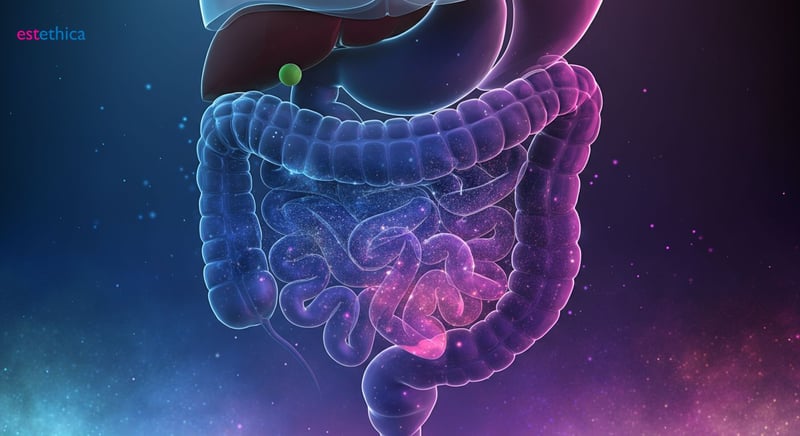
When considering weight loss surgery, understanding the distinct approaches of gastric bypass and sleeve gastrectomy is essential. Gastric bypass, formally known as Roux-en-Y gastric bypass, alters the digestive system by creating a small stomach pouch and connecting it directly to the small intestine, bypassing a significant portion of the stomach and duodenum. This reduces both the amount of food you can eat and the number of calories your body absorbs. Conversely, sleeve gastrectomy involves removing a large portion of the stomach, leaving a smaller, banana-shaped sleeve. This method primarily restricts food intake without significantly affecting nutrient absorption. Choosing between these procedures depends on individual health profiles and BMI requirements for bariatric surgery.
- Digestive Rerouting: Gastric bypass changes the path food takes through the digestive system, impacting hunger hormones and calorie absorption.
- Stomach Reduction: Sleeve gastrectomy physically reduces the stomach's size, limiting the amount of food that can be consumed at one time.
- Hormonal Impact: Both surgeries can affect gut hormones, which play a role in appetite and blood sugar control, influencing overall metabolic health.
Evaluating the Benefits and Risks of Each Weight Loss Surgery Option
Both gastric bypass and sleeve gastrectomy offer unique benefits and potential risks that patients should carefully evaluate with their healthcare provider. Gastric bypass often leads to more significant initial weight loss and can be particularly effective for individuals with type 2 diabetes. However, it carries a higher risk of nutritional deficiencies due to altered absorption. Sleeve gastrectomy is generally considered a simpler procedure with a lower risk of malabsorption, but it may result in less overall weight loss compared to gastric bypass. For example, a patient with severe acid reflux might benefit more from gastric bypass, while someone concerned about long-term vitamin deficiencies might lean towards sleeve gastrectomy. The choice should align with individual health needs and lifestyle considerations, ensuring the best possible outcome from obesity surgery.
- Nutritional Considerations: Patients undergoing gastric bypass may require lifelong vitamin and mineral supplementation to prevent deficiencies.
- Complication Rates: Sleeve gastrectomy generally has a lower risk of certain complications, such as dumping syndrome, compared to gastric bypass.
- Long-Term Effectiveness: While both procedures can lead to significant weight loss, the long-term success depends on adherence to dietary and lifestyle changes.

Life After Weight Loss Surgery: What to Expect During Recovery
Navigating Dietary Changes After Bariatric Surgery
The journey following weight loss surgery involves significant dietary adjustments to support healing and maximize weight loss. Initially, patients transition through stages, starting with clear liquids, then progressing to pureed foods, soft foods, and eventually solid foods. This gradual progression allows the digestive system to adapt to its new structure after procedures like gastric bypass or sleeve gastrectomy. Each stage focuses on nutrient-dense options to ensure adequate intake of protein, vitamins, and minerals. For example, protein shakes, yogurt, and mashed vegetables are common in the early stages, while lean meats, cooked vegetables, and whole grains are introduced later. Adhering to these guidelines is crucial for preventing complications and achieving long-term success.
- Portion Control: Learning to manage portion sizes is essential, as the stomach's capacity is significantly reduced after bariatric surgery.
- Nutrient Prioritization: Focusing on protein intake and essential vitamins and minerals helps support healing and overall health post-surgery.
- Hydration: Drinking plenty of water is crucial for digestion and preventing dehydration, especially as dietary intake changes.
Embracing a New Lifestyle and Exercise Routine After Obesity Surgery
Recovery from obesity surgery extends beyond dietary changes; it requires embracing a new lifestyle centered around regular physical activity. Exercise helps maintain weight loss, improves cardiovascular health, and enhances overall well-being. Initially, patients may start with gentle activities like walking, gradually increasing intensity and duration as they heal. Incorporating a mix of aerobic exercises, such as swimming or cycling, and strength training can maximize results. Support groups and fitness professionals can provide guidance and motivation. For instance, setting realistic goals, tracking progress, and celebrating milestones can help individuals stay committed to their fitness journey. A study showed that patients who engage in regular exercise after weight loss surgery experience greater long-term success in maintaining their reduced weight.
- Gradual Progression: Start with low-impact activities and gradually increase intensity and duration as fitness improves.
- Varied Exercise: Incorporate both aerobic and strength training exercises for comprehensive health benefits.
- Professional Guidance: Seek advice from fitness professionals or therapists to create a safe and effective exercise plan.
Advanced Bariatric Surgical Techniques for Comprehensive Weight Management
Personalized Care and Support for Sustainable Weight Loss After Bariatric Surgery
Frequently Asked Questions
What is the difference between gastric bypass and sleeve gastrectomy?
What are the general BMI requirements for bariatric surgery?
What are the health benefits beyond weight loss from bariatric surgery?
What dietary changes are expected after weight loss surgery?
How important is exercise after obesity surgery?
Achieve your aesthetic goals with estethica's world-class services and expert care.
📞 Call Now for a Free Consultation!