


Learn about tooth crown lifespan and how to maintain your dental restorations for long-term success. Discover expert tips for durability and care.
The tooth crown lifespan refers to the expected duration a dental restoration remains functional before requiring replacement or repair. While these prosthetics are designed for durability, their longevity depends on material selection, oral hygiene, and individual biting habits. This guide examines the factors influencing restoration survival and provides evidence-based strategies to maximize the service life of your dental work.
Understanding the Average Tooth Crown Lifespan
The longevity of a dental restoration remains a primary focus for patients seeking long-term oral rehabilitation. Statistics confirm that roughly 95% of crowns remain functional for at least five years, with many restorations lasting between five and 15 years depending on the specific material used1,5. Patients visiting estethica Global often inquire about these timelines, as achieving a durable result depends heavily on both the initial clinical procedure and subsequent daily care.
Material selection is a critical determinant in how a crown withstands daily mechanical forces. While porcelain-fused-to-metal crowns and all-ceramic options like zirconium summarizes survival rates often exceeding 90% in the initial years, their long-term performance varies based on the patient's bite force and oral hygiene habits3,4. Research highlights that zirconia-based crowns offer exceptional durability, even in patients who exhibit signs of bruxism, showing minimal instances of fracture over extended observation periods2.
Factors Influencing Restoration Survival
Technical precision during the preparation and cementation phases prevents microleakage, which is a leading cause of secondary caries beneath the crown. The expertise of the dental team at estethica Global ensures that each restoration is custom-fitted to the tooth interface to minimize the risk of mechanical failure. While no crown is permanent, maintaining regular check-ups allows for the early detection of wear, potentially extending the functional life of the restoration well beyond the average expectations1,3.
Essential Dental Crown Maintenance and Oral Hygiene Practices
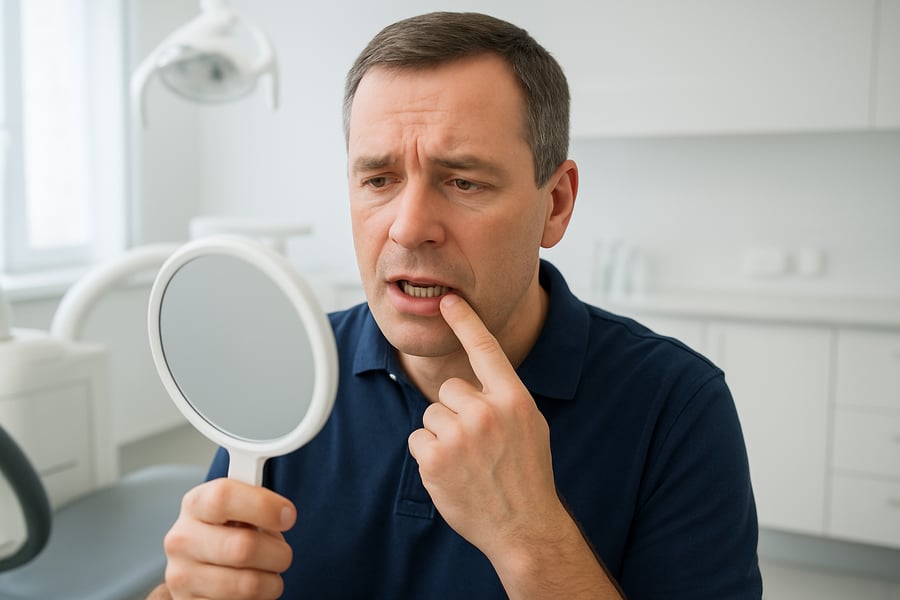
Maintaining the health of the underlying tooth structure remains the most effective way to ensure the longevity of your restoration, as most dental crowns last between five and 15 years depending on the material used5. Preventing tooth decay under crowns requires a rigorous approach to daily hygiene that goes beyond standard brushing, as the margin where the crown meets the natural tooth is a primary site for bacterial colonization. Patients choosing estethica Global for their dental needs benefit from specialized guidance on how to clean these critical areas effectively to prevent periodontal attachment loss.
Effective oral hygiene for dental restorations involves using interdental brushes or floss threaders to remove plaque from the gum line, which reduces the risk of structural compromise. High-durability options like zirconium crowns have demonstrated excellent clinical performance and resistance to fractures, even in patients with bruxism2. By adhering to these cleaning protocols, patients protect their investment and maintain the aesthetic integrity of their dental work over the long term.
Professional Monitoring and Care
Regular dental check-ups are vital for the early detection of marginal integrity issues or signs of cementation failure. During consultations at estethica Global, clinicians assess the status of your crown to ensure that any minor chips or localized inflammation are addressed before they necessitate a full replacement. Consistent professional oversight helps maintain the high survival rates reported for modern restorations, such as the 92% success rate observed in densely sintered zirconia crowns4.
Expert Tips for Extending the Durability of Your Restoration
Maintaining the structural integrity of a dental crown requires consistent oral hygiene and the avoidance of mechanical stressors. Clinical data indicates that while 95% of crowns remain functional for at least five years, their long-term survival depends heavily on patient compliance with care protocols1. estethica Global emphasizes that routine examinations are essential for identifying early signs of wear or marginal leakage before they progress into catastrophic failure.
Parafunctional habits, particularly bruxism, represent a significant threat to restorative longevity, though modern materials like zirconia offer superior resistance to these forces2. Patients who experience grinding are strongly advised to use custom-fitted night guards, which redistribute occlusal pressure and protect the ceramic surface. Avoiding the misuse of teeth as tools for opening packaging or biting hard items further reduce the risk of stress-induced fractures4.
Strategic material selection matters in determining how well a restoration withstands daily use. While all-resin crowns are a cost-effective option, they typically show a shorter lifespan of three to five years, whereas porcelain-fused-to-metal and lithium-disilicate options offer higher durability for posterior applications4,5. Consultation with a specialist at estethica Global ensures that the chosen crown type match your specific bite mechanics and aesthetic goals.
Restoration Material Comparison
Recognizing the Warning Signs That a Crown Needs Replacement
Dental crowns generally offer long-term stability, with research indicating that most restorations remain functional for five to fifteen years depending on the material used5. While zirconia-based crowns show excellent durability even in patients with bruxism2, regular monitoring at estethica Global helps identify minor issues before they compromise the underlying tooth structure. Patients should prioritize professional check-ups to ensure the longevity of their dental work, as survival rates can fluctuate over a 15 to 20-year period1.
Persistent sensitivity to hot or cold temperatures often is a n early indicator that the crown's seal has been breached, potentially exposing the dentin to external stimuli. A loose crown or a visible gap at the gum line suggests that the cementation has failed, creating a pathway for bacteria to reach the tooth root. Prompt intervention at estethica Global prevents further decay and avoids the need for more invasive procedures like a full dental implant.
Physical and Sensory Indicators
Visible fractures, chips in porcelain, or persistent swelling in the surrounding gum tissue are clear physical signals that a crown requires immediate evaluation. Although porcelain-fused-to-metal and all-ceramic options summarizes high success rates in clinical studies4, daily wear and tear can eventually cause structural fatigue. Consulting with the specialists at estethica Global allows for an accurate assessment of whether a simple repair or a full replacement is necessary to restore oral health.
Why Estethica Global Dental Crown Care Ensures Long-Term Success
Achieving long-term success with dental restorations requires a combination of advanced technology and a patient-centered approach. estethica Global provides thorough care that monitors the patient from the initial consultation through to full recovery, ensuring that every tooth crown is placed with maximum precision. Clinical data indicates that while the average lifespan of a dental crown ranges from five to 15 years5, professional oversight improves these outcomes by addressing potential issues before they compromise the restoration.
Digital dentistry matters in the durability of modern restorations through precise imaging and high-quality materials. By using advanced options like zirconium crowns, estethica Global ensures each restoration is custom-fitted to the patient's unique anatomy, which minimizes the risk of future complications. Research confirms that zirconia-based crowns summarizes excellent durability and clinical performance, often showing no fractures even under challenging oral conditions2.
Prioritizing Clinical Excellence
Patient safety and the use of contemporary knowledge guide every treatment decision at estethica Global. The clinic prioritizes accurate diagnosis and high-quality materials to support the longevity of dental work, matching reported survival rates for all-ceramic crown types that reach as high as 96.6%4. A transparent service model emphasizes patient education and long-term oral health maintenance, ensuring that every crown is supported by a thorough care plan that extends the life of the dental work beyond standard expectations.

Material Selection and Clinical Application Methods
Post-Treatment Maintenance and Follow-up Procedures
Frequently Asked Questions
Who is not a suitable candidate for a tooth crown?
What should I do to prepare my mouth before getting a tooth crown?
How long is the typical recovery period following the placement of a tooth crown?
Is it true that tooth crowns can cause permanent damage to adjacent teeth?
What is the primary difference between a dental crown and a porcelain veneer?

Wondering how to extend the life of your dental crowns?
Connect with our dental experts to ensure your restoration stays durable and healthy for years to come.
References
Superscript numbers in the content correspond to the references listed below.
- PubMed — Summary review of the survival of single crowns
- PMC (PubMed Central) — Evaluating the durability of zirconia - based crowns among patients with bruxism
- PMC (PubMed Central) — Survival of Single-Unit Porcelain-Fused-to-Metal (PFM) and Metal Crowns Placed by Students at an Australian University Dental Clinic over a Five-Year Period
- NCBI Bookshelf — Porcelain-Fused-to-Metal Crowns versus All-ceramic Crowns: A Review of the Clinical and Cost-Effectiveness
- Cleveland Clinic — Dental Crowns: Types, Procedure & Care