

Learn about the otoplasty procedure for ear cartilage reshaping. Discover surgical techniques, recovery timelines, and how to find the right care.
The otoplasty procedure is a surgical intervention designed to alter the shape, position, or size of the ears to improve facial harmony. This surgical approach addresses various auricular concerns, providing a permanent solution for individuals seeking to correct prominent or misshapen ears. By using precise techniques, surgeons can achieve natural-looking results that enhance overall aesthetic balance.
Understanding the Otoplasty Procedure for Ear Cartilage Reshaping
Otoplasty involves precise structural modifications to the ear cartilage to achieve a more proportional appearance. This surgical intervention primarily addresses prominent ears caused by congenital factors or developmental variations in the antihelical fold, allowing surgeons at estethica Global to reposition the ear closer to the mastoid bone to reduce protrusion1. By focusing on the underlying framework of the auricle, the procedure effectively corrects minor ear abnormalities that affect approximately 5% of the general population3.
Surgeons typically perform a postauricular incision to gain direct access to the cartilage, ensuring that scars remain hidden behind the ear. During this process, techniques such as cartilage scoring or the application of permanent sutures are use to reinforce the antihelical fold, which maintains the natural contour of the ear post-surgery2. Because the ear reaches its full size by the age of four to six, estethica Global provides tailored surgical plans that account for the unique anatomical structure of each patient1,4.
Clinical Outcomes and Patient Benefits
Correcting auricular deformities offers significant aesthetic improvements and often yields a positive impact on a patient's psychological well-being2. Clinical research indicates that otoplasty is a reliable solution with low revision rates, typically around 2.1%, making it a highly effective choice for those seeking to boost their self-confidence2,4. Patients consulting with estethica Global receive a thorough assessment to determine the most appropriate surgical approach for their specific anatomical needs.

Why Patients Choose Estethica Global for Ear Pinning Surgery
Patients seeking otoplasty often prioritize clinics that provide a secure environment for correcting auricular deformities, which affect approximately 5% to 10% of the global population2. estethica Global use advanced surgical techniques to address protruding ears and other structural concerns, ensuring that the procedure is performed once the ear has reached its full size, typically by age 5 or 63. By focusing on anatomical precision, the surgical team helps patients achieve a natural appearance that can improve long-term psychological well-being2.
Safety and transparency remain central to the patient experience at estethica Global, from the initial consultation to the final recovery stages. The medical staff adheres to strict clinical protocols, reflecting a commitment to high standards in aesthetic surgery that minimizes the risk of complications such as recurrence2. This structured approach allows individuals to feel fully informed and supported while addressing concerns about ear cartilage shape or position1.
Customized Surgical Planning
Personalized treatment plans at estethica Global ensure that every otoplasty procedure is tailored to the unique goals of the patient, whether for a child or an adult1. Specialists evaluate the specific degree of cartilage projection to determine the most effective surgical intervention for lasting results4. This dedicated focus on individual anatomy allows the clinic to provide a permanent solution that boosts self-confidence and enhances facial harmony4.
What to Expect During Your Otoplasty Recovery Timeline
Recovery following cosmetic ear surgery begins with the application of specialized dressings designed to hold the newly shaped ear cartilage in its corrected position. Patients at estethica Global typically wear these protective bandages for the first few days to minimize swelling and prevent trauma to the surgical site, which is essential for achieving the permanent results associated with this procedure4. While individual healing speeds differ, most people report that the initial discomfort is manageable through prescribed protocols provided by their surgical team.
Ongoing care involves wearing a soft headband, especially during sleep, for several weeks to ensure the ears remain stable and protected while the tissues heal. Research indicates that surgical correction of protruding ears is highly effective, with low recurrence rates when post-operative instructions are followed precisely2. By adhering to these guidelines, patients help ensure that the refined contours of the ears settle correctly without compromising the integrity of the cartilage.
Long-Term Healing and Results
Full refinement of the ear shape develops gradually over several months as residual swelling subsides and the skin adapts to the underlying cartilage structure. Consistent communication with the specialists at estethica Global allows for the monitoring of this progress, ensuring that any concerns regarding the recovery timeline are addressed immediately. Because the procedure provides a permanent solution to auricular deformities, patients often experience a significant boost in self-confidence as the final aesthetic outcome becomes fully visible4.
Who Is an Ideal Candidate for Prominent Ear Correction
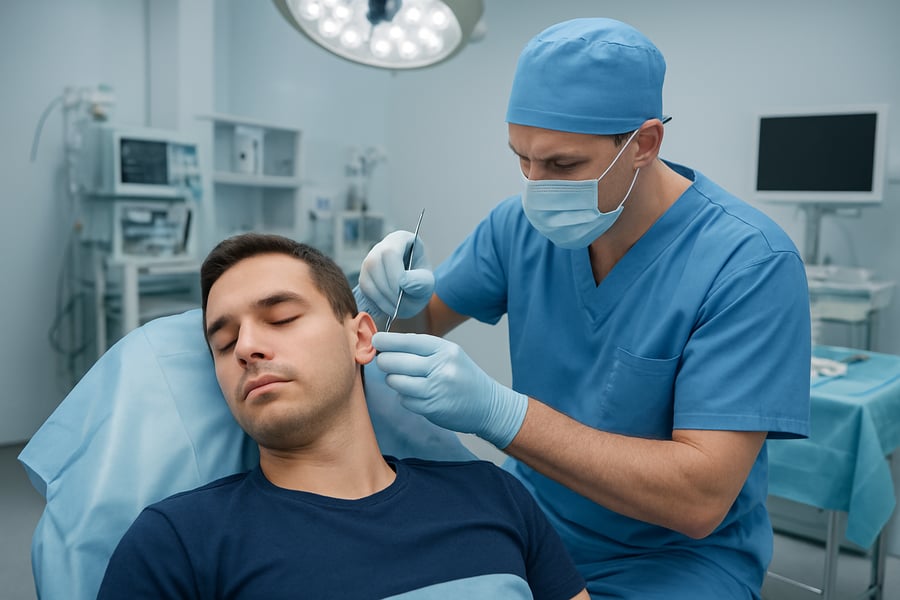
Candidates for otoplasty must have ear cartilage that has reached a sufficient stage of development, which typically occurs by the age of four to six years 1, 4. Children within this age range are often ideal candidates because the ear cartilage is pliable enough for effective reshaping while being stable enough to maintain the new position long-term 3. Adults who have lived with prominent ears throughout their lives also frequently choose this procedure to address persistent aesthetic concerns and improve their overall facial harmony 1.
Good general health remains a primary requirement for any patient considering surgical ear correction, as it ensures a safe recovery and optimal healing outcomes. estethica Global emphasizes the necessity of a detailed medical history evaluation to identify any potential risks that might interfere with the success of the cartilage reconstruction. Patients should approach the procedure with realistic expectations, focusing on achieving a natural, balanced look that complements their facial structure rather than seeking an impossible standard of perfection 4.
Psychological comfort and personal motivation play a significant role in determining candidacy for those looking to resolve auricular deformities. Correcting ear protrusion can lead to substantial improvements in self-esteem and quality of life, particularly for younger individuals who may experience social anxiety regarding their appearance 2. estethica Global provides professional consultations to help potential candidates discuss their specific goals and ensure that the surgery match their personal aesthetic needs.
Otoplasty Pricing and Care Packages
Selecting the right surgical path involves understanding the value of thorough care. The following table outlines the service tiers available for patients seeking ear reshaping procedures.
Surgical Methodology and Technical Approaches
Operational Standards and Post-Procedural Care
Frequently Asked Questions
Who is generally not considered a suitable candidate for ear cartilage reshaping?
What essential preparation steps should be taken before undergoing ear pinning surgery?
How long is the typical recovery period following an otoplasty procedure?
Is it true that prominent ear correction surgery negatively impacts hearing ability?
What are the common differences between surgical ear aesthetic surgery and non-surgical alternatives?

Considering Otoplasty? Get Expert Guidance Today
Understand the surgical process, recovery timelines, and expected results with our thorough patient resource.
References
Superscript numbers in the content correspond to the references listed below.
- Mayo Clinic — Otoplasty
- National Institutes of Health (NIH) / PubMed Central (PMC) — Otoplasty Surgical Techniques and Clinical Outcomes: A Practical Review
- National Institutes of Health (NIH) / PubMed Central (PMC) — Otoplasty – techniques, characteristics and risks
- Cleveland Clinic — Otoplasty: What It Is, Procedure & Recovery