


Learn about the dental implant procedure, from surgery steps to recovery. Discover how to achieve a stable, natural-looking smile with professional guidance.
A dental implant procedure is a surgical intervention within oral and maxillofacial surgery designed to replace missing teeth with artificial roots and crowns. This restorative process relies on the biological integration of titanium fixtures with the jawbone to provide a stable foundation for prosthetic teeth. Understanding the various stages of this treatment helps patients prepare for the journey toward restored oral function and aesthetics.
Understanding the Dental Implant Procedure and Surgery Steps
The dental implant procedure is a multi-stage clinical process designed to restore dental function and aesthetics for patients with missing teeth. According to the Mayo Clinic, the journey begins with a thorough evaluation of oral health, potentially involving tooth extraction and jawbone preparation to ensure a strong base for the implant1. estethica Global use advanced imaging technology during this initial phase to precisely map the placement of the titanium fixture, which is a durable root substitute.
Insufficient bone density often requires a bone graft for dental implants to provide the necessary volume for long-term support4. Once the site is adequately prepared, the implant is surgically inserted into the jawbone, where achieving primary stability is the primary clinical objective. After the fixture is positioned, the area is sutured to help the initial recovery period.
Osseointegration and Restoration Phases
Osseointegration represents the biological process where the jawbone naturally fuses with the titanium implant surface to create a permanent anchor. Successful integration is vital, as research indicates that minimizing early complications like peri-implantitis improves the long-term prognosis of the dental restoration3. Following this healing phase, estethica Global completes the procedure by attaching an abutment and the final prosthetic crown, resulting in a functional, natural-looking smile.

Why Choose Estethica Global for Your Dental Implants
estethica Global provides a specialized environment for the dental implant procedure, focusing on clinical precision and patient-specific treatment planning. By using advanced digital diagnostics, the medical team evaluates jawbone density and anatomical structure to ensure each dental implant is positioned for optimal osseointegration, a critical phase where the implant fuses with the bone1. This diagnostic rigor helps minimize the risk of complications, as studies indicate that the majority of patients experience successful outcomes when procedures are careful planned3.
The patient experience at estethica Global is defined by strict adherence to international surgical standards and thorough sterilization protocols. Because the success of an implant depends on both surgical technique and long-term biological integration, the clinic emphasizes a staged approach that allows sufficient healing time for the bone and soft tissues1. This commitment to safety is supported by monitoring the success rates of procedures, as professional oversight during the critical first year post-implantation reduces the incidence of early failure2.
thorough Restoration Standards
Long-term oral health requires more than just the surgical placement of a post; it demands a structured maintenance plan and high-quality prosthetic restoration. estethica Global guides patients through every phase, including necessary bone grafting procedures if the jawbone volume is insufficient to support an implant4. By combining scientific expertise with personalized hygiene guidance, the team ensures that the final restoration is both functional and durable, providing a reliable solution for those seeking tooth replacement.
What to Expect During Full Mouth Dental Implants Recovery
Recovery after full mouth dental implants is a multi-stage journey that begins immediately after the surgical placement of the titanium posts. Patients typically encounter mild swelling, bruising, and discomfort as the anesthesia wears off, which can be managed with prescribed pain relief and cold compresses. Because dental implant surgery is often performed in stages—including potential bone grafting to support the structure—the body requires significant time to undergo osseointegration, where the jawbone fuses to the implant 14.
Adhering to strict post-operative protocols is vital to minimizing the risk of complications such as infection or peri-implantitis 3. During the initial week, maintaining a soft-food diet prevents unnecessary mechanical stress on the surgical sites, while gentle oral hygiene practices help keep the area free of debris without irritating healing tissues. At estethica Global, patients receive tailored guidance to ensure that their oral environment remains stable throughout the critical early phases of the dental implant procedure.
Long-Term Healing and Monitoring
The transition from the immediate post-surgical phase to complete integration takes several months, during which time the jawbone and gums remodel around the new dental implants. Consistent follow-up visits allow specialists at estethica Global to track osseointegration and verify that the tissues are maturing as expected. While the vast majority of patients experience a smooth recovery, professional monitoring remains the most effective strategy to catch early signs of failure or inflammation, ensuring the long-term success of the full-arch dental solution 23.
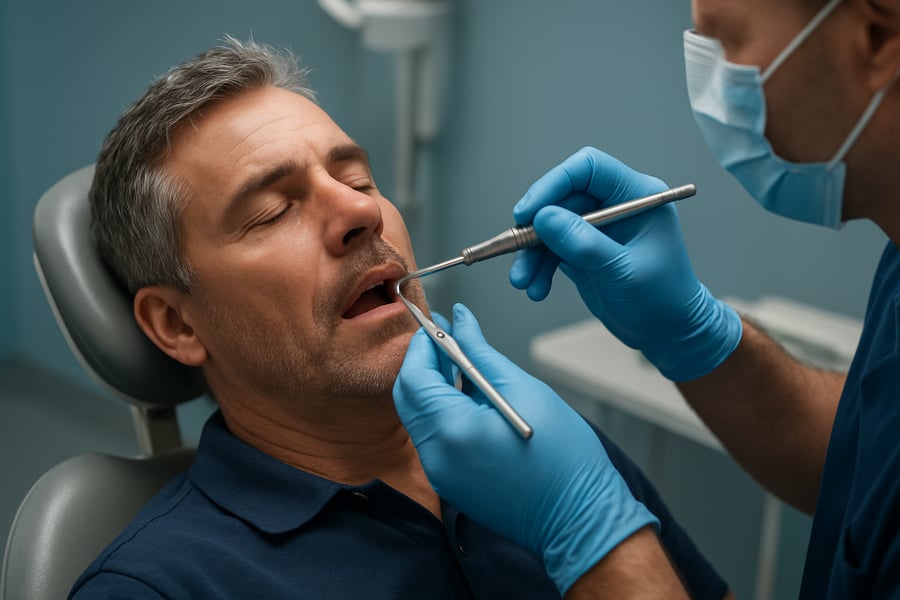
Comparing Zirconium Crowns and Bone Grafting Requirements
Zirconium dental crowns serve as the final prosthetic stage in dental implant procedures, prized for their exceptional durability and natural light-reflecting properties. Unlike traditional metal-based restorations, zirconium is biocompatible and avoids the unsightly dark gum line that can occur over time, ensuring a smooth aesthetic transition. estethica Global focuses on these high-quality materials to provide patients with long-term functional stability and a natural-looking smile.
Bone grafting acts as a critical foundation for patients lacking sufficient jawbone density to support an implant. According to the Cleveland Clinic, while initial healing from a bone graft typically occurs within one week, full integration into the existing jaw structure can require up to one year4. This preparatory phase is essential for ensuring the implant remains securely anchored, minimizing the risk of complications such as implant failure or peri-implantitis2,3.
Prosthetic Integration and Longevity
The success of a dental implant relies on the cooperation between a stable, grafted bone base and the precision of the final crown. By using advanced materials like zirconium, estethica Global ensures that the restoration can withstand the mechanical forces of daily chewing while maintaining its structural integrity. Patients are encouraged to discuss these individual anatomical needs with a specialist to determine the exact timeline and requirements for their specific dental restoration journey.

Clinical Methods and Osseointegration Protocols
Safety Standards and Post-Procedural Care
Frequently Asked Questions
Who is considered a poor candidate for a dental implant procedure?
How does the maintenance of zirconium dental crowns differ from natural teeth?
What is the typical recovery timeline following a dental implant procedure?
Are there significant risks associated with full mouth dental implants?
How do dental implants compare to traditional bridge solutions?

Ready to Restore Your Smile?
Speak with our dental specialists today to understand if implants are the right choice for your oral health journey.
References
Superscript numbers in the content correspond to the references listed below.
- Mayo Clinic — Dental implant surgery
- PubMed (National Library of Medicine) — Dental Implant Survival Rates: thorough Insights from a Large-Scale Electronic Dental Registry
- PMC (PubMed Central / NIH) — Assessment of Complications in Dental Implant Surgery
- Cleveland Clinic — Dental Bone Graft: Process, Purpose & Healing