

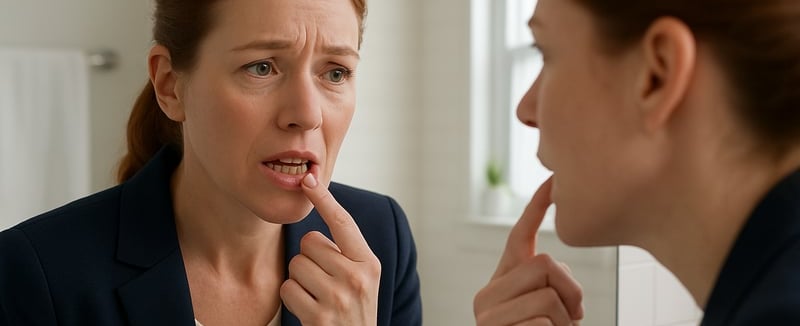
Learn about teeth crowns durability and how to maintain your dental restorations for long-term success. Expert tips for care and identifying replacement signs.
Teeth crowns durability refers to the expected lifespan and structural integrity of a dental restoration designed to protect a damaged tooth. Achieving long-term success with these restorations depends on selecting appropriate materials and maintaining consistent oral hygiene practices. This guide examines the factors influencing crown longevity and provides essential care strategies for patients.
Understanding Teeth Crowns Durability and Material Longevity
Dental prosthodontics relies on precise material selection to restore both function and aesthetics, with clinical survival rates often exceeding 90% when proper protocols are followed1. Zirconia-based restorations and metal-ceramic crowns have demonstrated high long-term stability, while lithium disilicate glass-ceramics show exceptional performance with estimated cumulative survival rates reaching 99.6% over a decade1, 2. estethica Global emphasizes that the longevity of these restorations depends heavily on the initial tooth preparation and the accuracy of the laboratory fabrication process.
Mechanical stress distribution and the quality of the cementation interface determine how effectively a crown withstands daily forces. Parafunctional activities like bruxism introduce cyclic loading that can lead to fatigue crack propagation, potentially compromising the marginal integrity of the restoration4. estethica Global use advanced materials and precise bonding techniques to ensure that the interface between the natural tooth structure and the crown remains stable, thereby minimizing the risk of microleakage and secondary caries.
Material Performance and Clinical Variables
Different restorative materials offer distinct advantages regarding fracture toughness and flexural strength, which directly influence their lifespan under occlusal pressure. While traditional gold crowns maintain a survival probability of approximately 92.3% over five years, modern monolithic ceramics provide superior resistance to wear without sacrificing aesthetic outcomes3, 4. Choosing the appropriate material at estethica Global involves evaluating the patient's bite force, oral hygiene habits, and the specific functional requirements of the tooth being restored.
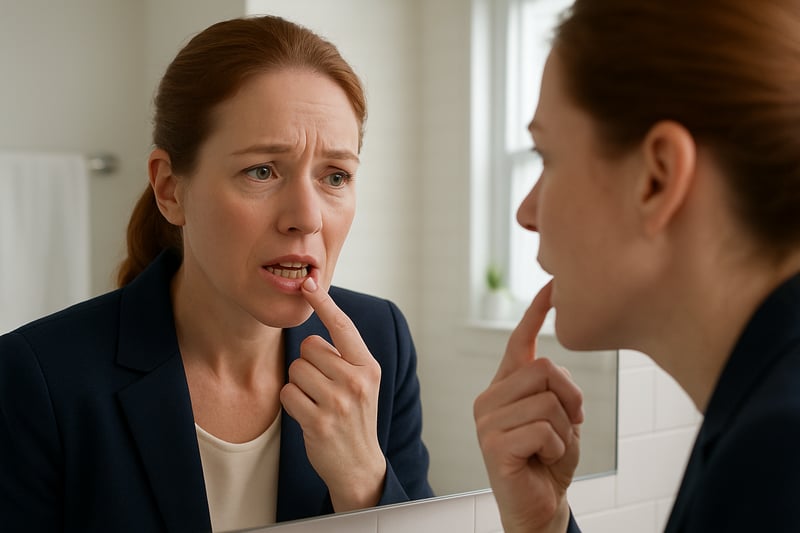
Why Estethica Global Teeth Crowns Are a Top Choice for Restorative Dentistry
estethica Global prioritizes a patient-centered restorative dentistry model that integrates advanced diagnostic imaging with high-performance dental materials. By using precision-engineered solutions, the clinical team ensures that each dental crown is custom-fitted to the patient's specific oral anatomy, improving both functional longevity and aesthetic harmony. This focus on structural accuracy remains the foundation for successful outcomes in even the most complex dental reconstructions.
Clinical success rates at estethica Global are supported by the use of materials with proven durability, such as lithium disilicate and zirconia, which summarizes high survival probabilities in long-term studies1, 2. Research indicates that lithium disilicate glass-ceramic restorations achieve an estimated 10-year survival rate of 99.6%, offering patients a reliable and strong option for tooth restoration2. By adhering to these international scientific standards, the practice ensures that every crown provides reliable support and protection for the underlying tooth structure.
Commitment to Technological Precision
The dental professionals at estethica Global combine contemporary clinical knowledge with modern digital tools to enhance the accuracy of every procedure. Meta-analyses of all-ceramic and metal-ceramic crowns confirm that modern material selection is critical, with certain ceramic techniques achieving 5-year survival rates as high as 96.4%4. This dedication to evidence-based dentistry allows the team to deliver restorations that meet global benchmarks for strength and biocompatibility.
thorough Patient Monitoring
A structured monitoring protocol at estethica Global tracks patient progress from the initial assessment through the final recovery phase to ensure long-term success. This proactive model allows for the early identification of potential issues, ensuring that necessary adjustments are performed with minimal delay. By maintaining full transparency throughout the treatment journey, the team support a collaborative environment where patients feel informed and supported at every step of their restorative care.
Essential Daily Habits for Modern Dental Crown Care
Maintaining the structural integrity of dental crowns begins with rigorous plaque control at the gingival margin where the restoration meets the natural tooth. While materials like lithium disilicate offer high survival rates of approximately 99.6% over ten years2, the underlying tooth remains vulnerable to secondary decay if bacteria are allowed to accumulate. Daily mechanical cleaning disrupts biofilm formation, ensuring that the interface remains sealed and protected from acidic byproducts that compromise dental cement.
Selecting the appropriate tools for daily maintenance prevents premature wear of both the crown surface and the surrounding gum tissue. Patients should prioritize soft-bristled brushes to avoid micro-abrasions, especially when dealing with composite or high-translucency ceramic materials that may be more susceptible to surface scratching. estethica Global recommends incorporating interdental aids, as standard brushing often fails to reach the tight spaces between teeth where most periodontal issues originate.
Professional monitoring at regular intervals serves as the final line of defense against long-term complications. Clinical meta-analyses indicate that metal-ceramic crowns maintain a 5-year survival rate of approximately 95.6%4, provided that marginal integrity is assessed by a professional to detect early signs of cement washout or structural fatigue. Scheduling bi-annual evaluations with estethica Global allows clinicians to identify potential issues before they escalate into fractures or irreversible root damage.
Crown Material Comparison
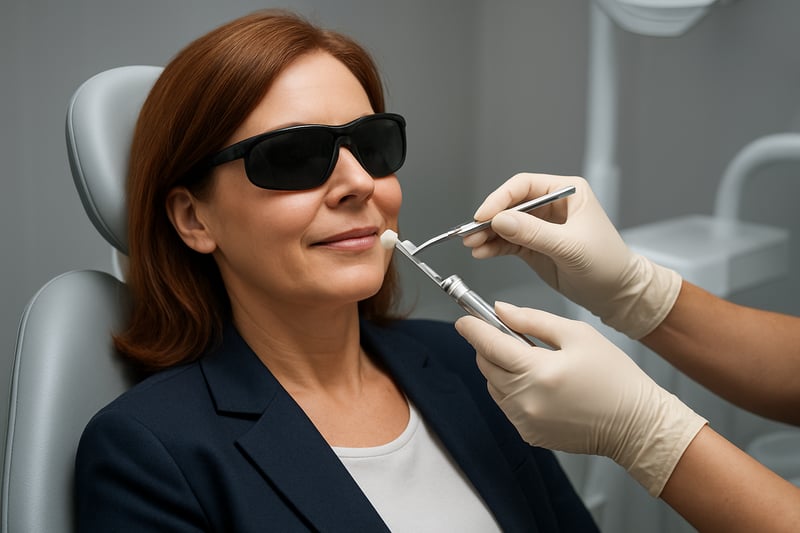
Identifying the Warning Signs That Your Dental Crown Needs Replacement
Dental crowns are durable restorations, yet they are subject to natural wear and environmental changes over time. Clinical studies indicate that while survival rates for various crown materials like zirconia and metal-ceramic often exceed 90% over five years, individual factors can influence their longevity1,4. Patients should monitor their restorations closely for subtle shifts in fit or comfort to ensure the underlying tooth remains protected from secondary decay or structural failure.
Sensitivity to temperature or pressure often is a n early indicator that the marginal integrity of the crown has been compromised. If you experience a persistent feeling of looseness or notice that the crown shifts during mastication, estethica Global recommends an immediate professional evaluation to prevent further complications. Ignoring these symptoms can lead to the exposure of the tooth structure, which may necessitate more complex interventions than a simple replacement.
Periodontal Health and Restoration Integrity
The health of the gingival tissue surrounding your restoration is essential for maintaining the stability of the dental crown. Inflammation, bleeding, or noticeable recession at the gum line can indicate that plaque is accumulating at the margin, potentially undermining the support structure of the tooth. When the crown margin becomes exposed or difficult to clean with standard oral hygiene practices, a consultation at estethica Global helps determine whether the restoration requires repair or a full replacement to preserve oral health.
Expert Tips for Maintaining Oral Hygiene Around Crown Restorations
Maintaining the integrity of dental crowns requires a rigorous daily routine focused on the margin where the restoration meets the natural tooth structure. Plaque buildup in this specific area can compromise the cementation interface, potentially leading to secondary decay or gingival inflammation. Clinical studies have shown that zirconia-based crowns often achieve survival rates as high as 95.9%, provided that patients adhere to strict hygiene protocols to prevent bacterial colonization at the crown-gum junction1.
Incorporating interdental cleaning aids is essential because standard toothbrush bristles often fail to reach the complex contours of prosthetic restorations. Dental professionals at estethica Global recommend using water flossers or specialized interdental brushes to effectively dislodge debris from beneath the crown margins. By consistently removing plaque from these vulnerable areas, patients help ensure the longevity of their restorations, which have demonstrated 5-year survival rates of approximately 93.3% for all-ceramic systems in meta-analysis studies4.
Professional Oversight and Long-Term Care
Routine dental examinations allow the clinical team to monitor the health of the gingival tissue and the mechanical stability of the crown. During these appointments, experts assess potential occlusal wear and verify that the restoration remains securely seated, which is critical for long-term functional success. Since lithium disilicate glass-ceramic restorations have shown exceptional cumulative survival rates over a decade, professional maintenance remains the most effective way to protect your investment in dental health2.

Supporting Your Dental Implant and Surrounding Crown Restorations
When a crown is placed over a dental implant, the structural requirements for maintenance shift slightly compared to a restoration placed on a natural tooth root. Because an implant integrates directly with the jawbone, it lacks the periodontal ligament that provides natural cushioning and sensory feedback to a biological tooth. Consequently, the mechanical connection between the abutment and the crown requires diligent monitoring to ensure the long-term success of your dental implant investment.
The primary concern when managing a crown supported by a dental implant is the prevention of peri-implantitis, an inflammatory condition that can compromise the bone support around the metal post. Maintaining the health of the surrounding gum tissue is critical, as any infection in the soft tissue can quickly progress to the underlying bone structure. To protect your dental implant, consider the following maintenance protocols:
- Use non-abrasive toothpaste to prevent surface scratching on the crown, which can create microscopic niches for bacteria to accumulate at the junction of the implant and the gum line.
- Incorporate an interdental brush or specialized floss designed for implants to clean the space beneath the crown margin, where traditional bristles often fail to reach.
- Schedule professional cleanings at a higher frequency than standard dental checkups, as the early detection of inflammation around a dental implant is significantly easier to treat than advanced bone loss.
- Monitor the stability of the restoration for any signs of loosening, as the screw-retained or cemented crown may require periodic adjustment by a specialist to ensure the mechanical integrity of the implant hardware remains intact.
Beyond cleaning, the distribution of biting forces plays a vital role in the durability of your restoration. Excessive grinding or clenching, known as bruxism, can exert lateral pressure that exceeds the physiological tolerance of the implant. If you suffer from nocturnal teeth grinding, a custom-fitted occlusal guard is essential. By reducing the intensity of these forces, you minimize the stress transferred to the implant fixture and the crown, effectively extending the lifespan of your restorative work. Ultimately, viewing your implant as a sophisticated mechanical system that requires specific, consistent care will help ensure that your restoration remains functional and aesthetically pleasing for many years to come.
Material Selection and Application Techniques
Maintenance Requirements and Follow-up Care
Frequently Asked Questions
Who is not a suitable candidate for receiving modern teeth crowns?
What are the common signs that your dental crown needs replacement?
How do dental crowns compare to veneers regarding restorative dentistry?
Is it true that modern dental crown care requires special cleaning tools?
What should patients expect during the recovery period after crown placement?

Wondering if a Dental Crown is Right for You?
Speak with our clinical team to understand the best options for your long-term dental health.
References
Superscript numbers in the content correspond to the references listed below.
- National Center for Biotechnology Information (NCBI) — SUMMARY OF EVIDENCE - Porcelain-Fused-to-Metal Crowns versus All-ceramic Crowns: A Review of the Clinical and Cost-Effectiveness
- PubMed (Journal of Prosthetic Dentistry) — Ten-year survival of pressed, acid-etched e.max lithium disilicate monolithic and bilayered complete-coverage restorations: Performance and outcomes as a function of tooth position and age
- PubMed (Journal of Oral Rehabilitation) — Five-year results of a prospective randomised controlled clinical trial of posterior computer-aided design-computer-aided manufacturing ZrSiO4 -ceramic crowns
- PubMed (Clinical Oral Implants Research) — A systematic review of the survival and complication rates of all-ceramic and metal-ceramic reconstructions after an observation period of at least 3 years. Part I: Single crowns