


Explore effective micropenis treatment options, including hormonal therapy and surgical procedures. Learn about diagnosis, recovery, and specialist consultation.
Micropenis treatment options involve medical interventions such as hormonal therapy or reconstructive surgery to address congenital penile hypoplasia. These approaches aim to improve both functional outcomes and psychological well-being for individuals diagnosed with this condition. Understanding the available clinical pathways is essential for making informed decisions regarding long-term health and quality of life.
Understanding Medical Diagnosis and Hormonal Therapy for Micropenis
Medical professionals define a micropenis based on specific measurements of stretched penile length, which fall more than 2.5 standard deviations below the mean for a given age group3. In full-term neonates, this typically equates to a length of less than 1.9 cm, while adult clinical definitions often cite a length of 6.8 cm or less1, 3. A formal diagnosis requires a thorough evaluation by a pediatric urologist or endocrinologist to rule out underlying genetic syndromes or hormonal deficiencies that impact physical development.
Early intervention is prioritized because the body exhibits the highest responsiveness to androgen stimulation during infancy2. Specialists at estethica Global emphasize that identifying the root cause of the condition is essential before starting any therapeutic regimen. Diagnostic tests often include blood panels to assess testosterone levels and chromosomal analysis to ensure that hormonal therapy is the appropriate course of action for the patient.
The Role of Hormonal Interventions
Testosterone therapy remains the primary medical treatment for micropenis and is highly effective in prepubertal boys who lack androgen receptor mutations2, 4. The administration of treatments like testosterone enanthate promotes significant growth in penile tissue by stimulating androgen receptors during critical windows of development4. Physicians monitor progress using standardized growth charts to ensure the treatment effectively addresses the patient's specific needs while maintaining a safe hormonal balance.
Clinical management requires consistent oversight to adjust dosages and track physiological changes through Tanner staging. While hormonal therapy improves penile length, estethica Global highlights that patients must be evaluated for potential underlying conditions, such as SRD5A2 mutations, which might render standard testosterone treatments ineffective4. This systematic approach ensures that patients receive tailored care that optimizes both functional and anatomical outcomes.
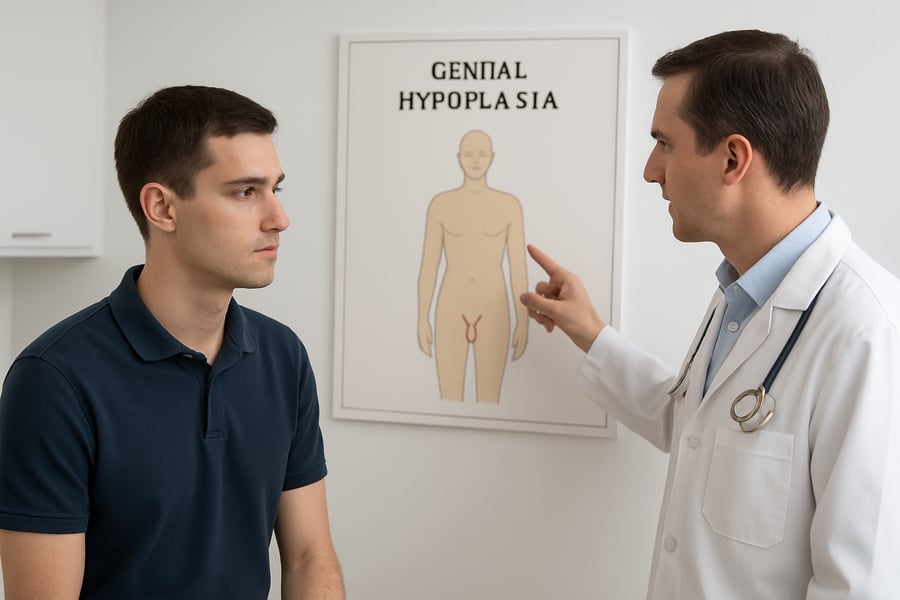
Evaluating Effective Micropenis Treatment Options and Surgical Procedures
Medical diagnosis of micropenis is established when the stretched penile length (SPL) falls more than 2.5 standard deviations below the average, specifically measuring 6.8 centimeters or less in adult males3. While average penis size varies globally, clinical intervention at estethica Global focuses on patients whose measurements meet the threshold for micropenis rather than those seeking cosmetic adjustments for average anatomy. Testosterone therapy often serves as the initial treatment modality, particularly during infancy, to stimulate growth and improve functional outcomes2,4.
Surgical reconstruction becomes a necessary consideration when hormonal therapies fail to achieve the desired growth or when patients seek structural correction in adulthood. The surgical team at estethica Global use advanced urological reconstructive techniques designed to optimize both aesthetic appearance and urinary function. These procedures are highly personalized to account for individual anatomical variations and the specific needs of the patient1.
Surgical Approaches and Patient Care
Professional psychological support is integrated into the care pathway at estethica Global to ensure patients maintain realistic expectations regarding surgical outcomes and the recovery process. thorough consultations allow surgeons to assess whether anatomical limitations can be safely addressed through reconstructive methods. By combining technical surgical expertise with a patient-centered approach, the medical team provides thorough guidance through every stage of the treatment journey.
Navigating the Estethica Global Micropenis Consultation and Specialist Selection
Professional medical assessment for a small penis requires a thorough understanding of anatomical benchmarks, as clinical definitions identify a micropenis when the stretched penile length is less than 2.5 standard deviations below the mean, specifically measuring 6.8 centimeters or less in adults1,3. estethica Global provides specialized consultations that integrate these diagnostic standards to differentiate between anatomical concerns and variations within the range of average penis size. Patients benefit from a rigorous evaluation process that prioritizes underlying hormonal health and structural integrity before any intervention is discussed.
Treatment paths at estethica Global are tailored to the individual, often incorporating evidence-based approaches like testosterone therapy, which has shown significant efficacy in promoting growth when initiated during early developmental stages2,4. Specialists focus on realistic, measurable outcomes while maintaining full transparency regarding the limitations and potential risks of surgical or hormonal procedures. By choosing estethica Global, patients gain access to a multidisciplinary team that adheres to high safety protocols, ensuring that every step of the journey is backed by clinical data and responsible medical practice.
Consultation Pricing and Service Tiers
Selecting the appropriate pathway involves understanding the scope of care, from initial diagnostic screening to long-term follow-up support. The following table outlines the service packages available at estethica Global for those seeking professional guidance regarding penile health and aesthetic concerns.

Recovery Timelines and Long-Term Results for Penile Reconstructive Surgery
Patients undergoing surgical correction for micropenis must prioritize adherence to post-operative care instructions to ensure optimal tissue integration and functional success. Initial recovery typically involves several weeks of restricted physical activity, during which time specialized dressings and medications are employed to manage comfort and prevent infection. Clinical guidelines define adult micropenis as a stretched penile length of 6.8 centimeters or less, and surgical success is measured by the ability to improve both aesthetic appearance and urological function3. estethica Global provides patients with a structured recovery framework to minimize downtime while promoting long-term healing.
The stabilization period for reconstructive results spans several months, as the surgical site requires time to remodel and reach its final state. Regular follow-up appointments are mandatory to monitor physiological progress and address any potential complications early in the healing process. While hormone therapies are often the first line of intervention for younger patients to stimulate growth2, surgical options in adulthood focus on structural reconstruction and long-term patient satisfaction. Success is often correlated with the patient's commitment to following the specific recovery protocols outlined by the surgical team at estethica Global.
Key Aspects of the Recovery Process
The following table outlines the essential features and benefits associated with the post-operative recovery phase for penile reconstruction.

Clinical Evaluation and Therapeutic Methodologies
Process Transparency and Follow-up Procedures
Frequently Asked Questions
Who is not considered a suitable candidate for urological reconstructive surgery?
What are the typical recovery timelines following phalloplasty or related procedures?
Is it true that hormonal therapy for micropenis can be used at any age?
What is the primary difference between a penis size medical diagnosis and cosmetic concerns?
What are the potential long-term safety risks associated with penile augmentation procedures?

Explore Your Clinical Treatment Options
Gain clarity on medical pathways, hormone therapy, and surgical interventions with our experienced clinical team.
References
Superscript numbers in the content correspond to the references listed below.
- National Center for Biotechnology Information (NCBI) / StatPearls — Micropenis - StatPearls
- PubMed Central (PMC) / NIH — Micropenis in Children and Adolescents: A Narrative Review
- Cleveland Clinic — Micropenis: Causes, Symptoms, Diagnosis & Treatment
- PubMed — Testosterone enanthate therapy is effective and independent of SRD5A2 and AR gene polymorphisms in boys with micropenis