


Discover the latest insights on microblading eyebrows, a semi-permanent technique that enhances natural beauty with minimal maintenance and expert application.
Microblading eyebrows, a semi-permanent cosmetic procedure, involves manually depositing pigment into the skin to create natural-looking hair strokes. This technique enhances eyebrow appearance by providing fuller, well-defined brows with minimal maintenance. The process use a fine blade to implant pigment, resulting in a realistic mimicry of natural hair., we explore how microblading improves eyebrow aesthetics, the procedure's safety considerations, and the benefits it offers for various individuals seeking cosmetic enhancement.
Overview
Microblading eyebrows is a semi-permanent cosmetic technique designed to enhance the appearance of eyebrows by creating fine, natural-looking hair strokes. Using a specialized hand-held tool fitted with ultra-fine needles, pigment is deposited into the skin’s dermal layer, allowing for precise replication of eyebrow hairs. This technique is especially beneficial for individuals with thin, sparse, or uneven brows seeking a fuller, well-defined look without daily makeup application.
The procedure starts with a detailed consultation where estheticians at estethica Global discuss the client’s preferences, facial structure, and ideal eyebrow shape. The technician carefully maps out the brows to ensure symmetry and tailor the design to suit the client’s features. During the session, the blade technique enables controlled pigment implantation, which results in natural strokes that blend smooth with existing eyebrow hair. Pigments are chosen based on their longevity and color retention, though none of these pigments are FDA-approved for injection into the skin, highlighting the importance of selecting experienced and qualified professionals for safety and optimal results12.
After microblading, mild redness or swelling may occur but usually fades within a few days, allowing the client to enjoy immediate improvements in brow fullness. The results typically last from several months up to two years depending on factors such as skin type, lifestyle, and pigment quality. Periodic touch-ups are recommended to maintain the crispness and color vibrancy of the microbladed eyebrows. This minimally invasive procedure offers a convenient and effective alternative to eyebrow tattooing or daily eyebrow makeup, providing a natural aesthetic enhancement without extensive downtime.
Who Is It For?
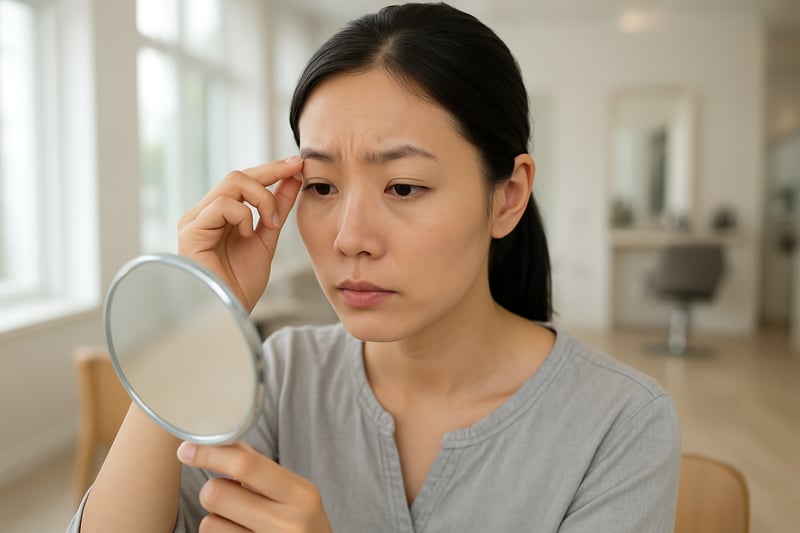
Microblading eyebrows is an ideal cosmetic solution for individuals seeking to enhance their natural facial features with semi-permanent results. Those experiencing sparse, thin, or uneven eyebrows often choose this procedure to create a fuller, more symmetrical look that frames the face attractively. It is also highly recommended for people who have lost eyebrow hair due to medical conditions such as alopecia, chemotherapy, or simply as a result of aging and over-plucking, providing a natural and lasting alternative to daily makeup application.
Candidates for microblading should maintain realistic expectations about the outcomes and understand that the procedure requires proper aftercare to ensure the best results. People with sensitive skin or existing dermatological conditions like eczema or psoriasis in the eyebrow area need to seek professional advice before undergoing treatment to avoid complications. Also, individuals prone to keloid scarring or those with allergies to pigments, particularly those containing metals, should perform patch tests to minimize the risk of adverse reactions, as safety depends heavily on pigment quality and hygienic practices13.
Microblading also appeals to those looking for a time-saving, semi-permanent option to reduce their daily makeup routine. It allows customization of eyebrow shape and color to complement different face shapes, enhancing overall aesthetic balance. During consultations at estethica Global, personal goals and medical history are thoroughly reviewed to tailor the procedure to each client’s unique needs, ensuring optimal and safe results. This personalized approach makes microblading suitable not only for cosmetic enhancement but also for restorative purposes, close the gap between beauty and medical aesthetics.
How the Process Works
The microblading eyebrow procedure begins with an in-depth consultation where the technician evaluates the client's skin type, facial structure, and personal preferences to tailor the treatment So. This initial assessment is important for determining the ideal eyebrow shape and pigment color that will complement the individual's natural features while achieving the desired look. Using specialized tools, the technician careful maps out the brow design, ensuring symmetry and balance before proceeding.
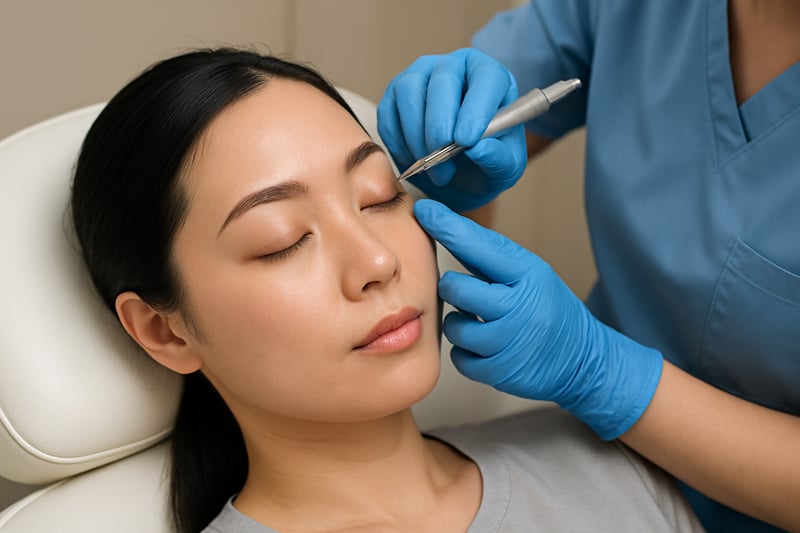
During the microblading session, a sterile, ultra-fine blade is used to implant pigment into the upper dermal layer of the skin. This technique produces delicate, hair-like strokes that blend smooth with existing eyebrow hairs, creating a natural, fuller appearance. The choice of pigment is carefully matched to the client's skin tone and undertone, prioritizing both aesthetic harmony and pigment safety. Due to regulatory gaps in approved tattoo inks for cosmetic use, it is essential to use pigments from trusted sources to reduce potential risks12.
Preparation and Technique
Before the procedure starts, the eyebrow area is thoroughly cleansed to minimize infection risk, followed by the application of a topical anesthetic to ensure client comfort throughout the process. The manual blade allows the technician precise control over stroke depth, length, and angle, enabling the creation of realistic, textured brows that mimic natural hair growth patterns. This technique differs from traditional tattooing, emphasizing artistry and subtlety for a soft, natural finish.
Post-Procedure Care
Proper aftercare is vital to preserve the longevity and appearance of microbladed eyebrows. Clients should avoid activities that cause excessive sweating, direct sun exposure, or the use of exfoliating skincare products around the treated area during the initial healing phase, which typically lasts about seven days. During this time, some scabbing or pigment lightening is normal. A follow-up touch-up session is generally scheduled 4 to 6 weeks after the initial treatment to perfect the shape and color. With appropriate care and maintenance, microbladed eyebrows can last between one to three years before requiring additional touch-ups.
The microblading process combines technical skill and artistic precision, requiring a trained professional to ensure safe application and natural-looking results. Awareness of hygiene standards and pigment safety remains critical, as highlighted by recent studies indicating gaps in knowledge and regulation within the industry13. Choosing an experienced technician, such as those at estethica Global, helps minimize risks and aims to support a high-quality outcome.
Benefits and Limitations
Microblading offers a highly effective solution for achieving natural-looking, fuller eyebrows that reduce the need for daily makeup application. The technique is customizable, allowing adjustments in shape, color, and density to complement individual facial features and preferences. Recovery time is generally quick, with only minor discomfort, making it an appealing option for those seeking a low-maintenance yet enhanced eyebrow appearance.
The longevity of microblading results varies depending on factors such as skin type, lifestyle habits, and pigment quality. As a semi-permanent procedure, touch-ups are necessary to maintain optimal results, typically occurring every 12 to 18 months. Without proper aftercare or if performed by an unqualified technician, risks increase for uneven fading, pigment discoloration, or infection. Hygiene standards are important, as documented gaps in sanitation practices can lead to allergic reactions or skin complications3.
Not all individuals are suitable candidates for microblading. Those with certain skin conditions, allergies, or sensitivities may experience adverse reactions, and consultation with a qualified specialist is essential to assess risks and set realistic expectations. Also, regulatory bodies such as the FDA have not approved pigments specifically for intradermal tattooing, emphasizing the importance of choosing experienced professionals who use high-quality, safe pigments compliant with regional regulations12.
Microblading is a valuable cosmetic procedure for enhancing eyebrow aesthetics, but it demands careful consideration regarding safety and maintenance. The variability in pigment regulation highlights the importance of selecting licensed professionals who adhere to stringent hygiene and quality standards. Consultation with specialists at estethica Global ensures the procedure match individual health profiles and aesthetic goals, minimizing risks and optimizing the benefits of microbladed eyebrows.
Recovery and Next Steps
After undergoing the microblading eyebrows procedure, it is common to experience mild swelling, redness, and tenderness around the treated area. These symptoms are typically temporary and subside within a few days as the skin begins its natural healing process. During this phase, scabbing or flaking may develop, signaling the skin's recovery and pigment settling. Adhering strictly to the aftercare instructions provided by estethica Global technicians is important to avoid infection and ensure the pigment remains lively and well-retained.
Proper aftercare involves avoiding excessive moisture, such as swimming or heavy sweating, and steering clear of direct sun exposure, which can cause premature fading or discoloration. Clients should also refrain from using exfoliating products, retinoids, and certain skincare ingredients near the eyebrows during the initial healing period. These precautions minimize the risk of irritation or pigment loss, allowing the microbladed eyebrows to heal smoothly and maintain their natural appearance.
Scheduled touch-up sessions are an essential part of the microblading journey, usually recommended 4 to 6 weeks after the original procedure. These appointments enable the technician to refine the eyebrow shape, address any patchy areas, and enhance color intensity for a flawless finish. The durability of microblading eyebrows varies depending on factors like skin type, lifestyle habits, and pigment quality, with results typically lasting between one to three years before requiring a refresh.
Consulting with a certified and experienced professional at estethica Global prior to treatment helps determine individual suitability and sets realistic expectations for the outcome. Emphasizing proper healing protocols and regular maintenance appointments ensures the longevity of natural-looking, well-defined eyebrows that complement your facial features. Awareness of pigment safety standards remains important, given that pigments for microblading are considered cosmetics but lack FDA approval for intradermal use, highlighting the need for trusted professionals and quality products12.

Defining What Is Microblading and Its Artistic Precision
To truly grasp what is microblading, one must view it as an intricate form of permanent makeup artistry rather than a standard tattoo. While traditional cosmetic tattooing often uses a machine to fill in color, the manual technique of microblading focuses on the precise creation of individual, hair-like strokes. By using a handheld tool composed of tiny needles, the technician carefully deposits pigment into the upper dermal layer of the skin, mimicking the natural direction and flow of your existing eyebrow hairs.
Understanding what is microblading involves recognizing the importance of the pigment selection and the depth of the application. Unlike conventional ink, which can change color or blur over time, the pigments used in this procedure are specifically formulated to fade naturally. This allows for adjustments in shape and color as your facial structure or preferences evolve over the years. The goal is to achieve a result so subtle that it becomes indistinguishable from your own biological growth.
When considering what is microblading, it is helpful to look at the specific technical requirements that define the practice:
- Manual precision: The technician maintains full control over the pressure and angle of every stroke, ensuring a custom fit for your brow bone.
- Layered depth: By carefully controlling the pigment deposit, the procedure creates a three-dimensional effect that adds volume and density where hair may be thinning.
- Customized mapping: Every session begins with a rigorous design phase where the brow shape is drawn to perfectly complement your facial symmetry, ensuring the final results are balanced and aesthetically pleasing.
Ultimately, what is microblading is a marriage of science and beauty. It requires a deep understanding of skin anatomy and color theory to ensure the pigment settles correctly without migrating under the skin. Because the procedure is performed manually, it offers a level of refinement that is difficult to replicate with automated equipment. By focusing on the architecture of the brow, this method provides a sophisticated solution for those seeking to enhance their natural features with long-lasting accuracy. This precision-based approach is why many individuals choose this method to address sparse areas or to redefine the arch of their brows with confidence.
Microblading Technique and Application Process
Post-Procedure Follow-Up and Outcome Management
Frequently Asked Questions
Who should avoid undergoing the microblading eyebrow procedure?
What preparations are recommended before a microblading eyebrow procedure?
How long is the recovery period after the microblading eyebrow procedure?
Is it true that microblading eyebrows can cause allergic reactions or infections?
What are the differences between microblading eyebrows and traditional eyebrow tattooing?

Discover How Microblading Can Enhance Your Look Today
Explore expert insights to decide if microblading is right for you
References
Superscript numbers in the content correspond to the references listed below.
- National Institutes of Health (NIH) / PubMed Central — Eyebrow Microblading: Science, Art, and Complications
- U.S. Food and Drug Administration (FDA) — Tattoos & Permanent Makeup: Fact Sheet
- National Institutes of Health (NIH) / PubMed Central — A thorough evaluation of safety and awareness in eyebrow microblading: a cross-sectional study