

Learn about managing keloid scarring after plastic surgery. Explore prevention strategies, advanced medical treatments, and effective post-operative care.
Keloid scarring after plastic surgery is a pathological fibroproliferative disorder characterized by the overgrowth of dense collagen tissue that extends beyond the original surgical incision site. This condition arises from wound healing dysregulation, where excessive fibroblast proliferation leads to raised, firm lesions that do not regress spontaneously. Understanding the underlying mechanisms of this response is essential for patients seeking to manage their post-operative recovery effectively.
Understanding the Difference Between Hypertrophic Scars and Keloids
Accurate diagnosis of scar tissue is essential for patients undergoing cosmetic surgery, such as rhinoplasty or breast reduction surgery, as management protocols differ between scar types. Hypertrophic scars remain strictly confined to the original incision site and often show signs of natural regression over time1. In contrast, keloid formation is characterized by a persistent inflammatory response that causes the scar to expand into surrounding healthy skin, often failing to subside without professional intervention.
Histological analysis highlights that keloids lack the organized, wavy collagen patterns typically observed in hypertrophic scars. Instead, keloids present with dense, disorganized collagen bundles that contribute to their firm, raised appearance1. estethica Global emphasizes that identifying these structural differences early allows for tailored preventative measures, such as the use of silicone gel sheeting, which has shown statistically significant results in high-risk patients2.
Clinical management at estethica Global often begins with non-invasive or minimally invasive strategies to control fibroproliferative activity. Intralesional injections of corticosteroids, such as triamcinolone acetonide, serve as a primary treatment option to reduce scar volume and suppress the inflammatory processes driving keloid growth3. Patients concerned about potential scarring following procedures like a tummy tuck or face lift should consult with a surgeon to discuss individual risk factors and proactive treatment plans.
Clinical Comparison Overview
Proven Strategies for Preventing Keloid Scarring After Plastic Surgery
Preventing pathological scarring requires a proactive approach during the early stages of wound healing. Surgeons at estethica Global emphasize tension reduction and precise closure techniques to minimize mechanical stress on the healing skin, which is a primary trigger for keloid formation. Patients influence their outcomes by strictly adhering to post-operative care protocols that support healthy tissue regeneration and reduce inflammation.
Clinical evidence supports the use of silicone gel or silicone gel sheeting as a gold-standard intervention for scar management. These materials maintain an optimal, hydrated environment for collagen deposition, which is particularly beneficial for individuals at high risk of developing abnormal scars2. While hypertrophic scars often stay within the original injury site, keloids expand beyond those borders, making early and consistent intervention essential for long-term aesthetic success1.
Managing scar development often requires a tiered approach tailored to the specific procedure, whether it involves a rhinoplasty, breast reduction surgery, or a tummy tuck. estethica Global provides specialized post-operative care packages to ensure patients have access to the necessary tools for effective scar maturation. Advanced treatments, including intralesional corticosteroid injections like triamcinolone acetonide, remain a primary clinical option if early signs of excessive scar tissue appear3.
Post-Operative Scar Care Packages
Advanced Medical Treatments for Keloid Removal and Scar Revision
Keloids represent a distinct pathological condition where collagen deposits extend beyond the original injury site, unlike hypertrophic scars which remain contained1. Intralesional corticosteroid injections serve as the primary intervention, using agents like triamcinolone acetonide at concentrations between 10–40 mg/ml to suppress fibroblast proliferation and modulate the inflammatory response3. Specialists at estethica Global tailor these concentrations to the specific density and age of the lesion to optimize patient outcomes.
Silicone-based therapies provide a non-invasive, evidence-based approach for both scar prevention and the management of existing keloids. Clinical meta-analyses indicate that consistent application of silicone gel or sheeting yields statistically significant improvements in scar texture and elevation for patients at high risk of keloid formation2. These topical treatments are frequently integrated into the post-operative recovery protocols at estethica Global to ensure long-term aesthetic stability following cosmetic surgeries such as rhinoplasty or breast reduction surgery.
Modern Therapeutic Approaches
Advanced laser scar revision therapy addresses the vascularity and structural irregularities of persistent keloids by targeting the blood vessels feeding the lesion. When combined with cryotherapy to devitalize excess tissue, these modalities offer a thorough strategy for flattening hypertrophic and keloid scars. For patients seeking surgical excision, estethica Global implements adjuvant therapies alongside the procedure to disrupt the transforming growth factor-beta (TGF-beta) signaling pathways, reducing the likelihood of recurrence.
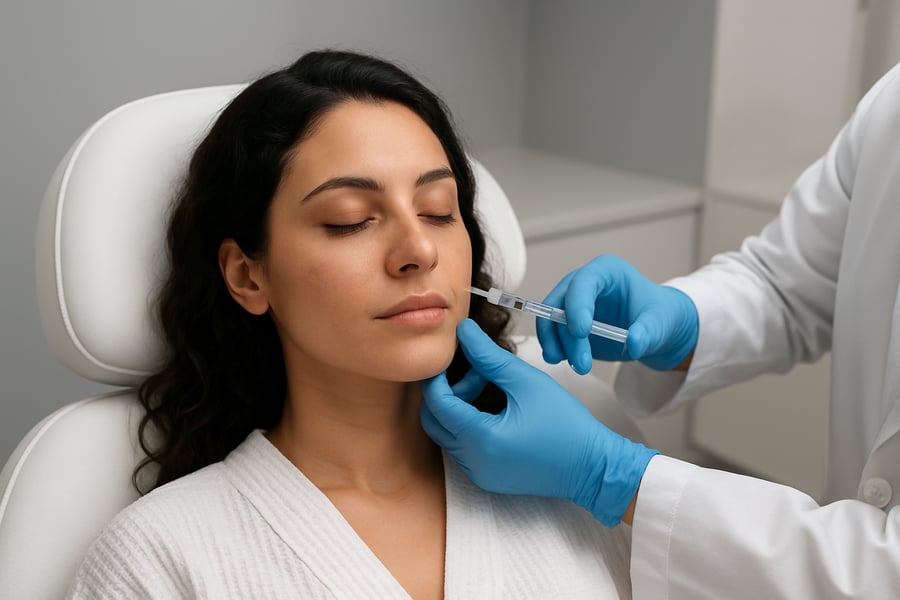
Estethica Global Protocols for Effective Post-Operative Scar Management
estethica Global employs advanced clinical strategies to reduce the risk of keloid scarring, distinguishing between hypertrophic formations and true keloids through rigorous histological understanding. While hypertrophic scars remain confined to the original injury site, keloids expand beyond these borders, necessitating early intervention protocols1. By monitoring patients from initial consultation through the entire recovery phase, the medical team at estethica Global identifies potential healing irregularities before they manifest as permanent aesthetic concerns.
Proactive scar management at estethica Global incorporates evidence-based topical treatments, such as silicone gel sheeting, which has demonstrated statistically significant efficacy in preventing abnormal scar proliferation2. These specialized barriers are integrated into the post-operative care routine to optimize collagen regulation and tissue remodeling. Each patient receives a customized regimen that balances wound hygiene with necessary activity restrictions to ensure the surgical site remains stable during the critical stages of healing.
Clinical interventions for patients demonstrating a genetic predisposition to keloids may include intralesional corticosteroid injections as part of a thorough management plan. using agents like triamcinolone acetonide allows estethica Global practitioners to effectively manage inflammation and inhibit excessive fibroblast activity3. This personalized approach to aesthetic medicine ensures that patients undergoing procedures such as rhinoplasty, tummy tuck, or breast reduction receive the highest standard of care to achieve smooth, natural-looking results.
Clinical Assessment and Pathological Identification
Transparency, Safety, and Recovery Expectations
Frequently Asked Questions
Who is considered a high-risk candidate for developing keloid scarring after plastic surgery?
What preventative steps can be taken during the pre-operative phase to minimize keloid scarring after plastic surgery?
How does the recovery timeline for keloid management differ from standard post-surgical healing?
Is it true that keloid scarring after plastic surgery can be completely prevented in all patients?
What is the primary difference between a hypertrophic scar and keloid scarring after plastic surgery?

Concerned About Post-Surgery Scarring?
Get professional guidance on managing your recovery and scar health from our specialist team.
References
Superscript numbers in the content correspond to the references listed below.
- StatPearls Publishing (via NIH) — Hypertrophic Scarring Keloids - StatPearls
- NCBI Bookshelf (via NIH) — Silicone Gel for Scar Prevention - Textbook on Scar Management
- NCBI Bookshelf (via NIH) — Minimal-Invasive Technologies for Treatment of HTS and Keloids: Corticosteroids - Textbook on Scar Management