


Learn about gynecomastia surgery, including causes, surgical techniques, and recovery. Discover how to achieve a masculine chest contour with expert guidance.
Gynecomastia surgery is a plastic and reconstructive surgery procedure designed to reduce enlarged male breast tissue for a flatter, more masculine chest contour. This intervention addresses both glandular proliferation and excess adipose tissue, helping individuals achieve their desired physical appearance. Understanding the underlying causes and surgical options is essential for those considering this corrective approach.
Understanding the Differences Between Pseudogynecomastia and True Gynecomastia
True gynecomastia involves the actual proliferation of glandular breast tissue, a process often driven by hormonal shifts such as an improve estrogen-to-testosterone ratio3. This condition typically presents as a firm, rubbery, or disc-like mass that resides directly beneath the nipple-areolar complex1. In contrast, pseudogynecomastia is primarily a result of adipose tissue accumulation, where the increase in breast volume is caused by localized fat deposits rather than glandular growth4.
Physical examination remains the most reliable method for distinguishing between these two conditions, as the texture and consistency of the tissue provide clear diagnostic clues. When performing a physical assessment, a surgeon at estethica Global will evaluate the resistance of the mass; true gynecomastia offers a palpable, firm resistance, whereas pseudogynecomastia is characterized by soft, compressible fatty tissue that lacks a distinct glandular core2. Understanding this fundamental difference is essential, as the surgical strategy for male breast reduction varies depending on whether the primary concern is glandular excision or fat removal via liposuction.
Clinical Comparison of Breast Enlargement Types
Choosing the right surgical approach depends on the underlying tissue composition. While true gynecomastia requires the precise removal of glandular structures to prevent recurrence, pseudogynecomastia is often effectively treated through body contouring techniques focused on fat reduction.

What to Expect During Your Gynecomastia Surgery Consultation at Estethica Global
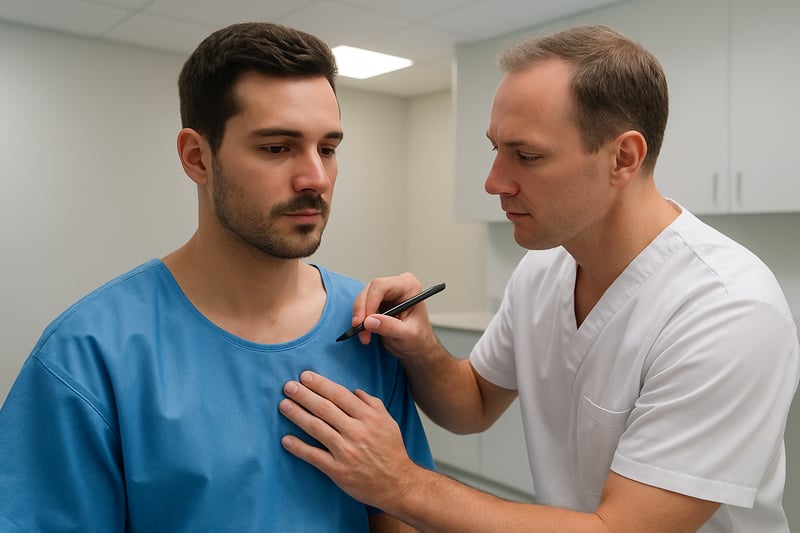
A consultation at estethica Global serves as the foundational step in addressing gynecomastia symptoms. Specialists conduct a thorough physical examination to differentiate between true gynecomastia, which involves glandular proliferation, and pseudogynecomastia, caused primarily by localized fat deposition4. By palpating the chest area, surgeons identify the presence of firm tissue beneath the nipple-areolar complex, a key indicator that distinguishes true glandular growth from simple adipose tissue accumulation1, 2.
The assessment process focuses on tailoring a surgical plan that match the patient's unique anatomy and health profile. Surgeons at estethica Global review medical history in detail to identify potential hormonal imbalances or other underlying factors that may contribute to breast enlargement3. This diagnostic precision ensures that the recommended approach, whether it involves direct excision of fibroglandular tissue or targeted liposuction for male chest contouring, provides the most effective results.
Consultation Benefits and Considerations
Open dialogue during the consultation allows patients to voice their aesthetic goals and gain a realistic understanding of the recovery process. Professionals provide clear expectations regarding surgical outcomes, including potential scarring and the timeline for returning to regular activities. This transparent exchange helps reduce pre-surgical anxiety and ensures that every patient feels confident in their decision to proceed with body contouring.
Surgical Techniques for Male Breast Reduction and Glandular Tissue Removal
True gynecomastia involves the proliferation of glandular tissue, distinct from pseudogynecomastia which is characterized by localized fat deposition4. Physicians differentiate these conditions through physical examination, where true gynecomastia presents as a firm, palpable tissue mass located directly beneath the nipple-areolar complex, whereas pseudogynecomastia lacks this internal resistance1, 2. estethica Global employs advanced diagnostic protocols to ensure the chosen surgical intervention addresses the specific nature of the excess tissue, whether it requires excision of firm glandular structures or the aspiration of adipose deposits.
Liposuction-assisted gynecomastia surgery is a n effective solution for patients primarily dealing with fatty tissue, using small incisions to contour the chest area with minimal scarring. When dense fibroglandular tissue is present, surgeons perform a subareolar mastectomy, often through a periareolar incision to discreetly remove the glandular mass while maintaining the integrity of the nipple-areolar unit2. For patients with significant tissue volume, an inframammary incision provides the necessary access to achieve a smooth, masculine aesthetic transition between the pectoral muscles and the surrounding anatomy.
Gynecomastia Treatment Packages
estethica Global provides customized surgical solutions tailored to the unique anatomy of each patient. The following table outlines standard service tiers designed to provide clarity on procedure inclusions and ideal candidate profiles.
Successful outcomes rely on the precise removal of the glandular disc, which often necessitates a careful balance of hormonal considerations in pubertal cases where the estradiol-to-testosterone ratio may be improve 3. By using modern body contouring techniques, estethica Global ensures that the chest is sculpted to match the patient's frame, effectively eliminating the physical and psychological burdens associated with gynecomastia symptoms. Each procedure is planned with the specific goal of achieving a natural, flat, and masculine chest contour that persists long after the recovery period.
Recovery Timeline and Long-Term Results for Chest Contouring Surgery
Recovery following male breast reduction at estethica Global involves a structured healing process where patients must wear compression garments to minimize swelling and support the new chest contours. While true gynecomastia involves the surgical removal of glandular tissue, distinguishing this from pseudogynecomastia—which is characterized by increased fat deposition—is essential for accurate surgical planning and predictable recovery outcomes4. Most patients return to non-strenuous daily activities within a few days, though complete resolution of post-surgical edema typically takes several weeks.
Physical activity must be restricted during the initial phases of healing to prevent complications and ensure the integrity of the incisions. Surgeons at estethica Global provide specific guidance on when to resume lifting and high-intensity exercise, as premature physical strain can affect the final aesthetic result. Monitoring the area for any irregularities is vital, especially since a firm tissue mass remains palpable in cases of true gynecomastia until the healing process is fully complete2.
Achieving and Maintaining Long-Term Contours
Long-term success relies heavily on the patient's commitment to a stable weight and a healthy lifestyle following the procedure. Because hormonal imbalances or significant fluctuations in body mass can impact chest appearance, maintaining consistent habits helps protect the surgical correction of glandular proliferation3. Patients who follow the personalized post-operative protocols established by the team at estethica Global typically experience a permanent improvement in chest definition and overall psychological confidence.

Benefits and Long-term Expectations of Breast Reduction Surgery
Choosing to undergo breast reduction surgery is a significant decision that extends far beyond simple aesthetic adjustments, offering profound psychological and physical improvements for many men. By effectively removing excess glandular and adipose tissue, this procedure restores a masculine chest profile that often remains unresponsive to traditional exercise or dietary efforts. Patients frequently report a substantial boost in confidence, allowing them to engage more freely in social and physical activities that were previously avoided due to self-consciousness regarding their chest appearance.
Beyond the immediate visual transformation, breast reduction surgery provides lasting functional benefits. Many individuals experience a reduction in physical discomfort, such as skin irritation or chafing caused by excess tissue friction during movement. The surgical correction ensures a more streamlined physique, which can make clothing fit more comfortably and improve overall body proportions. Understanding the long-term outcomes helps set realistic expectations for the permanence of the results:
- Maintenance of a stable body weight is crucial to prevent the recurrence of adipose tissue accumulation in the chest area.
- The removal of dense glandular tissue is typically permanent, ensuring that the primary cause of true gynecomastia is effectively addressed.
- Following the recommended post-surgical guidance regarding activity levels and compression garment usage significantly influences the final contouring success.
- Long-term satisfaction is highest among patients who maintain a balanced physical state and follow professional guidance regarding their post-operative care routines.
It is important to recognize that while the procedure is highly effective, the final outcome depends on the individual's anatomy and their commitment to sustaining the surgical improvements. Because the intervention permanently alters the tissue structure, patients generally enjoy a lifetime of improved chest definition. By focusing on the intersection of physical health and self-image, this surgery serves as a definitive solution for those seeking to resolve the persistent issues associated with enlarged male breast tissue. Consulting with a qualified surgeon about the specific goals of your breast reduction surgery will provide a clearer picture of how these long-term benefits align with your personal expectations for a flatter and more contoured chest appearance.
Surgical Techniques and Technological Integration
Operational Standards and Post-Procedural Care
Frequently Asked Questions
Who is generally considered an unsuitable candidate for gynecomastia surgery?
What specific steps are required during the preparation phase before glandular tissue removal?
How long is the typical recovery period following liposuction for male chest reduction?
Is it true that gynecomastia surgery effectively prevents the condition from returning?
What is the primary difference between glandular tissue removal and liposuction for male chest correction?

Considering Gynecomastia Surgery? Get Expert Clarity
Understand your options and achieve the masculine chest contour you desire with professional guidance from estethica Global.
References
Superscript numbers in the content correspond to the references listed below.