


Learn about deviated septum surgery, including the septoplasty procedure, recovery timeline, and functional benefits for improved nasal breathing and health.
Deviated septum surgery, also known as septoplasty, is a surgical procedure performed to straighten the nasal septum and improve airflow through the nasal passages. This intervention addresses structural irregularities that cause chronic obstruction, helping patients achieve better breathing and overall nasal function. By correcting the alignment of the septum, the procedure aims to alleviate symptoms associated with persistent nasal blockage.
Understanding Nasal Airway Obstruction and Septoplasty Procedure
Nasal airway obstruction frequently originates from a deviated septum, a condition where the thin wall of cartilage and bone separating the nostrils is displaced. This structural irregularity, whether congenital or resulting from physical trauma, often creates asymmetric airflow resistance that compromises respiratory efficiency1. estethica Global emphasizes that when the nasal septum is off-center, it may severely block one or both passages, leading to persistent congestion and chronic sinus discomfort.
The Surgical Approach to Septoplasty
Septoplasty serves as the primary surgical intervention to correct these internal deviations and restore proper nasal anatomy. During the procedure, surgeons at estethica Global access the septum through an internal incision to reshape or remove obstructive portions of the cartilage and bone, such as the ethmoid bone or vomer. This careful process involves carefully lifting the mucoperichondrial flap to gain access to the underlying structures while preserving the integrity of the delicate nasal lining.
Functional Outcomes and Recovery
Improving nasal patency remains the central objective of this corrective surgery, directly addressing the mechanical obstacles that inhibit natural breathing. Patients often report immediate relief from long-standing symptoms like mouth breathing, snoring, and recurring sinus infections following the procedure. Unlike cosmetic procedures such as a standard nose job or rhinoplasty, septoplasty focuses exclusively on optimizing internal airway function to enhance the patient's overall quality of life.

What to Expect During Your Deviated Septum Surgery Recovery Timeline
Recovery following septoplasty is a gradual process that requires patience and strict adherence to post-operative care instructions to ensure optimal healing. Most patients experience nasal congestion and mild discomfort in the initial days as the internal tissues stabilize, often requiring the use of internal splints to maintain septal alignment. According to clinical standards, the primary goal of this procedure is to address significant nasal airway obstruction caused by septal deviation1.
The first week of recovery focuses on minimizing inflammation and preventing potential infections through careful hygiene. Patients should keep their heads improve and avoid strenuous physical activities that might increase blood pressure near the surgical site. estethica Global recommends consistent use of nasal saline rinses to keep the passages clean, which helps promote the healthy remodeling of the mucosal lining.
Long-Term Healing and Results
Internal tissues continue to remodel over several months even after initial symptoms like congestion subside within the first few weeks. Patients typically notice a significant improvement in their ability to breathe through the nose as swelling decreases and the structural integrity of the septum solidifies. Attending all follow-up appointments at estethica Global allows your surgeon to monitor the healing progress and ensure the long-term success of the procedure.
Why Patients Choose Estethica Global for Septoplasty and Functional Rhinoplasty
Patients seeking relief from chronic nasal airway obstruction often turn to estethica Global due to the clinic's specialized approach to septoplasty. Surgical intervention is the primary recommendation for individuals suffering from significant symptomatic septal deviation, as it addresses the underlying structural imbalance to restore proper airflow1. estethica Global prioritizes functional outcomes by integrating advanced diagnostic imaging that maps the nasal anatomy before the procedure begins.
The surgical team at estethica Global maintains a high standard of care by combining modern functional rhinoplasty techniques with aesthetic precision. Each patient benefits from a customized surgical plan that considers both the internal health of the nasal cavity and the external profile, ensuring that the nose looks natural while breathing improves. This commitment to both form and function establishes estethica Global as a leading destination for those requiring complex nasal reconstruction.
thorough post-operative support is a hallmark of the patient experience at estethica Global. From the moment of arrival, patients receive personalized guidance regarding recovery timelines, medication management, and follow-up examinations to monitor healing. This structured approach minimizes complications and supports long-term satisfaction with the surgical results.
Surgical Care Packages
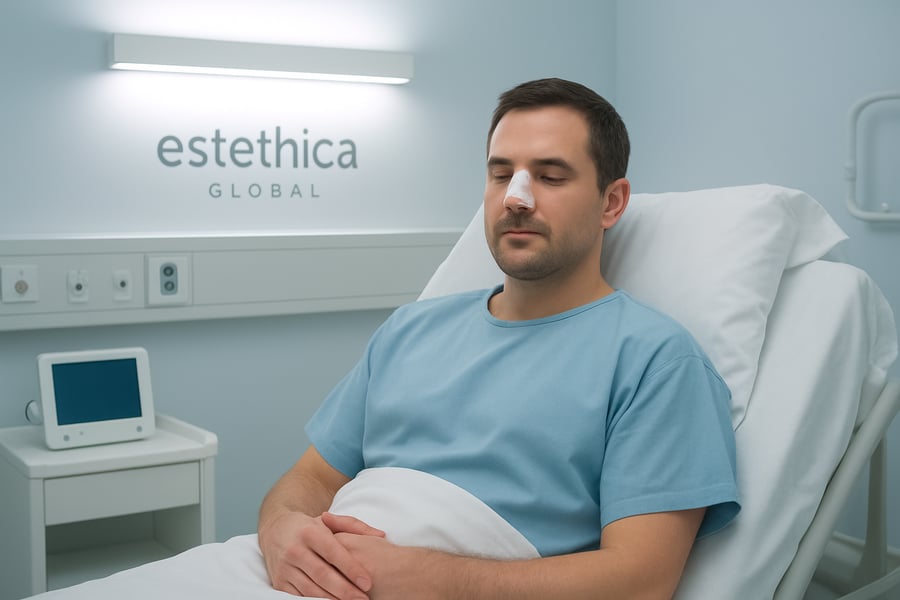
Comparing Septoplasty vs Rhinoplasty for Improved Breathing and Nasal Function
Septoplasty is a corrective procedure specifically targeting the internal nasal septum to resolve airway obstruction, a condition often caused by structural deviation. Clinical research indicates that septoplasty is the gold standard for patients experiencing chronic, symptomatic nasal airway blockage that interferes with daily life 1. estethica Global surgeons prioritize this functional approach to restore proper airflow and eliminate the physical impediments associated with a deviated septum.
Rhinoplasty focuses on the external architecture of the nose, allowing individuals to address aesthetic concerns such as a bulbous nose or dorsal humps. While septoplasty treats the internal wall, rhinoplasty modifies the bone and cartilage to enhance facial harmony. Patients often visit estethica Global to discuss how these two procedures can be integrated to achieve a thorough improvement in both the appearance and the physiological performance of the nose.
Integrated Surgical Approaches
Septorhinoplasty combines both techniques into a single operation, allowing a surgeon to address functional obstructions and cosmetic goals simultaneously. This dual-purpose strategy ensures that the patient benefits from a clearer airway while achieving their desired facial profile. A thorough consultation at estethica Global allows specialists to evaluate individual anatomy and determine if an integrated approach provides the most efficient path toward long-term nasal health and aesthetic satisfaction.

Surgical Techniques and Procedural Methodology
Post-Operative Care and Recovery Expectations
Frequently Asked Questions
Who is not considered a suitable candidate for a septoplasty procedure?
How long is the typical deviated septum surgery recovery timeline for most patients?
What is the primary difference between a standard septoplasty and functional rhinoplasty?
Are there non-surgical alternatives that can resolve a deviated septum?
What specific steps should I take to prepare for my ent surgeon consultation?

Is a Deviated Septum Affecting Your Breathing?
Understand your options for clearer breathing and relief with a professional medical assessment.
References
Superscript numbers in the content correspond to the references listed below.
- StatPearls - NCBI Bookshelf - NIH — Septoplasty - StatPearls