


Explore cat eye surgery techniques, recovery, and aesthetic goals. Learn about lateral canthoplasty and how to choose the right specialist for your needs.
Cat eye surgery, also known as lateral canthoplasty, is an oculoplastic procedure designed to alter the shape of the eye by improving the lateral corner. This intervention aims to create a more almond-shaped appearance by tightening the lateral canthal tendon and repositioning the outer corner of the eye. Understanding the nuances of this aesthetic enhancement is essential for those considering periorbital rejuvenation.
Understanding the Differences Between Canthoplasty and Almond Eye Surgery
Surgical techniques designed to alter the shape of the eye often involve distinct anatomical targets, even when the desired aesthetic result appears similar. Lateral canthoplasty involves the precise surgical modification of the lateral canthal tendon to provide structural support to the lower eyelid or to permanently shift the corner of the eye. Data indicates that cosmetic lateral canthoplasty is frequently use to lengthen the palpebral fissure and adjust eye slant, which creates a more open and refreshed appearance2. Historically, these procedures were primarily reconstructive, though the shift toward aesthetic enhancement has increased their popularity in modern oculoplasty1.
Almond eye surgery specifically targets the aesthetic contour of the palpebral fissure, aiming to create a classic almond shape by adjusting the angle of the lateral canthus. While canthoplasty is often structural, almond eye surgery focuses heavily on the visual harmony of the eye relative to the surrounding facial features. estethica Global emphasizes that choosing between these procedures depends on whether the patient requires functional lid support or purely cosmetic reshaping of the eye aperture.
Comparison of Aesthetic Eye Shape Procedures
Patients seeking these enhancements should consult with an experienced oculoplastic surgeon to determine the best approach for their unique anatomy. estethica Global provides thorough assessments to ensure that the chosen technique match the patient's long-term cosmetic goals and functional needs. Careful consideration of tissue laxity and existing eye shape is necessary to achieve the desired outcome safely and effectively.

What to Expect During Cat Eye Surgery Recovery and Aftercare
Recovery from cosmetic lateral canthoplasty, often sought to achieve an almond eye shape, typically involves a period of localized swelling and mild discomfort around the periorbital region. While historical data indicates that these procedures are frequently performed to lengthen the palpebral fissure for aesthetic enhancement2, modern surgical techniques at estethica Global focus on minimizing trauma to the surrounding tissues. Most patients observe that the initial inflammation begins to subside within the first week, allowing for a gradual return to light daily routines.
Adherence to post-operative hygiene protocols is essential to ensure that the surgical sites heal without complication. Specialists at estethica Global advise patients to keep the head improve during sleep to help lymphatic drainage and reduce fluid accumulation around the eyes. Protecting the incision areas from direct sunlight and avoiding strenuous physical exertion are critical steps that help maintain the integrity of the eyelid contour during the delicate early healing phase.
Optimizing Your Recovery Journey
Ongoing assessments allow the surgical team to monitor the stabilization of the tissues as the final aesthetic result emerges. Because the procedure involves precise modifications to the lateral canthal tendon, patience is required as the subtle tissue changes settle and the eyelid position match the desired almond shape. Regular follow-up appointments at estethica Global provide an opportunity to address individual healing progress and ensure that the functional and cosmetic outcomes meet the patient's expectations.
Evaluating Estethica Global for Your Cat Eye Surgery Journey
Choosing a qualified provider is a foundational step in achieving the desired aesthetic results for cat eye surgery. estethica Global prioritizes patient-centered care by integrating modern technological resources with established surgical protocols to ensure safety and precision. Prospective patients benefit from a thorough evaluation process that reviews the specific oculoplastic techniques use by the medical team to address individual anatomical needs.
The practice of cosmetic lateral canthoplasty, often referred to as cat eye surgery, aims to lengthen the palpebral fissure and refine the eye slant for a more open appearance2. estethica Global match these clinical standards by focusing on surgical accuracy and patient monitoring from the initial consultation through the full recovery period. Historical data highlights that while many procedures are reconstructive, an increasing number of patients seek these techniques for aesthetic enhancement, necessitating a high level of surgical expertise1.
Expertise and Patient Safety
A successful surgical outcome depends on the surgeon's ability to combine scientific research with a careful approach to facial harmony. estethica Global employs advanced diagnostic tools to analyze facial structure, helping patients determine if the procedure is suitable for their unique goals. By maintaining a professional environment focused on ethical standards, the clinic supports individuals in making informed decisions about their aesthetic journey.
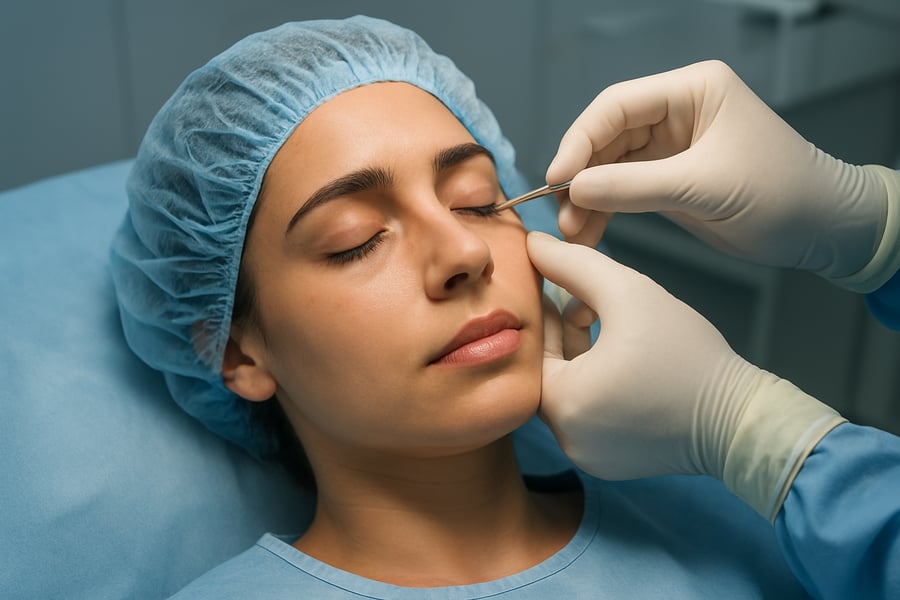
Analyzing Real Before and After Results of Aesthetic Eye Shape Procedures
Visual comparisons of before and after results serve as essential tools for patients evaluating the potential impact of cat eye surgery and other oculoplastic procedures on their facial aesthetics. These images highlight how precise adjustments to the lateral canthal tilt can create a more refreshed and youthful eye shape. estethica Global emphasizes that while photographic evidence offers a glimpse into possible changes, individual anatomy remains the primary factor in determining the final aesthetic outcome.
Historical data highlight the evolution of these techniques, noting that between 1981 and 1994, a significant volume of lateral canthoplasties were documented in both reconstructive and cosmetic capacities1. Modern surgical approaches, such as those performed at estethica Global, often focus on lengthening the palpebral fissure to achieve an almond eye shape, which can provide a balanced and open appearance2. Patients should review these documented results to understand the range of achievable improvements rather than expecting identical replication of another person's features.
Clinical Considerations for Eye Shape Surgery
Skin elasticity, bone structure, and the presence of pre-existing conditions like negative canthal tilt influence the selection of the most appropriate surgical plan. During a consultation at estethica Global, surgeons assess these physical characteristics to determine whether a patient is a suitable candidate for procedures like a temporal lift or more targeted lateral canthoplasty. This personalized approach ensures that the surgical objectives match the patient’s unique facial proportions and long-term aesthetic goals.
Determining the Permanence and Safety of Lateral Canthoplasty Techniques
The permanence of cat eye surgery relies on the structural repositioning of the lateral canthal tendon, which anchors the corner of the eyelid. While estethica Global surgeons prioritize long-lasting aesthetic improvements, patients should anticipate that natural periorbital tissue aging will continue to progress over time. Historical clinical data highlights the evolution of these procedures, noting that thousands of lateral canthoplasty operations have been use both for reconstructive needs and cosmetic enhancement1.
Safety remains the cornerstone of any oculoplasty procedure, requiring careful handling of the orbicularis oculi muscle to maintain functional eyelid integrity. By employing techniques like the tarsal strip, specialists at estethica Global provide reliable structural support that achieves the desired almond eye shape without compromising comfort. This focus on precision helps manage the delicate anatomy of the eye, reducing the risk of complications while promoting optimal healing.
Technical Precision and Patient Suitability
Determining candidacy involves a thorough evaluation of the patient’s existing eye position and tissue elasticity. Cosmetic lateral canthoplasty is frequently performed to adjust the palpebral fissure, effectively creating a larger and more defined ocular appearance2. Through rigorous adherence to safety protocols, estethica Global ensures that each patient receives a tailored surgical plan designed to deliver consistent, high-quality results for those seeking to refine their eye contour.

Surgical Techniques and Procedural Methodology
Patient Safety and Post-Procedural Care
Frequently Asked Questions
Who is not considered a suitable candidate for cat eye surgery?
What is the typical recovery timeline following almond eye surgery?
How does cat eye surgery differ from a standard blepharoplasty?
Are there non-surgical alternatives to achieve a lifted eye appearance?
What precautions should be taken in the preparation phase for surgery?

Considering Cat Eye Surgery? Get Expert Guidance
Understand the procedure, recovery, and aesthetic results with our specialized oculoplastic team.
References
Superscript numbers in the content correspond to the references listed below.
- PubMed / NIH — Evolution of the lateral canthoplasty: techniques and indications - PubMed
- PMC / NIH — Cosmetic Lateral Canthoplasty: Preserving the Lateral Canthal Angle - PMC - NIH